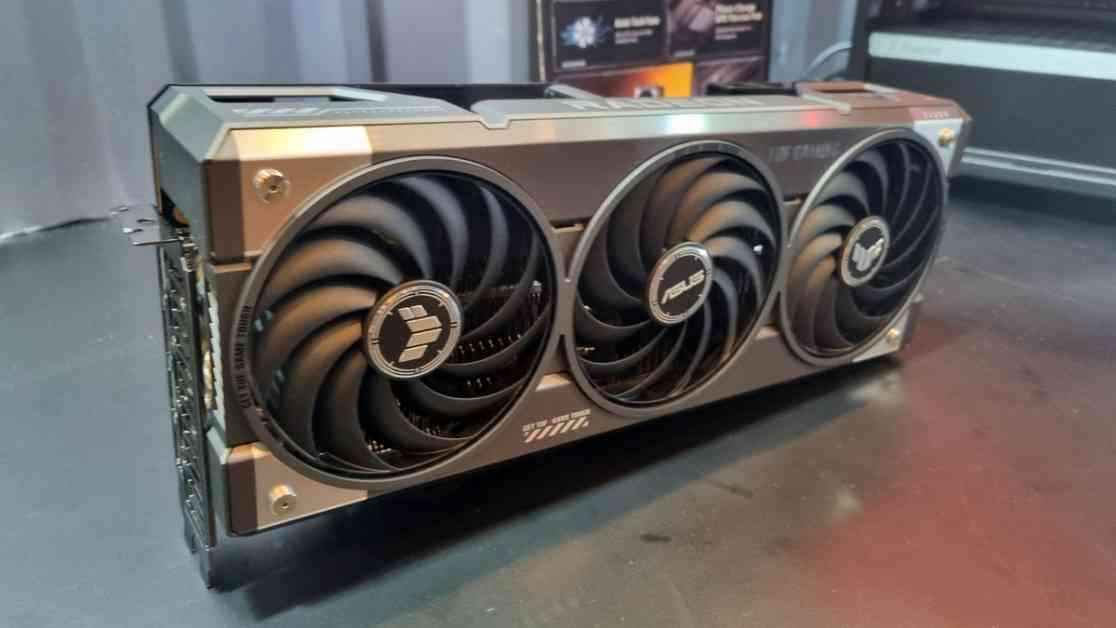
AMD’s upcoming Radeon RX 9070 and 9070 XT GPUs are causing quite a buzz in the tech world, with performance leaks and overclocking capabilities making waves. The latest reports indicate that the 9070 XT could potentially reach a boost clock of 3.244 GHz, a significant jump from the standard 2.97 GHz clock speed. Renowned hardware leaker Tomasz Gawroński revealed this exciting news, showcasing the GPU’s potential at just 329 W and a cool 50 degrees C.
Impressively, the Gigabyte 9070 XT gaming OC has already hit 3250mhz at 329w in the heaven unigine benchmark, hinting at even higher clock speeds that could be achieved. This overclocking feat is particularly noteworthy when compared to AMD’s previous Radeon RX 7900 XT, which officially boosts to 2.5 GHz, with the fastest 9700 XT reaching 3.23 GHz in overclocking benchmarks.
These developments draw an interesting parallel with Nvidia’s latest RTX 50 GPUs, where overclocking has played a crucial role in maximizing performance gains. Nvidia’s RTX 5080 FE card managed to achieve a 10% performance boost by pushing the clock speeds by 500 MHz, showcasing the potential benefits of overclocking in the current GPU landscape.
The overlap in TSMC N4 silicon node technology between the RTX 50 family and the upcoming RX 9070 GPUs further solidifies the importance of high clock speeds in achieving optimal performance. With both GPU families leveraging this mature node, there is a clear emphasis on maximizing clock speeds to enhance overall capabilities.
The architectural improvements expected in the RX 9070 XT, coupled with potential advancements in ray-tracing performance, point towards an exciting future for AMD’s latest offering. While pricing remains a key factor in the overall success of the RX 9070 XT, the promise of impressive performance gains through overclocking and architectural enhancements sets the stage for a compelling showdown in the GPU market.
As the tech community eagerly awaits the official release of the RX 9070 and 9070 XT GPUs, the focus on overclocking capabilities and clock speeds highlights the evolving landscape of graphics card performance. With both AMD and Nvidia pushing the boundaries of what is possible with current technology, consumers can anticipate a new era of high-performance GPUs that deliver unparalleled gaming experiences.