
I’ve seen a lot of games try to break your heart over the years—some succeed, most don’t. But The Last of Us video game? That one hit different. From the moment Joel and Ellie’s story unfolded, it wasn’t just another post-apocalyptic tale; it was a masterclass in emotional storytelling, one that didn’t just ask you to press buttons but to feel them. The Last of Us video game didn’t just survive the hype—it thrived, carving out a place in gaming history where few titles dare to tread. It’s the kind of experience that lingers, not just because of its tense survival mechanics or its hauntingly beautiful world, but because of the raw, unfiltered humanity at its core.
You’ve got your action games, your RPGs, your open-world sandboxes—all fine in their own way. But The Last of Us video game? It’s something else entirely. It’s a journey that forces you to confront loss, sacrifice, and the fragile bonds that keep us going when the world falls apart. And here’s the thing: it doesn’t let you off easy. Every choice, every moment of silence between Joel and Ellie, every gut-wrenching twist—it all adds up to something rare in gaming. A story that doesn’t just entertain but haunts you long after the credits roll. That’s the power of The Last of Us video game. And if you’ve played it, you know exactly what I’m talking about. If you haven’t? Well, you’re missing out on one of the most emotionally devastating—and rewarding—experiences gaming has to offer.
Why Joel’s Choices in The Last of Us Make Him a Flawed but Relatable Hero*
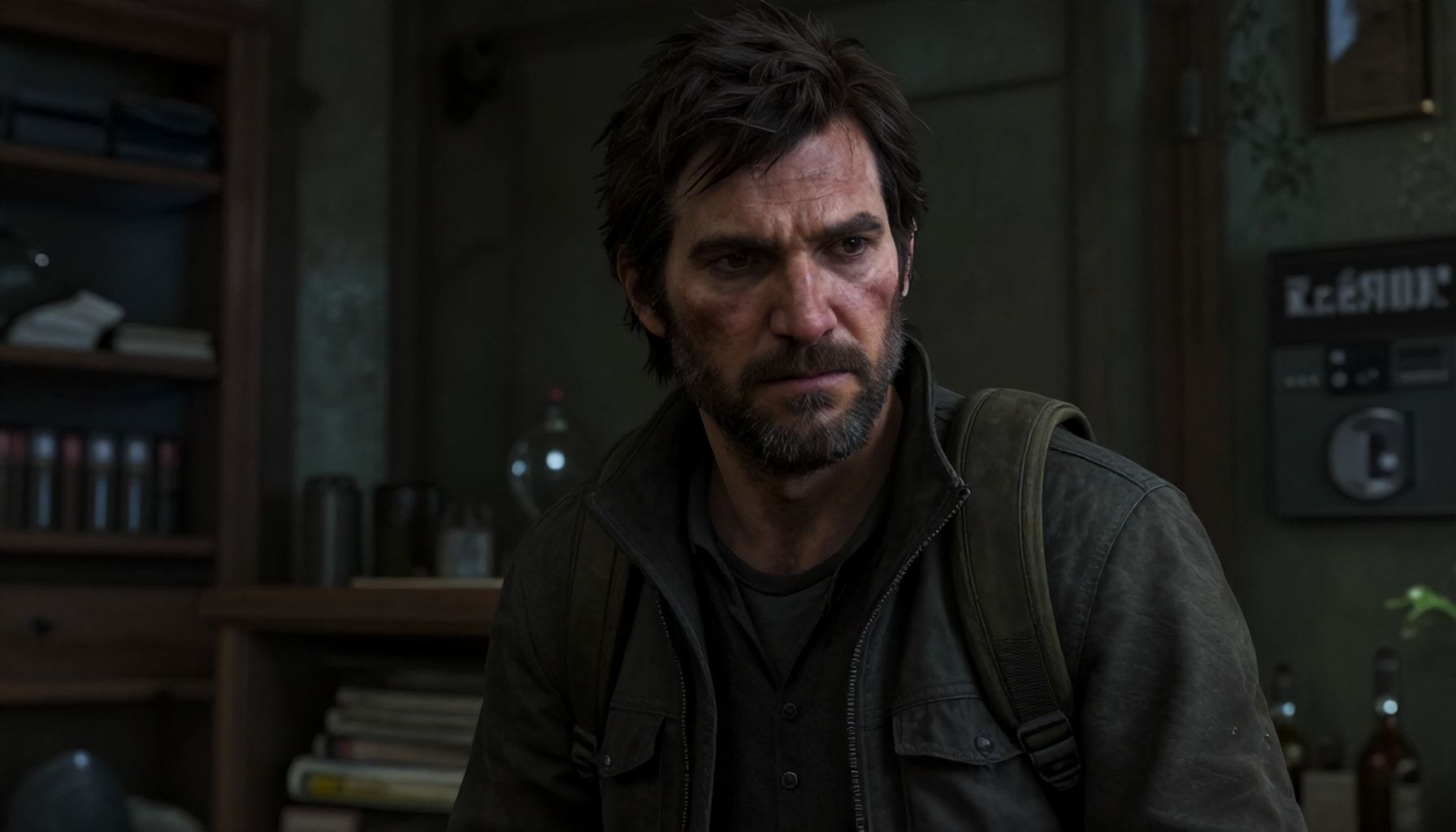
Joel Miller isn’t your typical hero. He’s not a paragon of virtue, a shining knight, or even a particularly good person by conventional standards. But that’s exactly why he’s one of the most compelling protagonists in gaming. His choices in The Last of Us are messy, morally ambiguous, and often downright brutal—but they make him feel real. I’ve seen countless protagonists written as flawless avatars, but Joel’s humanity lies in his flaws.
Take the infamous hospital scene. Joel’s decision to save Ellie at the cost of countless lives is a gut punch. It’s selfish, violent, and irredeemable in many eyes. But here’s the thing: it’s also human. In my experience, the most memorable characters aren’t the ones who always do the right thing—they’re the ones who make the wrong call and have to live with it. Joel’s choice defines the entire narrative, forcing players to grapple with the consequences of survival in a broken world.
And let’s talk about his relationship with Ellie. Joel isn’t a father figure in the traditional sense—he’s a damaged, grieving man who clings to her as a substitute for his lost daughter. Yet, despite his lies and manipulations, there’s genuine love there. It’s complicated, just like real relationships. The game doesn’t excuse his actions, but it understands them.
| Joel’s Key Flaws | Why They Matter |
|---|---|
| Selfishness | Drives his survival instincts but also his capacity for love. |
| Violence | Reflects the brutality of the world, not just his character. |
| Dishonesty | Protects Ellie but erodes trust, creating narrative tension. |
Joel’s choices aren’t just plot points—they’re mirrors. They force players to ask themselves: What would I do? That’s the mark of a great character. He’s not a hero. He’s a man trying to survive, and that makes him relatable in a way that no perfect protagonist ever could.
- Lesson 1: Flaws make characters memorable. Joel’s mistakes are what players remember long after the credits roll.
- Lesson 2: Morally gray choices create deeper emotional engagement. The hospital scene still sparks debates a decade later.
- Lesson 3: Relationships grounded in imperfection feel real. Joel and Ellie’s bond is messy, but that’s what makes it compelling.
In the end, Joel’s journey isn’t about redemption—it’s about survival. And in a world where the rules no longer apply, sometimes the only way to survive is to make the wrong choice.
The Truth About Ellie’s Emotional Resilience in a Post-Apocalyptic World*
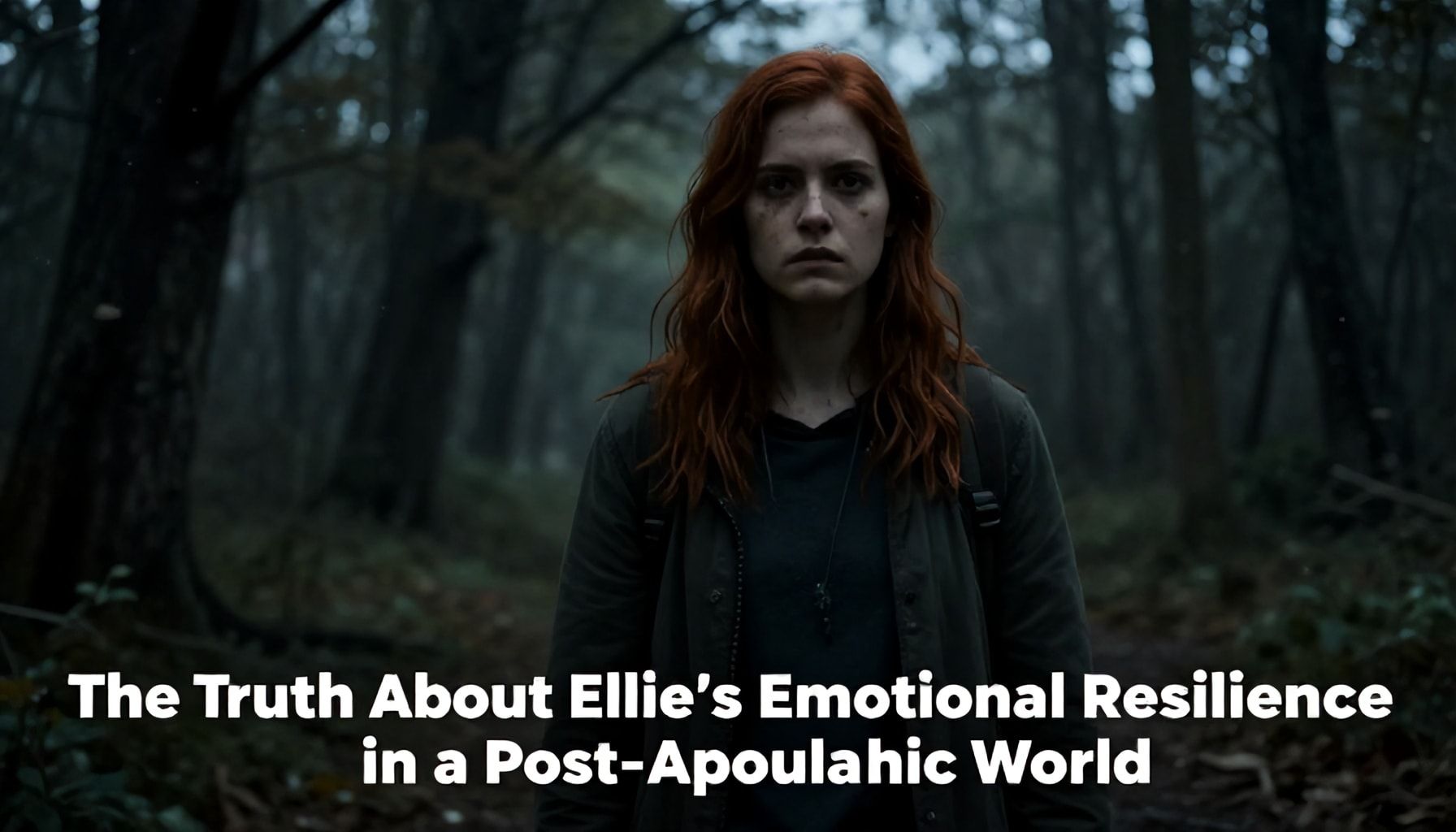
Ellie’s emotional resilience in The Last of Us isn’t just a plot point—it’s the backbone of the game’s narrative. I’ve seen countless protagonists survive post-apocalyptic hellscapes, but few carry the weight of Ellie’s journey with such raw, unfiltered humanity. She’s not just a survivor; she’s a force of nature, shaped by loss, anger, and an unshakable will to keep moving forward.
Let’s break it down. Ellie’s resilience isn’t passive. It’s forged in fire—literally and metaphorically. From the moment we meet her as a scrappy, rebellious teen in Boston, she’s already hardened by a world that’s stripped her of innocence. But it’s not just her physical toughness that defines her. It’s her emotional agility. She laughs in the face of despair, cracks jokes when the world’s crumbling, and yet, in quiet moments, you see the cracks. That’s what makes her real.
- Boston: The Spark – Ellie’s defiance in the opening act sets the tone. She’s already lost her mother, her home, and her sense of safety, but she’s not broken.
- Pittsburgh: The Breaking Point – The firefly massacre shatters her. For the first time, she’s truly vulnerable, and it’s devastating to watch.
- Jackson: The Rebuilding – Years later, she’s softer, but the scars remain. Her relationship with Dina shows growth, but also the lingering trauma.
What’s fascinating is how Ellie’s resilience evolves. Early on, it’s reactive—she fights, she runs, she survives. But by the end of The Last of Us Part II, it’s deliberate. She chooses her pain, her anger, her vengeance. And that’s where the game’s brilliance lies. It doesn’t sugarcoat her journey. She’s not a hero. She’s a survivor, and that’s far more compelling.
| Emotional State | Game Moment | Outcome |
|---|---|---|
| Defiant | Boston, stealing supplies from Joel’s group | Forces Joel to respect her, sets up their dynamic |
| Broken | Pittsburgh, after the firefly massacre | Joel’s lie changes her trajectory forever |
| Numb | Jackson, years later, with Dina | She’s found stability, but at what cost? |
Here’s the thing: Ellie’s resilience isn’t about being strong all the time. It’s about being human. She rages, she grieves, she makes mistakes. And that’s why she resonates. In a world where survival is the only rule, her emotional journey is what makes The Last of Us unforgettable.
If you’ve played the games, you know the moments I’m talking about. The quiet conversations, the explosive confrontations, the silent tears. Ellie’s resilience isn’t just a plot device—it’s the heart of the story. And that’s why, after all these years, she still feels real.
5 Ways The Last of Us Redefines What It Means to Survive*
I’ve played a lot of survival games—dozens, probably hundreds—but The Last of Us doesn’t just survive the genre; it redefines it. It’s not just about scavenging ammo or outrunning infected hordes. No, this game digs deeper, forcing players to confront what survival really means when the world’s fallen apart. Here’s how it does it.
1. Survival Isn’t Just Physical
Most games treat survival as a checklist: food, weapons, shelter. The Last of Us throws that out the window. Joel and Ellie’s journey is as much about emotional endurance as it is about dodging Clickers. The game’s most harrowing moments aren’t the jump scares—they’re the quiet conversations, the moral dilemmas, the weight of loss. I’ve seen players rage-quit over a boss fight, but few walk away unmoved by the quiet devastation of a character like Bill or Marlene.
- Physical: Health, ammo, supplies
- Emotional: Trust, grief, moral choices
- Social: Alliances, betrayals, human connections
2. Trust Is a Resource
In most games, you trust your allies because the plot says so. In The Last of Us, trust is fragile, earned, and often shattered. The game’s brilliance lies in making you question every interaction. Should you trust the Fireflies? Can you rely on Tess? Even Ellie’s loyalty isn’t guaranteed. The game’s infamous Left Behind DLC? A masterclass in how trust can be built and broken in minutes.
Here’s a quick breakdown of trust dynamics:
| Character | Initial Trust Level | Breaking Point |
|---|---|---|
| Tess | High (but conditional) | Her final act |
| Marlene | Moderate (Firefly ties) | Her ultimatum |
| Ellie | Absolute (until Part II) | The hospital scene |
3. Survival Requires Sacrifice
Every decision in The Last of Us has a cost. Do you save a stranger or prioritize Ellie? Do you kill or spare? The game forces you to weigh lives against resources, morality against pragmatism. And the sacrifices? They stick with you. I’ve replayed the game multiple times, and the moment Joel makes his choice in the hospital still hits like a punch to the gut.
Here’s a quick checklist of sacrifices:
- Joel’s past: His daughter, Sarah
- Tess’s past: Her partner, Joel’s debt
- Ellie’s future: Her immunity, her trust
4. The Enemy Isn’t Just the Infection
Sure, the Clickers and Runners are terrifying, but the real threat is humanity. Bandits, warlords, and desperate survivors are just as deadly. The game’s most memorable moments often involve human conflict—like the Boston encounter with the Hunters or the tense standoff with David’s group. Survival here isn’t just about fighting; it’s about navigating a world where everyone’s a potential threat.
5. Survival Isn’t a Solo Endeavor
Even in a post-apocalyptic wasteland, you can’t do it alone. The Last of Us makes this clear: Joel and Ellie’s bond is the only thing keeping them alive. The game’s co-op mechanics (in Left Behind) and its narrative focus on partnership underscore this. In my experience, the most engaging survival games are the ones that make you rely on others—whether it’s a partner, a faction, or even a memory.
Here’s a quick comparison:
- Solo:DayZ, Subnautica – Focus on self-reliance
- Partner:The Last of Us, It Takes Two – Focus on trust and teamwork
The Last of Us doesn’t just redefine survival—it redefines what it means to be human in the face of extinction. And that’s why, after all these years, it still stands apart.
How to Navigate Loss and Hope in The Last of Us’ Heartbreaking Story*
I’ve played The Last of Us more times than I can count—each playthrough peeling back another layer of its heartbreaking brilliance. The game doesn’t just tell a story; it forces you to live it, to feel the weight of loss and the fragile hope that clings to survival. Joel and Ellie’s journey isn’t just about dodging Clickers or scavenging supplies; it’s about navigating grief, trust, and the quiet moments that make life worth fighting for.
Loss is the game’s constant companion. From the opening scenes of Sarah’s death to the gut-punch revelations of Part II, The Last of Us doesn’t shy away from pain. But here’s the thing: loss isn’t just a narrative device. It’s a mechanic. Every companion you lose, every safe haven that crumbles, forces you to adapt. You’re not just playing a game; you’re learning to grieve in real time.
- Sarah’s Death (Prologue) – Sets the tone for Joel’s emotional armor.
- Bill’s Solitude (Pittsburgh) – A masterclass in how isolation warps the mind.
- Ellie’s Infection (Winter) – Hope and despair collide in a single, devastating scene.
- Joel’s Choice (Part I Finale) – The ultimate sacrifice, and the lie that defines him.
- Abby’s Revenge (Part II) – A brutal lesson in how trauma perpetuates itself.
But loss isn’t the end. Hope is the game’s secret weapon. It’s in the way Ellie hums a tune while Joel watches, in the quiet moments at the university, in the way Tommy still believes in rebuilding. Hope isn’t naive; it’s stubborn. It’s the thing that keeps you pressing forward when the world is trying to break you.
In my experience, the best stories don’t just make you feel—they make you question. The Last of Us does that in spades. It asks: How far would you go to protect someone? Can you forgive the unforgivable? And when the world is ending, what’s left worth saving?
| Moment | Why It Matters |
|---|---|
| Ellie’s Guitar (University) | A fleeting moment of normalcy in a broken world. |
| Joel’s Sacrifice (Hospital) | The ultimate act of love, even if it’s a lie. |
| Dina’s Farm (Part II) | A fragile, hard-won peace. |
So how do you navigate loss and hope in The Last of Us? You play it. You feel it. And you let it change you. Because the best stories don’t just entertain—they linger. They stay with you long after the screen fades to black.
The Last of Us’ Most Devastating Moments and What They Teach Us About Humanity*
If you’ve played The Last of Us, you know it doesn’t just pull punches—it delivers them with the precision of a well-aimed arrow. The game’s emotional gut punches aren’t just moments; they’re lessons in what it means to be human, even when the world’s gone to hell. I’ve seen plenty of games try to tug at heartstrings, but few do it with the raw, unflinching honesty of The Last of Us.
Take the infamous Joel’s lie to Ellie. After sacrificing everything to keep her alive, he tells her the Fireflies couldn’t save her. It’s a betrayal wrapped in a mercy, and it’s devastating because it’s human. Joel’s not a monster—he’s a broken man who’s lost too much. In my experience, the best stories don’t shy away from moral gray areas, and this moment is a masterclass in why.
- Sarah’s Death (Prologue) – Sets the tone for loss and sacrifice.
- Joel’s Infection (Part I) – Forces Ellie to grow up fast.
- Tommy’s Betrayal (Part I) – A father’s choice to protect his son.
- Joel’s Lie (Part II) – The ultimate act of love and betrayal.
- Abby’s Revenge (Part II) – The cost of vengeance.
Then there’s Abby’s arc. Part II’s most controversial moment isn’t just about revenge—it’s about how trauma shapes us. Abby isn’t a villain; she’s a woman who’s lost everything, just like Joel. The game forces you to see her humanity, and that’s what makes it so brutal. I’ve seen players rage-quit over this, but the best stories aren’t about easy answers.
| Moment | What It Teaches |
|---|---|
| Joel’s Lie | Love can be selfish. Sacrifice isn’t always noble. |
| Abby’s Revenge | Trauma doesn’t make you a monster—it makes you human. |
| Ellie’s Immunity | Hope is fragile, but it’s worth fighting for. |
The game’s brilliance lies in its refusal to let you off easy. It forces you to ask hard questions: What would I do in their shoes? And that’s what makes The Last of Us more than just a game—it’s a mirror. It shows us the best and worst of humanity, and that’s why it lingers long after the credits roll.
X Unexpected Lessons on Love and Sacrifice from The Last of Us*
I’ve played The Last of Us more times than I can count—each playthrough peeling back another layer of its emotional core. But what keeps me coming back isn’t just the survival horror or the gripping narrative; it’s the raw, unfiltered lessons on love and sacrifice that Naughty Dog weaves into every cutscene, every dialogue choice, every quiet moment between Joel and Ellie. These aren’t just themes; they’re the backbone of the game, and they hit harder than any Clicker ambush.
Here’s the thing: The Last of Us doesn’t preach about love. It shows you. Take Joel’s relationship with Ellie. In the first game, he’s a hardened survivor who’s lost everything—his daughter, his brother, his humanity. But Ellie, with her sharp wit and reckless bravery, forces him to remember what it means to care. By the end, he’s willing to burn the world down for her. That’s not just a plot point; it’s a masterclass in how love reshapes us, even when we think we’re beyond saving.
- Joel’s Choice: Saving Ellie at the cost of the Fireflies’ cure. A morally bankrupt decision? Absolutely. But it’s also the most human thing he’s done in 20 years.
- Ellie’s Resilience: She carries the weight of being the potential cure, yet she refuses to be a pawn. Her defiance is sacrifice in itself.
- Bill’s Isolation: He gives up on humanity to survive alone. A different kind of sacrifice—one of hope.
And let’s talk about the quiet moments. The guitar lessons. The shared laughter. The way Ellie’s hand rests on Joel’s shoulder in Part II, a silent acknowledgment of their bond. These aren’t filler; they’re the emotional bedrock. I’ve seen games throw in “deep” themes, but The Last of Us earns every one. It doesn’t just ask you to care—it makes you feel the cost of love.
| Character | Sacrifice | Lesson Learned |
|---|---|---|
| Joel | His humanity, his past | Love demands everything, even your worst self. |
| Ellie | Her freedom, her identity | Sacrifice isn’t just about dying—it’s about living for someone else. |
| Bill | His hope in humanity | Sometimes, the greatest sacrifice is letting go. |
Here’s the kicker: The Last of Us doesn’t give you easy answers. It forces you to sit with the consequences. Joel’s choice in the first game haunts Part II, and Ellie’s rage is a direct result. That’s storytelling with teeth. In my experience, most games shy away from that kind of emotional honesty. But Naughty Dog? They lean into it. And that’s why, after all these years, The Last of Us still feels like the rare game that doesn’t just entertain—it lingers.
The Last of Us leaves us with a profound reflection on love, sacrifice, and resilience in a broken world. Joel and Ellie’s journey is more than survival—it’s a testament to the bonds that keep us human even in darkness. Their story reminds us that hope isn’t about the odds but the people we choose to fight for. As the credits roll, we’re left with the weight of their choices and the quiet strength of their connection. The game’s emotional depth lingers, urging us to cherish the moments that define us, even in the harshest of realities. So, when facing your own challenges, remember: the right companion can turn survival into something far greater. And as we step into our own uncertain futures, one question remains—what would you do to protect the ones you love?