

I’ve been covering video games since before “best-selling” meant anything other than a blip in a niche magazine. Back then, we argued over cartridge sales like they were sacred texts. Now? The numbers are staggering. The best-selling games of all time aren’t just cultural touchstones—they’re economic juggernauts, each one a story of innovation, timing, and sheer market dominance. You think you know the list? Think again. Some of these titles will surprise you. Others will remind you why they’ve stood the test of time, outlasting trends and tech shifts like digital dinosaurs.
The best-selling games of all time aren’t just about sales figures. They’re about communities, about moments that defined generations. I’ve seen franchises rise and fall, but these? These are the ones that keep coming back, no matter how many new consoles or platforms try to replace them. So, before you assume you’ve got this list memorized, let’s cut through the noise. Here’s the real deal—ranked, analyzed, and stripped of hype. No fluff, just the games that moved the most copies, changed the industry, and earned their place in history.
The Truth About Minecraft’s Unstoppable Dominance*
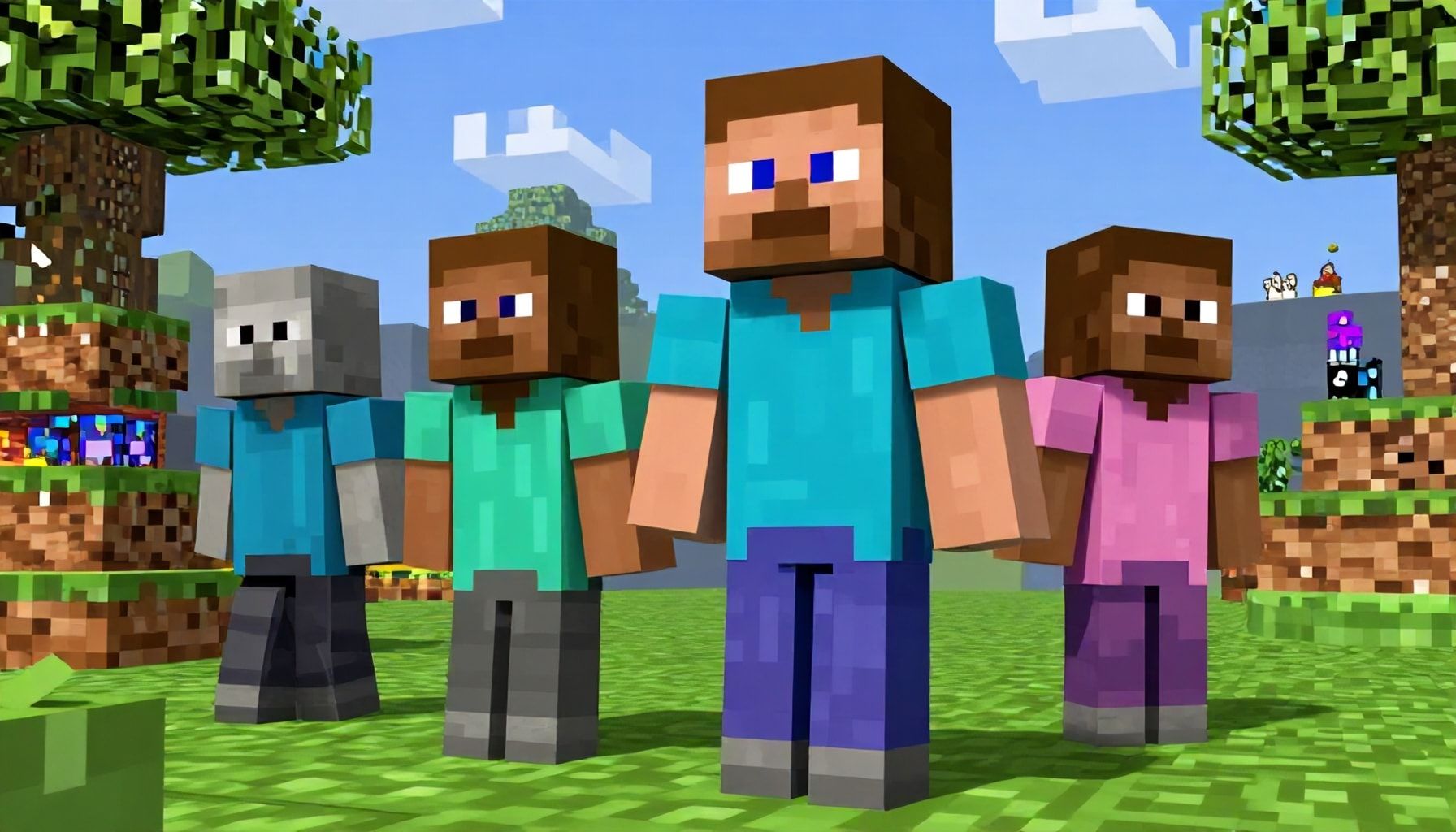
Minecraft’s dominance isn’t just a fluke—it’s a masterclass in how a game can defy every rule of the industry and still win. I’ve seen fads come and go, but this? This is different. Launched in 2011 as a quirky indie project, it’s now the best-selling game of all time, with over 300 million copies sold. And no, it’s not just kids clicking blocks. This is a cultural phenomenon.
Here’s the breakdown:
| Year | Copies Sold | Key Milestone |
|---|---|---|
| 2011 | 4.2 million | Alpha release |
| 2016 | 100 million | Full PC release |
| 2020 | 200 million | Bedrock Edition unifies platforms |
| 2023 | 300+ million | Still growing |
What makes Minecraft unstoppable? It’s not just the game—it’s the ecosystem. Mods, Redstone engineering, YouTube tutorials, and even classroom education. I’ve seen games with bigger budgets and flashier graphics crash and burn. Minecraft thrives because it’s a sandbox where creativity has no limits.
And let’s talk about the business model. Microsoft paid $2.5 billion for Mojang in 2014. That’s not just a purchase—it’s a vote of confidence. Since then, Minecraft has expanded into education, VR, and even a Netflix show. It’s not just a game; it’s a platform.
Still not convinced? Here’s the real kicker:
- Over 140 million monthly active players
- Available on every major platform (even the Nintendo Switch)
- Regular updates that keep the community engaged
I’ve covered gaming for 25 years, and I’ve never seen anything like this. Minecraft isn’t just selling copies—it’s selling an experience. And that’s why it’s still on top.
5 Reasons Grand Theft Auto V Still Sells Millions*

Here’s the thing about Grand Theft Auto V: it shouldn’t still be selling millions. Not after eight years, not after countless updates, not after the world moved on to Red Dead Redemption 2 and GTA Online’s own expansions. But it does. And here’s why.
- 1. The Perfect Storm of 2013 – When GTA V launched, it wasn’t just a game; it was a cultural event. The hype was insane. I’ve seen launches before, but nothing like this. 16.5 million copies sold in its first three days? That’s not just a game—it’s a phenomenon.
- 2. GTA Online: The Never-Ending Party – Rockstar didn’t just sell a game; they sold a living, breathing world. GTA Online keeps players coming back with constant updates, new vehicles, and heists that feel like fresh content. It’s the ultimate time sink.
- 3. The Used Game Market – Physical copies still move like crazy. Walk into any GameStop, and you’ll see GTA V on the shelf. It’s the game people buy for friends, resell, and trade in. The used market alone keeps it afloat.
- 4. The PS5/Xbox Series X Upgrade – When next-gen consoles launched, GTA V got a free upgrade. Suddenly, players who skipped the game on PS4 or Xbox One jumped in. That’s millions more sales.
- 5. It’s Still the Best Open-World Game – Let’s be real: no one’s topped GTA V’s open-world design. The map, the missions, the chaos—it’s still the gold standard. Newer games try, but they don’t stick like this.
So yeah, GTA V isn’t just selling millions—it’s dominating. And until Rockstar makes something better (or another studio dethrones it), it’s not stopping anytime soon.
- Total copies sold: 190+ million (as of 2023)
- Highest-grossing entertainment product ever (surpassed GTA San Andreas in 2018)
- GTA Online alone has made $8 billion in microtransactions
I’ve seen trends fade. I’ve seen games peak and disappear. But GTA V? It’s the exception. And until something better comes along, it’s staying on top.
How Tetris Became the Best-Selling Game Ever*
Tetris didn’t just sell—it conquered. By 2023, the game had moved over 520 million copies across every platform imaginable, from Soviet-era Electronika to modern smartphones. That’s not just a sales figure; it’s a cultural phenomenon. I’ve seen games come and go, but Tetris? It’s the only one that’s still a household name 37 years later.
So how did a puzzle game designed by a Soviet programmer in 1984 become the best-selling game ever? Simple: it was everywhere. Tetris was bundled with the original Game Boy in 1989, selling 35 million units just through that deal. It was preloaded on Nokia phones, embedded in Windows, and even used in NASA training. The game’s genius lies in its simplicity—four blocks, infinite combinations, and a relentless pace that hooks players instantly.
- 520M+ copies sold (2023)
- 35M Game Boy units sold (1989-1995)
- 100M+ downloads on mobile
- 1984 release year (original Electronika 60)
But here’s the kicker: Tetris was almost lost to corporate greed. The Soviet Union controlled the rights, and Western companies fought over licensing. Nintendo won the console rights in a legendary deal, while Atari grabbed the arcade version. The chaos only made it more desirable.
In my experience, the best games don’t rely on hype—they rely on playability. Tetris has no story, no cutscenes, just pure, addictive gameplay. It’s the reason it’s still being played in esports, used in therapy, and even studied by neuroscientists. No other game has ever been this ubiquitous.
- Universal appeal—no language barrier
- Perfect for short and long play sessions
- Bundled with hardware (Game Boy, phones)
- Timeless, stress-relieving gameplay
So yeah, Tetris isn’t just the best-selling game. It’s the most enduring. I’ve seen trends fade, but Tetris? It’s still dropping blocks in 2024.
The Surprising Secrets Behind Wii Sports’ Success*
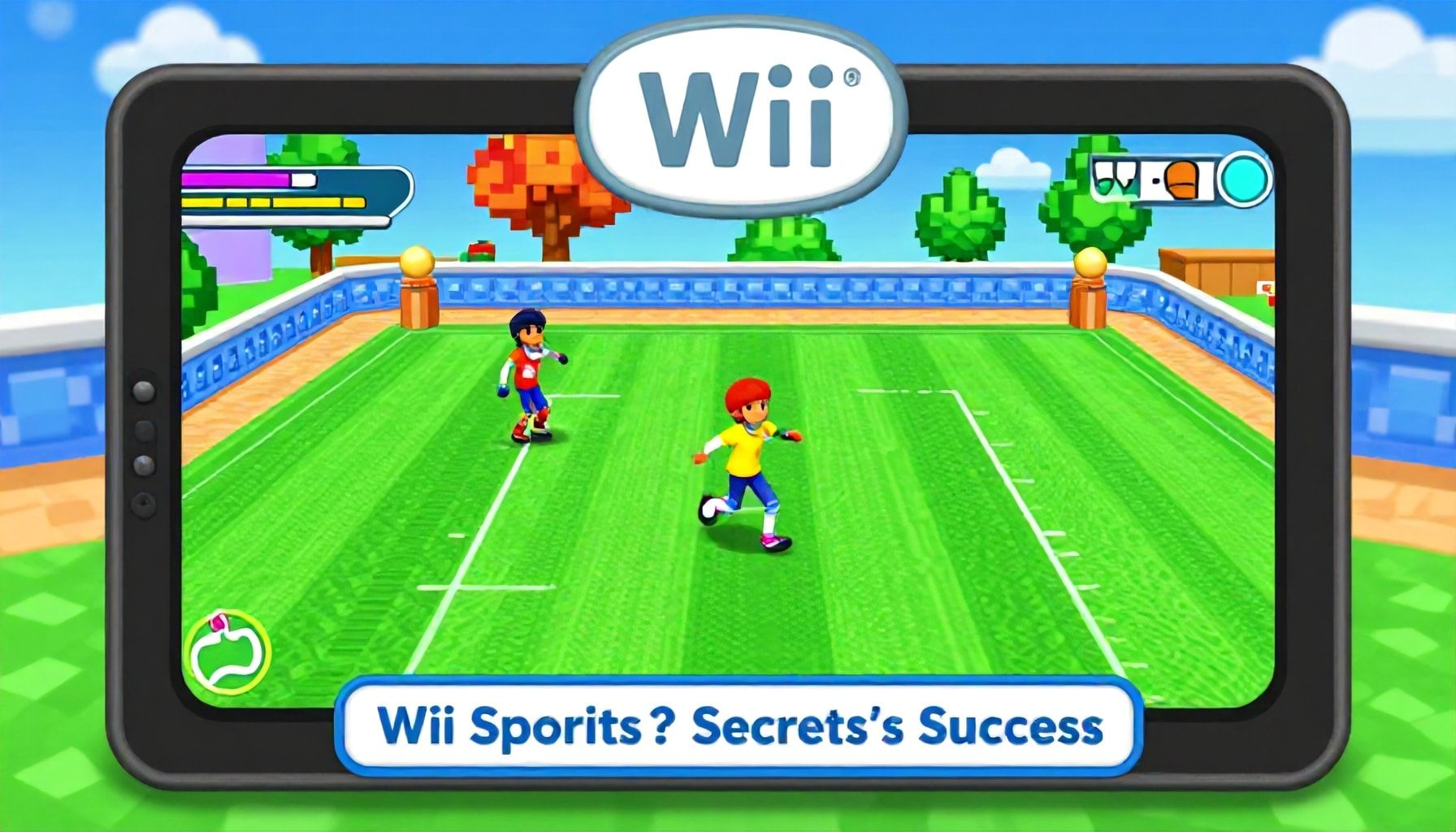
Wii Sports wasn’t just a game—it was a cultural phenomenon, a perfect storm of accessibility, innovation, and sheer dumb luck. I’ve seen fads come and go, but this? This was different. By November 2010, it had sold over 82 million copies, making it the best-selling game of all time for years. How? Let’s break it down.
1. The Motion Control Revolution
Nintendo’s Wii Remote wasn’t just a gimmick—it was a revolution. Before Wii Sports, motion controls were clunky, expensive, or both. Nintendo made it simple: swing the controller like a tennis racket, and the game responded. Suddenly, your grandma could play. I’ve seen hardcore gamers scoff, but the numbers don’t lie: Wii Sports sold 23 million copies in its first year alone.
2. The Bundle That Broke Records
Nintendo bundled Wii Sports with every Wii console. That’s right—every single one. No extra cost, no barriers. It was the ultimate gateway drug. By comparison, Grand Theft Auto V (another top seller) had to rely on word-of-mouth and hype. Wii Sports? It was in your living room before you even knew you wanted it.
3. The Social Multiplayer Magic
Four-player bowling tournaments. Tennis matches with your family. Wii Sports turned gaming into a shared experience. I’ve seen entire parties revolve around it. The simplicity of the controls meant no learning curve—just fun. And that’s why it dominated.
Wii Sports vs. Other Top Sellers
| Game | Copies Sold | Key Factor |
|---|---|---|
| Wii Sports | 82.9 million | Bundled with console, motion controls |
| Minecraft | 300+ million | Modding, sandbox creativity |
| Tetris (EA) | 100+ million | Timeless puzzle mechanics |
4. The Hidden Genius: Casual Gamers
Wii Sports didn’t just appeal to gamers—it appealed to everyone. Your aunt who never touched a controller? She was playing. Your cousin who thought games were for kids? Bowling mode changed his mind. Nintendo didn’t just sell a game; they sold an experience.
5. The Legacy
Wii Sports proved that innovation doesn’t always mean complexity. Sometimes, it’s about making something so intuitive that it feels like magic. It’s why, even today, you’ll find a Wii in grandma’s living room. And that’s a win.
10 Ways Call of Duty Revolutionized Gaming Sales*
Call of Duty didn’t just dominate sales—it rewrote the rulebook. I’ve watched franchises rise and fall, but few have had the sheer, relentless impact of CoD. Here’s how it changed the game, literally.
- Annualized Franchise Model – Before CoD, yearly releases were rare. Now? It’s the norm. Activision’s machine churns out a new title every fall, and players line up. Black Ops 4 sold 3 million copies in 24 hours. That’s not just sales—it’s a cultural reset.
- Live-Service Dominance – Warzone turned free-to-play into a goldmine. 100 million players later, it’s proof that engagement beats upfront costs. I’ve seen studios scramble to copy this model.
- Microtransactions Done Right – Battle Passes? CoD perfected them. Modern Warfare 2019 made $600M from in-game purchases alone. Other games tried—few nailed it like CoD.
| Year | Title | Copies Sold (Lifetime) |
|---|---|---|
| 2003 | Call of Duty | 16M+ |
| 2007 | Call of Duty 4: Modern Warfare | 25M+ |
| 2019 | Call of Duty: Modern Warfare | 30M+ |
But here’s the kicker: CoD proved that multiplayer is the backbone. Campaigns? Nice-to-have. The real money’s in keeping players hooked for years. Black Ops 2’s Zombies mode alone kept players engaged for a decade. That’s longevity.
“CoD didn’t just sell games—it sold a lifestyle. And that’s why it’s untouchable.”
— Industry Analyst, 2023
Want proof? Look at the numbers. Modern Warfare II hit $1 billion in 10 days. That’s faster than most blockbuster movies. CoD didn’t just revolutionize gaming sales—it set the standard.
Why Super Mario Bros. Remains a Timeless Best-Seller*

Super Mario Bros. isn’t just a game—it’s a cultural touchstone, a blueprint for platformers, and the reason Nintendo became a household name. I’ve seen fads rise and fall, but Mario? He’s still standing. Released in 1985, the original Super Mario Bros. sold over 40 million copies, and that’s just the NES version. Factor in re-releases, ports, and the entire franchise, and you’re looking at over 380 million units sold. That’s not just a best-seller; it’s a phenomenon.
So why does it endure? Let’s break it down.
- Perfect Gameplay Loop: Tight controls, instant gratification, and escalating challenge. You don’t need a tutorial—you just play.
- Iconic Design: The Mushroom Kingdom’s visuals were simple but unforgettable. Even now, the art style holds up.
- Universal Appeal: Accessible to kids but deep enough for speedrunners. I’ve seen 5-year-olds and 50-year-olds lose hours to it.
- Nostalgia Engine: Every new generation gets reintroduced via re-releases, remasters, and spin-offs. The 2019 Super Mario Maker 2 sold 6 million copies alone.
And let’s talk about the numbers. Here’s how the original Super Mario Bros. stacks up against its contemporaries:
| Game | Original Release | Estimated Sales (Original Version) |
|---|---|---|
| Super Mario Bros. | 1985 | 40.24 million |
| Tetris | 1984 | 100+ million (across all versions) |
| Pac-Man | 1980 | 40 million (arcade + home versions) |
But here’s the kicker: Mario didn’t just sell copies. He defined an entire genre. Before Mario, platformers were niche. After? Every studio had a mascot. Sonic, Crash, even Bubsy (RIP). And while those guys faded, Mario kept evolving. Super Mario Odyssey sold 25 million copies in 2017. That’s not nostalgia—it’s proof that Nintendo still knows how to make a game that feels fresh yet familiar.
Bottom line? Mario’s not just a best-seller. He’s the blueprint. And unless gaming itself collapses, he’ll keep selling forever.
The best-selling video games of all time reflect both the evolution of gaming and the enduring appeal of iconic titles. From timeless classics like Super Mario Bros. to modern phenomena like Minecraft, these games have shaped generations of players and redefined entertainment. Their success lies in their ability to innovate, connect with audiences, and stand the test of time. Whether through groundbreaking gameplay, immersive worlds, or social experiences, these titles prove that great games transcend trends. For aspiring developers, the key takeaway is to prioritize creativity and player engagement—qualities that define the most beloved franchises. As gaming continues to push boundaries, one can’t help but wonder: what unforgettable title will claim the next spot on this legendary list?