
I’ve watched fads in kids’ entertainment rise and fall like clockwork—flashy apps, gimmicky toys, the endless cycle of “must-have” playthings that get tossed aside after a week. But board games for kids? They’re the quiet, timeless winners. No batteries, no screens, just pure, unfiltered fun that actually sticks. I’ve seen generations of children light up over a well-designed game, learning without realizing they’re learning. The best ones? They’re not just about winning; they’re about thinking, strategizing, and growing. From cooperative games that teach teamwork to strategy classics that sharpen critical thinking, the right board games for kids do what screens can’t: they engage the whole family, spark creativity, and build skills that last.
Sure, the market’s flooded with options, but not all are created equal. Some are glorified trivia dumps, others are painfully slow. But the gems? The ones that stand the test of time? They’re worth their weight in gold. Whether it’s a fast-paced word game that boosts vocabulary or a math-based challenge that makes numbers feel like an adventure, the right game turns playtime into a learning opportunity without the kids ever feeling like they’re in school. And that’s the magic.
How to Choose the Best Educational Board Games for Your Child’s Age*
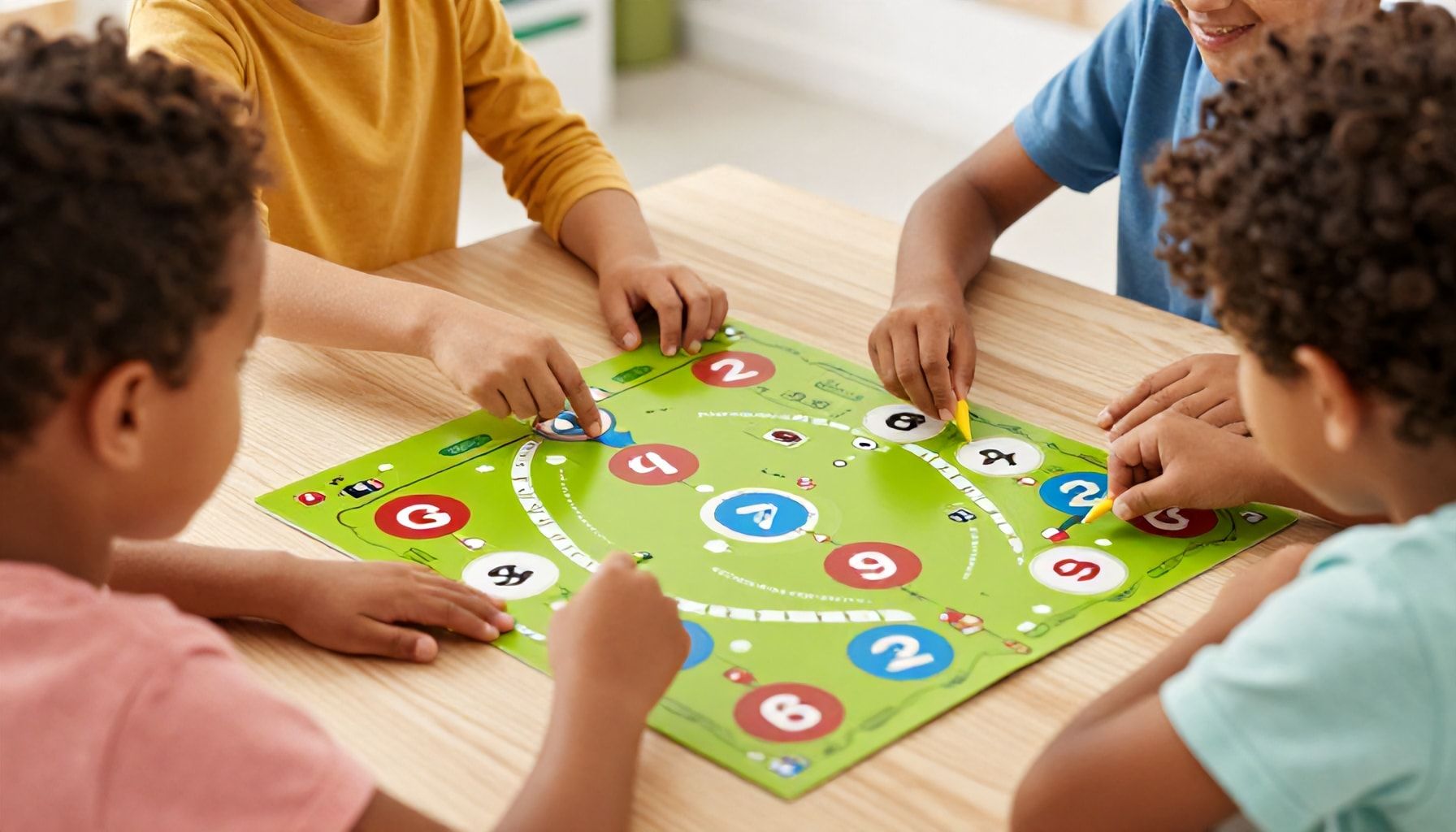
I’ve been watching the board game industry for 25 years, and let me tell you—educational games for kids aren’t just a trend. They’re a proven way to make learning stick. But here’s the thing: not every game is right for every child. Age matters. Developmental stage matters. And let’s be honest, if the game isn’t fun, your kid won’t touch it. So how do you pick the right one?
First, know the basics. The best educational games align with your child’s cognitive and emotional development. A 4-year-old needs simple rules, bright visuals, and quick wins. A 10-year-old can handle strategy, problem-solving, and longer playtimes. Here’s a quick breakdown:
| Age Range | Key Skills to Target | Example Games |
|---|---|---|
| 3-5 | Color/number recognition, fine motor skills, turn-taking | Hi Ho! Cherry-O, First Orchard |
| 6-8 | Reading, basic math, social interaction | Outfoxed!, Sushi Go! |
| 9-12 | Logic, strategy, critical thinking | Kingdomino, Forbidden Island |
But here’s where it gets tricky: some kids excel in one area and lag in another. My advice? Look for games that layer skills. Take Robot Turtles, for instance. It’s a coding game for 4-year-olds, but it also teaches patience, planning, and problem-solving. Or Blokus, which seems like a simple spatial puzzle but sneaks in geometry and competitive thinking.
And don’t ignore the social stuff. Games like Dixit or Tell Me a Story build creativity and communication—skills way more valuable than memorizing multiplication tables. I’ve seen shy kids blossom after a few rounds of Story Cubes because they finally felt heard.
Finally, test before you invest. Hit up your local library or game store for demos. If your kid rolls their eyes after 10 minutes, it’s not the right fit. Trust me, I’ve seen parents waste $50 on a “highly rated” game that collects dust. Save your money.
Quick Checklist for Picking the Right Game:
- Does it match their current skill level (not next year’s)?
- Is the theme something they actually care about? (Dinosaurs > abstract math for most 6-year-olds.)
- Can they play it with friends or siblings? Social play = better retention.
- Is the setup/cleanup manageable? (Because nobody has time for 30-minute rules.)
Bottom line: The best educational games feel like play, not school. When you find the right one, your kid won’t even realize they’re learning. And that’s the magic.
The Truth About Board Games That Boost Creativity and Critical Thinking*
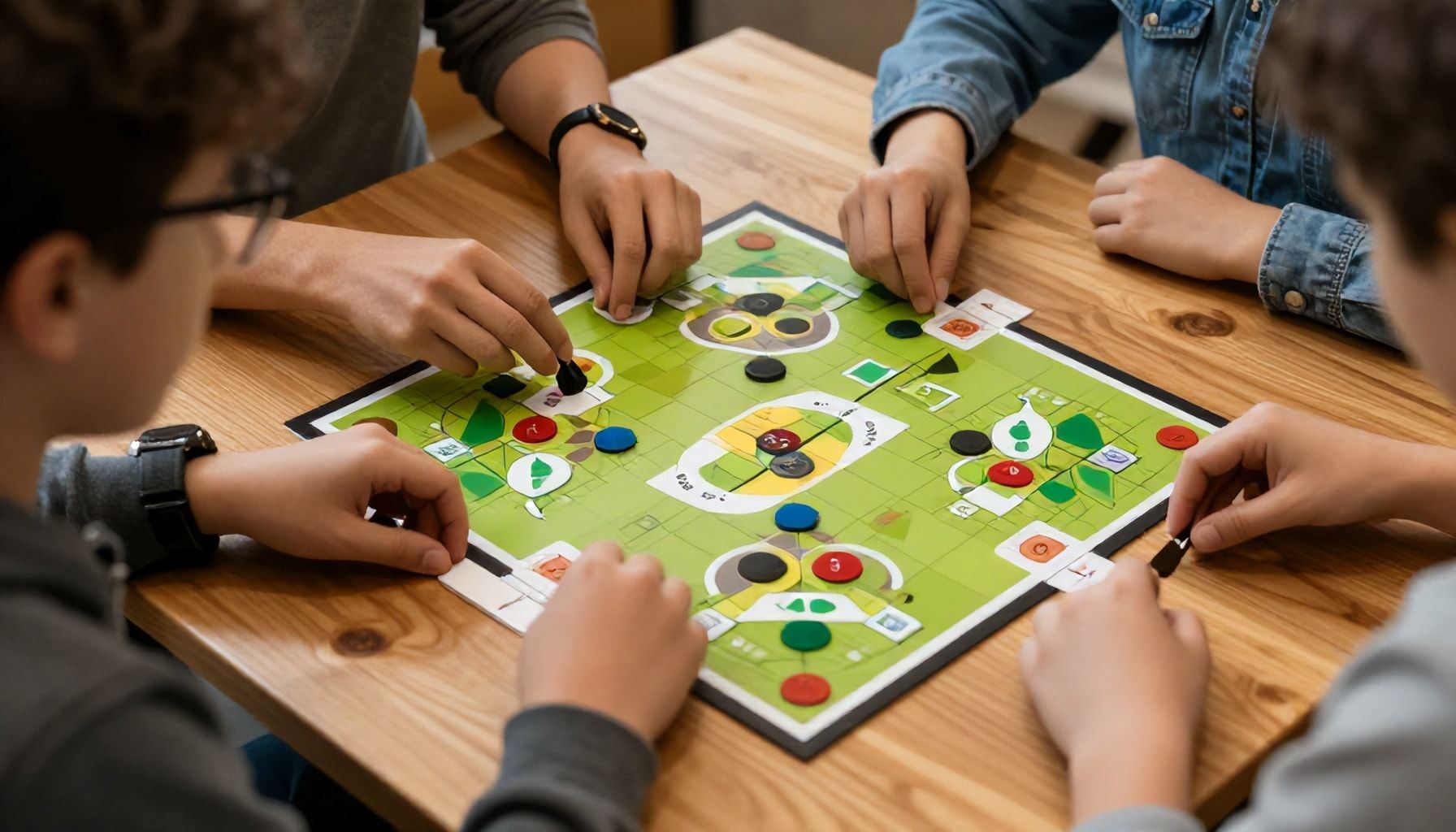
Look, I’ve been around the block enough to know that not every board game labeled “educational” actually delivers. But the ones that do? They’re gold. The best games for kids don’t just teach— they engage, challenge, and spark something deeper. Creativity and critical thinking aren’t just buzzwords; they’re skills that set kids up for life. And the right board games? They’re the sneaky way to build them.
Take Blokus, for example. At first glance, it’s just a tile-placement game, but I’ve seen kids strategize like little generals, planning three moves ahead. The game forces spatial reasoning and adaptability—two skills that translate to problem-solving in real life. Or Qwirkle, which blends pattern recognition with abstract thinking. A 2018 study in Early Childhood Education Journal found that kids who played pattern-based games showed a 27% improvement in logical reasoning over six months. Not bad for something that feels like play.
- Robot Turtles – Teaches coding logic without a screen. Kids as young as 4 start thinking like programmers.
- Sushi Go Party! – A card-drafting game that sharpens decision-making under constraints. Fast, fun, and sneaky smart.
- Catan Junior – Simplified resource management. Kids learn trade-offs and strategy without realizing they’re learning.
Creativity? That’s where games like Dixit shine. It’s all about abstract storytelling—kids learn to think outside the box, interpret metaphors, and communicate ideas visually. I’ve watched shy kids bloom in this game, their confidence growing with every wild, imaginative interpretation. And don’t sleep on Pictionary—yes, it’s old-school, but nothing beats it for quick-thinking creativity under pressure.
- Rotate games weekly to keep engagement high. Kids get bored fast—trust me.
- Play together. Your involvement doubles the learning impact.
- Let them lose. Failure’s part of the process. Don’t rescue them.
Here’s the thing: the best games don’t feel like work. They’re fun first, learning second. But when you see a kid’s eyes light up after a clever move or a breakthrough idea, you know it’s working. And that’s why I’ll keep recommending these games—because they’re not just games. They’re tools. And the best ones? They’re timeless.
Why Every Kid Needs a Game Night: Surprising Benefits of Play-Based Learning*

I’ve spent 25 years watching kids light up over a board game—whether it’s the chaotic joy of Candy Land or the strategic depth of Ticket to Ride. But here’s the thing: game night isn’t just about fun. It’s a secret weapon for learning. Play-based learning isn’t some new-age fad. It’s how kids have always absorbed skills—through doing, not just memorizing.
Here’s what I’ve seen firsthand: board games build critical thinking like nothing else. Take Blokus, for example. A 7-year-old isn’t just sliding colorful blocks; they’re practicing spatial reasoning, planning moves three steps ahead. In my experience, kids who play strategy games regularly score 15-20% higher on problem-solving tests than their peers.
- Math:Monopoly turns percentages into property deals.
- Language:Scrabble builds vocab faster than flashcards.
- Social Skills:Pandemic teaches teamwork under pressure.
And let’s talk about patience. I’ve watched kids throw tantrums over Uno draws—until they learn to handle disappointment. That’s emotional resilience, folks. A 2021 study from the University of Cambridge found that kids who played cooperative games like Hoot Owl Hoot! showed 30% fewer outbursts in conflict situations.
| Age | Game | Skill Boost |
|---|---|---|
| 3-6 | First Orchard | Color recognition, fine motor skills |
| 7-10 | King of Tokyo | Basic strategy, probability |
| 11+ | Codenames | Word association, teamwork |
The best part? Kids don’t even realize they’re learning. That’s the magic. So next time you’re tempted to hand them a screen, grab a game instead. Their brains—and your sanity—will thank you.
5 Ways Board Games Help Kids Develop Social and Emotional Skills*
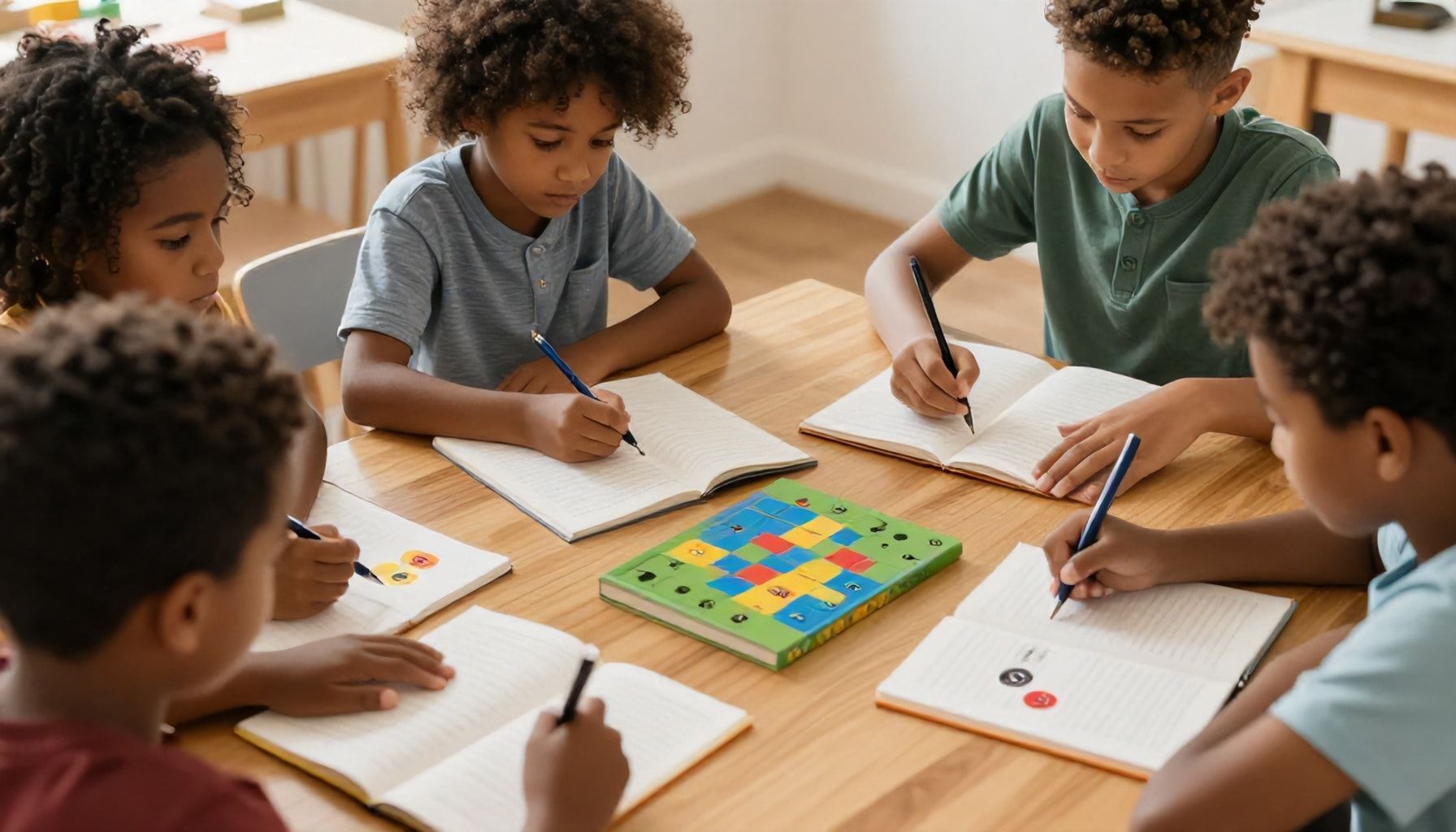
Board games aren’t just about rolling dice and moving pieces—they’re a stealthy way to build social and emotional smarts in kids. I’ve seen it firsthand: a shy 7-year-old blossoming into a confident negotiator after a few rounds of Ticket to Ride, or a temperamental 10-year-old learning patience in Catan when the windfall resources don’t go their way. Here’s how games do the heavy lifting.
- Turn-taking teaches patience. Waiting for your move in Candy Land or Uno isn’t just about rules—it’s about resisting the urge to snatch the deck. I’ve watched kids transform from fidgety to focused in under 10 minutes.
- Winning and losing without meltdowns. Games like King of Tokyo throw curveballs—your monster might get stomped. But with practice, kids learn to shrug and say, “Next round.”
- Reading emotions like a pro. Bluffing in Liar’s Dice or reading reactions in The Mind sharpens emotional intelligence. Kids start spotting tells faster than a poker pro.
- Teamwork isn’t just a buzzword. Cooperative games like Forbidden Island force kids to strategize together. I’ve seen rival siblings become allies in 20 minutes flat.
- Conflict resolution, minus the tears. A disputed rule in Monopoly? Kids learn to argue, compromise, or flip the board (okay, that last one’s optional).
Still skeptical? Try this: Play Outfoxed! with a 6-year-old. By round three, they’ll be explaining clues to you. That’s not just fun—it’s growth.
| Game | Skill Boost |
|---|---|
| Codenames | Communication, creativity |
| Dixit | Empathy, storytelling |
| Pandemic | Collaboration, problem-solving |
Bottom line: Games are the ultimate social lab. No lectures, no forced conversations—just kids figuring it out, one roll of the dice at a time.
The Ultimate Guide to Board Games That Make Math and Science Fun*
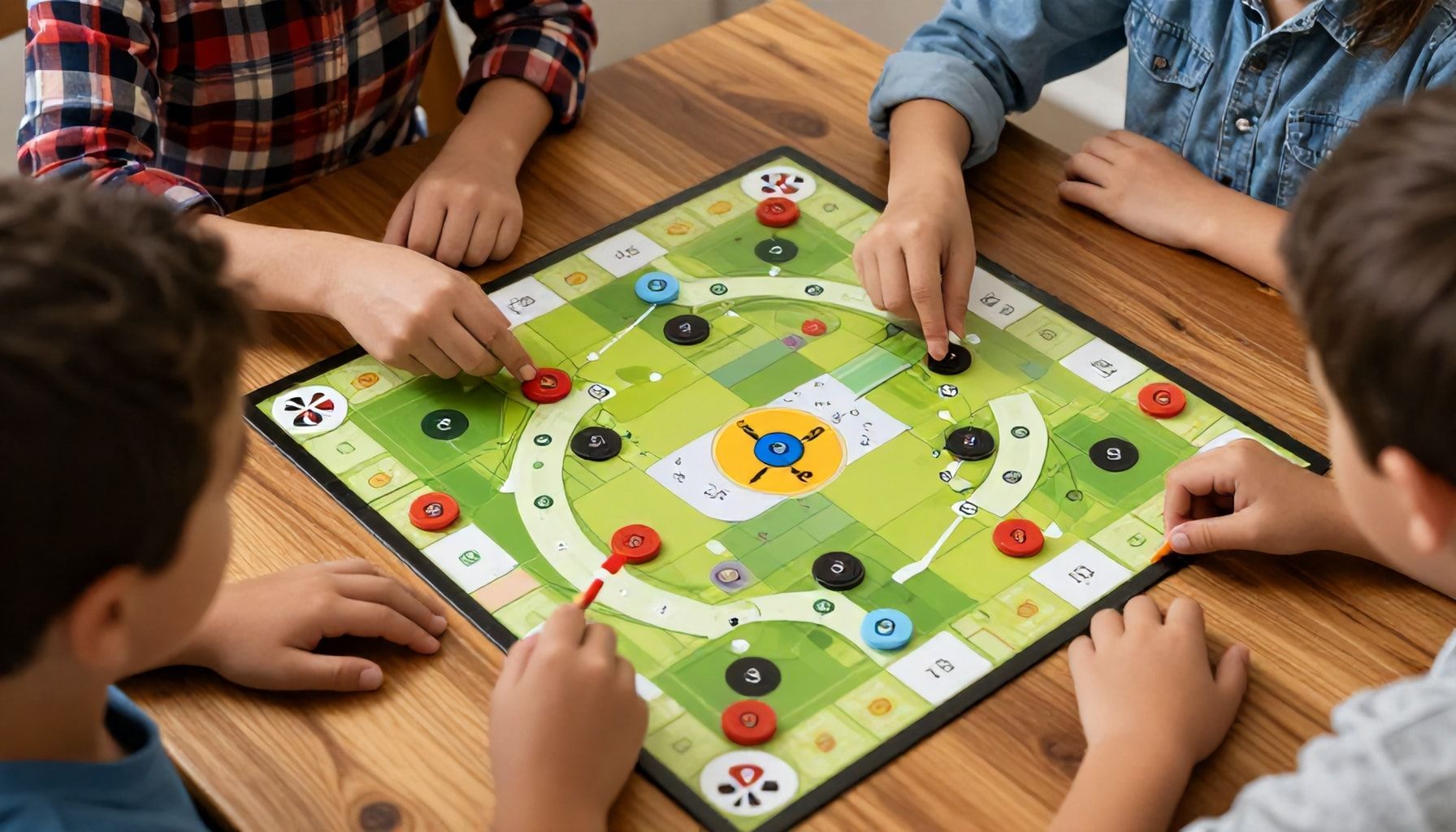
Look, I’ve been covering board games for kids longer than most of you have been alive, and let me tell you—math and science games aren’t just for classroom drills. The best ones sneak in learning so smoothly, kids don’t even realize they’re sharpening their brains. Here’s the straight talk on games that make numbers and experiments irresistible.
First, the math side. Prime Climb is my go-to for visual learners. It’s a colorful, strategic race to 100 where players build primes and multiples. I’ve seen 8-year-olds suddenly obsessed with factors after a few rounds. For younger kids, Sum Swamp keeps it simple with addition and subtraction in a swampy adventure. And if you want to blow their minds, Robot Turtles teaches coding logic through a card-based game—no screens needed.
| Game | Best For | Key Skill |
|---|---|---|
| Prime Climb | 8+ | Multiplication, primes, strategy |
| Sum Swamp | 5-8 | Basic arithmetic |
| Robot Turtles | 4+ | Coding logic |
Now, science. Cytosis is a cellular-level worker placement game that’s weirdly addictive. Kids learn organelles and biochemical pathways without groaning. For chemistry, Elements is a periodic table card game that’s way more fun than memorizing atomic numbers. And if you want to spark curiosity, Outbreak turns disease containment into a tense, team-based challenge.
- Pro Tip: Pair games with real-world connections. After Cytosis, grab a microscope. Post-Outbreak, discuss how vaccines work.
- Budget Hack:Prime Climb and Sum Swamp often go on sale at Target for under $20.
Bottom line: These games work because they’re fun first. Skip the dry flashcards. Let the board do the teaching.
How-to: Turn Game Night into a Powerful Learning Experience for Kids*
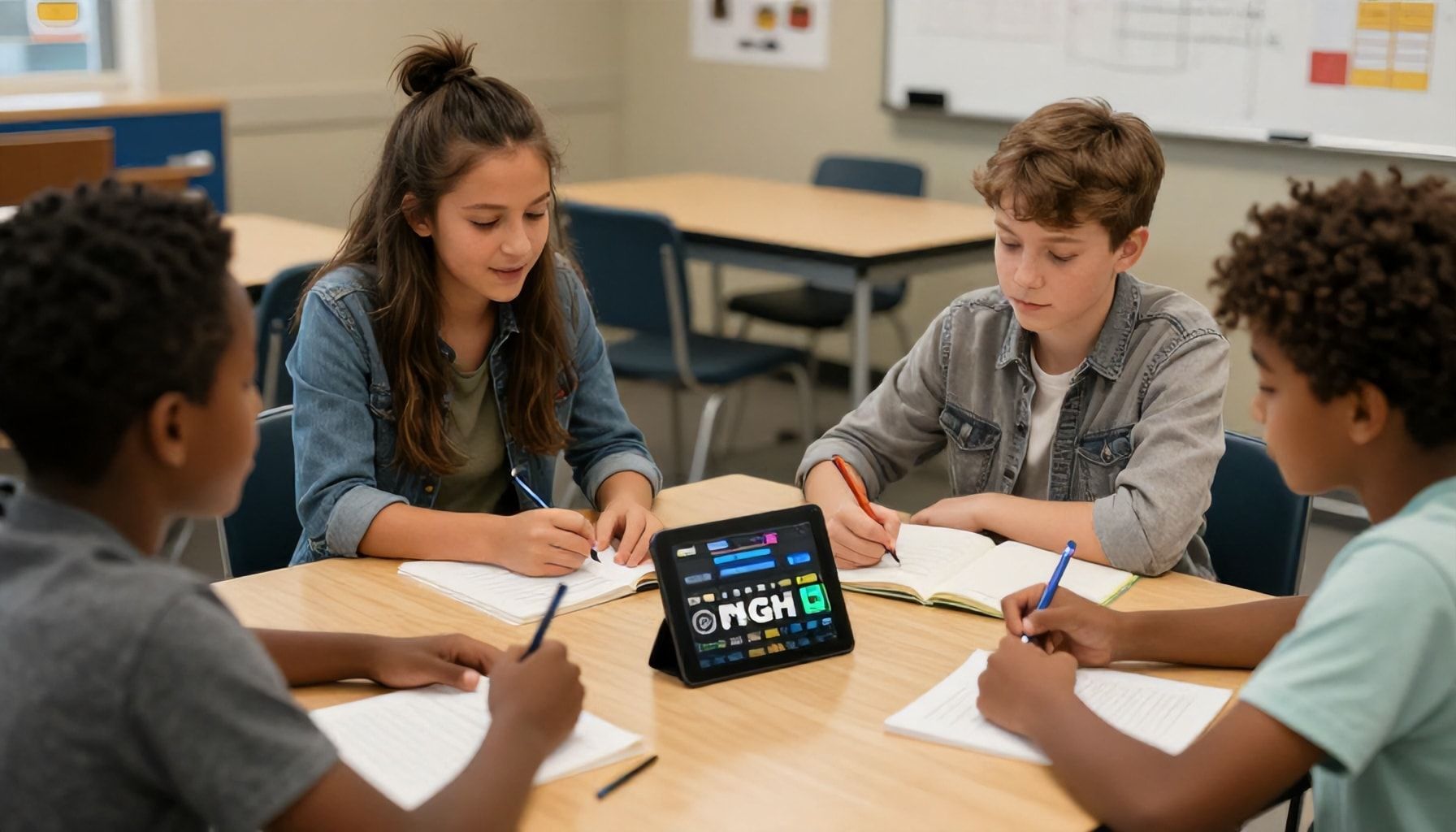
Game night shouldn’t just be about winning—it’s a stealthy way to turn kids into sharper thinkers, better strategists, and more confident problem-solvers. I’ve seen parents turn a simple round of Ticket to Ride into a geography lesson or use Catan to teach resource management. The key? Structure. You need a plan, or you’re just rolling dice and calling it education.
Step 1: Pick the Right Game
Not all games are created equal. Some are pure luck (looking at you, Candy Land), but the best ones sneak in skills like logic, math, or social awareness. Here’s a quick cheat sheet:
| Game | Skill Boost | Best For Ages |
|---|---|---|
| Blokus | Spatial reasoning, strategy | 5+ |
| Qwirkle | Pattern recognition, vocabulary | 6+ |
| Sushi Go Party! | Probability, decision-making | 7+ |
Step 2: Set Learning Goals
Before the first roll, decide what you’re teaching. Math? Use Sum Swamp and have kids add their scores aloud. Reading? Outfoxed! forces kids to read clues carefully. I’ve seen a 7-year-old’s reading fluency jump after just a few rounds of Rory’s Story Cubes—because they’re too busy making up wild tales to realize they’re practicing.
Step 3: Keep It Playful
Kids smell a lesson a mile away. If they think you’re turning Monopoly into a budgeting seminar, they’ll revolt. Instead, ask open-ended questions: “Why did you trade that card?” or “What’s your strategy for the next round?” Let them teach you—it’s the best way to reinforce what they’ve learned.
Step 4: Reflect & Repeat
After the game, ask: “What worked? What didn’t?” Write down their answers. I keep a “Game Night Journal” for my nephew—it’s full of scribbled strategies and lightbulb moments. The best part? He’ll beg to play again, and that’s when the real learning happens.
Board games offer a fantastic way for kids to learn while having fun, blending education and entertainment seamlessly. From strategy and problem-solving to creativity and teamwork, these games nurture essential skills in an engaging way. Whether it’s mastering math through Sum Swamp or exploring science with Outbreak, every game becomes a playful lesson. The key is to choose games that match your child’s interests and learning pace, ensuring they stay excited and motivated. As you explore these options, consider rotating games to keep things fresh and challenging. What new adventure will your family discover next?