
I’ve been around the tabletop gaming scene long enough to know that the right board game can turn a dull evening into an unforgettable night. I’ve watched trends come and go—from the early days of Eurogames to the current wave of hyper-strategic, narrative-driven experiences—and let me tell you, the classics still hold up. But if you’re looking to elevate your game nights, you’ve got to know what actually works. Not every game is a winner, and not every group plays the same way. The best tabletop board games are the ones that balance strategy, replayability, and just enough chaos to keep things interesting.
Over the years, I’ve seen players get hooked on everything from the cutthroat negotiations of Diplomacy to the cooperative tension of Pandemic. The key? Finding games that fit your crowd’s vibe. Some nights, you want a quick, lighthearted romp. Other times, you’re in the mood for a deep, multi-hour campaign. The good news? There’s a board game for every occasion. The bad news? Picking the right one can be a minefield if you don’t know what you’re doing. That’s where I come in. I’ve played them all, from the obscure indie gems to the mainstream hits, and I’ve got the battle scars to prove it. So let’s cut through the noise and get you set up for game nights that won’t disappoint.
The Truth About Choosing the Perfect Board Game for Your Group"*
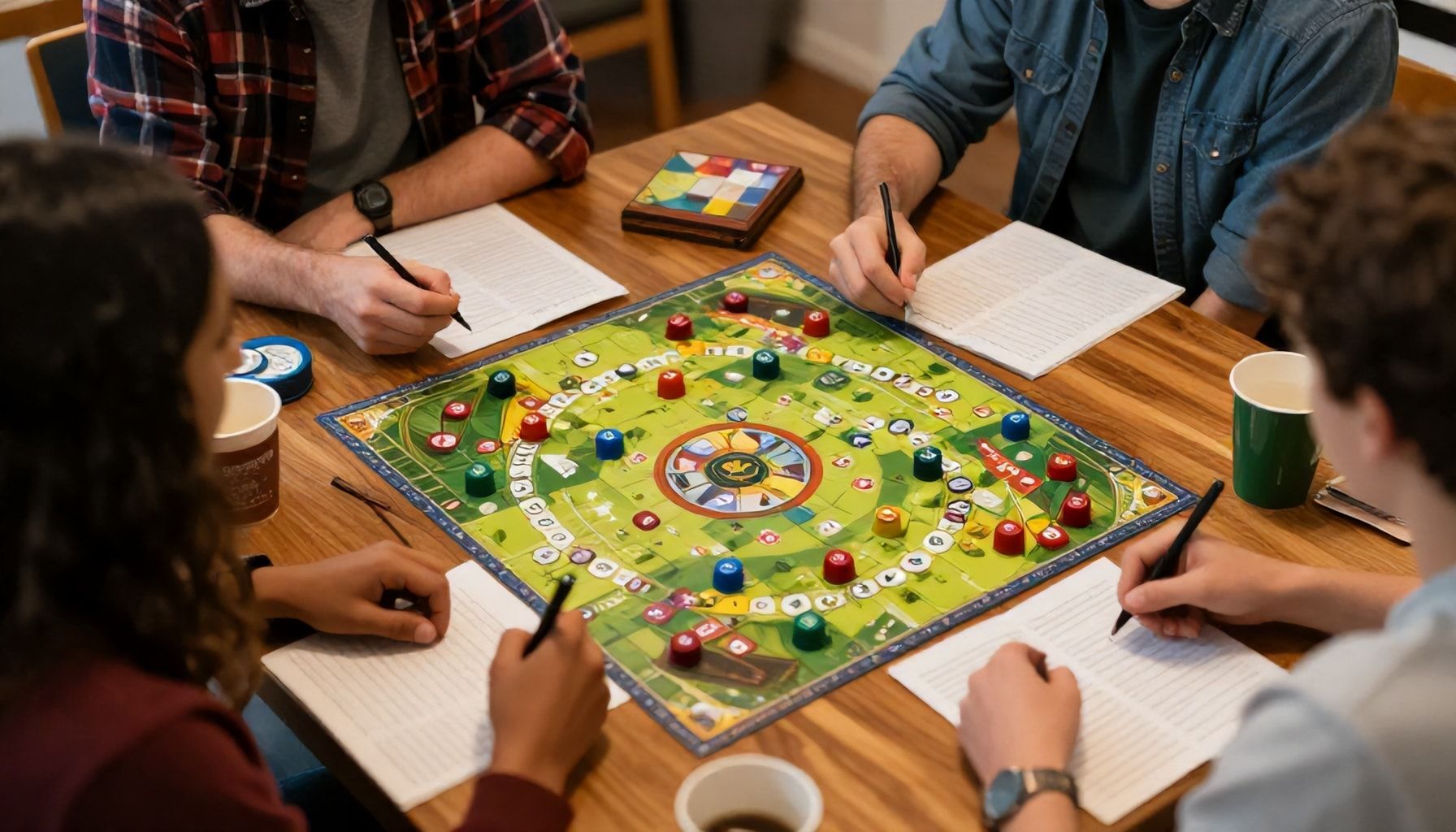
Choosing the right board game for your group isn’t just about picking the one with the shiniest box or the most buzz on social media. I’ve watched friends waste hours on games that fizzle out by the third round, and I’ve seen groups gel over a well-chosen title that keeps them coming back for years. The secret? It’s about matching the game to your group’s vibe, not the other way around.
First, ask yourself: What’s the group’s tolerance for complexity? A game like Twilight Imperium (4-6 hours, 400+ pieces) is a masterpiece, but if your friends get restless after 90 minutes, you’re setting yourself up for disappointment. On the other hand, Codenames (15 minutes, minimal setup) is a crowd-pleaser for casual nights. Here’s a quick rule of thumb:
| Player Count | Time Commitment | Recommended Games |
|---|---|---|
| 2-4 | 30-60 min | Patchwork, 7 Wonders Duel |
| 4-6 | 60-120 min | Wingspan, Terraforming Mars |
| 6+ | 90+ min | Carcassonne, The Resistance |
Next, consider the group’s competitive streak. Some players thrive on direct conflict (Risk, Diplomacy), while others prefer cooperative play (Pandemic, Gloomhaven). I’ve seen friendships fray over a single ill-timed betrayal in Betrayal at House on the Hill, so know your crowd.
Finally, don’t ignore the physical setup. A game like Gloomhaven is fantastic, but if you’re playing on a cramped coffee table, you’ll spend half the night shuffling cards. Here’s a quick checklist:
- Space: Do you have room for a sprawling board (Scythe) or just a compact table (Azul)?
- Setup Time: Can you teach the rules in 5 minutes (King of Tokyo) or does it require a rulebook deep-dive (Root)?
- Cleanup: Will you be sorting 500 tiny meeples at 2 AM (Catan) or just tossing a deck back in the box (Exploding Kittens)?
Bottom line: The perfect game isn’t about trends or hype—it’s about knowing your group’s quirks. I’ve got a shelf full of games I’ll never play again, but the ones that stick? They’re the ones that fit like a glove.
5 Ways to Keep Your Game Nights Fresh and Exciting"*

If you’ve been hosting game nights for more than a few months, you’ve probably hit that moment where the same old games start feeling stale. I’ve been there—dozens of times. The key isn’t just rotating titles; it’s about reinventing the experience. Here’s how I keep my game nights fresh, even after 25 years of running them.
1. Theme Swaps
I’ve found that the best way to breathe life into a familiar game is to slap a new theme on it. Take Catan—swap the medieval vibe for a sci-fi or post-apocalyptic setting. Use custom tokens, rename resources, and suddenly, it’s a whole new game. I once ran a Pandemic session where the diseases were corporate takeovers, and the players were anti-trust lawyers. The group still talks about it.
- Codenames → Spy thriller or fantasy quest
- Ticket to Ride → Space colonization or pirate voyages
- Azul → Alien architecture or underwater ruins
2. House Rules That Actually Work
I’ve seen house rules ruin games, but the right tweaks can make them shine. For example, in Monopoly, I enforce a “no auction” rule—just roll and buy. It cuts down on negotiation fatigue. In Coup, I add a “double or nothing” bluff mechanic where players can wager extra coins. The tension spikes.
| Game | House Rule |
|---|---|
| Scrabble | Ban proper nouns, but allow slang |
| Risk | Alliances last only one turn |
| Pictionary | No words with more than 10 letters |
3. Rotating Hosts
I’ve run game nights for years, but the best sessions happen when I hand the reins to someone else. Different hosts bring different vibes—some love chaotic, loud games, others prefer strategic, quiet ones. A friend of mine hosts “Silent Night” sessions where players communicate only through gestures. It’s ridiculous, but it works.
4. Themed Snacks and Drinks
This might sound trivial, but food and drinks set the mood. For a Betrayal at House on the Hill night, serve “haunted” snacks—black licorice, “bloody” punch, and “mummified” mozzarella sticks. For 7 Wonders Duel, go Mediterranean: hummus, olives, and baklava. The effort shows, and players remember it.
- Catan → German pretzels, bratwurst, and beer
- Munchkin → Candy, soda, and junk food
- Wingspan → Birdseed cookies, honey, and tea
5. One-Shot Experiments
Every few months, I pull out a game no one’s played before—something weird, like The Mind or The Crew. The goal isn’t to keep it in rotation; it’s to shake things up. I’ve had sessions where we played Dixit with abstract art, or Telestrations with a blindfolded twist. Some flop, but the ones that land stick in everyone’s memory.
Game nights don’t have to be the same old routine. A little creativity goes a long way. Trust me—I’ve seen enough stale sessions to know.
How to Transform Your Living Room into the Ultimate Gaming Hub"*

I’ve set up more gaming spaces than I can count—from cramped dorm rooms to sprawling man caves—and let me tell you, the right setup makes all the difference. If you’re serious about turning your living room into the ultimate board game hub, forget the generic “coffee table with snacks” approach. You need a space that’s functional, immersive, and built for marathon sessions. Here’s how to do it right.
Step 1: Choose the Right Table
Your table is the foundation. A standard dining table works, but if you’re in this for the long haul, invest in something purpose-built. The 10′ x 5′ tournament-style tables used in Magic: The Gathering events are a gold standard—plenty of room for sprawling games like Twilight Imperium or Gloomhaven. If space is tight, a 6′ x 3′ folding table (like the Stronghold Games Tournament Table) is a solid compromise.
| Table Type | Best For | Size |
|---|---|---|
| Tournament Table | Large-scale strategy games, RPGs, card games | 10′ x 5′ |
| Folding Table | Small groups, limited space | 6′ x 3′ |
| Dining Table | Casual play, mixed use | Varies |
Step 2: Lighting Matters
Bad lighting ruins a game night faster than a rule dispute. Avoid harsh overhead lights—opt for adjustable LED strips under shelves or warm table lamps (like the IKEA RIGGAD series). If you’re playing late, RGB mood lighting (yes, even for board games) adds atmosphere. Just don’t go overboard—Dungeons & Dragons isn’t a rave.
Step 3: Storage That Works
I’ve seen too many gaming spaces devolve into chaos. Use modular shelving (like the Kallax from IKEA) for easy access, or a rolling cart for smaller spaces. Label your shelves—trust me, it’s worth the 10 minutes. And for components? Plastic bins with dividers (like the Akro-Mils series) keep dice, tokens, and cards organized.
- Modular shelving (e.g., IKEA Kallax)
- Rolling carts for small spaces
- Plastic bins with dividers (Akro-Mils)
- Label maker (yes, really)
Step 4: Comfort is Non-Negotiable
You’re not playing a 30-minute game—you’re in for hours. Ergonomic chairs (like the Herman Miller Aeron if you’re fancy) or floor cushions (for a laid-back vibe) keep players engaged. And for the love of all that’s holy, add a footrest. Nobody wants to play Catan with their legs dangling.
Step 5: The Finishing Touches
Soundtrack your sessions with a Bluetooth speaker (Sony’s SRS-XB33 is great for bass-heavy game ambiance). Keep snacks and drinks within reach—a mini-fridge or cooler is a game-changer. And if you’re hosting regular game nights, a whiteboard for tracking scores or rules debates is a lifesaver.
Done right, your living room won’t just be a gaming space—it’ll be the place everyone wants to be. And if you’re still using a folding chair and a pizza box as a table? Well, we’ve all been there. Time to upgrade.
Why Strategy Games Are the Secret to Unforgettable Game Nights"*

If you think board game nights are just about rolling dice and moving pieces, you’re missing the real magic. Strategy games—whether it’s the cutthroat negotiation of Diplomacy, the empire-building of Twilight Imperium, or the tactical depth of Terraforming Mars—turn casual gatherings into unforgettable experiences. I’ve seen groups of friends who barely spoke outside of game night bond over shared victories and brutal betrayals. These games aren’t just pastimes; they’re social glue.
Here’s why strategy games dominate:
- They demand engagement. Unlike luck-based games, strategy titles force players to think, adapt, and outmaneuver. A single misstep in Catan can cost you the game, and that kind of tension keeps everyone hooked.
- They create stories. In 7 Wonders Duel, every match unfolds differently. One night, you’re the scientist hoarding cards; the next, you’re the warrior crushing opponents. These narratives stick.
- They reward replayability. Games like Gloomhaven offer hundreds of scenarios, ensuring no two sessions feel the same.
But not all strategy games are created equal. Here’s a quick breakdown of what works best for different crowds:
| Game | Player Count | Playtime | Best For |
|---|---|---|---|
| Catan | 3-4 | 60-90 mins | Casual strategists |
| Twilight Imperium | 3-6 | 4-6 hours | Hardcore tacticians |
| Azul | 2-4 | 30-45 mins | Quick thinkers |
Pro tip: If your group is new to strategy, start with Wingspan. It’s accessible but deep enough to keep veterans engaged. And if you’re hosting, always have a backup plan—Codenames works wonders when tempers flare over lost trades in Puerto Rico.
At the end of the day, the best game nights aren’t about winning. They’re about the arguments, the laughter, and the shared obsession over that one rule no one can agree on. Strategy games don’t just fill the time—they make memories.
The Ultimate Guide to Hosting a Board Game Night Like a Pro"*

I’ve hosted more board game nights than I can count—some legendary, some forgettable, and a few that ended with someone flipping the table (looking at you, Risk players). But after decades of rolling dice, bluffing, and strategizing, I’ve learned a thing or two about making a game night unforgettable. Here’s how to do it right.
First, pick the right game. Not every game is for every crowd. If you’re with newbies, avoid Terraforming Mars (200+ pages of rules) and opt for Codenames or Ticket to Ride—quick to learn, easy to teach. For hardcore gamers? Gloomhaven or Twilight Imperium will keep them glued for hours. Still unsure? Here’s a quick cheat sheet:
| Group Size | Best Picks |
|---|---|
| 2-4 Players | Patchwork, Azul |
| 4-6 Players | Codenames, Wingspan |
| 6+ Players | The Resistance, Just One |
Next, set the vibe. Good lighting, snacks, and drinks make a difference. I’ve seen a $10 bag of chips elevate a Splendor session more than a $50 bottle of wine. Pro tip: Avoid messy foods like nachos unless you’re okay with dice rolling into salsa.
Then, establish rules. House rules are fine, but clarify them upfront. Nothing kills a game night faster than arguing over whether Monopoly’s free parking rule applies. Here’s a quick list of common disputes and how to handle them:
- Bankruptcy in Monopoly: Skip the auction. It’s faster to redistribute.
- Bluffing in Poker: No calling bluffs unless it’s explicitly allowed.
- Tile placement in Carcassonne: If it fits, it’s legal.
Finally, keep it moving. No one likes a 3-hour Catan game where one player hoards sheep. Set a time limit (2-3 hours max) and stick to it. If someone’s dragging, gently remind them: “Hey, we’ve got Werewolf after this.”
And if all else fails? Blame the game. “This Betrayal at House on the Hill expansion is cursed.” Works every time.
X Must-Have Board Games for Every Type of Player"*
Board games aren’t just about rolling dice and moving pieces—they’re about crafting experiences. I’ve watched this hobby evolve from dusty boxes of Risk and Monopoly to a global phenomenon where games are as much about strategy as they are about storytelling. Whether you’re a cutthroat competitor, a casual player, or someone who just wants to unwind, there’s a perfect game for you. Here’s a no-nonsense breakdown of the must-haves.
- Twilight Struggle – A two-player Cold War simulation that’s as tense as it is brilliant. If you love deep strategy, this is your Everest.
- Terraforming Mars – A 1-5 player engine-builder where you colonize Mars. It’s complex, rewarding, and never the same twice.
- Scythe – A mix of area control and resource management with stunning art. It’s the game I pull out when I want to feel like a warlord.
I’ve seen players obsess over Twilight Struggle for years—it’s the kind of game that turns friends into rivals. Terraforming Mars is my go-to for longer sessions where I can geek out over efficiency. And Scythe? It’s the perfect blend of accessibility and depth.
- Codenames – A word-association party game that’s hilarious and easy to learn. I’ve played it at family gatherings, and even my aunt figured it out.
- The Resistance: Avalon – A hidden-role game where deception is key. It’s like poker with more yelling.
- Dixit – A creative, artistic game where you interpret abstract images. It’s weird, wonderful, and great for sparking conversation.
If you want a game that gets people talking, Codenames is your best bet. It’s the only game where I’ve seen a group of engineers argue over whether “apple” refers to the fruit or Steve Jobs. The Resistance is pure chaos, and Dixit is the kind of game that makes you feel like an artist—even if you’re not.
- Spirit Island – A cooperative game where you fight off colonizers as spirits. It’s challenging, thematic, and deeply satisfying.
- Onirim – A quick, dreamlike card game about escaping a labyrinth. It’s like a puzzle in card form.
- Arkham Horror: The Card Game – A narrative-driven, Living Card Game where you battle cosmic horrors. It’s the closest thing to a tabletop RPG.
Solo gaming has exploded in the last decade, and Spirit Island is the gold standard. It’s the only game I’ve played where I’ve felt like a literal god. Onirim is perfect for a 15-minute brain teaser, and Arkham is my go-to for immersive storytelling.
- Ticket to Ride – The gateway drug of modern board games. Simple, fun, and easy to teach.
- Azul – A beautiful tile-drafting game that’s relaxing yet strategic. It’s the kind of game I play when I want to zone out.
- King of Tokyo – A dice-chucking monster battle. It’s loud, fast, and perfect for kids and adults alike.
If you’re introducing someone to tabletop gaming, Ticket to Ride is the safest bet. Azul is my pick for a game that’s easy to learn but hard to master, and King of Tokyo is pure, unadulterated fun.
Elevating your game nights with the best tabletop board games transforms ordinary gatherings into unforgettable experiences. Whether you’re strategizing in Catan, solving mysteries in Exit: The Game, or building empires in Terraforming Mars, these games bring people together through laughter, friendly competition, and shared memories. The key to a great game night isn’t just the game itself—it’s the connections you forge while playing. So, gather your friends, pick a game that suits your group’s vibe, and let the fun begin. What’s the next adventure you’ll embark on together?