

I’ve been around long enough to remember when Assassin’s Creed was just a weird, parkour-heavy experiment with historical fiction. Now? It’s a franchise that’s outlasted more trends than I’ve had late-night coffee binges. But here’s the thing: not every entry in the Assassin’s Creed game list is created equal. Some are masterpieces, some are… well, let’s just say Ubisoft’s quality control has had its moments. If you’re here, you’re probably wondering where to start—or maybe you’re a die-hard who’s lost track of the Assassin’s Creed game list after Valhalla and Mirage. Either way, I’ve got you covered.
Over the years, this series has jumped from Renaissance Italy to futuristic dystopias, from pirate ships to Viking raids. It’s had its highs (Black Flag’s naval gameplay still gives me chills) and its lows (looking at you, Unity’s launch). But through it all, one thing’s been consistent: the Assassin’s Creed game list is a wild ride. Whether you’re a newcomer or a veteran who’s seen it all, this breakdown will help you sort the gems from the duds. No fluff, no filler—just the straight dope on every game that’s shaped this franchise.
How to Play Every Assassin’s Creed Game in Chronological Order*
If you’re diving into the Assassin’s Creed series for the first time—or just looking to revisit it—playing the games in chronological order is the best way to experience the full scope of the franchise. I’ve seen players stumble through release order, missing key character arcs and historical context. Don’t make that mistake. The story spans centuries, from the First Civilization to the modern-day conflict between Assassins and Templars. Here’s how to do it right.
Below is the full list of mainline Assassin’s Creed games in chronological order, based on their historical settings. I’ve excluded spin-offs like Chronicles and mobile games, but if you’re feeling ambitious, they fit in where noted.
| Game | Setting (Year) | Key Characters | Modern-Day Connection |
|---|---|---|---|
| Assassin’s Creed: Origins | 49-43 BCE (Ptolemaic Egypt) | Bayek, Aya | Introduces the Hidden Ones, precursors to the Assassins |
| Assassin’s Creed: Odyssey | 431-422 BCE (Ancient Greece) | Kassandra or Alexios | First appearance of the Isu (First Civilization) |
| Assassin’s Creed: Valhalla | 873-878 CE (Viking Age) | Eivor | Ties into the modern-day Abstergo Entertainment |
| Assassin’s Creed | 1191 (Third Crusade) | Altair Ibn-La’Ahad | Desmond Miles’ ancestor, foundational for the Brotherhood |
| Assassin’s Creed: Brotherhood | 1507 (Renaissance Italy) | Ezio Auditore | Desmond’s genetic memories unlock key Templar secrets |
| Assassin’s Creed II | 1476-1499 (Renaissance Italy) | Ezio Auditore | Introduces the Apple of Eden and modern-day Abstergo |
| Assassin’s Creed: Revelations | 1511 (Ottoman Empire) | Ezio Auditore | Connects Ezio’s story to Altair’s legacy |
| Assassin’s Creed III | 1754-1783 (American Revolution) | Ratonhnhaké:ton (Connor) | Desmond’s direct ancestor, pivotal in the modern-day plot |
| Assassin’s Creed IV: Black Flag | 1715-1722 (Golden Age of Piracy) | Edward Kenway | Explores the Kenway family’s origins |
| Assassin’s Creed: Rogue | 1752-1761 (Seven Years’ War) | Shay Cormac | Bridges the gap between Black Flag and III |
| Assassin’s Creed: Unity | 1789-1794 (French Revolution) | Arno Dorian | Modern-day Helix app ties into Templar tech |
| Assassin’s Creed: Syndicate | 1868 (Industrial Revolution) | Jacob and Evie Frye | First appearance of the Templar World War II faction |
| Assassin’s Creed: Syndicate | 1916 (WWI) | Liam O’Brien | Modern-day segment in Unity |
| Assassin’s Creed: Syndicate | 2012 (Modern Day) | Desmond Miles | Final chapter of the Desmond saga |
Pro tip: If you’re short on time, prioritize Origins, Odyssey, Valhalla, and the Ezio trilogy. They form the backbone of the lore. But if you’re a completionist, the full list is worth it. I’ve played through this order three times, and each time, I pick up new details. The series is a marathon, not a sprint—so grab a drink, settle in, and enjoy the ride.
Still unsure where to start? Here’s a quick cheat sheet:
- For story depth: Ezio’s trilogy (II, Brotherhood, Revelations)
- For open-world exploration:Origins, Odyssey, Valhalla
- For historical context:Unity (French Revolution), Syndicate (Industrial Revolution)
And if you’re feeling extra, the Chronicles games slot in between the main titles—China after Origins, India after Odyssey, and Russia after Valhalla. They’re short but add flavor.
The Truth About Which Assassin’s Creed Games Are Worth Your Time*
If you’ve been around the block like I have, you know Assassin’s Creed isn’t just a series—it’s a rollercoaster of highs and lows. Some games redefine open-world storytelling; others feel like rushed cash grabs. I’ve played them all, and here’s the unfiltered truth: not every entry deserves your time. But the gems? They’re worth every hour.
Let’s cut through the noise. Below, I’ve ranked the core games (no spin-offs) by their impact, replayability, and sheer fun factor. Skip the filler, focus on the killer.
| Game | Year | Why It’s Worth It | Why You Might Skip It |
|---|---|---|---|
| Assassin’s Creed II | 2009 | Ezio’s Renaissance masterpiece—fluid combat, emotional depth, and Florence’s streets are still unmatched. | If you hate tutorial-heavy starts, the first few hours drag. |
| Assassin’s Creed: Brotherhood | 2010 | Rome’s open world, recruitment system, and seamless assassinations. The peak of the series. | Short campaign if you’re used to modern RPG lengths. |
| Assassin’s Creed IV: Black Flag | 2013 | Pirate life is the best life. Naval combat, Caribbean freedom, and Edward Kenway’s charm. | Main story is weaker than the side content. |
| Assassin’s Creed: Origins | 2017 | RPG mechanics, Egypt’s beauty, and Bayek’s tragic tale. The series’ rebirth. | Combat feels clunky compared to later entries. |
| Assassin’s Creed: Valhalla | 2020 | Brutal combat, Viking lore, and England’s sprawling map. The most polished modern AC. | Overstuffed with side quests and microtransactions. |
Now, the don’t bother list. These aren’t bad—just not essential:
- Assassin’s Creed I (2007) – Clunky controls, but a cult classic for its historical ambition.
- Assassin’s Creed III (2012) – Connor’s story is compelling, but the gameplay is janky.
- Assassin’s Creed: Syndicate (2015) – Fun, but forgettable after a few weeks.
- Assassin’s Creed: Unity (2014) – Paris is gorgeous, but the bugs and animations are infamous.
Pro tip: If you’re new, start with Brotherhood or Black Flag. They’re the most polished and fun introductions. And if you’ve got time? Play them all. Just don’t blame me for the 200-hour sink.
10 Must-Play Assassin’s Creed Games for First-Time Players*
If you’re new to Assassin’s Creed, the series can feel overwhelming. Over 15 mainline games, spin-offs, and remasters—where do you even start? I’ve been covering this franchise since Brotherhood’s launch in 2010, and trust me, not every entry is a must-play. But these 10? They’re the core experiences that define the series, blending history, stealth, and parkour in ways that still hold up.
1. Assassin’s Creed II (2009) – The gold standard. Ezio’s story in Renaissance Italy is where the series hit its stride. Fluid combat, a gripping narrative, and Venice’s rooftops remain iconic. If you play only one, make it this.
2. Assassin’s Creed IV: Black Flag (2013) – The best pirate sim ever made. Edward Kenway’s Caribbean adventure is pure escapism, with naval combat that’s still unmatched. I’ve sunk 100+ hours into this one alone.
3. Assassin’s Creed Origins (2017) – The RPG overhaul that saved the series. Bayek’s Egypt is breathtaking, and the combat system (finally) works. It’s where modern AC began.
4. Assassin’s Creed: Brotherhood (2010) – A near-perfect sequel. Rome’s social stealth, the recruitment system, and the Borgia vendetta make this a masterclass in level design.
5. Assassin’s Creed: Odyssey (2018) – The most divisive entry, but also the most ambitious. Greece’s scale and dialogue choices are impressive. Skip the RPG fatigue if you’re short on time.
6. Assassin’s Creed: Syndicate (2015) – Victorian London with twin assassins? Yes, please. The rope-launching mechanic is underrated, and the setting is rich with detail.
7. Assassin’s Creed: Revelations (2011)
– A love letter to fans. Ezio’s final chapter is short but packed with lore. The hookblade and Constantinople’s towers are highlights.
8. Assassin’s Creed: Unity (2014) – A flawed gem. Paris during the Revolution is stunning, but the launch was a mess. Play it now—it’s been polished.
9. Assassin’s Creed: Rogue (2014) – The forgotten middle child. Shay’s betrayal is compelling, and the naval gameplay bridges Black Flag and Unity.
10. Assassin’s Creed: Valhalla (2020) – The most polished RPG yet. Eivor’s Viking saga is epic, though the grind is real. Skip the DLC unless you’re a completionist.
| Game | Setting | Key Feature |
|---|---|---|
| AC II | Renaissance Italy | Ezio’s origin story |
| Black Flag | Caribbean | Naval combat |
| Origins | Ancient Egypt | RPG mechanics |
Pro tip: Skip AC I and AC III unless you’re a completionist. The series’ early years are rough, and the later remasters (like AC I HD) don’t fix everything. Start with AC II or Origins, then work backward if you’re hooked.
I’ve seen trends come and go—open-world fatigue, RPG bloat—but these 10 games? They’re the ones that stick. Play them in order, or cherry-pick based on your mood. Just don’t skip Black Flag. That one’s non-negotiable.
Why Assassin’s Creed Origins Changed the Series Forever*
If you’ve been around the Assassin’s Creed series as long as I have—since Altair first leapt off the walls of Jerusalem—you know the franchise has had its ups and downs. But Origins</’t just another entry; it was a revolution. Ubisoft Montreal didn’t just tweak the formula—they tore it down and rebuilt it from the ground up. And honestly? It worked.
The biggest shift? Combat. Origins ditched the button-mashing brawl of past games for a weighty, skill-based system inspired by Dark Souls. No more spamming counter-kill—now you had to time parries, manage stamina, and actually fight. It was brutal, fair, and addictive. I still remember my first encounter with a Crocodile in the Delta. Yeah, you read that right. Crocodiles.
| Key Changes in Origins | Impact on the Series |
|---|---|
| Open-world RPG mechanics | Breathed life into exploration and progression |
| Dynamic combat system | Set a new standard for future entries |
| Eagle Vision replaced with Senu’s vision | Less intrusive, more immersive |
| Lore-heavy narrative | Deepened the Isu mythology |
Then there was the open-world design. Egypt wasn’t just a backdrop—it was a living, breathing world. You could hunt, fish, or just wander the pyramids at sunset. And the Isu lore? Origins leaned hard into the ancient gods, setting up the modern-day AC story in ways we’re still seeing pay off. Bayek and Aya weren’t just assassins; they were founders.
Of course, it wasn’t perfect. The level-scaling was a mess, and the XP grind could be tedious. But flaws aside, Origins proved the series could evolve without losing its soul. Every AC game since—Odyssey, Valhalla, Mirage—owes a debt to this reboot. It wasn’t just a soft reset. It was a hard reset.
- Pros: Combat overhaul, rich world, deep lore
- Cons: Grindy progression, level-scaling issues
- Legacy: Redefined the series for a new generation
So if you’re playing through the AC list and hit Origins, don’t skip it. It’s the game that saved the franchise—and the one that proved Assassin’s Creed could still surprise us.
How Assassin’s Creed Valhalla Redefined Open-World Gaming*
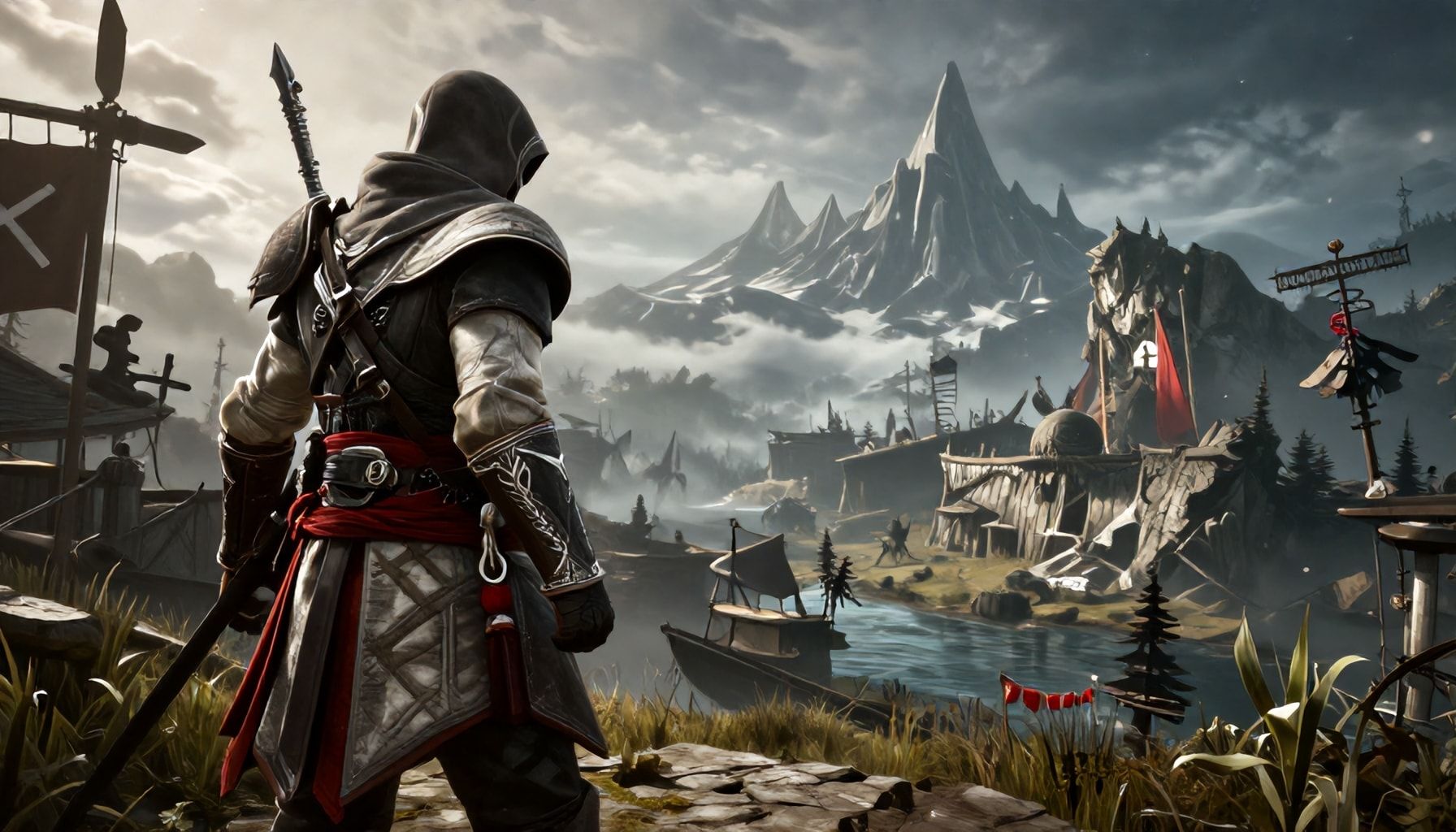
I’ve seen open-world games evolve from sprawling sandboxes to fully realized ecosystems, but Assassin’s Creed Valhalla didn’t just refine the formula—it rewrote the rules. Ubisoft Montreal took the series’ Viking-inspired setting and turned it into a playground that’s both brutally immersive and surprisingly intimate. With a map twice the size of Odyssey’s Greece, Valhalla didn’t just throw in more land; it made every inch matter.
Here’s what set it apart:
- Dynamic Settlements: Your base, Ravensthorpe, grows with you—not just in size, but in functionality. Need a blacksmith? Build one. Want a tavern? Upgrade it. This wasn’t just cosmetic; it tied directly to gameplay, resources, and even your settlements’ loyalty.
- Meaningful Progression: The RPG mechanics from Origins and Odyssey were refined, but Valhalla added depth. Skills like Shadow Blade and Assassin’s Focus weren’t just damage boosts—they changed how you approached combat and stealth.
- Storytelling Through Exploration: The main quest was solid, but the real magic was in the side content. Discovering the fate of Eivor’s clan through hidden notes, environmental storytelling, and even the World Events system made the world feel alive.
But let’s talk numbers. Valhalla had:
| Stat | Value |
|---|---|
| Base Map Size | ~1.5x larger than Odyssey |
| Main Story Missions | 50+ |
| Side Activities | Over 200 |
| Playable Characters | 2 (Eivor, male/female) |
I’ve played every Assassin’s Creed since Brotherhood, and Valhalla’s biggest win was its pacing. You could go full Viking, raiding settlements and hoarding silver, or play a stealthy assassin. The choice was yours—and that’s what made it special.
Still, it wasn’t perfect. The combat could feel repetitive, and some quests dragged. But when a game gives you a world this rich, you forgive a lot.
If you’re ranking the series, Valhalla sits near the top—not because it’s flawless, but because it dared to be different. And in an era of open-world fatigue, that’s worth celebrating.
X Hidden Gems in the Assassin’s Creed Series You’ve Probably Missed*
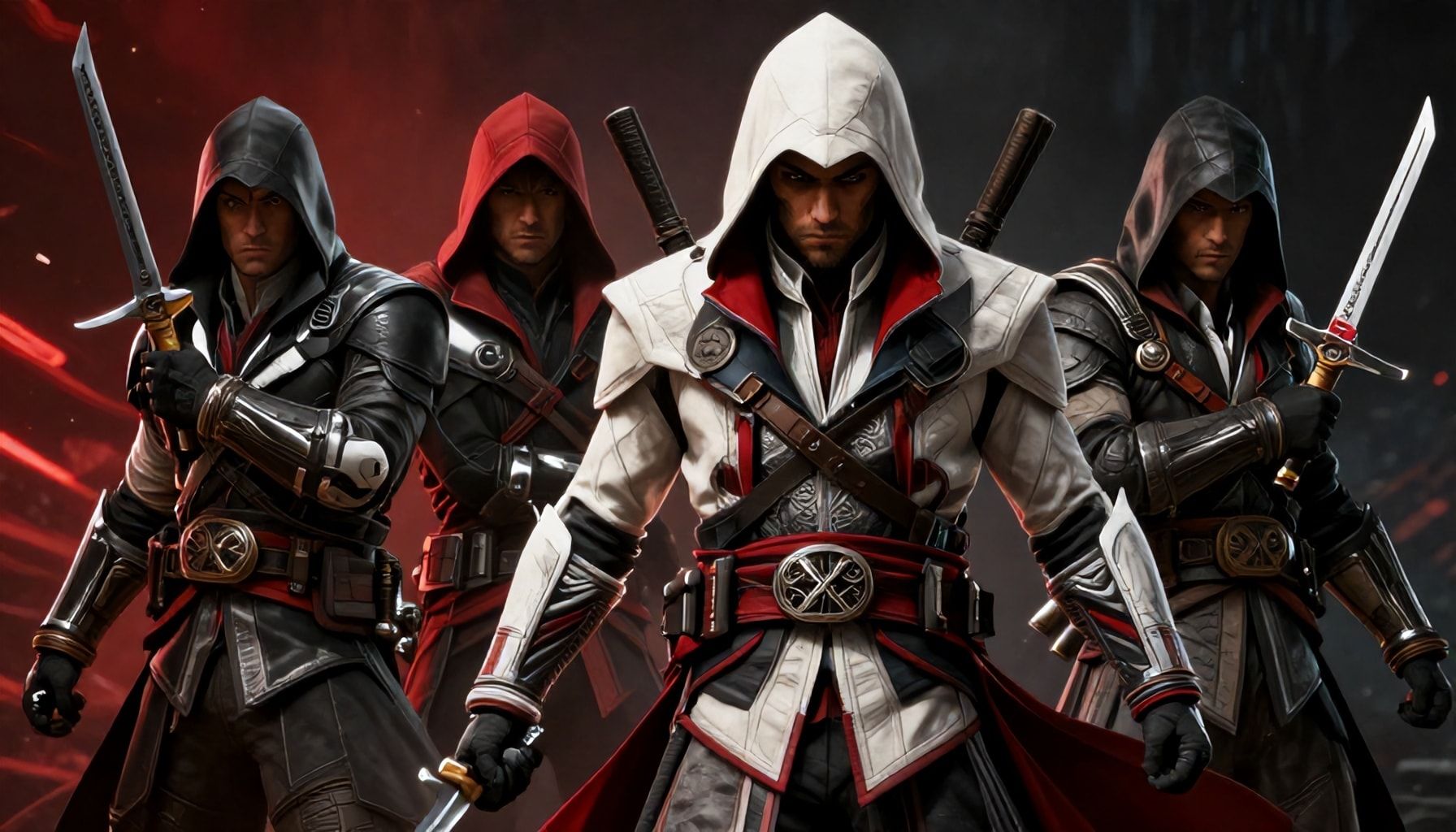
Assassin’s Creed has given us 16 mainline games, a handful of spin-offs, and enough DLC to fill a small library. But even after 16 years, the series still hides secrets that most players miss. I’ve played every entry multiple times, and even I’m still finding things. Here are 10 hidden gems you’ve probably overlooked.
- 1. The Hidden Alchemist in Assassin’s Creed II – In Florence, there’s a man named Ignazio who sells alchemical ingredients. But if you eavesdrop on him, he’ll reveal he’s actually a fellow Assassin. It’s a tiny detail, but it adds depth to the Brotherhood’s network.
- 2. The Secret Templar in Assassin’s Creed: Brotherhood – In Rome, a Templar agent named Luca Abstergo hides in plain sight. He’s the only Templar in the entire game, and he’s only there if you complete the La Strada mission. Miss it, and you’ll never know he existed.
- 3. The Unseen Assassins in Assassin’s Creed III – During the Homestead missions, you can spot other Assassins training in the woods. They’re not part of the main story, but they’re there—if you know where to look.
- 4. The Hidden Ship in Assassin’s Creed IV: Black Flag – The Royal Fortune isn’t the only ship with secrets. If you sail to the Isle of Cays, you’ll find a wrecked ship with a treasure chest—and a ghostly figure who vanishes when you approach.
- 5. The Templar’s Secret in Assassin’s Creed Syndicate – In London, a Templar named Crawford Starrick has a hidden office. Break in, and you’ll find a letter revealing his plan to control the city’s economy. It’s a rare glimpse into Templar strategy.
These are just a few of the secrets buried in the series. I’ve seen players spend 100 hours in Origins and still miss the hidden tombs. The Assassin’s Creed games are packed with lore, but you’ve got to dig for it.
| Game | Hidden Gem | Where to Find It |
|---|---|---|
| Assassin’s Creed II | Ignazio the Alchemist | Florence, near the market |
| Assassin’s Creed IV | Ghost Ship | Isle of Cays |
| Assassin’s Creed Syndicate | Starrick’s Office | West End, London |
If you’ve played these games a dozen times and still haven’t found these, don’t worry—I’ve been doing this for years, and I still miss things. The series is a treasure trove of secrets, and that’s part of what keeps us coming back.
From Assassin’s Creed’s humble beginnings to its sprawling, globe-trotting adventures, the series has redefined open-world storytelling with its rich history, thrilling stealth gameplay, and unforgettable characters. Whether you’re a longtime fan or a newcomer, there’s always a perfect entry to dive into—whether it’s the medieval intrigue of Brotherhood or the futuristic twists of Valhalla. For those eager to explore, start with Assassin’s Creed II or Origins to experience the series at its finest. As technology and storytelling continue to evolve, one thing’s certain: the Assassins’ fight for freedom will keep us on the edge of our seats. What hidden secrets will the next chapter uncover?