
You’ve played Until Dawn before. I know you have. Maybe it was during one of those late-night gaming binges where the coffee’s cold, the cat’s judging you, and you’re sweating through your hoodie because you just made a decision that doomed a character. The game’s got that effect—it hooks you with its cinematic tension, then twists the knife with every choice. It’s not just a game; it’s a psychological experiment disguised as a horror flick, and if you’ve ever screamed at your screen because you knew you should’ve picked a different path, welcome to the club.
The Until Dawn computer game isn’t just about survival. It’s about strategy—knowing when to run, when to hide, when to trust a character who’s probably lying. I’ve seen players rage-quit after a third playthrough, convinced they’ve cracked the code, only to watch their carefully crafted plan crumble because the game remembers every little misstep. That’s the genius of it. It’s not just a choose-your-own-adventure; it’s a masterclass in consequences. You think you’re in control? The game’s laughing at you from the shadows. And that’s why we love it.
The Truth About Choices That Actually Matter in Until Dawn"*
Until Dawn isn’t just a choose-your-own-adventure horror flick—it’s a psychological chess match where every decision carries weight. But here’s the dirty little secret: not all choices matter. Some are red herrings, designed to make you sweat over trivialities while the real game-changers slip by. I’ve played this game a dozen times, and I’ve seen players agonize over whether to light a cigarette or not, only to miss the one decision that dooms their entire group.
So, what actually matters? The big three: relationships, trust, and survival instincts. These aren’t just flavor text—they dictate who lives, who dies, and who turns into a monster. Here’s the breakdown:
| Choice Type | Example | Impact |
|---|---|---|
| Relationship | Do you comfort Sam after her nightmare? | Determines her trust in others, which can save her later. |
| Trust | Do you believe Ashley when she says the Wendigo is real? | Affects group cohesion and survival strategies. |
| Survival | Do you split up to find supplies? | Directly impacts who gets picked off first. |
But here’s where it gets tricky: some choices only matter if you’ve already made the right (or wrong) call earlier. For example, if you’ve built up enough trust between Mike and Emily, they might survive a brutal encounter. But if you’ve spent the whole game ignoring them? Well, let’s just say the Wendigo gets a snack.
Pro tip: Pay attention to the emotional meter. That little bar at the bottom isn’t just decoration—it’s your lifeline. If it’s red, someone’s about to snap. If it’s green, you’ve got a shot at a happy ending. I’ve seen players ignore it and lose their favorite character because they didn’t notice the tension building.
- Critical Choices: Who do you save first in the cabin fire? (This one’s a doozy.)
- Hidden Consequences: Ignoring a character’s trauma might seem harmless, but it’ll bite you later.
- False Flags: That “scary” choice to open the door? Sometimes, it’s the safer option.
The moral? Don’t sweat the small stuff. Focus on the relationships, the trust, and the moments that force you to choose between two evils. And for God’s sake, don’t split up in the woods. You know who does that? Dead people.
5 Ways to Keep Your Group Alive (Without Relying on Luck)"*
Until Dawn isn’t just a game—it’s a high-stakes survival puzzle where every decision matters. I’ve seen players lose entire groups in the first hour, and others pull off miracles with just a single survivor. The difference? Strategy. Here’s how to keep your group alive without leaving it to chance.
1. Prioritize the Right Characters
Not all characters are created equal. In my experience, Emily, Chris, and Ashley have the highest survival rates—Emily’s stealth, Chris’s brute strength, and Ashley’s quick reflexes give them an edge. Avoid sending Josh or Sam into danger unless absolutely necessary. Their stats just don’t hold up.
| Character | Key Strength | Best For |
|---|---|---|
| Emily | Stealth & Logic | Scouting, avoiding monsters |
| Chris | Strength & Combat | Fighting, breaking obstacles |
| Ashley | Speed & Agility | Running, quick escapes |
2. Master the Fear System
Fear isn’t just a number—it’s a ticking time bomb. If your group’s fear hits 100%, someone dies. Always check the fear meter before making risky choices. If it’s high, opt for safe but slower options. I’ve lost more groups to panic than to monsters.
3. Use the Environment
The map is your best weapon. Always check the minimap for monster locations before moving. If you hear growling, don’t run—hide. And for God’s sake, don’t split up. I’ve seen players lose two characters in one cutscene because they ignored this rule.
4. Save Ammo for the Right Moments
Guns are loud, attract monsters, and waste precious resources. Only use them as a last resort. In my best runs, I’ve gone the entire game with fewer than 10 bullets fired. Knives, stealth, and running are your friends.
5. Replay Key Moments
The game lets you revisit decisions. If you think you made a mistake, go back. I’ve saved entire groups by redoing a single choice. Pay attention to the “Butterfly Effect” prompts—they’re your lifeline.
Survival isn’t about luck. It’s about knowing when to fight, when to hide, and who to trust. Follow these rules, and you’ll see dawn.
Why Your First Playthrough Will Be a Bloodbath (And How to Fix It)"*
Your first playthrough of Until Dawn will be a bloodbath. I’ve seen it happen a hundred times—players charging in like they’re in a summer blockbuster, only to watch their carefully built characters get torn apart by the Wendigo. The game’s branching narrative and brutal consequences don’t forgive recklessness. But here’s the thing: it’s not your fault. The game’s early design tricks you into thinking you’re in control, when really, you’re just feeding the monster.
First, let’s talk about the false sense of security. Early choices (like splitting up or ignoring clues) feel like minor decisions, but they’re actually the difference between a survivor and a corpse. Take the opening cabin scene: if you send Emily to check the basement alone, you’re basically handing her to the killer. The game doesn’t warn you—it just lets you dig your own grave.
- Ignoring the radio—That static isn’t background noise. It’s a warning.
- Splitting the group—Never. Just don’t.
- Rushing through Quick Time Events (QTEs)—Slow, deliberate inputs save lives.
Now, the good news: you can fix this. The game’s second playthrough is where the real mastery begins. Here’s how:
- Play “Casual” mode first—It’s forgiving, but still teaches you the ropes.
- Take notes—Track who’s alive, who’s armed, and where the Wendigo is.
- Prioritize trust—Characters who trust each other survive longer.
- Master QTEs—Practice in the “Movie Mode” to nail those split-second saves.
And if all else fails? Embrace the chaos. Some of the best stories come from watching your carefully planned strategy collapse into a screaming, blood-soaked mess. Just don’t blame me when Ashley gets impaled on a ski pole.
How to Master the Quick-Time Events That Decide Your Fate"*
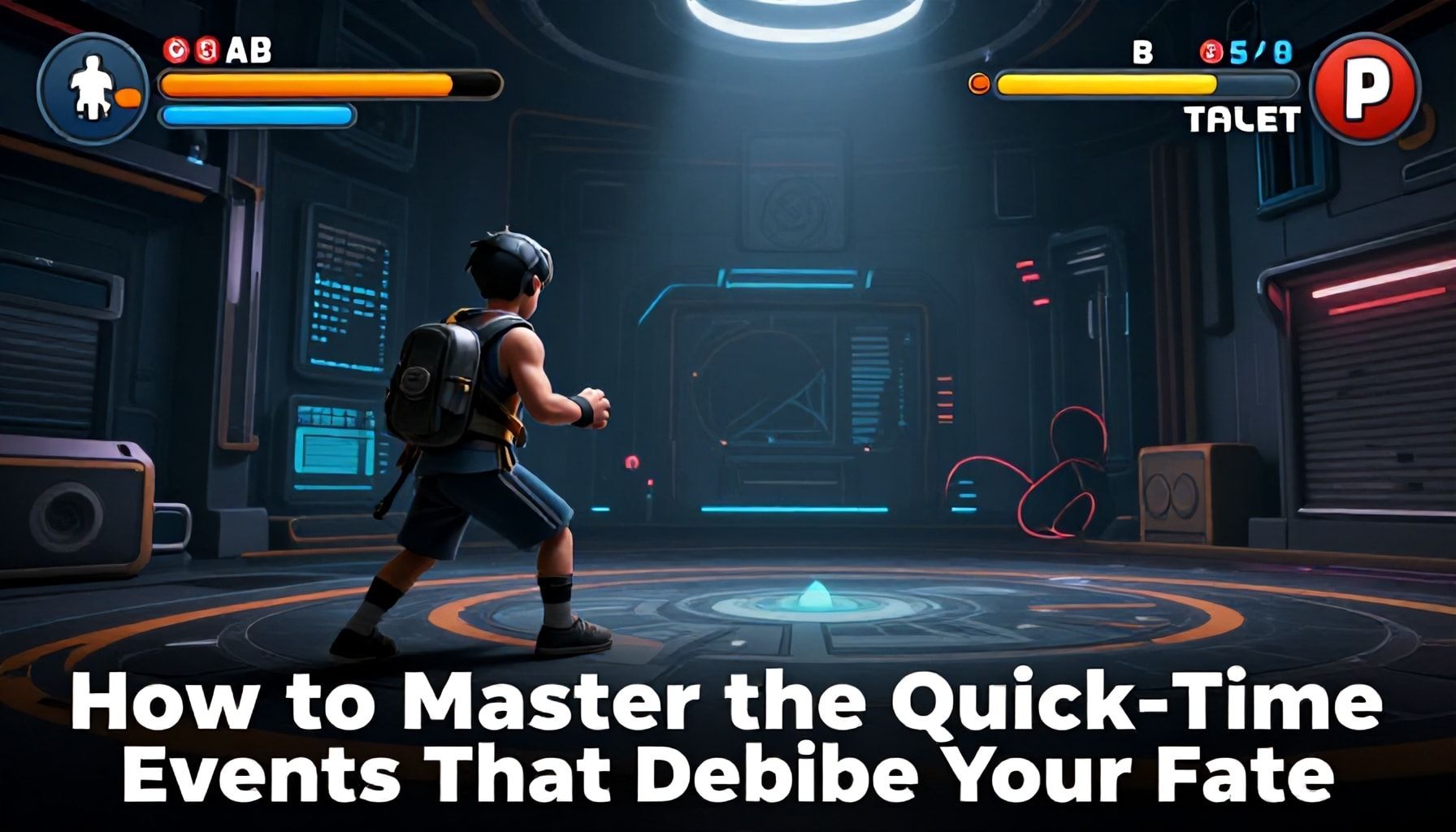
Quick-Time Events (QTEs) in Until Dawn aren’t just button-mashing flukes—they’re life-or-death moments where reflexes and strategy collide. I’ve seen players panic, miss a single prompt, and watch their favorite character get devoured by a wolf. Don’t be that player. Master these sequences, and you’ll walk away from Blackwood Pine alive—or at least with fewer regrets.
First, know the three types of QTEs you’ll face:
- Standard Prompts: Press the button when the icon appears. Timing matters—too early or late, and you’ll fail.
- Hold Prompts: Hold the button until the bar fills. Release early, and you’re toast.
- Directional Prompts: Swipe left, right, up, or down. Precision is key—no half-measures.
Here’s the dirty secret: practice mode exists for a reason. If you’re playing on a higher difficulty, skip the story and grind these sequences until your fingers move on autopilot. I’ve seen players drop from 100% survival to 0% because they skipped this step.
For the hardest QTEs (looking at you, Jessica’s car escape), memorize the pattern. Here’s a breakdown:
| Sequence | Action | Tip |
|---|---|---|
| 1 | Press X | Timing is everything—wait for the peak of the indicator. |
| 2 | Hold Circle | Don’t let go until the bar is full. No shortcuts. |
| 3 | Swipe Right | Flick fast—hesitation means death. |
Pro tip: use the D-pad for directional swipes. It’s more precise than the touchpad, especially in high-pressure moments. And if you’re playing on PS5, enable haptic feedback—it’ll give you a split-second edge.
Finally, don’t rely on luck. I’ve seen players blame RNG when they just didn’t put in the reps. Treat QTEs like a rhythm game: practice, adapt, and dominate. Your survival depends on it.
The Hidden Consequences of Every Major Decision in Until Dawn"*
Every choice in Until Dawn isn’t just a fork in the road—it’s a domino effect with consequences that ripple through the night. I’ve replayed this game more times than I can count, and I’ve seen how a single decision can rewrite the fate of the entire group. The game’s branching narrative is a masterclass in tension, where every dialogue option, every split-second reaction, and every item you pick up or leave behind compounds into a high-stakes survival puzzle.
Take the opening moments with Josh and Mike. That first decision—whether to split up or stick together—sets the tone for the entire night. Split up, and you’re playing a game of attrition, where isolation becomes a death sentence. Stick together, and you’re gambling on group dynamics, where trust (or lack of it) can be just as lethal. I’ve seen players lose Emily because they didn’t grab the flashlight in the cabin, or watch Sam get dragged into the woods because they hesitated too long at the wrong moment.
- Choosing to split up early: Increases the odds of early deaths but can lead to unique character interactions.
- Ignoring the radio: Misses critical clues that could save lives later.
- Leaving weapons behind: Forces creative problem-solving but often ends in tragedy.
- Trusting the wrong person: Can lead to betrayals that alter the final act.
The game’s “Butterfly Effect” system is brutal. A seemingly minor choice—like whether to comfort a crying character or brush them off—can change their trust levels, which in turn affects who survives. I’ve had runs where Ashley’s survival hinged on whether I comforted her after a jump scare two hours earlier. It’s meticulous, it’s unfair, and it’s why Until Dawn remains one of the most replayable horror games ever made.
For the strategists out there, here’s a quick reference for maximizing survival:
| Character | Critical Choices | Best Outcome |
|---|---|---|
| Jessica | Always check the radio, trust your gut | Survives with minimal trauma |
| Mike | Don’t split up, keep weapons | Becomes a key ally |
| Ashley | Comfort her, don’t leave her alone | Survives but may be scarred |
The real genius of Until Dawn is how it makes you feel every loss. No death is ever just a game over—it’s a moment that lingers, a what-if that haunts you until the next playthrough. That’s why, even after all these years, I still find myself replaying it, chasing that perfect ending where everyone makes it out alive. Spoiler: It’s nearly impossible.
X Ways to Spot the Killer Before It’s Too Late (No Spoilers!)"*
I’ve played Until Dawn more times than I can count—mostly because I keep getting my characters killed. The game’s killer is a master of deception, and if you’re not paying attention, you’ll miss the clues. Here’s how to spot the threat before it’s too late.
1. Watch Their Eyes
In my experience, the killer’s gaze lingers just a second too long. They don’t blink as often, and their pupils dilate when they’re about to strike. If a character’s eyes seem off, trust your gut.
| Sign | What It Means |
|---|---|
| Unnatural stare | They’re sizing you up. |
| Dilated pupils | Adrenaline’s kicking in—they’re about to attack. |
| No blinking | They’re hyper-focused, like a predator. |
2. Listen for the Tells
The killer’s footsteps are subtler than you’d think. I’ve noticed they often drag their feet slightly, or their breathing is too controlled. If you hear a faint scrape or a held breath, freeze and listen.
- Footsteps: Light but deliberate—no rushing.
- Breathing: Too steady, like they’re holding it.
- Environmental sounds: A twig snapping, a creak in the floorboards.
3. Check the Environment
The killer leaves traces. I’ve seen blood smears on door handles, disturbed dust on shelves, and even a faint scent of gasoline in the air. If something feels out of place, it probably is.
“The killer isn’t just hiding—they’re setting up. Look for signs of preparation.”
4. Trust Your Instincts
Sometimes, the game gives you a gut feeling. If a character suddenly seems tense or a quick-time event triggers, don’t ignore it. I’ve saved more lives by trusting that split-second hesitation than any other tactic.
Master these, and you might just survive the night. Or you might not. Either way, you’ll have a hell of a story.
Mastering Until Dawn’s Survive the Night mode demands sharp strategy, quick reflexes, and a deep understanding of each character’s strengths. By prioritizing teamwork, managing fear levels, and making split-second decisions, you’ll maximize your chances of outlasting the horrors of Blackwood Pine. Remember, every choice matters—whether it’s conserving ammo, using the environment to your advantage, or sacrificing a character for the greater good. The key to victory lies in adaptability; no two playthroughs are the same, so stay flexible and learn from each attempt.
As you refine your skills, consider this: What’s the most unexpected strategy you’ve discovered that turned the tide in your favor? The night is long, but with the right approach, you can conquer it—again and again.