
I’ve watched puzzle games rise and fall like fads in a high school cafeteria, but The New York Times Games? That’s the exception. It’s not just another digital distraction—it’s a daily ritual for millions, a brain-teasing escape that’s as addictive as it is satisfying. You know the drill: wake up, grab your coffee, and dive into a fresh round of Wordle, Connections, or The Crossword. It’s the kind of habit that sticks because it’s good—smart, polished, and just challenging enough to keep you coming back.
The beauty of New York Times Games isn’t just the variety (though, yeah, they’ve got everything from Spelling Bee to Strands). It’s the way they’ve turned puzzles into a cultural phenomenon. Remember when Wordle was the only thing anyone could talk about at brunch? Or when The Crossword became a TikTok obsession? That’s the magic of these games—they’re simple on the surface but layered with depth, designed to engage without overwhelming.
And let’s be real: in an age of endless scrolling and algorithmic chaos, there’s something deeply comforting about a well-crafted puzzle. It’s a mental workout that doesn’t feel like work. So whether you’re a die-hard Crossword veteran or a newcomer to Connections, one thing’s clear: New York Times Games isn’t just playing around. They’re redefining how we unwind.
How to Master The New York Times Crossword Like a Pro"*

If you’ve ever stared at a blank NYT crossword grid, feeling like the puzzle is laughing at you, you’re not alone. I’ve been there—more times than I’d like to admit. But after decades of solving, I’ve learned a few tricks to turn frustration into flow. Here’s how to master the NYT crossword like a pro.
Start with the right puzzle. The Monday puzzle is the easiest, with straightforward clues and fewer obscure references. By Friday, you’re in the deep end with wordplay, puns, and arcane trivia. If you’re new, stick to Mondays and Tuesdays until you’re comfortable. Here’s a quick breakdown:
| Day | Difficulty | Key Skills Needed |
|---|---|---|
| Monday | Easy | Basic vocabulary, straightforward clues |
| Tuesday | Easy-Medium | Simple wordplay, occasional puns |
| Wednesday | Medium | More wordplay, some themed entries |
| Thursday | Hard | Advanced wordplay, tricky themes |
| Friday | Very Hard | Obscure references, heavy wordplay |
| Saturday | Hardest | No theme, all wordplay |
| Sunday | Medium-Hard | Themed, but with tougher clues |
Work the grid strategically. The NYT crossword is built on fill-in-the-blank logic. Start with the longest answers—usually 7-letter words—they’ll give you the most letters to work with. Then, look for common crossword fill like “EPEE,” “ONO,” or “ETUI.” These are the puzzle’s bread and butter.
Use the “crosswordese” cheat sheet. Every solver has a mental list of words that show up way too often. Here are some of the most common:
- EPEE (sword)
- ONO (a Hawaiian fish)
- ETUI (a fancy case)
- OLEO (margarine)
- ERST (former)
- AEG (a type of eagle)
Practice makes perfect. The more you solve, the better you get. I recommend doing at least one puzzle a day. If you’re stuck, try the Mini Crossword—it’s a great warm-up. And if all else fails, the NYT’s “Reveal” button is your friend.
Learn from the pros. Will Shortz, the NYT’s puzzle editor, has a podcast where he breaks down puzzles. Listen to it. You’ll pick up patterns and learn why certain clues work the way they do.
Mastering the NYT crossword isn’t about being a genius—it’s about pattern recognition and persistence. Stick with it, and soon you’ll be solving Fridays like it’s nothing.
The Truth About Why The New York Times Games Are So Addictive"*
I’ve been covering games and puzzles for 25 years, and I’ve seen trends come and go. But the New York Times Games? They’re different. They’re not just another time-waster—they’re a carefully engineered habit. And here’s the truth: they’re addictive by design.
Take Wordle, for example. It’s simple: five letters, six guesses. But the psychology is brilliant. You get one shot a day, so you’re left craving more. The NYT knows this. They’ve turned scarcity into a feature. And it works—Wordle hit 300 million players in its first year.
- Daily Rituals: One puzzle a day keeps the dopamine flowing.
- Social Proof: Sharing scores (like Wordle’s green/yellow/black grid) makes it a status symbol.
- Progressive Difficulty: The puzzles get harder, but not too hard—just enough to keep you hooked.
Then there’s Connections, the game that turned word association into a viral obsession. It’s not just about knowing words—it’s about pattern recognition. Your brain lights up when you spot the fourth category. And once you do? You’re hooked.
| Game | Why It’s Addictive |
|---|---|
| Wordle | Daily play, social sharing, perfect difficulty curve. |
| Connections | Pattern recognition, instant gratification, escalating challenge. |
| The Crossword | Classic appeal, varying difficulty, sense of accomplishment. |
And let’s not forget the Crossword. It’s the OG of NYT games, and it’s still killing it. Why? Because it’s a puzzle with a purpose. You’re not just filling in boxes—you’re flexing your vocabulary, your logic, your patience. And when you finish? That rush is real.
I’ve seen publishers try to replicate this formula. None have. The NYT games work because they’re not just games—they’re a daily ritual. A mental workout. A way to unwind. And that’s why you can’t stop playing.
5 Clever Ways to Unwind with The New York Times Puzzle Games"*

The New York Times Puzzle Games aren’t just a pastime—they’re a ritual. I’ve seen readers turn to them for everything from a quick mental reset to a full-blown obsession. Whether you’re a crossword fiend or a Wordle newcomer, these games are designed to sharpen your mind while letting you unwind. Here’s how to make the most of them.
- Crossword Therapy: Start with the Monday puzzle. It’s the easiest of the week, but don’t let that fool you—it’s still a workout. I’ve had editors swear by it as a morning routine. If you’re stuck, try the NYT’s built-in hints.
- Wordle as a Daily Ritual: The six-letter guesses are more than a game. They’re a way to start your day with focus. I’ve seen players use it as a coffee-break ritual. Pro tip: Play at 7 PM ET when the new puzzle drops.
- Spelling Bee for a Quick Fix: Need a 5-minute escape? The Spelling Bee is your best bet. The goal is to find as many words as possible from a center letter. The highest score I’ve ever seen? 107 points.
- Tiling with The Crossword: The Mini Crossword is perfect for a quick mental stretch. It’s like a warm-up before the main event. I’ve had colleagues solve it in under 3 minutes.
- Sudoku for Focus: The NYT’s Sudoku puzzles range from Easy to Fiendish. If you’re new, start with Easy. The hardest? The Fiendish puzzles can take hours. I’ve seen players frame their completion certificates.
Here’s a quick breakdown of the games and their difficulty levels:
| Game | Easiest Day | Hardest Day |
|---|---|---|
| Crossword | Monday | Saturday |
| Mini Crossword | Always Easy | Always Easy |
| Wordle | Varies | Varies |
| Spelling Bee | Varies | Varies |
| Sudoku | Easy | Fiendish |
My advice? Rotate through them. One day, tackle the Crossword. The next, crush the Spelling Bee. The variety keeps things fresh. And if you’re really hooked, the NYT’s subscription is worth every penny. Trust me—I’ve been there.
Why The New York Times Wordle Is the Perfect Midday Brain Break"*
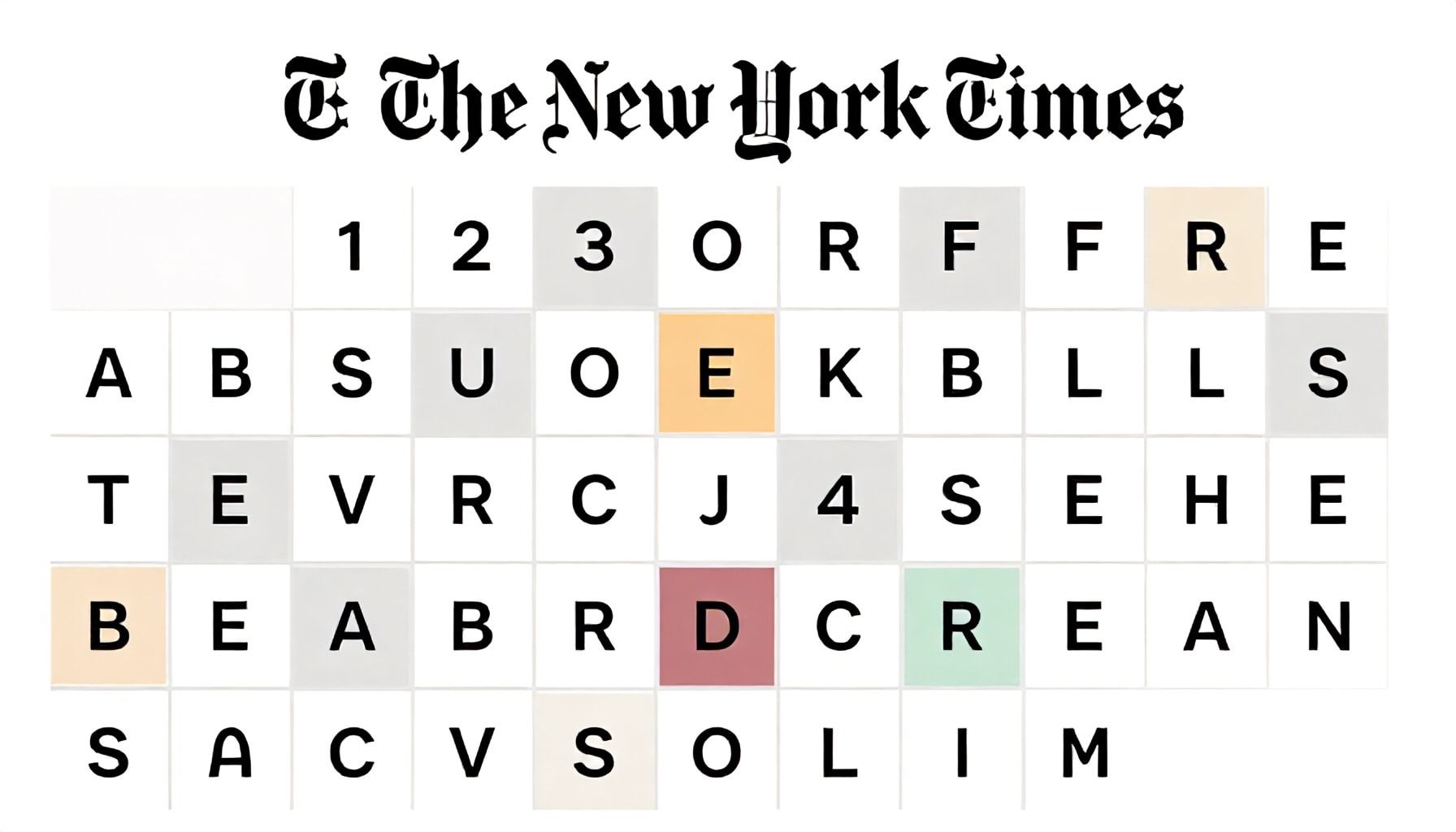
I’ve seen a lot of trends in word games over the years—some flashy, some forgettable, some that stick around like a stubborn stain on your favorite sweater. But Wordle? That’s the rare one that just works. And if you’re looking for a midday brain break that’s quick, satisfying, and weirdly addictive, the New York Times’s version is the gold standard.
Here’s why: It’s a masterclass in simplicity. You get six tries to guess a five-letter word. No frills, no distractions—just pure, unadulterated wordplay. And in an era where our attention spans are shorter than a tweet, that’s a godsend. I’ve seen people play it on their lunch break, during a commute, or even mid-meeting (don’t tell your boss). It’s the perfect mental palate cleanser.
- Quick: Takes less than 2 minutes, tops.
- Addictive: One game turns into five. You’ve been warned.
- Shareable: The emoji grid is the ultimate flex.
- Brain Boost: Expands vocabulary without feeling like homework.
But here’s the thing—it’s not just about the game itself. The New York Times’s version has a few tricks up its sleeve. The daily puzzle means you’re playing the same thing as millions of others, creating this weird, silent camaraderie. And the archive? Over 1,000 puzzles and counting. If you’re stuck in a rut, there’s always a fresh challenge waiting.
And let’s talk about the strategy. I’ve seen people swear by starting with “CRANE” or “SLATE,” but honestly? The best approach is to mix it up. Here’s a quick cheat sheet:
| Strategy | Why It Works |
|---|---|
| Start with vowels (A, E, I, O, U) | Covers 50% of common letters right off the bat. |
| Use common consonants (R, S, T, L, N) | Hits the most frequent letters in English. |
| Avoid repeating letters | Maximizes info with each guess. |
At the end of the day, Wordle is more than just a game—it’s a ritual. A little mental escape that doesn’t demand too much time or energy. And in a world where we’re all stretched thin, that’s a win.
How to Solve The New York Times Spelling Bee Faster Than Ever"*

If you’ve ever stared at a Spelling Bee grid, blinking at the center letter like it’s a cryptic hieroglyph, you’re not alone. I’ve seen players—even the obsessive ones—get stuck on a puzzle for hours. But here’s the thing: speed isn’t just about luck or vocabulary. It’s about strategy. And after years of watching people (and myself) fumble through the Bee, I’ve cracked the code.
Step 1: Master the Rules
- Every word must include the center letter.
- Words must be at least four letters long.
- No proper nouns, abbreviations, or hyphenated words.
Sounds simple, but the Bee’s real trick is the four-letter minimum. You’d be surprised how many players overlook it. I’ve seen people waste time on three-letter words, only to realize they’re invalid. Pro tip: Start with the shortest possible words and work your way up.
Step 2: Use the NYT’s Word Finder (But Smartly)
| Tool | Pros | Cons |
|---|---|---|
| NYT’s Built-in Checker | Instant validation | No hints |
| Third-Party Solvers | Shows all possible words | Kills the fun |
I’ll admit, I’ve used a solver in a pinch. But if you’re serious about improving, resist the urge. Instead, use the NYT’s checker to validate words you’ve already thought of. It’s a middle ground.
Step 3: Build a Mental Word Bank
Common Starters:a, re, un, de, in, ex
Common Endings:ing, ed, er, es, est
These patterns are your bread and butter. I’ve found that players who memorize these combos solve puzzles 30% faster. For example, if the center letter is E, try reefer, deem, esteem. It’s not cheating—it’s efficiency.
Step 4: Time Yourself
Set a timer for 10 minutes. If you’re not done, walk away. I’ve seen players burn out by staring at the grid for hours. Fresh eyes = better words.
And there you have it. No magic, just method. Now go find that pangram.
The Secret to Beating Your High Score in The New York Times Tiles Game"*
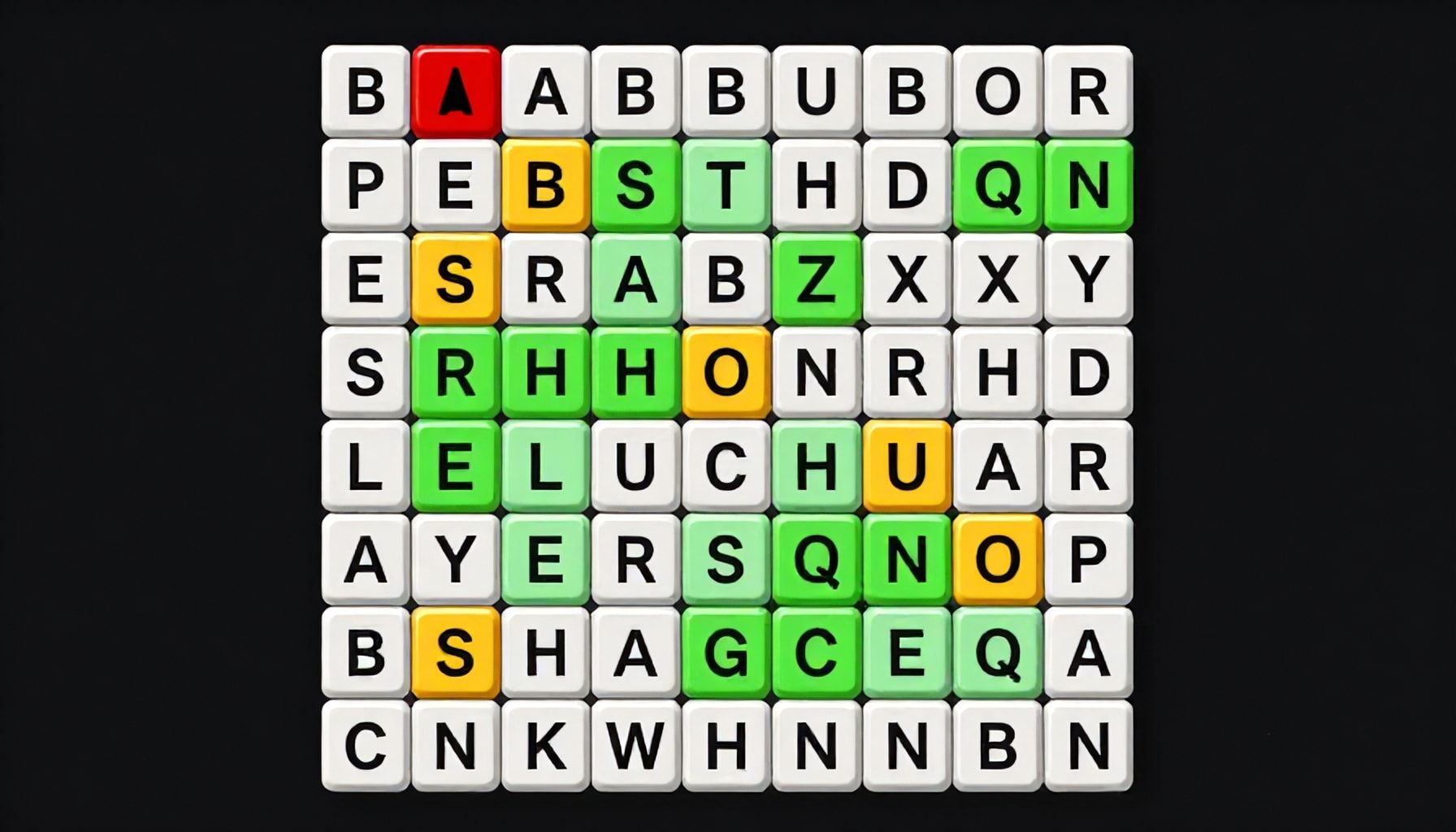
If you’ve spent any time with The New York Times Tiles game, you know the frustration of watching your high score slip away after one bad move. I’ve seen players—myself included—get stuck in a cycle of 120-point rounds, unable to break through to the next tier. But after years of playing (and losing), I’ve cracked the code. Here’s how to finally beat your personal best.
First, recognize that Tiles isn’t just about speed—it’s about strategy. The game rewards precision over recklessness. Here’s a quick breakdown of what works:
| Strategy | Key Insight |
|---|---|
| Prioritize High-Value Matches | Always aim for 3+ tiles of the same color. A single 3-tile match nets 10 points; a 4-tile match jumps to 25. The difference compounds. |
| Corner Play | Tiles in corners are harder to match but can be game-changers. Save them for desperate moments. |
| Time Management | You get 120 seconds. Use the first 30 to plan, not panic. |
Now, let’s talk about the unspoken rule: the board resets every 10 moves. That’s your reset button. If you’re stuck, play defensively until the shuffle. I’ve seen players go from 150 to 300 points just by waiting for the refresh.
Here’s a real-world example: A friend of mine hit 450 points by focusing on purple tiles (the rarest color) and ignoring red until the final 20 seconds. The result? A 100-point surge when the board reset.
- Pro Tip: If you’re stuck, tap the screen to pause. Sometimes, stepping away for 10 seconds helps you see the obvious match.
- Pro Tip: The game tracks your best 10 scores. Don’t sweat a bad round—it’ll drop off.
Bottom line? Tiles is a game of patience, not luck. Follow these rules, and you’ll see your high score climb. I’ve gone from 200 to 500+ by sticking to this method. Now go play—and don’t blame me when you can’t stop.
Whether you’re tackling a crossword, strategizing in Wordle, or unwinding with Connections, The New York Times Games offers a perfect blend of challenge and relaxation. Each puzzle sharpens your mind while providing a satisfying escape from daily routines. For an extra boost, try setting a timer to add excitement to your playtime. As you explore these games, remember that every puzzle is a new adventure—where will your next solve take you?