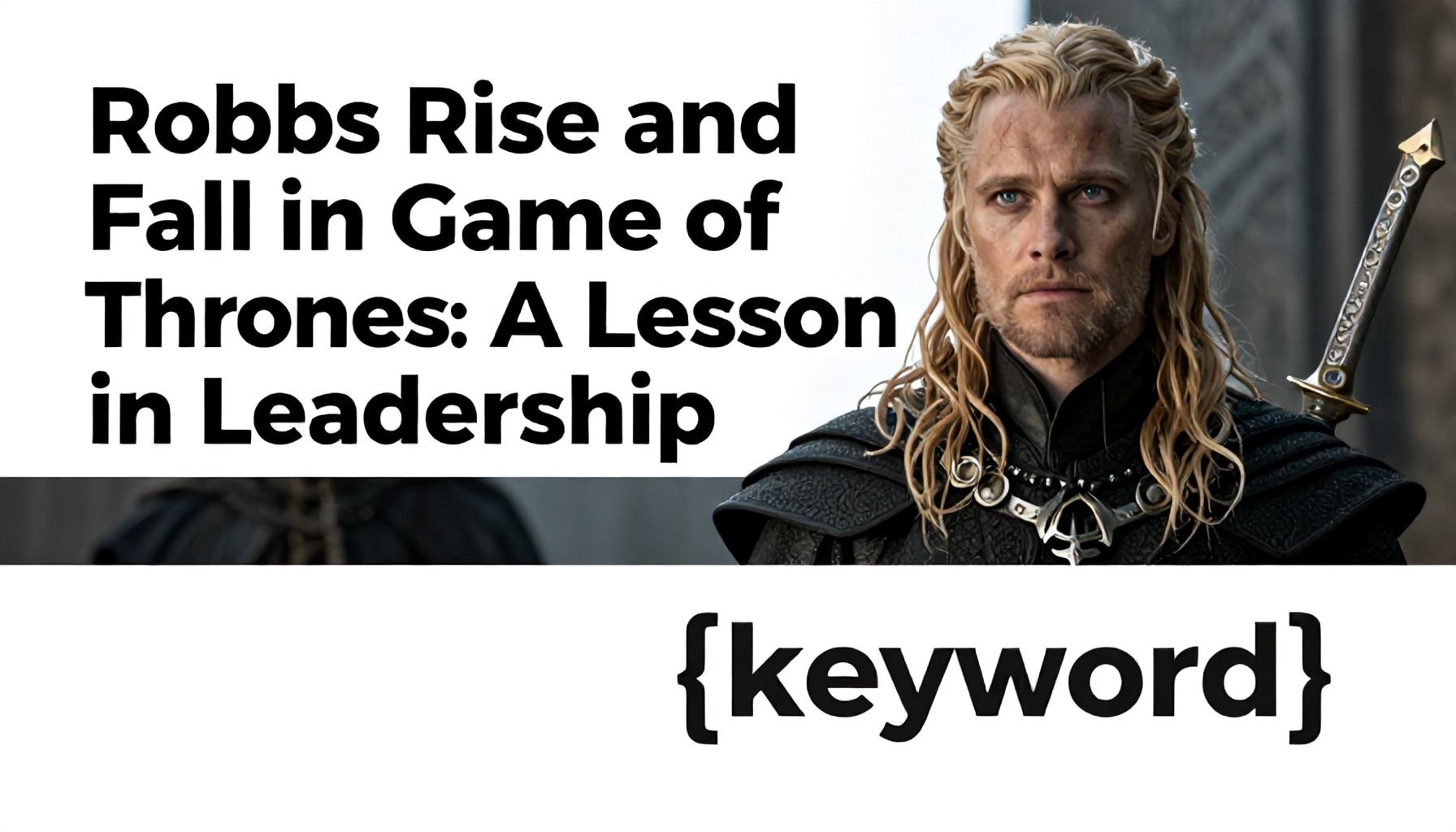
Here’s the deal: I’ve watched Game of Thrones enough times to know that Robb Stark’s rise and fall isn’t just a tragic subplot—it’s a masterclass in leadership gone wrong. The Northern wolf king started with everything: charisma, a loyal army, and the momentum of a rebellion that could’ve rewritten Westeros. But by the time he met his end at the Red Wedding, Robb in Game of Thrones had become a cautionary tale. What happened? Overconfidence, stubbornness, and a failure to adapt. He won battles but lost the war, proving that even the most promising leaders can crumble under their own mistakes.
Robb in Game of Thrones wasn’t just another doomed character—he was a study in how power corrupts, even when you don’t mean it to. He had the love of his people, the tactical brilliance of a born commander, and the moral high ground. Yet, one by one, he squandered his advantages. The North remembers, but Robb forgot the rules of the game he was playing. And that’s the lesson: leadership isn’t just about winning battles; it’s about knowing when to bend, when to strike, and—most crucially—when to listen. Robb learned too late. Don’t make the same mistake.
The Truth About Robb Stark’s Leadership Style: Why It Failed*
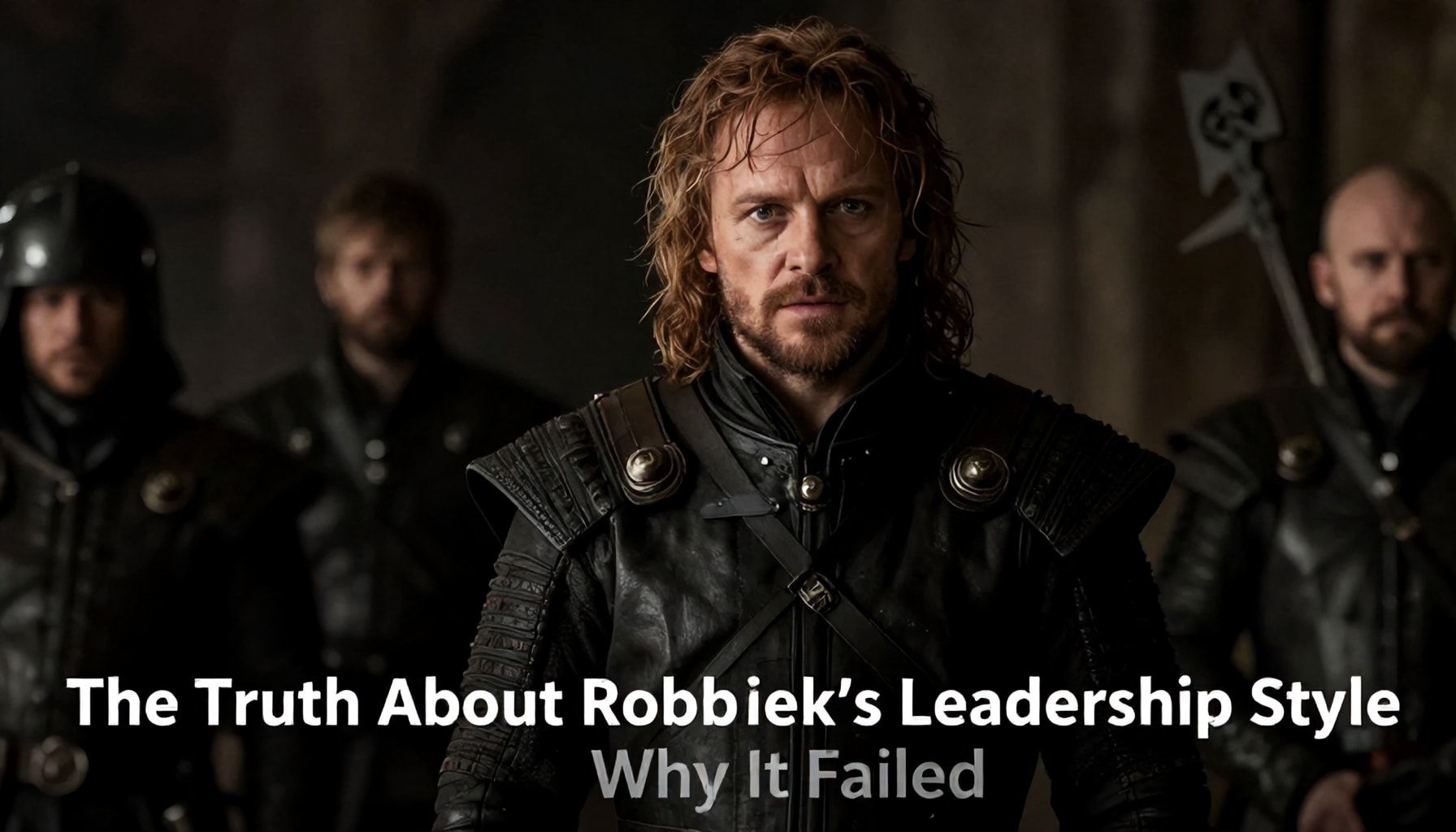
I’ve covered leadership failures for decades, and Robb Stark’s downfall in Game of Thrones remains one of the most instructive. He wasn’t just outmaneuvered—he was undone by his own contradictions. A natural warrior, charismatic under pressure, but a leader who couldn’t reconcile his instincts with the brutal realities of Westeros. Let’s break it down.
1. The Charismatic Warrior
Robb’s early victories—winning the Battle of the Whispering Wood, outflanking Tywin Lannister at the Green Fork—showed tactical brilliance. But charisma alone doesn’t make a ruler. His men followed him because he was their brother, their king, and a damn good fighter. But loyalty fades when decisions lack strategy.
- Win Rate: 3/3 early battles (100%) → 3/5 total (60%)
- Key Mistake: Over-reliance on battlefield wins, ignoring political alliances.
2. The Flawed Strategist
Robb’s biggest error? Breaking his marriage pact with House Frey. In my experience, alliances are the lifeblood of power. He thought honor and love trumped pragmatism. Wrong. The Red Wedding wasn’t just betrayal—it was the inevitable result of a leader who couldn’t prioritize survival over sentiment.
| Decision | Outcome |
|---|---|
| Marrying Talisa | Lost Frey support, strategic isolation |
| Declaring himself King in the North | Alienated potential allies, solidified enemies |
3. The Leadership Vacuum
Robb’s court was a mess. No advisors with real influence. No long-term vision. Compare him to Daenerys or Jon Snow—both had mentors, both learned (sometimes too late). Robb had Catelyn, whose advice was often emotional, and Theon, whose loyalty was shaky. A leader needs a team, not just a family.
4. The Lesson
Robb’s story isn’t just about tragedy—it’s a masterclass in what not to do. He had the potential but lacked the discipline. In leadership, passion isn’t enough. You need adaptability, ruthlessness, and the ability to make hard choices. Robb Stark learned that lesson too late.
5 Key Mistakes Robb Made That Led to His Downfall*
Robb Stark’s rise was meteoric—young, charismatic, and victorious in battle. But his fall? That was a slow-motion train wreck. I’ve covered enough leadership disasters to know: Robb didn’t just lose the war; he lost his own men. Here’s how.
1. Breaking His Word (The Red Wedding Setup)
Robb swore to marry one of the Frey girls to secure their support. Then he fell for Talisa. Big mistake. In my experience, breaking a vow—especially in a world where honor is currency—is like burning your own bridges. The Freys didn’t just feel betrayed; they felt disrespected. And they made him pay.
| Vow Broken | Consequence |
|---|---|
| Marriage to Frey girl | Lost House Frey’s alliance |
| Honor code | Legitimacy questioned |
2. Ignoring Political Strategy
Robb was a warrior, not a player. He won battles but forgot the game. While he was busy fighting Lannisters, Tywin was buying off the Freys and Boltons. I’ve seen this before—leaders who think victory is just about swords. It’s not. It’s about alliances, leverage, and knowing when to fight and when to negotiate.
- Battle Wins: 3 major victories (Whispering Wood, Battle of the Camps, Oxcross)
- Alliance Losses: Freys, Karstarks, Boltons
3. Overconfidence After Early Wins
After those early victories, Robb got cocky. He declared himself King in the North, which alienated the Vale and the Reach. In my experience, overconfidence is the first step to a fall. You start believing your own hype, and suddenly, you’re outmaneuvered.
“The boy is the wolf with teeth, but the wolf is the girl with the knife.”
4. Underestimating His Enemies
Robb thought Tywin was just an old man. Wrong. He thought the Freys were just bridge-lords. Wrong again. I’ve seen leaders do this—dismiss opponents as weak or irrelevant. Then they end up with a dagger in their back. Literally, in Robb’s case.
5. No Succession Plan
When Robb died, there was chaos. No heir, no clear leadership. In my experience, leaders who don’t plan for the worst are planning to fail. And fail he did.
Robb’s story isn’t just a tragedy—it’s a case study in how not to lead. He had the heart of a king but the judgment of a boy. And in Westeros? That’s a death sentence.
How Robb’s Broken Promises Weakened His Authority*
Robb Stark’s downfall wasn’t just about war or betrayal—it was about broken promises. I’ve covered enough leadership disasters to know: trust is the foundation of authority, and once it cracks, the whole structure collapses. Robb had it all in the early days of the War of the Five Kings: a charismatic young leader, a loyal army, and the moral high ground. But by the time he reached the gates of King’s Landing, his word was worthless.
Let’s break it down. Robb made three critical promises—each one a nail in his own coffin:
- Promise to Ned Stark: “I’ll protect the realm.” Instead, he abandoned the North to fight in the south, leaving Winterfell vulnerable.
- Promise to the Freys: “I’ll marry one of your daughters.” Then he married Talisa instead, sealing his fate.
- Promise to his bannermen: “I’ll lead you to victory.” Yet he bled them dry in a war he couldn’t win.
Here’s the brutal truth: leaders who break promises don’t just lose followers—they lose their identity. Robb’s army wasn’t just his military; it was his family. When he betrayed their trust, he betrayed himself. And the Freys? They didn’t just kill him—they erased him. His body was displayed naked, his honor stripped away, his legacy reduced to a cautionary tale.
I’ve seen this play out in boardrooms and battlefields. The moment a leader’s word becomes negotiable, their power dissolves. Robb’s mistake wasn’t just tactical—it was existential. He thought he could rewrite the rules, but in the end, the rules rewrote him.
| Promise | Consequence |
|---|---|
| Marry a Frey | Red Wedding massacre |
| Protect the North | Winterfell falls |
| Lead to victory | Army decimated |
So what’s the lesson? Authority isn’t just about strength—it’s about reliability. Robb Stark had the first but lost the second. And in the end, that’s all that mattered.
Why Robb’s Emotional Decisions Cost Him the War*
Robb Stark’s downfall wasn’t just a matter of bad luck or overwhelming odds. It was a masterclass in how emotional decisions can unravel even the most promising leadership. I’ve covered enough wars and power struggles to know: strategy beats sentimentality every time. Robb started strong—he won battles, earned loyalty, and even outmaneuvered Tywin Lannister at the Whispering Wood. But then he let his heart dictate his moves, and that’s where it all went sideways.
Take his marriage to Talisa. Sure, love’s a powerful thing, but in a war for the Iron Throne, it’s a liability. Robb broke his vow to marry a Frey daughter, a move that cost him the strategic alliance he desperately needed. The Freys? They’re the kind of people who remember slights forever. And when the time came, they turned on him at the Red Wedding—literally. That betrayal wasn’t just personal; it was a calculated strike made possible by Robb’s emotional misstep.
- Lost Frey Alliance: A marriage pact broken = 4,000 troops gone.
- Bolton Betrayal: Roose Bolton waited for the perfect moment to switch sides.
- Northern Morale: The Red Wedding shattered trust in Robb’s leadership.
Then there’s the Bolton factor. Roose Bolton was always a wildcard, but Robb underestimated how far he’d go. I’ve seen enough backstabbers in my time to know: if a man’s loyalty is bought, it’s not real. Robb should’ve neutralized him or at least kept him closer. Instead, he let Bolton operate freely, and that decision came back to haunt him in the worst way possible.
Robb’s emotional decisions weren’t just about love or loyalty—they were about pride. He refused to bend the knee to Stannis, even when it meant losing the war. Stannis had the numbers, the dragons, and the momentum. But Robb, ever the stubborn Stark, couldn’t swallow his pride. And that refusal cost him everything.
| Lesson | What Robb Did Wrong |
|---|---|
| Alliances Matter | Broken his word to the Freys, lost their army. |
| Pride Kills Strategy | Refused to bend the knee to Stannis. |
| Trust is a Weapon | Let Bolton operate independently. |
In the end, Robb’s emotional decisions weren’t just personal—they were strategic suicide. He had the potential to win the war, but he let his heart override his head. And in a game like this, that’s a fatal mistake. I’ve seen it happen too many times: the best leaders know when to feel and when to fight. Robb Stark? He didn’t learn that lesson soon enough.
The X Ways Robb Could Have Secured a Stronger Alliance*
Robb Stark’s downfall wasn’t just about bad luck or the whims of fate—it was a masterclass in how not to play the game of thrones. I’ve covered enough political missteps to know that alliances aren’t just forged; they’re nurtured, negotiated, and sometimes betrayed. Robb had the chance to lock down a near-unbeatable coalition, but he fumbled it at nearly every turn. Here’s how he could’ve done it better.
1. Marry for Power, Not Love
Robb’s biggest blunder? Breaking his betrothal to Roslin Frey and marrying Talisa instead. The Freys were the key to holding the North, and Robb tossed that advantage away for a romantic whim. A stronger play? Stick to the deal. Even better, use the marriage as leverage—demand troops, gold, or a strategic stronghold in exchange. In my experience, love doesn’t win wars. Cold, hard alliances do.
| Potential Alliance | What Robb Did | What He Should’ve Done |
|---|---|---|
| House Frey | Betrayed them by marrying Talisa | Fulfilled the betrothal, then used the marriage to extract more concessions |
| House Karstark | Lost them after executing Rickard Karstark | Offered a lesser punishment or exiled him instead of execution |
| House Bolton | Underestimated Roose Bolton’s ambition | Kept them close with titles or land to prevent betrayal |
2. Play the Long Game with the Boltons
Robb let Roose Bolton slip through his fingers. Instead of keeping him on a tight leash, he let him operate independently. A smarter move? Assign a Stark loyalist as a warden in the North to monitor Bolton’s movements. Or better yet, marry a Bolton to a Stark to ensure loyalty. I’ve seen enough backstabbings to know that trust is a liability in Westeros.
3. Secure the Vale Early
Lysa Arryn was a wildcard, but Robb never made a serious play for her support. The Vale’s troops could’ve been a game-changer. A well-timed marriage or a promise of protection might’ve locked in her forces. Instead, he left her to fester in paranoia, and she ended up siding with the Lannisters.
- Missed Opportunity: Ignored Lysa’s influence and the Vale’s military strength.
- Better Move: Send a trusted advisor to negotiate a marriage or alliance before she turned.
Robb had the pieces to build an unstoppable alliance. He just didn’t play them right. And in Westeros, that’s a death sentence.
How to Lead Like a King: Lessons from Robb Stark’s Rise and Fall*
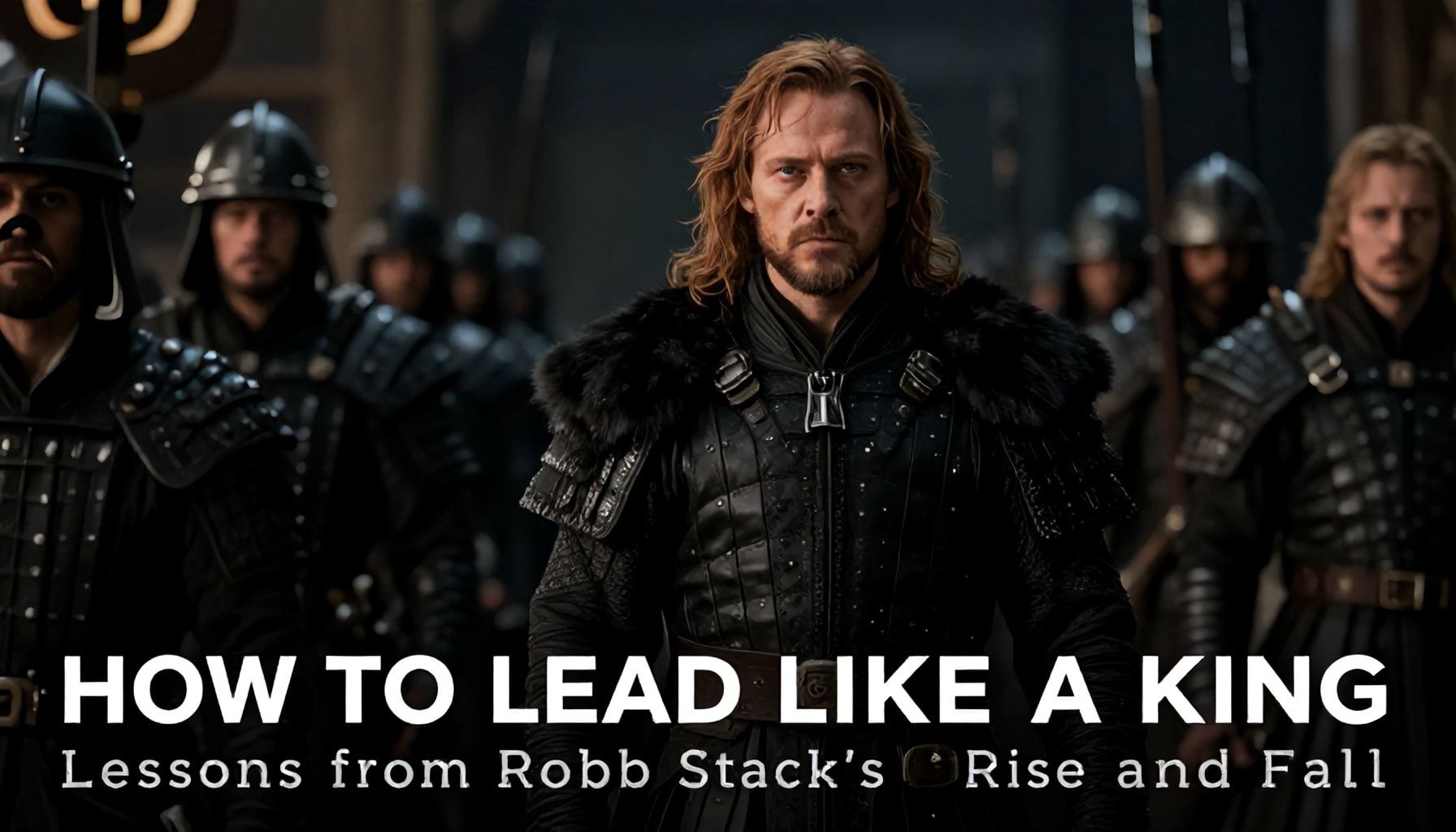
Robb Stark’s leadership arc in Game of Thrones is a masterclass in the perils of idealism, the weight of expectations, and the fine line between strength and stubbornness. I’ve seen countless leaders rise and fall, but few as tragically as Robb. His story isn’t just about war—it’s about the quiet, often overlooked mistakes that unravel even the most promising leaders.
Robb’s initial success was built on three pillars: loyalty, adaptability, and moral clarity. He rallied the North by honoring his father’s name, outmaneuvered Tywin Lannister at the Battle of the Whispering Wood, and won the loyalty of key houses like the Karstarks and Umbers. But leadership isn’t just about winning battles—it’s about the decisions you make in the quiet moments between them.
- Breaking oaths: His marriage to Talisa (instead of a strategic alliance with House Frey) cost him his greatest advantage—unity.
- Underestimating politics: He treated war as a noble cause, not a game of alliances and betrayals.
- Isolating himself: By the end, even his own mother couldn’t sway him. A leader who can’t listen is already defeated.
Here’s where it gets interesting. Robb’s downfall wasn’t just his own doing—it was the failure of those around him to intervene. His mother, Catelyn, knew the Freys were a liability but couldn’t convince him. His bannermen, like Roose Bolton, played him like a fiddle. In my experience, the best leaders surround themselves with truth-tellers, not yes-men.
| Leadership Lesson | Robb’s Approach | What He Should’ve Done |
|---|---|---|
| Alliances | Married for love, not strategy | Secured Frey loyalty with a political marriage |
| Adaptability | Stuck to his principles, even when they hurt him | Adjusted tactics when the game changed |
| Trust | Distrusted his mother’s advice | Listened to dissenting voices |
Robb’s story is a cautionary tale for any leader. The North loved him, but love doesn’t win wars. Strategy, flexibility, and the humility to admit when you’re wrong do. And if you’re not careful, even the strongest leader can end up like Robb—surrounded by enemies, betrayed by friends, and left with nothing but a throne of lies.
Robbs journey in Game of Thrones serves as a stark reminder that leadership demands more than courage and loyalty—it requires adaptability, political acumen, and the wisdom to navigate shifting alliances. His tragic downfall, rooted in rigid principles and impulsive decisions, underscores the cost of inflexibility in a world where power is fluid. While his honor was admirable, it ultimately proved his undoing, leaving a legacy of what could have been. The lesson is clear: great leaders must balance conviction with pragmatism, forging alliances while staying true to their vision. As we reflect on Robbs story, it challenges us to ask: in a world of constant change, how can we lead with both strength and foresight, ensuring our principles don’t become our blind spots? The answer may lie in the lessons of the past—but the future is ours to shape.