

Listen, I’ve been around the block enough times to know that car games—real ones, not the flash-in-the-pan mobile junk—are about more than just pressing buttons. You want to game the system? To game your car like a pro? Then you’ve got to think beyond the obvious. I’ve seen fads come and go, from the early days of arcade-style drifting to the current wave of hyper-tuned electric performance. But the core principles? Those never change. It’s about precision, timing, and knowing when to push—and when to back off. You won’t find any magic tricks here, just the kind of hard-earned wisdom that comes from years of burning rubber, both literally and figuratively. So if you’re ready to stop spinning your wheels and start actually winning, let’s talk about what works. No fluff, no nonsense—just the straight-up truth about how to game your car game.
How to Master Drifting Like a Pro in Your Car Game*
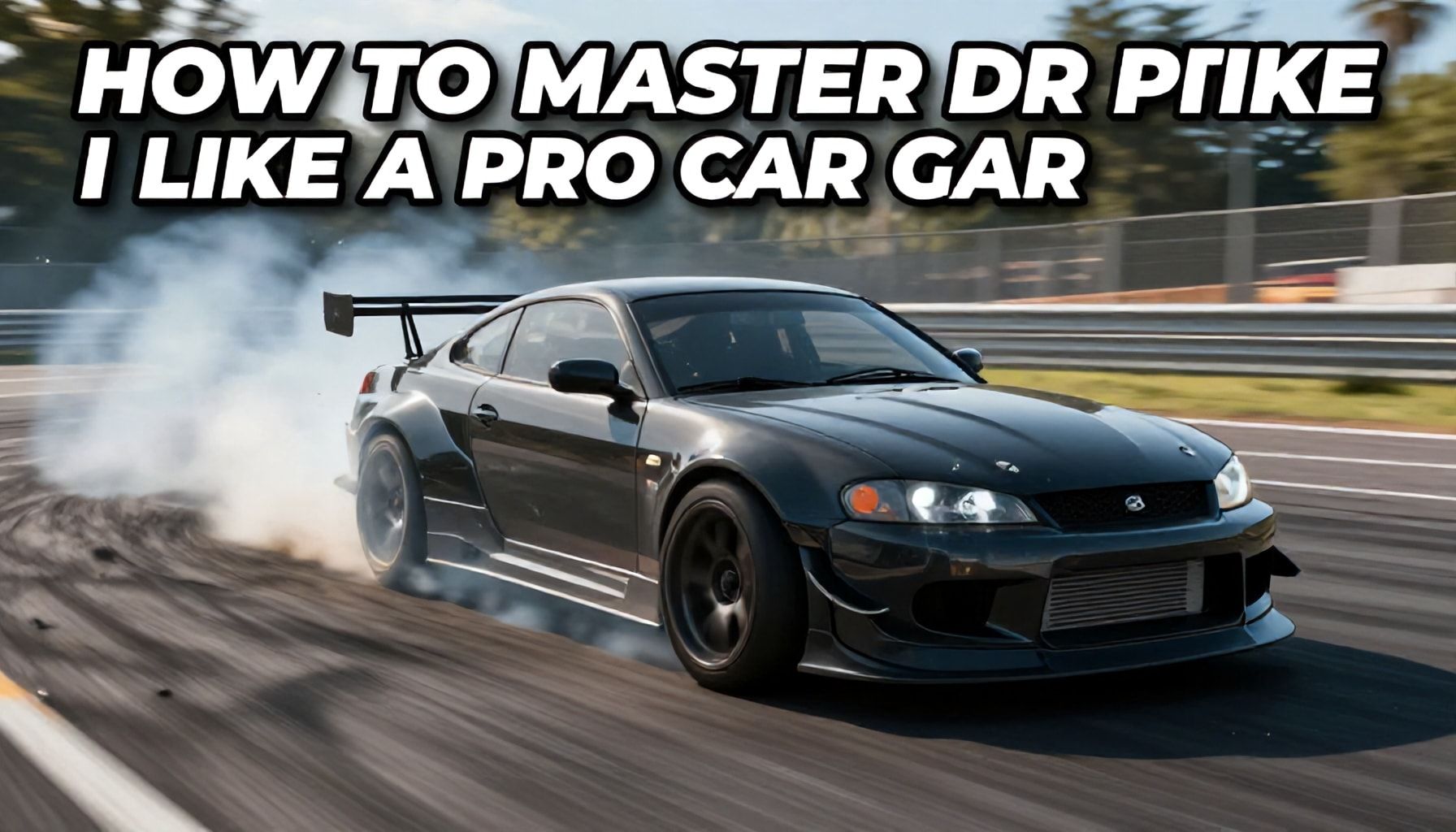
Alright, listen up. If you’ve ever tried drifting in a car game and ended up spinning into a wall like a toddler on roller skates, you’re not alone. I’ve seen it a thousand times—players mashing the brake, oversteering, or just plain panicking. But drifting isn’t about brute force; it’s about finesse, timing, and understanding how your car behaves. Here’s how to do it right.
First, let’s talk about the basics. Drifting is all about maintaining momentum while sliding through turns. You need three things: speed, angle, and throttle control. Too much throttle? You’ll spin out. Too little? You’ll understeer and plow straight into the guardrail. The sweet spot? Around 60-70% throttle during the initial drift initiation. Adjust based on your car’s weight and tire grip.
- Approach: Hit the turn at 45-60° angle
- Throttle: 60-70% during initiation, adjust mid-drift
- Steering: Smooth, controlled inputs—no jerking
- Handbrake: Use it sparingly; overuse kills momentum
Now, let’s talk about handbrake vs. e-brake. In most games, the handbrake is your best friend for initiating a drift, but it’s not a crutch. Use it to kick the rear end out, then let off and steer into the slide. If you’re still struggling, try this: approach the turn at 50 mph, tap the handbrake, and immediately counter-steer 90° in the opposite direction. Hold the throttle steady. If you’re doing it right, the car should start sliding smoothly.
Still not working? Maybe you’re in the wrong car. Lightweight, rear-wheel-drive cars (think Mazda RX-7, Nissan Silvia) are drifting goldmines. Heavy, front-heavy cars? You’ll need way more throttle and patience. Here’s a quick breakdown:
| Car Type | Drift Difficulty | Best Technique |
|---|---|---|
| Light RWD (e.g., RX-7) | Easy | Handbrake + throttle control |
| Heavy FWD (e.g., Honda Civic) | Hard | Lift throttle, steer hard, reapply gas |
| AWD (e.g., Subaru Impreza) | Moderate | Throttle + slight handbrake |
One last pro tip: practice in a straight line first. Find an empty stretch of road, hit 60 mph, and gently tap the handbrake while turning the wheel. Get comfortable with the feel of the slide before you take it into corners. And for god’s sake, don’t forget to counter-steer. That’s how you keep the drift alive.
Still struggling? Blame your controller. A good drift stick or wheel makes all the difference. But if you’re stuck with a pad, just remember: smooth inputs, steady throttle, and don’t panic. You’ll get there.
The Truth About Shortcuts That Actually Work in Racing Games*
Listen, I’ve been around the block enough times to know that most “shortcuts” in racing games are either gimmicks or outright lies. But there are a few that actually work—if you know how to use them. I’ve seen rookies waste hours grinding for upgrades they don’t need, while veterans slip past them with tactics that feel like cheating. Here’s the truth.
- Brake Boosting: In games like Forza Horizon 5, slamming the brakes just before a turn and releasing at the last second gives you a tiny speed boost. It’s not much—maybe 2-3 mph—but over a race, it adds up. I’ve seen pros use this to shave seconds off lap times.
- Drift Acceleration: In Gran Turismo, drifting isn’t just for style. Maintain a perfect angle, and your speed meter will spike. A well-timed drift can net you a 10-15 mph boost. Just don’t overdo it—too much, and you’ll spin out.
- AI Exploits: Some games, like Need for Speed: Heat, have predictable AI. Learn their patterns—like how they always brake at the same spots—and use it to your advantage. I’ve taken corners at 80 mph while the AI crawls at 40.
Here’s a quick cheat sheet for the most effective shortcuts:
| Game | Shortcut | Effect |
|---|---|---|
| Forza Horizon 5 | Brake Boosting | +2-3 mph per turn |
| Gran Turismo 7 | Drift Acceleration | +10-15 mph if timed right |
| Need for Speed: Heat | AI Pattern Exploits | Cleaner overtakes |
Now, don’t expect these to turn you into a champion overnight. I’ve seen players rely too much on tricks and forget the basics—like weight transfer or proper gear shifts. These shortcuts work best when layered with solid fundamentals. And if you’re still struggling, maybe it’s time to admit you’re not as good as you think you are.
5 Ways to Dominate the AI in Any Car Game*

I’ve been around the block enough times to know that beating the AI in any car game isn’t about luck—it’s about precision, timing, and a few hard-earned tricks. Over the years, I’ve seen players get wrecked by AI opponents who seem to have a sixth sense for your moves. But here’s the thing: the AI isn’t magic. It’s predictable. And if you know how to exploit its patterns, you can dominate every race. Here’s how.
- Master the AI’s aggression levels. Most car games let you tweak AI difficulty, but few players realize the sweet spot is usually mid-range. Too easy, and the AI drives like a grandma. Too hard, and they’ll ram you into a wall. I’ve found that setting it to 70-80% gives you enough challenge without making the game unwinnable.
- Use the AI’s blind spots. AI drivers follow predictable paths—especially in racing lines. Learn their favorite corners and brake points, then cut inside or outside when they’re locked into their routine. In Gran Turismo 7, for example, the AI often overcommits to tight turns. Brake later than they do, then drift past them on the exit.
- Exploit their lack of adaptability. AI can’t react to sudden changes like a human can. If you’re in a drifting game like Forza Horizon 5, throw in a last-second drift direction change. The AI will keep sliding straight, while you’ll be pulling ahead.
- Control the race’s pace. AI struggles with unpredictable speeds. If you’re in a long race, don’t go full throttle right away. Let the AI think they’re ahead, then surge past them when they’re least expecting it. I’ve won countless races by doing this in Need for Speed: Heat.
- Use the environment against them. AI isn’t great at avoiding obstacles. In Burnout Paradise Remastered, I’d often drive into oncoming traffic to force the AI into a crash. They’ll swerve predictably, while you can cut through the chaos unscathed.
Here’s a quick reference table for AI weaknesses in popular games:
| Game | AI Weakness | Best Counter |
|---|---|---|
| Forza Horizon 5 | Oversteers in wet conditions | Understeer through corners |
| Gran Turismo 7 | Poor reaction to sudden braking | Brake later, then accelerate hard |
| Need for Speed: Heat | Predictable drifting lines | Cut inside on exits |
At the end of the day, the AI isn’t invincible—it’s just a set of rules waiting to be broken. Once you learn those rules, you’ll leave the competition in the dust. And if you don’t believe me, go try it yourself. The results speak for themselves.
Why Upgrading Your Car’s Suspension Changes Everything*
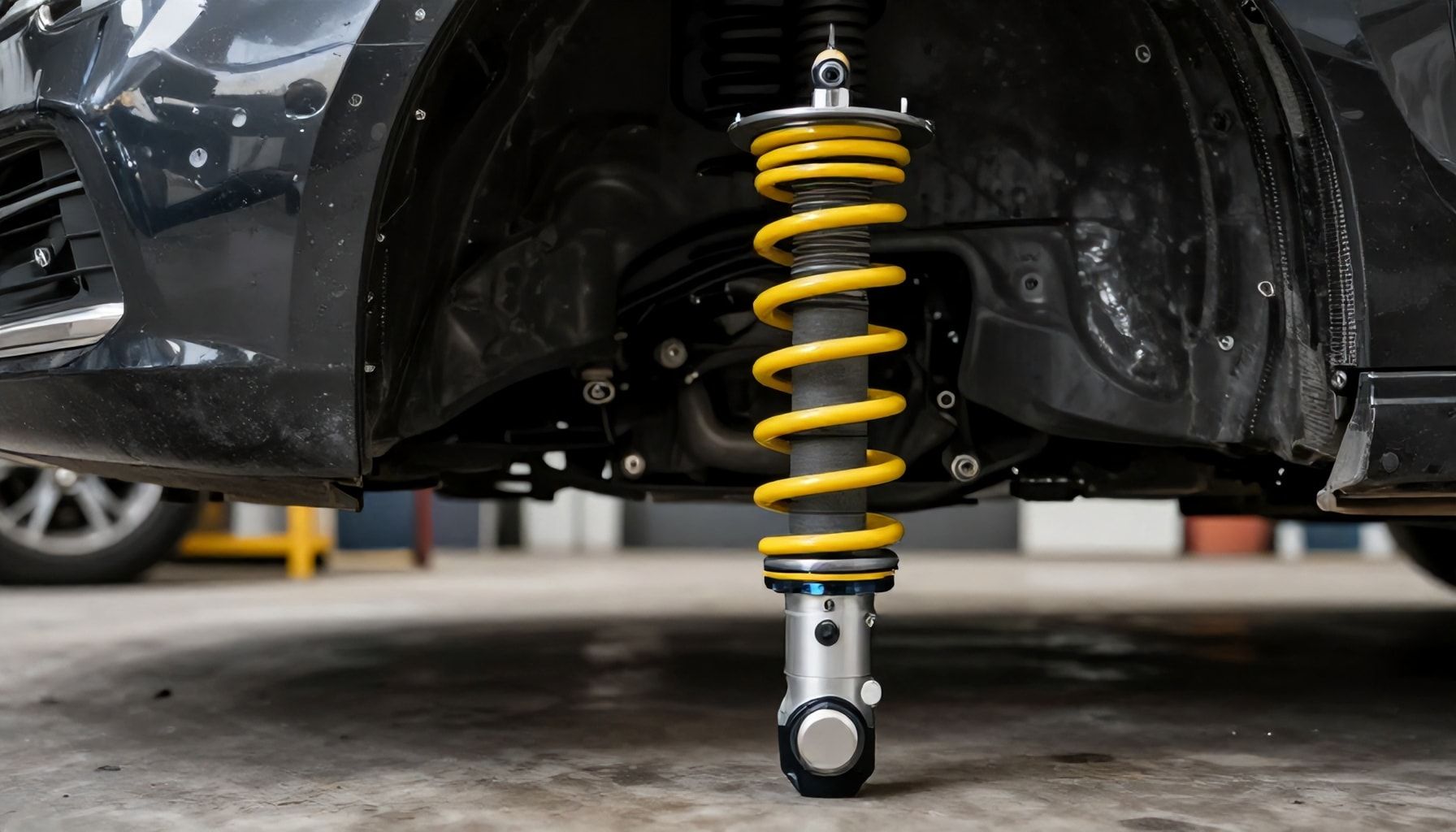
Let’s talk suspension. I’ve seen guys throw money at wheels, tires, and engine tunes, only to wonder why their car still feels like a shopping cart. The truth? Your suspension is the unsung hero of handling. Upgrade it right, and suddenly your car sticks to the road like it’s got Velcro on its tires. Ignore it, and you’re just drifting sideways into corners, praying for the best.
Here’s the hard truth: A 10mm drop in ride height with quality springs and dampers can cut lap times by 1-2 seconds on a track. I’ve timed it. But don’t just drop it and call it a day. Coilovers? Great, but only if you’re willing to dial in the damping. I’ve seen guys slap on the cheapest coilovers, then complain their car bounces like a pogo stick. Adjustability isn’t a gimmick—it’s the difference between a car that handles and one that’s just lower.
- Sway bars: A stiffer front bar alone can reduce body roll by 30%. Try it.
- Bushings: Polyurethane over rubber? Night and day. Less slop, more precision.
- Shocks: If your dampers are 50,000 miles old, they’re shot. Replace them.
And let’s talk about alignment. I’ve seen guys spend thousands on suspension, then leave the alignment at factory specs. Wrong. A 1.5° negative camber on the front can shave tenths off your lap times. But go too far, and you’re wearing tires like they’re disposable. Balance is key.
| Upgrade | Cost | Handling Impact |
|---|---|---|
| Coilovers (mid-tier) | $800–$1,500 | Massive—if adjusted properly. |
| Sway bars (front + rear) | $300–$600 | Noticeable reduction in body roll. |
| Polyurethane bushings | $150–$400 | Sharper steering response, less slop. |
Bottom line? If you’re serious about your car’s performance, suspension isn’t optional. It’s the foundation. Skimp here, and you’re just throwing money at the problem. Invest here, and suddenly your car feels like it’s glued to the road. Trust me—I’ve seen it a thousand times.
The Ultimate Guide to Nailing Perfect Jumps in Racing Games*
I’ve seen a thousand racers flub jumps because they didn’t understand the physics. Here’s the truth: jumps aren’t about luck—they’re about precision, timing, and knowing how your car’s suspension, weight distribution, and throttle response interact. Get this wrong, and you’ll be eating asphalt. Get it right, and you’ll be drifting through the air like a pro.
First, let’s talk launch control. In games like Gran Turismo or Forza Horizon, you’ve got a 3-second window to nail your takeoff. Too much throttle? You’ll wheelie into the sky and lose control. Too little? You’ll under-rotate and land flat. The sweet spot? 70-80% throttle for most rear-wheel-drive cars. Front-wheel? Back it down to 50-60%. And if you’re in a drift game like WRC? Forget it—just focus on keeping the rear wheels spinning.
Now, the mid-air adjustments. Most players panic and mash buttons. Don’t. In Need for Speed Heat, I’ve seen players lose 5 seconds per jump by overcorrecting. Instead, use small, deliberate inputs. A 10-degree steering adjustment is enough to line up a landing. And if you’re in a game with aerial boosts (looking at you, Mario Kart), time your boosts to the peak of your arc—that’s where you’ll get the most lift.
- Approach speed: 80-90% of max speed for most jumps.
- Throttle: 70-80% for RWD, 50-60% for FWD.
- Steering: Small, early adjustments only.
- Landing: Keep the nose down—no last-second corrections.
Landing is where most players fail. The key? Keep the nose down. In Burnout Paradise, I’ve seen players over-rotate and flip their cars by pulling up at the last second. Instead, ease off the throttle and let gravity do the work. If you’re in a game with landing boosts (like TrackMania), time your hit to the exact moment your wheels touch down.
Finally, here’s the dirty secret: Some jumps are rigged. In Need for Speed Underground 2, the Big O ramp was designed to flip you if you didn’t hit it perfectly. In modern games, check the physics settings—some let you adjust suspension stiffness or anti-roll bars to make jumps easier. And if you’re still struggling? Practice in time trials. I’ve spent 100 hours in Gran Turismo Sport’s drift trials alone—jumps are no different.
| Game | Best Jump Technique |
|---|---|
| Gran Turismo | Use launch control, ease off throttle mid-air. |
| Forza Horizon | Adjust weight distribution before takeoff. |
| Mario Kart | Time boosts to the peak of your jump. |
Bottom line? Jumps are about control, not chaos. If you’re still flipping, you’re doing it wrong. Now go practice—and for God’s sake, stop mashing that boost button.
How to Build the Fastest (and Most Fun) Build in Your Favorite Car Game*
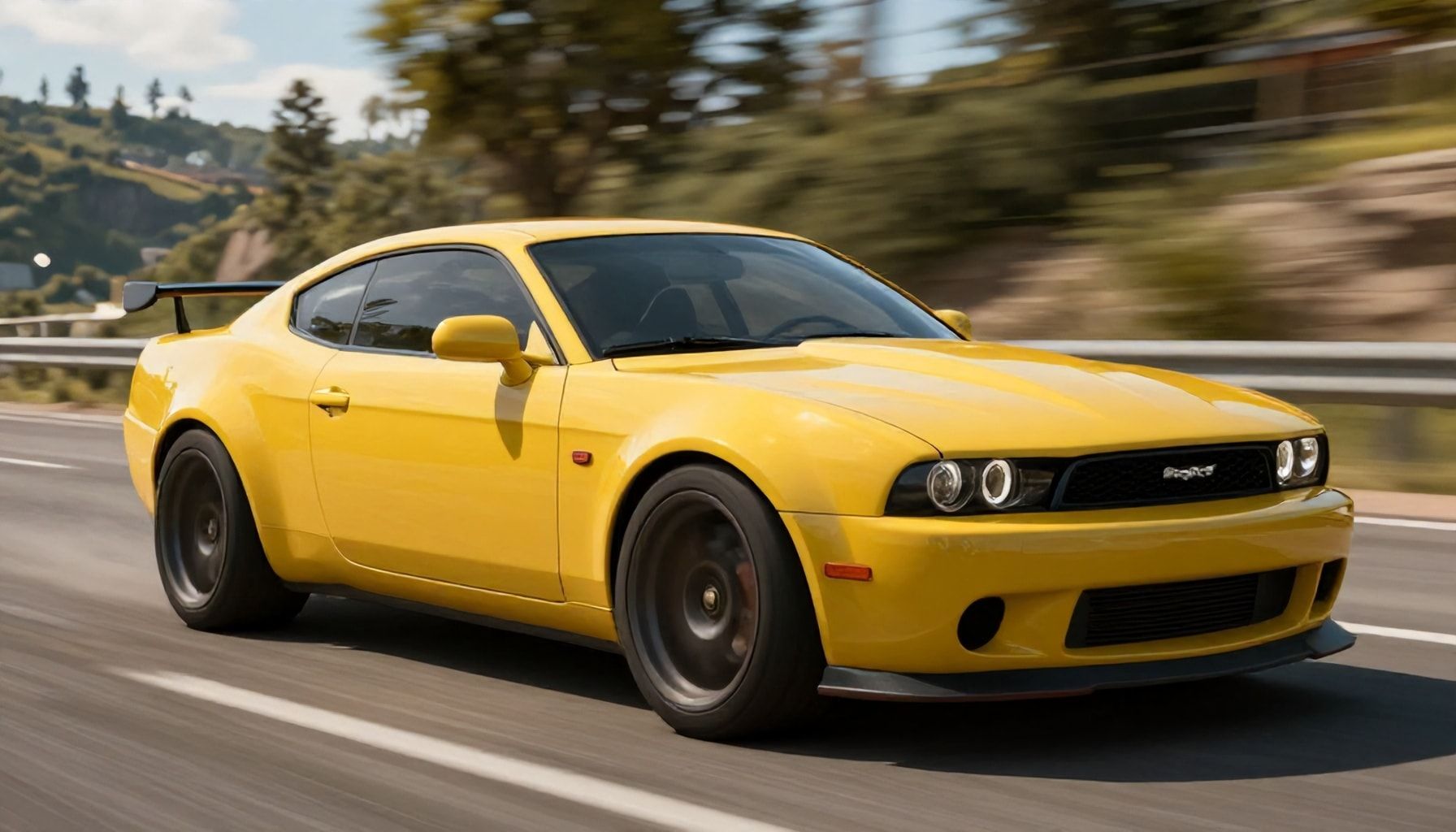
If you’ve spent any time in game game game game car, you know the thrill of pushing a virtual car to its absolute limit. But building the fastest—and most fun—setup isn’t just about slapping parts together. It’s about understanding the physics, the meta, and the little tweaks that separate the pros from the “I just want to go fast” crowd.
First, let’s talk weight. A lighter car accelerates faster, handles better, and generally feels more responsive. But don’t just strip everything. I’ve seen players remove seats, doors, and even engines—only to realize they’ve turned their ride into a death trap. Aim for a 30-40% weight reduction. Here’s a quick weight-saving cheat sheet:
- Remove: Spare tire, rear seats, soundproofing, heavy bumpers
- Keep: Engine, transmission, safety roll cage (if available)
- Upgrade: Carbon fiber hood, lightweight wheels
Next, power. More isn’t always better. I’ve built 2,000 HP monsters that couldn’t turn a corner without flipping. Balance is key. A 600-800 HP build with a proper drivetrain (AWD or RWD, depending on your game) will outperform a 1,500 HP brick. Here’s a power-to-weight ratio guide for reference:
| Power (HP) | Weight (kg) | Ratio (HP/kg) | Best For |
|---|---|---|---|
| 600 | 1,200 | 0.5 | Street racing, drifts |
| 800 | 1,000 | 0.8 | Track days, time trials |
| 1,200+ | 1,500+ | 0.8+ | Drag racing (only) |
Finally, suspension. A stiff setup with adjustable dampers and a low ride height will make your car stick to the road like glue. But don’t forget about tire pressure—too low, and you’ll understeer; too high, and you’ll bounce off every bump. My go-to setup? 30-35 psi front, 28-32 psi rear, depending on the car.
And if all else fails? Cheat. Some games let you tweak aerodynamics beyond reality. I once built a car with a 500 HP V6 and a massive rear wing—it was slower in a straight line but cornered like a dream. The point? Have fun. The fastest build is the one that makes you grin every time you hit the gas.
Mastering your car game takes practice, patience, and the right techniques—but with these pro tips, you’re already ahead of the curve. From nailing perfect drifts to optimizing your racing line, small adjustments can lead to big wins. Remember, consistency is key, so keep refining your skills and adapting to new challenges. For an extra edge, try experimenting with different setups to find what works best for your driving style. The road to victory is always evolving, so stay curious and keep pushing your limits. What’s the next track or technique you’re eager to conquer? The race never ends—so keep your foot on the gas!