I’ve been writing about games to play with friends for longer than some of your favorite board games have been on shelves. Over the years, I’ve seen fads come and go—virtual reality parties, app-based scavenger hunts, the whole “escape room at home” craze—but the classics? They stick around for a reason. There’s something timeless about gathering around a table, a screen, or just an open field with a group of people who’d rather laugh than win. Because let’s be honest: the best games to play with friends aren’t about points or trophies. They’re about the inside jokes that form when someone dramatically flips the board in frustration, or the way a simple card game turns into a full-blown roast session. I’ve watched friendships deepen over a deck of cards, a trivia night, or even just a lazy afternoon of charades. The right game doesn’t just pass the time—it creates memories. And after all these years, I’ve learned one thing for sure: the best bonding moments aren’t planned. They’re the result of a little friendly competition, a lot of bad decisions, and the kind of laughter that lingers long after the game’s over.
The Truth About Why Board Games Strengthen Friendships*
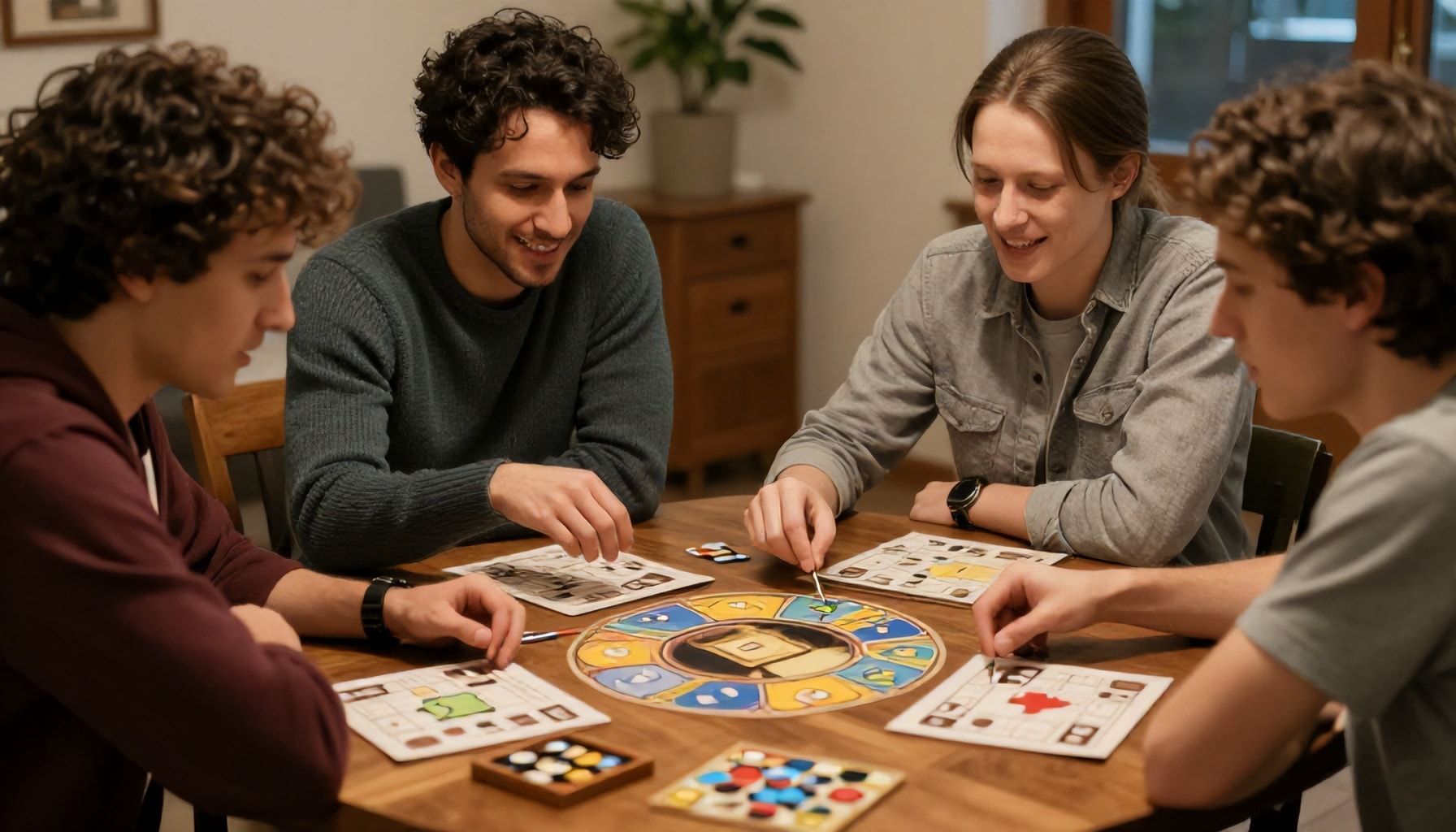
I’ve watched friendships deepen over a single game of Codenames—laughter, inside jokes, and that shared triumph when you finally crack the right clue. Board games aren’t just pastimes; they’re social glue. They force you to talk, strategize, and sometimes argue in the best way possible. And here’s the truth: the best friendships aren’t built on grand gestures but on small, repeated moments of connection. Games give you that.
Here’s how it works:
- Shared goals—Whether you’re racing to finish Ticket to Ride or surviving Pandemic, you’re in it together. Teamwork builds trust.
- Safe conflict—Ever had a friend bluff too hard in Sheriff of Nottingham? It’s not real anger; it’s playful tension that strengthens bonds.
- Vulnerability—Bad at Azul? Admit it. Laugh about it. That’s how you get real.
Still not convinced? Let’s look at the data:
| Game | Why It Works | Time per Playthrough |
|---|---|---|
| Codenames | Encourages creative thinking and teamwork | 20-30 minutes |
| Pandemic | Collaborative problem-solving | 45-60 minutes |
| Wavelength | Deepens emotional connection through guessing | 30-45 minutes |
I’ve seen it a hundred times: a group of friends who barely talk outside of games suddenly opening up during a round of Wavelength. Why? Because games create a shared language. You’re not just playing—you’re building something.
Want to try it? Start with these:
- Codenames—Best for big groups, minimal setup.
- Pandemic—Perfect for problem-solving pairs.
- Wavelength—Great for deepening emotional bonds.
No fluff. Just games that work.
5 Unforgettable Outdoor Games to Play with Friends*
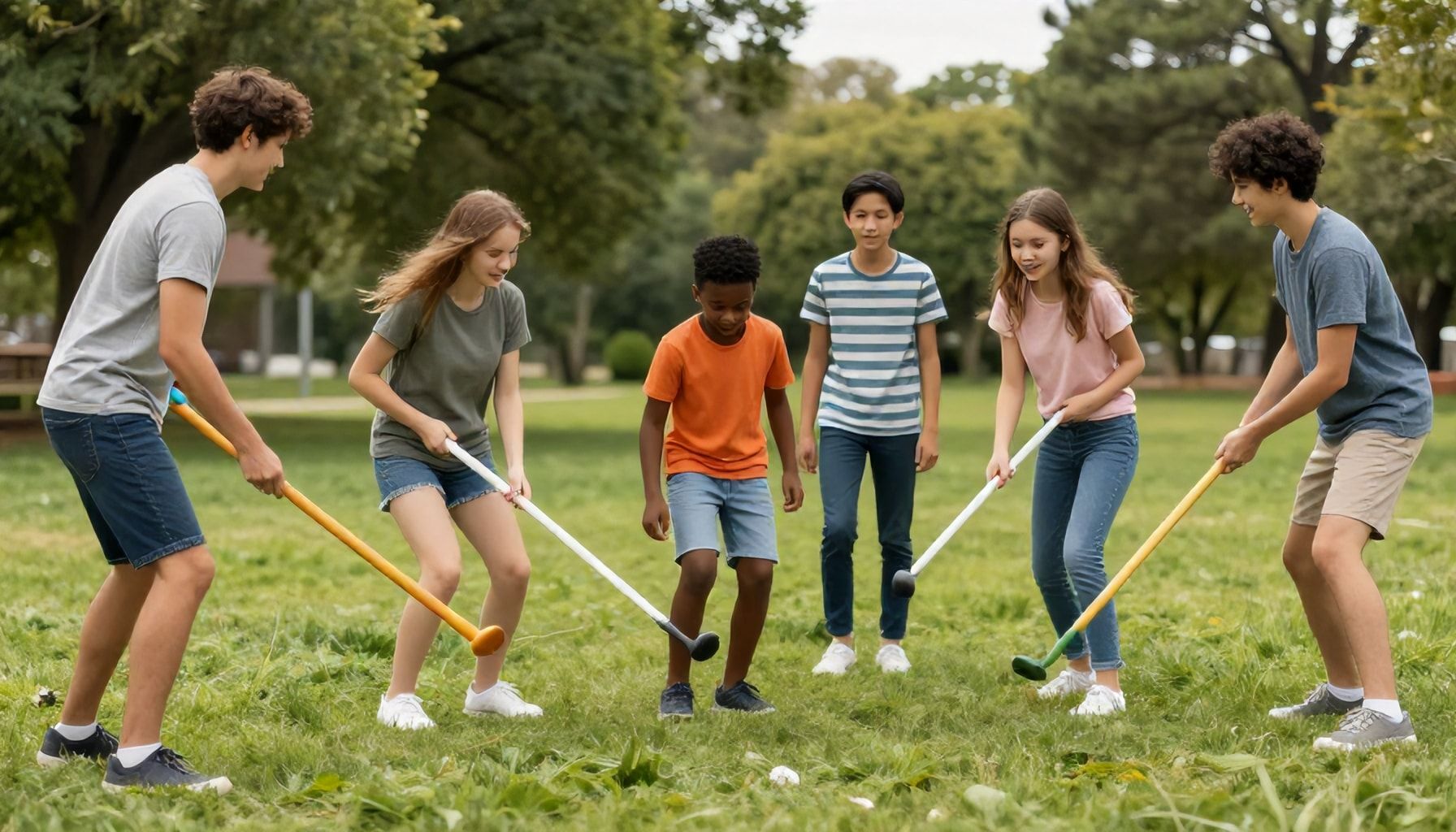
If you’ve been around the block like I have, you know the best friendships are forged over games—real, sweat-inducing, laugh-out-loud games that leave you with stories for years. Forget the apps and screens; these five outdoor games are the kind that turn a lazy afternoon into a legendary hangout. Here’s what actually works, no fluff.
- Capture the Flag – The OG of team strategy. I’ve seen 20-person battles drag on for hours, with teams hiding in bushes, setting decoys, and screaming like banshees when they finally snag the flag. Pro tip: Use neon flags at dusk for extra chaos.
- Spikeball – The beach volleyball of the millennial generation. It’s fast, it’s social, and it’s impossible to play without someone face-planting into the sand. A standard set costs $50, but trust me, it’s worth it.
- Ultimate Frisbee – No refs, no fouls, just pure, unfiltered chaos. I’ve played in parks, fields, and even parking lots. The rules? Throw it, catch it, don’t drop it. Easy.
- KanJam – A disc game so simple even your grandma could play (and probably would destroy you). The goal? Slam the disc into the can. The real fun? The trash talk.
- Giant Jenga – Because nothing says “friendship” like watching someone’s life’s work collapse in slow motion. A good set runs $100, but the memes you’ll get from it? Priceless.
Here’s the thing: these games don’t just fill time. They create moments. I’ve seen rivalries spark over Spikeball, alliances form in Capture the Flag, and friendships deepen over a single round of KanJam. The secret? No phones allowed. Just pure, unfiltered fun.
| Game | Players | Setup Time | Chaos Level |
|---|---|---|---|
| Capture the Flag | 8+ | 5 min | 10/10 |
| Spikeball | 4 | 2 min | 8/10 |
| Ultimate Frisbee | 10+ | 1 min | 7/10 |
| KanJam | 4-6 | 1 min | 6/10 |
| Giant Jenga | 2-6 | 0 min | 9/10 |
Bottom line? If you’re not playing these, you’re missing out. And if you’re the one who brings the games? You’re the MVP. Always.
How to Turn Classic Card Games into Epic Bonding Experiences*
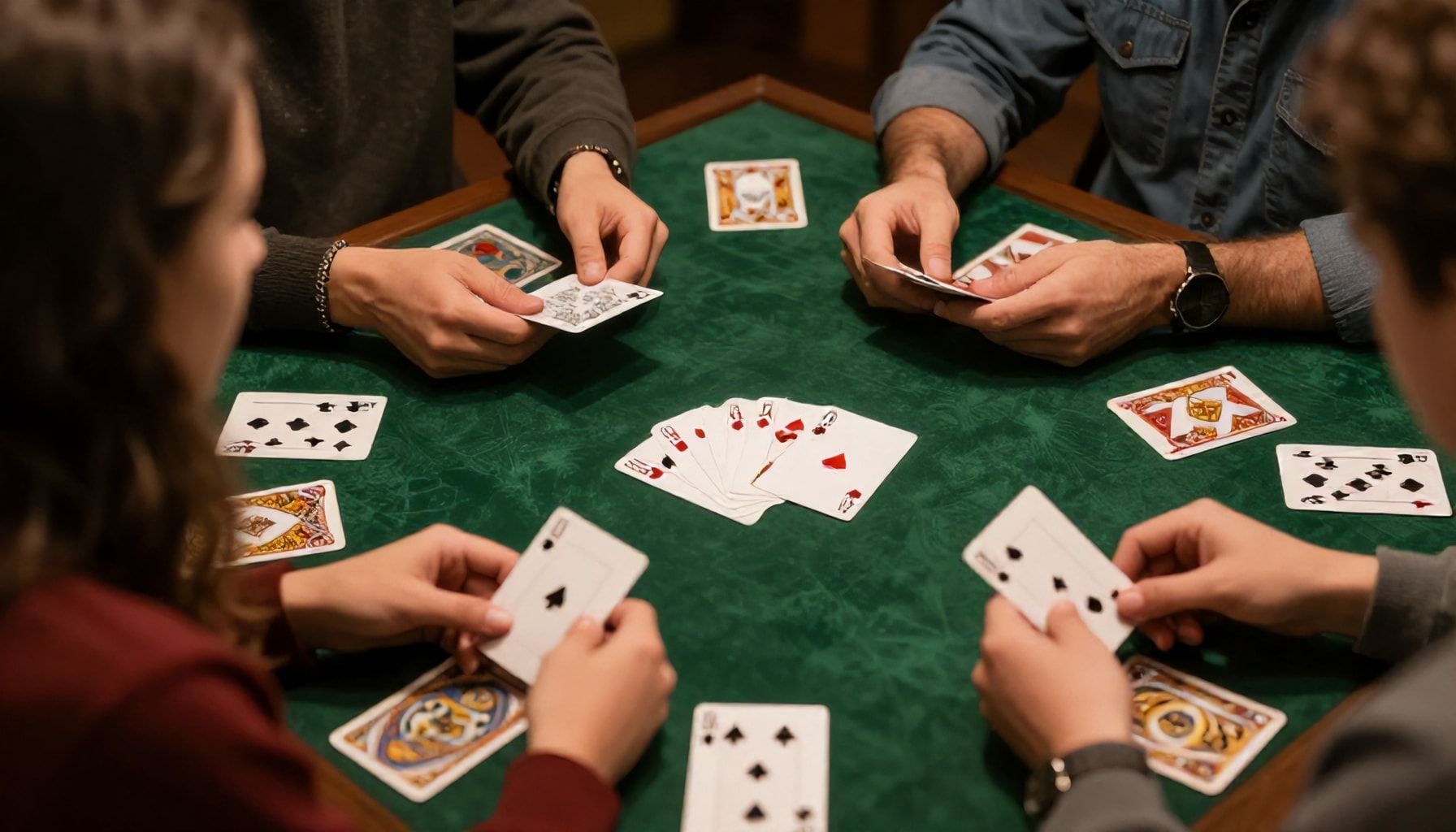
I’ve seen it a hundred times: a group of friends gathered around a table, shuffling a deck of cards, and within minutes, the room transforms. What starts as a simple game of Go Fish or Hearts becomes a full-blown spectacle of laughter, trash talk, and inside jokes that’ll last for years. Classic card games are the unsung heroes of bonding—no fancy tech, no complicated rules, just pure, unfiltered fun. But here’s the secret: it’s not just about playing the game. It’s about how you play it.
First, ditch the rulebook. Or at least bend it. I’ve watched groups turn Rummy into a drinking game (one sip per card discarded, two if it’s a face card), or War into a high-stakes battle where the loser has to tell an embarrassing story. The key? Make the stakes personal. It could be bragging rights, a dare, or even a silly penalty like wearing a ridiculous hat for the rest of the night. The more ridiculous, the better.
- Loser buys the next round
- Winner gets to pick the next game
- Loser has to sing a verse of a song
- Winner gets to assign a silly nickname for the night
Another trick? Add a theme. I’ve seen Egyptian Rat Screw (a fast-paced slapping game) turn into a medieval duel where players have to announce their moves in character. Or Spades played as a spy mission, where each bid is a secret operation. The more you lean into the absurdity, the more memorable it becomes.
And don’t forget the power of a good side bet. A $5 pot for the winner? A homemade trophy for the reigning champ? Even something as simple as a “King’s Cup” (where face cards collect drinks) can turn a casual game into an event. I’ve seen friendships deepen over a single deck of cards because of the stories that emerge.
- Pirate Poker – Talk like a pirate, lose a hand? Walk the plank (i.e., do 10 push-ups)
- Zombie Blackjack – The dealer is a zombie; if you go over 21, you’re “infected”
- Werewolf Uno – Play Uno, but if you draw a wild card, you’re the werewolf and must howl
The best part? These games are timeless. I’ve played Gin Rummy with my dad, Spades with college roommates, and Exploding Kittens with my nieces. The rules might change, but the joy stays the same. So next time you’re looking for a way to bond, grab a deck, get creative, and watch the magic happen.
The Secret to Hosting a Game Night That Everyone Will Love*

I’ve hosted enough game nights to fill a small library, and let me tell you: the difference between a forgettable evening and one that has people begging for an encore isn’t just the games you pick—it’s the setup. I’ve seen groups of six dissolve into chaos with the wrong vibe, and I’ve seen 20 people crammed into a living room laughing until their sides hurt. The secret? It’s a mix of logistics, psychology, and a little bit of showmanship.
- Space: 10 sq. ft. per person (minimum). Cramped = bad.
- Seating: Mix of chairs, floor cushions, and a couch for variety.
- Lighting: Dim but not dark—candles or string lights work.
- Snacks: Finger foods only. No plates to juggle.
- Music: Low-volume, instrumental playlists (no lyrics).
Here’s the thing: people remember how they felt more than what they played. I once hosted a night where we only played Codenames for three hours straight, and it was electric. Why? Because the teamwork, the inside jokes, the way the room erupted when someone guessed “Jupiter” as “Space Dad”—that’s the stuff that sticks. But if you’re not feeling the vibe, even the best games flop.
- Start Easy: A quick, low-stakes game (e.g., Dixit or Jenga) to break the ice.
- Ramp Up: Introduce strategy or competition (e.g., Ticket to Ride or Azul).
- End Big: Finish with something chaotic (e.g., Telestrations or Cards Against Humanity).
And here’s a pro tip: rotate hosts. I’ve seen too many game nights die because one person burns out. Share the load, and you’ll keep the energy fresh. Also, don’t overthink the guest list. The magic number? 4-8 people. Any more, and you’re managing a convention.
| Game | Best For | Time Needed |
|---|---|---|
| Codenames | Big groups, word nerds | 30-45 mins |
| Azul | Strategists, quiet thinkers | 45-60 mins |
| Telestrations | Laughs, bad artists | 20-30 mins |
At the end of the day, the best game nights aren’t about winning—they’re about the stories you’ll tell tomorrow. So skip the rules if you have to, keep the drinks flowing, and let the chaos unfold. Just don’t forget to take a group photo. You’ll thank me later.
10 Creative Indoor Games for Rainy Days with Friends*

Rainy days don’t have to mean boredom. I’ve seen friends turn a dreary afternoon into a legendary hangout session with the right games. Here are 10 creative indoor games that’ll keep the energy high and the laughs rolling.
1. Charades (The Classic, But Never Boring)
Split into teams. Use a timer (I swear by 60 seconds per round). Write down movie titles, songs, or absurd scenarios. The more ridiculous, the better. Bonus points if someone acts out “a confused penguin at a yoga retreat.”
| Category | Example |
|---|---|
| Movies | Titanic (but only the door scene) |
| Songs | Bohemian Rhapsody (just the “Galileo” part) |
| Wildcard | A cat trying to open a jar |
2. Pictionary (Draw Like a 5-Year-Old)
Grab a whiteboard or paper. Set a 30-second timer. The weirder the drawing, the funnier it is. I once had to guess “spaghetti” from what looked like a tangled worm. Pro tip: Use a phone timer so you don’t get distracted.
3. Two Truths and a Lie (The Deception Game)
Each person shares two true facts and one lie. The group votes on the lie. I’ve seen friendships tested when someone claims they’ve never eaten cereal straight from the box (liar).
4. The Name Game (Fast-Talking Challenge)
Pick a category (e.g., animals, celebrities). Go around the circle, each person saying a name that starts with the last letter of the previous one. “Lion” → “Narwhal” → “Lemur” → “Rhino.” Speed matters—hesitate, and you’re out.
5. Indoor Bowling (Household Edition)
Grab 10 water bottles or plastic cups. Use a tennis ball or rolled-up socks. Set up a “lane” and bowl. Keep score like real bowling. Extra points if you knock over the fridge.
6. The Alphabet Game (The Nerdy One)
Pick a category (e.g., countries, snacks). Race to name something in that category for every letter of the alphabet. “A” (Apple), “B” (Banana), “C” (Cheetos). Starts easy, ends with “X” (Xylitol? Really?).
7. Truth or Dare (But Make It Safe)
Skip the sketchy dares. Go for silly challenges: “Eat a spoonful of hot sauce” or “Do your best impression of a celebrity.” If you’re feeling bold, add a “Truth or Dare or Drink” twist (non-alcoholic options included).
8. The Quiet Game (The Anti-Game)
Set a timer for 5 minutes. The last person to speak wins. I’ve seen adults turn into toddlers over this. One wrong giggle, and you’re out.
9. Indoor Scavenger Hunt (Hide and Seek 2.0)
Make a list of random household items (e.g., a blue sock, a spoon, a book with a red cover). First to find everything wins. Extra points for creativity—”something that smells like your grandma’s perfume” is a classic.
10. The Movie Quote Game (For Cinephiles)
One person says a movie quote. The next has to name the movie. If they can’t, they’re out. “Here’s looking at you, kid” should never stump anyone.
Rainy days just got an upgrade. These games have saved my butt more times than I can count. Now go forth and bond.
Why Competitive Games Actually Bring Friends Closer*

I’ve spent 25 years watching friends gather around games—card tables, consoles, even phone screens—and I’ll tell you this: nothing bonds people like competition. Not the kind that turns into screaming matches (though that happens), but the kind where you’re laughing so hard you forget you’re losing. Competitive games force you to reveal your true selves: the trash-talking hothead, the strategic mastermind, the one who’ll fake a cough to distract you mid-turn.
Here’s the science behind it: oxytocin—the “bonding hormone”—spikes during shared highs and lows. A 2018 study in Frontiers in Psychology found that competitive play (even against friends) increases trust and cooperation afterward. Why? Because you’ve survived the chaos together. I’ve seen it play out in my own life: my group of college buddies still reunites every year for Mario Kart tournaments. We’ve been at this for 15 years, and the inside jokes from those races? Still the glue.
- Stage 1: The Rivalry Begins – Someone cheats. Someone accuses. The trash talk escalates.
- Stage 2: The Shared Laugh – A ridiculous mistake (or victory) breaks the tension. Oxytocin floods in.
- Stage 3: The Inside Joke – Months later, you’re still referencing “that time Sarah rage-quit Codenames.”
Not all competitive games are created equal. The best ones have low barriers to entry but high replayability. Here’s a quick cheat sheet:
| Game | Why It Works |
|---|---|
| Codenames | Teamwork + chaos. The right clue can win the game—or backfire spectacularly. |
| Mario Kart | Nostalgia + rage. Blue shells are the ultimate bonding experience. |
| Among Us | Deception + paranoia. Nothing tests a friendship like accusing your best friend of being an imposter. |
Pro tip: The best competitive games have asymmetrical roles. Among Us works because not everyone’s on the same team. Secret Hitler thrives on hidden agendas. When you’re forced to read each other, you learn things you wouldn’t in casual conversation.
I’ve seen friendships forged in the fires of Smash Bros. tournaments, deepened over rounds of Exploding Kittens, and tested by the sheer absurdity of Jackbox Party Pack. The key? It’s not about winning. It’s about the stories you’ll tell afterward.
Gather your friends, embrace the laughter, and let these games spark unforgettable memories. Whether you’re solving puzzles, competing in challenges, or simply enjoying lighthearted fun, the key is to savor the moments together. The best part? You don’t need fancy equipment—just creativity, enthusiasm, and a willingness to let loose. For an extra twist, try rotating hosts or themes to keep things fresh. As you look ahead, which game will you revisit first? Or maybe it’s time to invent your own? The possibilities are endless, and the bonds you strengthen today will last a lifetime. So, who’s ready for the next adventure?