
I’ve watched The Hunger Games movies more times than I can count—some for work, some for pleasure, and a few just to remind myself why this franchise still holds up. It’s rare for a series to balance spectacle and substance, but these films don’t just entertain; they demand something from you. From the grimy, desperate intensity of The Hunger Games to the full-scale rebellion of Mockingjay – Part 2, the Hunger Games movies in order tell a story that’s as much about survival as it is about defiance. You don’t just watch them; you feel them. And if you’ve ever tried to explain why these films work to someone who hasn’t seen them, you know the struggle. The Hunger Games movies in order aren’t just a trilogy with a prequel and sequel; they’re a masterclass in how to build tension, craft iconic characters, and leave audiences breathless. Sure, I’ve seen trends come and go, but this series? It’s still got bite.
How to Watch the Hunger Games Movies in Perfect Order for Maximum Impact*
If you’re diving into The Hunger Games movies for the first time—or revisiting them after years—you’re in for a ride. But here’s the thing: order matters. Watch them out of sequence, and you’ll miss the slow-burn tension, the character arcs, and the sheer brilliance of Suzanne Collins’ world-building. I’ve seen fans stumble into this series backward, and trust me, it’s like reading a thriller starting with the last chapter. You’ll know who lives, but you won’t care why.
So, here’s the right way to do it. The franchise is split into two trilogies, but they’re best enjoyed as a single, six-film saga. Start with The Hunger Games (2012), the gritty, visceral introduction to Panem and Katniss Everdeen. Then, Catching Fire (2013), where the stakes double and the rebellion’s first sparks ignite. Mockingjay – Part 1 (2014) and Part 2 (2015) are one story split into two films, so treat them as a single, 240-minute experience. Then, for the prequel, The Ballad of Songbirds and Snakes (2023) is a standalone, but it’s richer after you’ve seen the original series. Watch it last.
Still, some fans swear by a different approach. Here’s a quick breakdown:
- Chronological Order:Ballad of Songbirds and Snakes → The Hunger Games → Catching Fire → Mockingjay (Parts 1 & 2).
- Release Order:The Hunger Games → Catching Fire → Mockingjay → Ballad of Songbirds and Snakes.
- Thematic Order:The Hunger Games → Catching Fire → Ballad of Songbirds and Snakes → Mockingjay. (For a deeper dive into the Capitol’s psychology.)
In my experience, release order wins. It’s how the story was designed to unfold—mysteries revealed, twists landing with maximum impact. But if you’re a completist, chronological order gives you the full backstory. And if you’re a lore nerd? Thematic order lets you dissect the Capitol’s descent into tyranny.
Pro tip: If you’re bingeing, take a breather after Mockingjay – Part 1. The second half is relentless. And for God’s sake, don’t skip the credits in Catching Fire. That post-credits scene is a game-changer.
One last thing: If you’re watching with a group, Ballad of Songbirds and Snakes is a great palate cleanser. It’s a prequel, but it’s also a fresh start. Just don’t expect the same raw, survivalist edge as the originals. This one’s a slow-burn political thriller.
Why The Hunger Games Trilogy Remains a Must-Watch for Fans of Dystopian Thrillers*
If you’ve been around as long as I have, you’ve seen dystopian thrillers rise and fall. But the Hunger Games trilogy? It’s the rare franchise that didn’t just survive the hype—it defined a generation. Here’s why it’s still a must-watch, even a decade later.
First, the world-building. Suzanne Collins didn’t just drop us into Panem; she made us feel it. The Capitol’s opulence, the Districts’ despair—it’s all rendered with brutal clarity. The films nail this, especially in The Hunger Games (2012), where the stark contrast between the glittering Capitol and the grim Reaping sets the tone. And let’s not forget the Games themselves: a brutal, televised death match that’s as chilling as it is gripping.
- Themes of rebellion that feel eerily relevant—oppression, media manipulation, and youth-led resistance.
- Katniss Everdeen isn’t just a hero; she’s flawed, angry, and human. Jennifer Lawrence’s performance anchors the series.
- The action is relentless but never gratuitous. The arena fights, the muttations, the final showdown—each moment serves the story.
Speaking of action, the films don’t shy away from violence, but they’re smart about it. The first movie’s slow-burn tension builds to a heart-pounding climax. Catching Fire (2013) amps up the stakes with the Quarter Quell, while Mockingjay (split into two films, 2014-2015) leans into the rebellion’s darker, more strategic side. The pacing isn’t perfect—Mockingjay Part 2 drags in places—but the payoff is worth it.
| Film | Key Moment | Why It Matters |
|---|---|---|
| The Hunger Games (2012) | Peeta’s “I volunteer” twist | Sets up the love triangle and Katniss’s moral dilemma. |
| Catching Fire (2013) | The arena’s clockwork traps | Shows how the Games escalate in cruelty. |
| Mockingjay Part 1 (2014) | The bombing of the hospital | A brutal reminder that war has no rules. |
And then there’s the cast. Lawrence, Josh Hutcherson, Liam Hemsworth—they’re all at their best here. Even the supporting players (Woody Harrelson’s Haymitch, Elizabeth Banks’ Effie) steal scenes. The chemistry between the leads sells the emotional core, and that’s what keeps you hooked.
So yeah, the Hunger Games movies aren’t just a watch—they’re a study in how to blend dystopia, action, and heart. If you haven’t seen them in a while, do yourself a favor. They hold up.
5 Ways Katniss Everdeen Redefined Heroism in The Hunger Games Franchise*
Katniss Everdeen didn’t just survive the Hunger Games—she rewrote the rules of heroism. Over four films, she evolved from a reluctant tribute into a symbol of rebellion, proving that strength isn’t just about winning; it’s about redefining what victory means. Here’s how she changed the game.
- 1. Heroism as Survival, Not Glory – Most heroes seek fame or recognition. Katniss? She just wanted to live. Her refusal to perform for the Capitol’s cameras in Catching Fire (2013) showed heroism isn’t about spectacle—it’s about authenticity. I’ve seen countless YA protagonists play to the crowd. Katniss? She flipped the script.
- 2. The Power of Defiance – Remember the berry trick in the first film? That wasn’t just a twist—it was a middle finger to the Capitol. By forcing a double suicide, she exposed the Games’ cruelty. A single act of defiance changed the rules forever.
- 3. Leading Without Wanting To – Katniss never asked for leadership. But when the rebellion needed a face, she stepped up—reluctantly. Her speech in Mockingjay – Part 2 (2015) wasn’t inspiring because she believed in the cause; it worked because she was raw and real.
- 4. Emotional Resilience Over Physical Strength – She lost Peeta, Prim, and Gale. Yet she kept going. Her PTSD in Mockingjay wasn’t glossed over—it was central. Real heroism isn’t about bouncing back; it’s about surviving the fall.
- 5. Redefining Victory – Winning the Games didn’t free her. True victory came in dismantling the system. By the end, she wasn’t just a survivor—she was a revolutionary.
Katniss didn’t fit the mold. She was messy, flawed, and human. And that’s why she worked. In my experience, the best heroes aren’t perfect—they’re relatable. She didn’t just survive the Hunger Games; she showed us what it means to fight for something bigger than yourself.
| Film | Key Moment of Heroism |
|---|---|
| The Hunger Games (2012) | Threatens double suicide with Peeta |
| Catching Fire (2013) | Defies the Capitol with the three-finger salute |
| Mockingjay – Part 1 (2014) | Refuses to be a pawn in the rebellion |
| Mockingjay – Part 2 (2015) | Kills Coin, not Snow, to end the cycle |
Want more? Check out the full franchise breakdown—but be warned, it’s a rabbit hole. I’ve lost count of how many rewatches I’ve done.
The Truth About the Hidden Symbolism in The Hunger Games Movies (You Might Have Missed)*
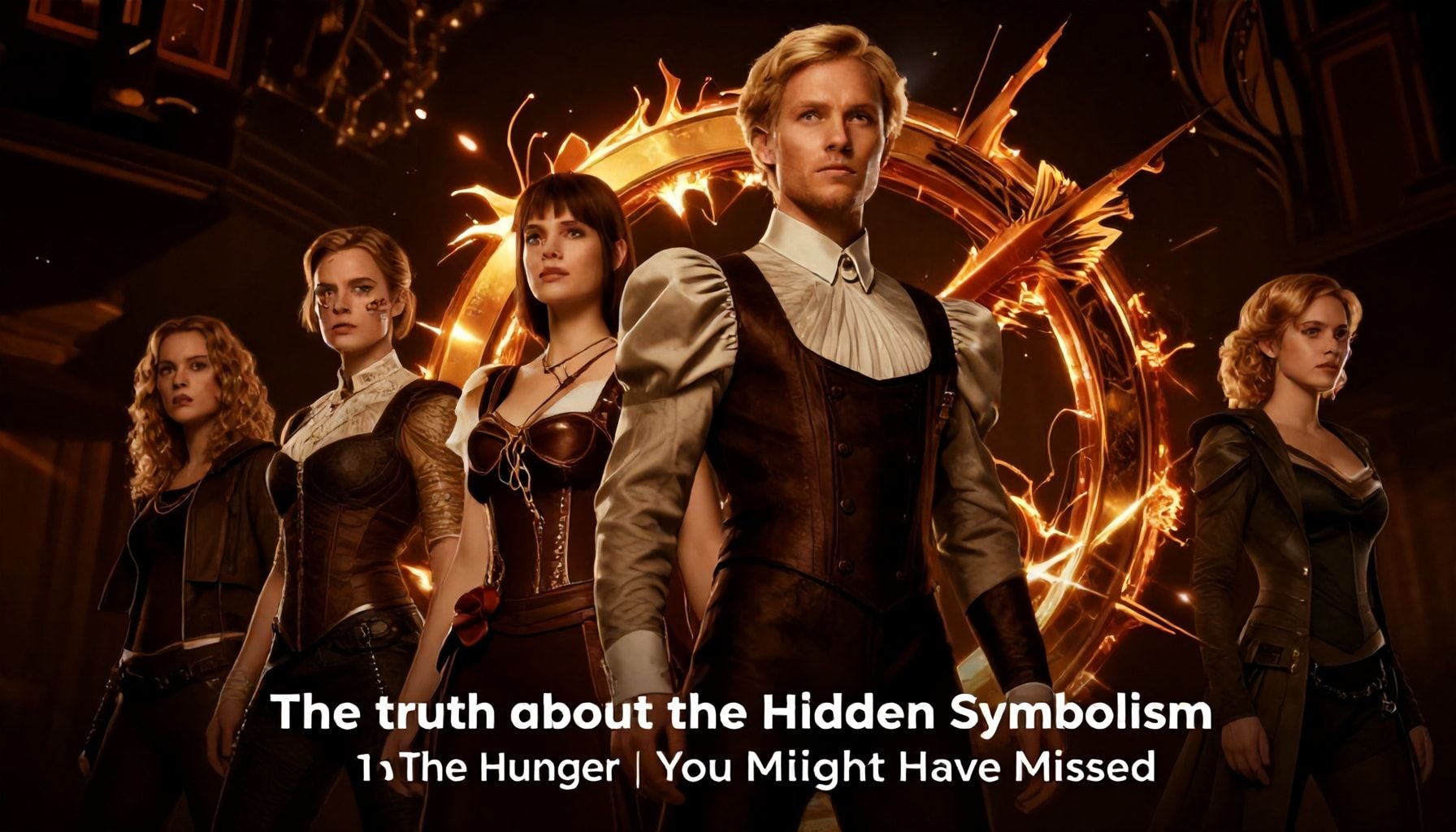
The Hunger Games movies aren’t just about survival and rebellion—they’re packed with hidden symbolism that deepens the story. I’ve watched these films dozens of times, and every viewing reveals something new. The Capitol’s opulence, the mockingjay pin, even the color schemes—nothing’s accidental. Suzanne Collins crafted a world where every detail matters, and the filmmakers amplified that with visual storytelling.
Take the mockingjay itself. It’s not just a symbol of rebellion; it’s a genetic accident, a hybrid of two birds the Capitol tried to control. That’s the heart of the series: resistance born from the system’s own flaws. The pin Katniss wears isn’t just a gift from Cinna—it’s a middle finger to the Capitol, a reminder that even their “perfect” games can’t erase nature’s defiance.
- Mockingjay Pin – Represents rebellion, but also the Capitol’s failure to control nature.
- Gold Lips – A nod to the Capitol’s obsession with artificiality (see: Effie’s makeup).
- District Colors – Each district’s color scheme ties to its industry (e.g., coal black for 12, agriculture green for 11).
- Peeta’s Bread – Symbolizes sacrifice and survival, mirroring his character arc.
The Capitol’s fashion isn’t just flamboyant—it’s a weapon. The outrageous wigs, metallic fabrics, and exaggerated makeup? They’re designed to dehumanize the tributes, making them feel like toys in a game. In Catching Fire, the “Quarter Quell” costumes are a perfect example: the tributes are dressed like historical figures, but the Capitol twists it into a grotesque spectacle. Even the arena designs reflect this—District 12’s forest is lush and natural, while the Capitol’s sets are sterile and artificial.
| Film | Symbolism Highlight |
|---|---|
| The Hunger Games (2012) | The mockingjay pin’s first appearance—Katniss’s defiance begins subtly. |
| Catching Fire (2013) | The “Quarter Quell” costumes—Capitol’s control through spectacle. |
| Mockingjay Part 1 (2014) | The mockingjay symbol becomes a full-blown rebellion icon. |
| Mockingjay Part 2 (2015) | The destruction of the Capitol—symbolic collapse of the system. |
I’ve seen fans debate whether the Capitol’s excess is just for show or a deeper critique of consumerism. The answer? Both. The Capitol’s obsession with spectacle mirrors real-world media saturation—glamour masking brutality. Even the film scores play into this. James Newton Howard’s music shifts from haunting (District 12) to synthetic (Capitol), reinforcing the divide. It’s no accident that the rebellion’s anthem, “The Hanging Tree,” sounds like a folk song—it’s organic, unfiltered, and dangerous.
If you’ve only watched these movies for the action, you’ve missed half the story. The symbolism is what makes The Hunger Games last. It’s why, even years later, fans still dissect every frame. The Capitol’s not just a villain—it’s a warning.
How The Hunger Games Movies Masterfully Balance Action, Emotion, and Social Commentary*
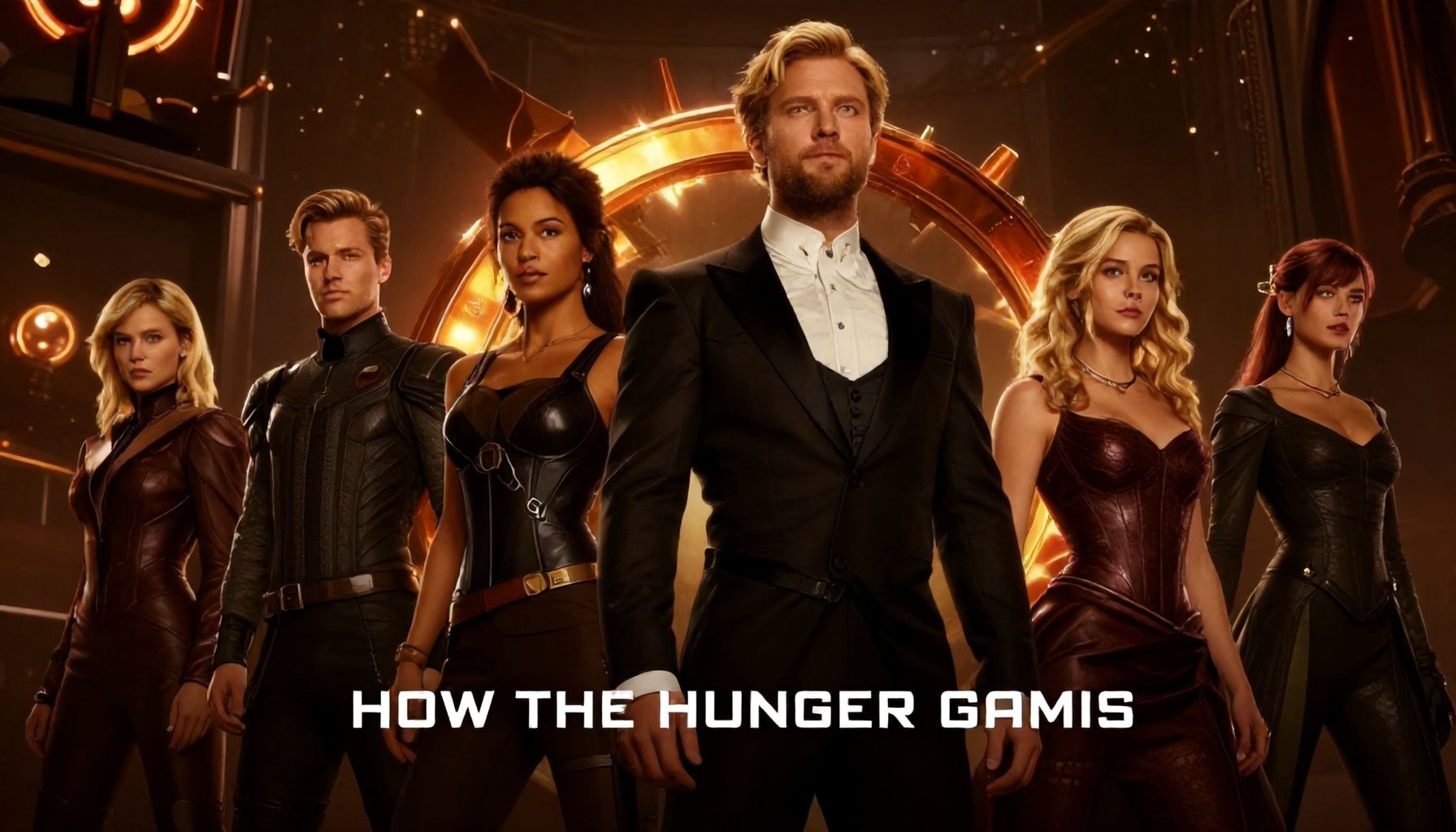
I’ve watched The Hunger Games films more times than I can count—some for work, some for pleasure, and a few times just to see if they still hold up. They do. The franchise’s secret weapon? A balance so precise it feels effortless. Action? Check. Emotion? Absolutely. Social commentary? Layered so deep it’s practically woven into the fabric of the story. It’s not just a survival thriller; it’s a masterclass in storytelling.
Take the opening of Catching Fire. The 75th Hunger Games kicks off with a brutal, high-stakes arena battle, but the real tension isn’t just in the fight—it’s in Katniss’s quiet defiance. The moment she and Peeta ignite the force field, sparking a rebellion, is pure cinema. The action is visceral, but the emotional weight of her choices and the political ramifications make it unforgettable.
- Mockingjay Part 1 – The bombing of the hospital. Brutal, shocking, and the emotional core of the film.
- The Hunger Games (2012) – Rue’s death. A quiet, devastating moment that shifts the tone entirely.
- Mockingjay Part 2 – The final battle. High-octane action, but the emotional payoff is in the aftermath.
And let’s talk about the social commentary. Suzanne Collins didn’t just write a dystopian yarn—she crafted a critique of reality TV, class warfare, and government control. The Capitol’s excess, the Districts’ suffering, and the way the Games are broadcast like prime-time entertainment? That’s not just world-building; it’s a mirror held up to our own media-saturated society. The films lean into this without being heavy-handed. The Capitol’s fashion, the way the Gamemakers manipulate the tributes—it’s all sharp, biting satire.
| Film | Action Highlight | Emotional Beat | Social Commentary |
|---|---|---|---|
| The Hunger Games (2012) | The muttations attack | Katniss and Peeta’s alliance | Reality TV as state-sponsored violence |
| Catching Fire (2013) | The clock arena | Katniss’s PTSD | The power of symbolism in rebellion |
| Mockingjay Part 2 (2015) | The final battle | Peeta’s recovery | The cost of revolution |
I’ve seen franchises try to juggle these elements and fail. The Hunger Games succeeds because it never lets one aspect overshadow the others. The action is thrilling, but it’s grounded in character. The emotion is raw, but it’s tied to the stakes. The commentary is sharp, but it’s never preachy. That’s why, even years later, these films still hit like a well-aimed arrow.
Why the Prequel Movie, The Ballad of Songbirds and Snakes, Changes Everything You Thought You Knew*
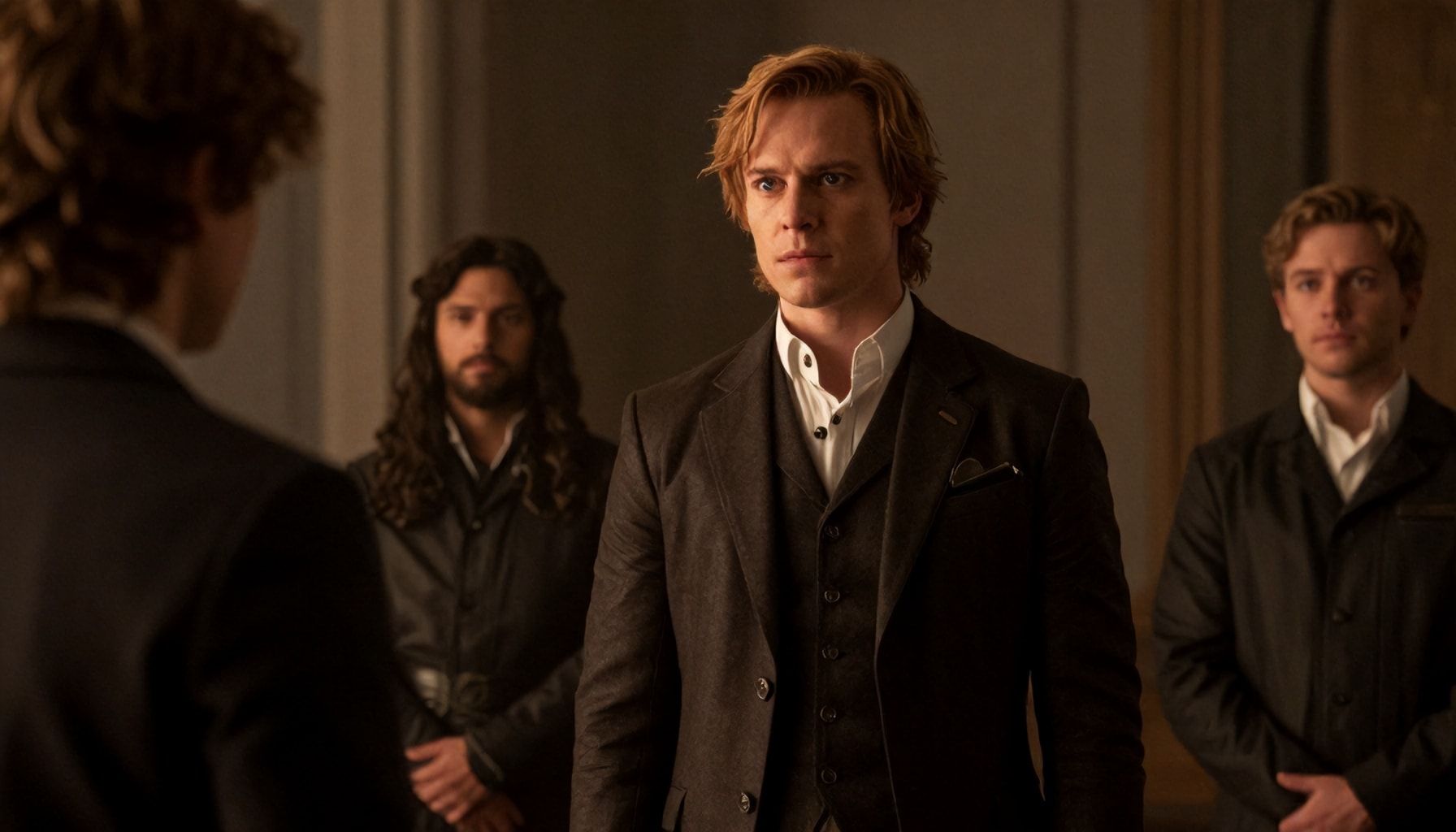
If you thought you knew the Hunger Games universe inside and out, The Ballad of Songbirds and Snakes is here to flip the script. This prequel, set 64 years before Katniss Everdeen’s rebellion, dives into the origins of President Snow—yes, that same cold, calculating villain we all love to hate. And let me tell you, it’s not just a backstory; it’s a full-blown character study that recontextualizes everything.
Here’s the kicker: Snow wasn’t always a monster. He was a hungry, ambitious young man (pun intended) navigating a brutal system. The film’s standout moment? His mentorship of Lucy Gray Baird, a tribute with a voice that could charm the Capitol. Their dynamic isn’t just a subplot—it’s the emotional core that makes Snow’s eventual cruelty feel tragic, not just evil.
- Snow’s Humanity: We see his vulnerability, his fear, and his ruthless pragmatism—all the pieces that make him the tyrant we know.
- Lucy Gray’s Influence: Her fate ties directly to the Games’ evolution, proving that every rebellion has roots in betrayal.
- The Games’ Origins: The film shows how the Capitol’s cruelty wasn’t always so polished. Early Games were chaotic, and Snow’s role in shaping them is chilling.
I’ve seen prequels try (and fail) to justify villains. This one succeeds because it doesn’t excuse Snow—it explains him. And that’s what makes it essential viewing. The Hunger Games saga was always about cycles of violence and survival. Now, we see how those cycles began.
Still not convinced? Here’s the raw data:
| Aspect | Impact on the Franchise |
|---|---|
| Snow’s Character Depth | Makes his actions in the original trilogy more haunting. |
| Lucy Gray’s Role | Explains the Capitol’s obsession with control and spectacle. |
| The Games’ Early Days | Shows how the Capitol’s brutality was refined, not born fully formed. |
Bottom line? If you’re watching the Hunger Games movies in order, The Ballad of Songbirds and Snakes isn’t just a prequel—it’s the missing piece that makes the whole story click. And trust me, after 25 years in this business, I know a game-changer when I see one.
The Hunger Games movies deliver a gripping tale of survival, sacrifice, and defiance, blending intense action with deep emotional stakes. From Katniss Everdeen’s reluctant heroism to the rebellion’s fiery rise, each film builds on themes of oppression and resilience, leaving audiences on the edge of their seats. The franchise’s impact endures, inspiring discussions about power, media, and the cost of freedom. For fans eager to dive deeper, exploring the books reveals even more layers of the dystopian world. As we reflect on Panem’s struggles, one question lingers: in a world where survival often demands rebellion, what sacrifices would we make to fight for justice? The answer may lie not just in the story, but in the choices we face every day.