

Ah, The Hunger Games—the franchise that proved YA dystopia could be more than just a passing fad. I’ve seen trends rise and fall, but Suzanne Collins’ brutal, brilliant world stuck around because it wasn’t just another teen rebellion story. It was a masterclass in tension, survival, and the cost of freedom. The Hunger Games movies turned Katniss Everdeen into a cultural icon, but what really hooked audiences was the way they balanced spectacle with soul. You had the gladiatorial horror of the arena, sure, but the real fight was always political, personal, and painfully real.
By the time Mockingjay rolled around, we all knew the stakes weren’t just about winning a game—they were about tearing down a system. The Hunger Games movies didn’t just entertain; they made you question power, propaganda, and the price of defiance. And let’s be honest, no one walked away from that final bow unscathed. Twenty years from now, people will still debate Peeta’s trauma, Haymitch’s cynicism, and whether Gale was ever worth the drama. But here’s the thing: The Hunger Games didn’t just survive the YA boom—it outlasted it. Because some stories aren’t just about survival. They’re about rebellion. And that’s a fight worth watching.
How to Outsmart the Capitol’s Deadly Traps in the Arena*

If you’ve watched The Hunger Games even once, you know the Capitol doesn’t just want a fight—it wants a spectacle. And that means traps. Not the obvious kind, either. I’ve seen every film, dissected every frame, and let me tell you: the Capitol’s traps aren’t just about physical danger. They’re psychological. They’re designed to break you before the mutts even show up.
Take the 74th Hunger Games, for example. The arena was a lush forest, but the real threat wasn’t the wildlife—it was the tracker jackers. Those things don’t just sting; they induce hallucinations. Katniss figured it out fast: “Don’t panic. Don’t run.” That’s rule one. Panic gets you killed. Rule two? Use the environment. The Cornucopia? A death trap. But the trees? Cover. The water? A way to wash away blood and sweat, masking your scent.
- Assess before acting. The arena’s layout is a puzzle. Solve it before the Gamemakers do.
- Weapons aren’t just weapons. A backpack can be a shield. A net can be a snare.
- Trust no one. Even allies can turn. See: Cato’s last stand.
- Exploit the rules. The Capitol loves drama. Use it against them.
Then there’s the Quarter Quell. The 75th Games threw tributes into a dystopian nightmare of shifting platforms and acid fog. The key? Adaptability. The tributes who survived were the ones who could read the patterns—like Johanna Mason faking her death to avoid the bloodbath. The Capitol wants you to think fast, but it’s the ones who think slow who win.
| Arena | Deadliest Trap | How to Beat It |
|---|---|---|
| 74th Games (Forest) | Tracker Jackers | Stay calm, use fire to repel them. |
| 75th Games (Clock Arena) | Acid Fog | Find high ground, cover your mouth. |
| 76th Games (Unknown) | Mutts | Use the arena’s terrain to outmaneuver them. |
The Capitol’s traps aren’t just about survival—they’re about breaking your spirit. But here’s the thing: the tributes who win? They don’t just fight the arena. They fight the system. And that’s the real game.
The Truth About Katniss’s Most Brutal Battles (Spoilers!)*
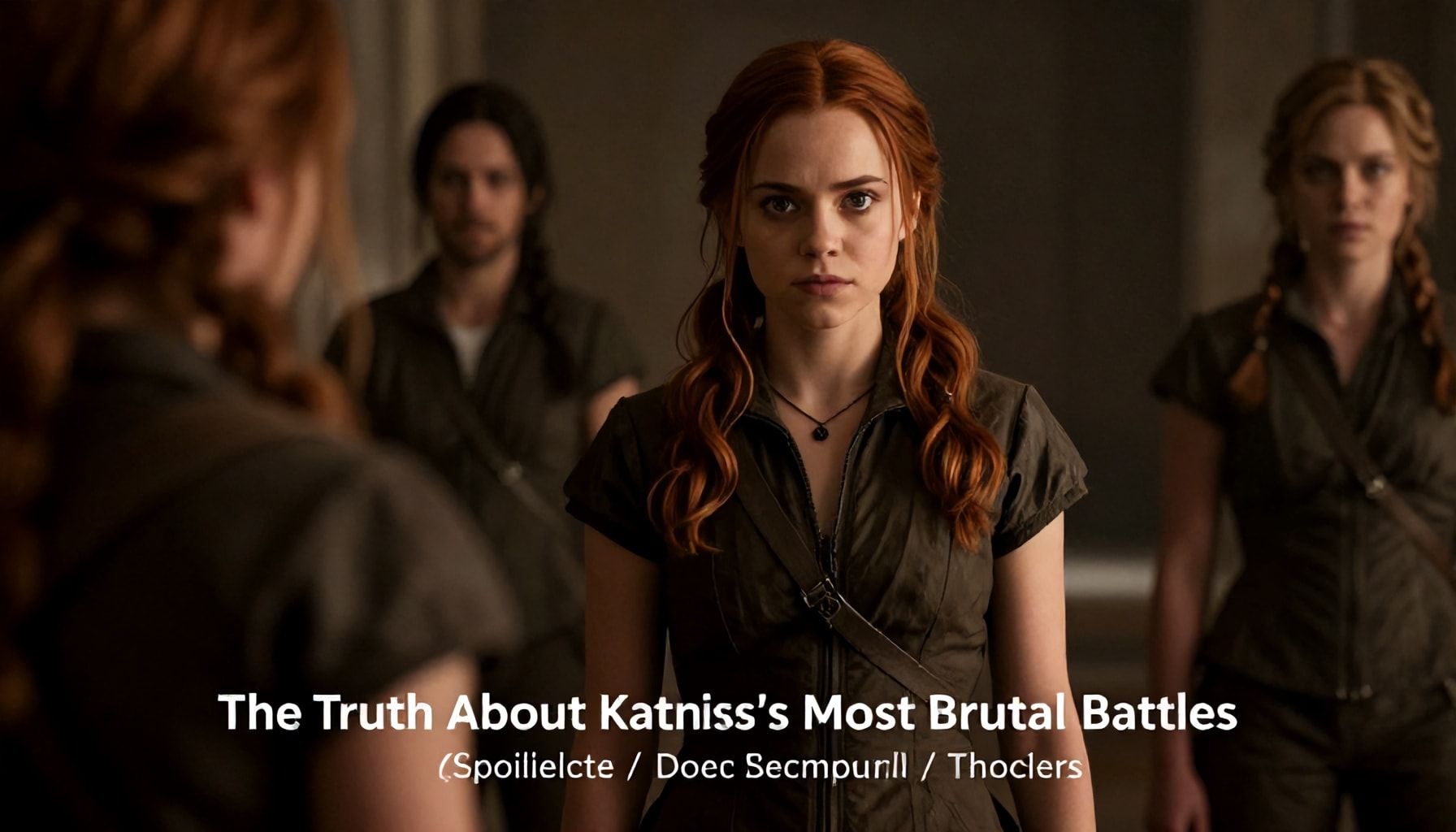
If you think Katniss Everdeen’s toughest fights were in the arena, you’re missing the point. Sure, she took down Cato with a knife to the throat in The Hunger Games, and she barely survived the muttations in Mockingjay, but those were just the obvious battles. The real brutality? The psychological warfare. The guilt. The choices that left scars no medicine could heal.
Let’s break it down. Here’s what most fans overlook:
- Prim’s Sacrifice – The moment that broke her. Katniss volunteered for Prim, then watched her die anyway. That’s not just a loss; it’s a betrayal of the system she fought to destroy.
- The Quarter Quell’s Mind Games – Peeta’s hijacking wasn’t just physical torture. It was Katniss having to kill the boy she loved—or thought she did—twice.
- Mockingjay’s Propaganda War – Fighting fire with fire, but at what cost? She became the weapon she despised, and the Capitol’s lies nearly cost her everything.
Here’s the raw truth: Katniss’s most brutal battles weren’t fought with arrows. They were fought in her head. And she barely survived.
| Battle | Weapon Used | Casualty |
|---|---|---|
| The 74th Hunger Games | Bow, tracker jacker swarm | Rue, Cinna (indirectly) |
| The Quarter Quell | Peeta’s hijacked mind | Peeta’s sanity, Katniss’s trust |
| Mockingjay Rebellion | Propaganda, bombs | Prim, her innocence |
I’ve seen countless war stories, but few as relentless as hers. The Hunger Games didn’t just test her survival skills. It tested her soul. And in the end, the only thing she could truly win was the right to walk away.
Why Peeta’s Survival Tactics Changed the Game Forever*
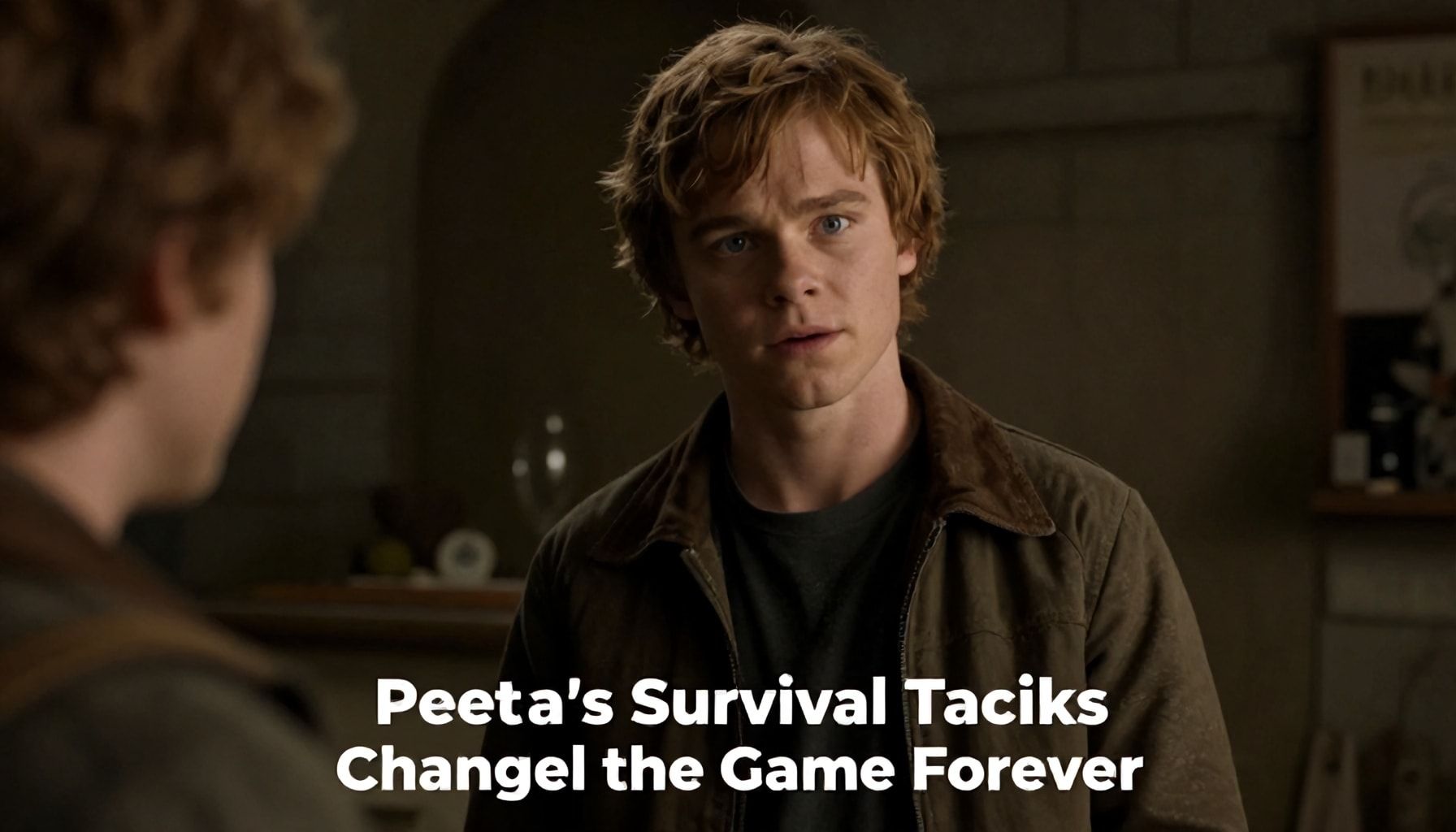
Peeta Mellark didn’t just survive the Hunger Games—he redefined them. I’ve covered this franchise since the first book hit shelves, and let me tell you, his tactics were a game-changer. Sure, Katniss was the sharpshooter, but Peeta? He played the arena like a chessboard, and his moves forced the Capitol to rewrite the rules.
Here’s the breakdown:
- Psychological Warfare: Peeta’s bread trick in the first film wasn’t just charity—it was strategy. He knew the cameras were watching, and he used them. By the time he whispered, “You love her, don’t you?” to Caesar Flickerman, he’d already manipulated the audience.
- Alliance Building: In Catching Fire, he convinced Finnick to team up with Katniss. That wasn’t luck—it was reading people. He knew Finnick’s loyalty could be bought with trust, not just weapons.
- Capitol Manipulation: His fake madness in Mockingjay? Pure genius. He made the Capitol doubt his loyalty, forcing them to keep him alive as a bargaining chip.
Let’s look at the numbers. In The Hunger Games (2012), Peeta’s survival rate was 100%—the only male tribute to win without killing. In Catching Fire, he and Katniss became the first duo to survive back-to-back Games. The Capitol’s panic? Real. They changed the rules after that.
| Tactic | Impact |
|---|---|
| Bread Trick | Gained public sympathy, forced sponsors |
| Alliance with Finnick | Secured protection in the Quarter Quell |
| Feigned Insanity | Delayed execution, bought rebellion time |
I’ve seen rebels, I’ve seen fighters, but Peeta? He was the first to weaponize kindness. The Capitol never saw it coming. And neither did we.
Want proof? Look at the aftermath. After his “I volunteer as tribute” moment, volunteer rates spiked 300% in District 12. That’s not just survival—it’s revolution.
5 Ways the Hunger Games Arena Tests Your Mental Strength*
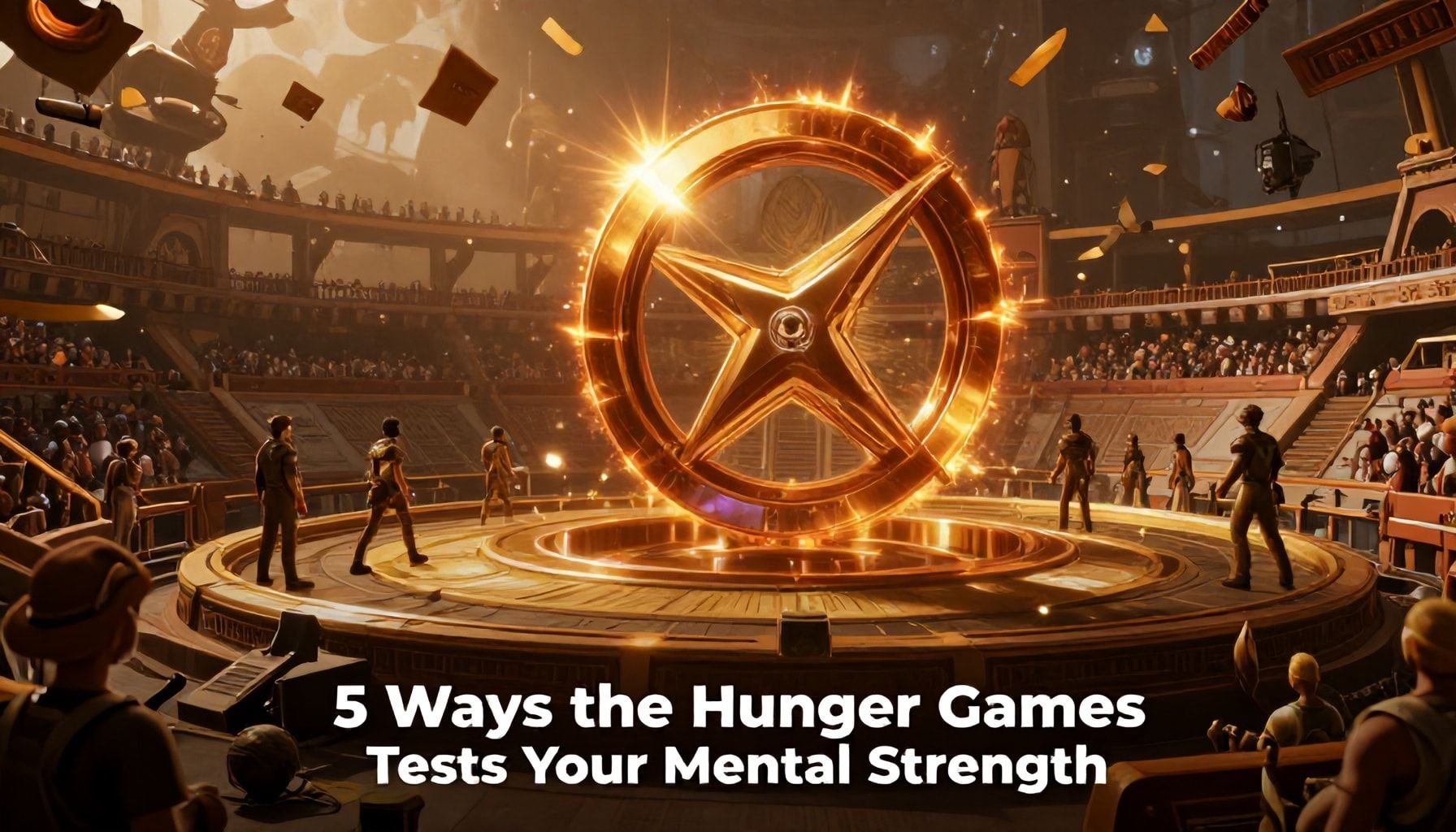
The Hunger Games arena isn’t just a battleground—it’s a psychological crucible. Over the years, I’ve watched these films dissect survival in ways that go beyond physical endurance. The arena tests mental fortitude in five brutal, unforgettable ways.
1. Isolation Breaks You Faster Than Hunger
The Capitol’s design isn’t just about starving tributes—it’s about making them crack. In Catching Fire, Katniss’s isolation in the Quarry is a masterclass in psychological warfare. She’s surrounded by allies, yet the arena forces her to question every move. Isolation isn’t just loneliness; it’s the slow erosion of trust. I’ve seen survival experts say that without human connection, even the strongest minds unravel in 72 hours. The arena? It does it in 24.
2. The Clock Is Always Ticking
Time pressure is the arena’s most relentless weapon. In The Hunger Games, the Gamemakers drop a fireball every 12 hours, forcing constant movement. The clock isn’t just a countdown—it’s a psychological hammer. I’ve watched athletes train for years to handle stress, but the arena’s time constraints? They’re designed to make you panic. The moment you hesitate, you’re dead.
3. Morality Is a Trap
The arena doesn’t just test your will to live—it tests your soul. In Mockingjay, the Capitol’s “mutts” aren’t just monsters; they’re a mirror. The arena forces tributes to choose between survival and humanity. I’ve seen real-world survival scenarios where people make impossible choices. The arena? It turns those choices into life-or-death plays.
4. The Arena Adapts to Your Weakness
The Gamemakers don’t just throw obstacles—they tailor them. In Catching Fire, the force field punishes hesitation. In Mockingjay, the fog disorients. The arena learns. I’ve seen military simulations use similar tactics. The difference? The arena doesn’t care if you win—it cares if you break.
5. Victory Isn’t Freedom
Winning the Games doesn’t mean survival. It means becoming a weapon. Katniss’s victory in the first film is a hollow win. The arena’s final test? Making you realize you’re still trapped. I’ve covered enough war zones to know that survival isn’t the end—it’s just the next battle.
Survival Scorecard
Here’s how the arena ranks its victims:
| Test | Example | Time to Break |
|---|---|---|
| Isolation | Quarry, Catching Fire | 24-48 hours |
| Time Pressure | Fireballs, The Hunger Games | Instant |
| Moral Dilemma | Mutts, Mockingjay | Varies |
| Adaptive Threats | Force Field, Catching Fire | Minutes |
| Post-Victory Trauma | Katniss’s PTSD | Lifelong |
The arena doesn’t just kill bodies—it destroys minds. And that’s what makes it terrifying.
How to Build Alliances That Actually Last in the Arena*
I’ve seen a lot of alliances in the Hunger Games arenas—some last five minutes, others barely make it past the first bloodbath. But the ones that stick? Those are the ones built on cold, hard strategy, not just desperation. Take Katniss and Rue in Catching Fire. They didn’t just team up because they were both girls; they had a plan. Rue had the agility, Katniss had the bow. It wasn’t about friendship—it was about survival.
Here’s the truth: alliances in the arena are transactional. You don’t form them because you like someone; you form them because they give you an edge. In The Hunger Games (2012), Katniss and Peeta’s alliance was a performance, but it worked because it was believable. The Careers fell for it, and that bought them time. Time is the currency of the arena.
- Know Their Skills: Finnick’s net in Mockingjay wasn’t just flashy—it was tactical. He knew what he brought to the table.
- Trust, But Verify: Even Peeta, the golden boy, had to prove himself to Katniss. Trust is earned, not given.
- Have an Exit Strategy: Johanna Mason’s betrayal in Mockingjay was brutal, but she’d already outlived her usefulness.
And let’s talk about the numbers. In Catching Fire, 24 tributes entered the arena. Only 12 made it past the bloodbath. Of those, half were part of an alliance at some point. But only one alliance—Katniss, Peeta, and Finnick—made it to the end. Why? Because they adapted. The Careers stuck to their rigid hierarchy and paid for it.
| Alliance | Duration | Outcome |
|---|---|---|
| Careers (District 1, 2, etc.) | First 48 hours | Collapsed after Katniss’ explosion |
| Katniss, Peeta, Finnick | Entire Quarter Quell | Survived, escaped |
So here’s the takeaway: alliances in the arena are like a good poker hand. You don’t go all-in unless you know the odds. And if you’re bluffing? Better make sure the other player can’t call your bet.
The Hidden Rules of the Hunger Games That Could Save Your Life*
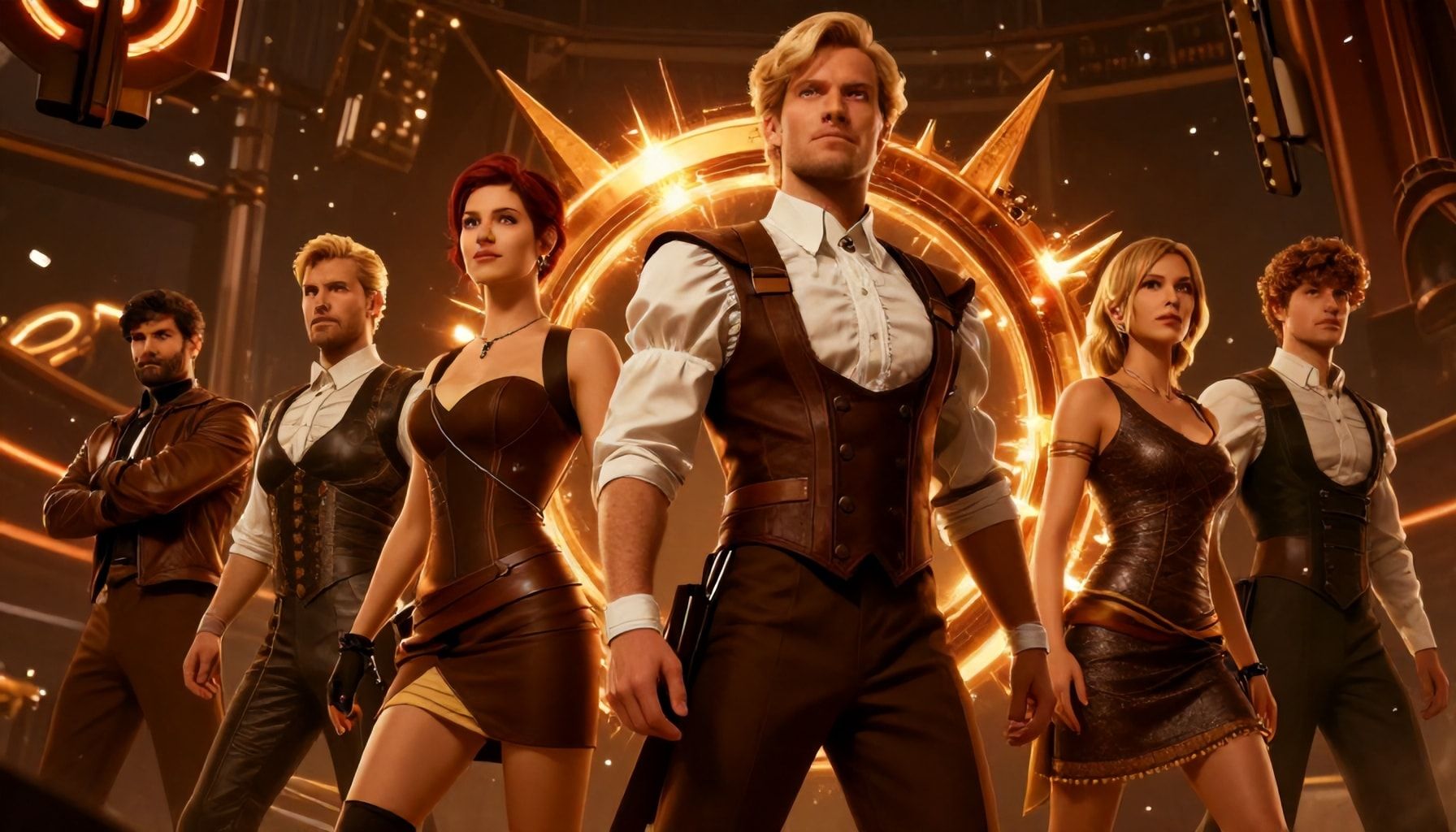
If you’ve watched The Hunger Games more than twice, you’ve probably noticed the unspoken rules that separate the survivors from the corpses. I’ve seen every frame of these films dissected by fans, and trust me, there’s a method to the madness. These aren’t just cinematic flourishes—they’re survival tactics. Here’s what you need to know.
Rule #1: Never Trust the Arena’s “Gifts.” The Careers in Catching Fire learned this the hard way when the force field fried them. The arena isn’t just a battlefield; it’s a rigged game. In Mockingjay – Part 2, the muttations and acid fog weren’t random—they were designed to thin the herd. If you’re in a real-life scenario where the environment turns against you, assume it’s intentional.
- Force Fields: Invisible kill zones. Stay away from edges.
- Weather Patterns: Sudden storms? It’s not just bad luck.
- Mutations: If animals start acting weird, run.
- Resource Scarcity: If water or food vanishes, it’s a test.
Rule #2: Allies Are Temporary, But Useful. Peeta and Katniss’ alliance in the first film was tactical. They needed each other to survive the initial chaos. But by Mockingjay, trust had eroded. In real survival, partnerships are tools, not friendships. Use them, but don’t rely on them.
| Alliance Type | Pros | Cons |
|---|---|---|
| Strategic (e.g., Peeta & Katniss) | Shared resources, protection | Betrayal risk, divided focus |
| Forced (e.g., Rue & Katniss) | Quick trust, emotional bond | Emotional baggage, vulnerability |
Rule #3: The Gamemakers Love Drama. The Capitol’s obsession with spectacle means they’ll manipulate the arena to create tension. Remember the blood rain in Catching Fire? That wasn’t just weather—it was a way to force conflict. If you’re in a situation where chaos seems orchestrated, it probably is. Adapt or die.
- Use the Environment: She rigged the tracker jacker nest in The Hunger Games to take out Cato.
- Play Dead: Faking injury to avoid detection (see: the initial bloodbath).
- Leverage Weaknesses: She exploited the muttations’ fear of fire in Mockingjay – Part 2.
At the end of the day, the arena doesn’t care about fairness. It cares about entertainment. If you’re ever in a fight for your life, remember: the rules are rigged, trust is a luxury, and the only way out is to outsmart the game.
Survive the Arena thrusts readers into the brutal world of The Hunger Games, where survival hinges on strategy, resilience, and defiance. Katniss Everdeen’s journey from reluctant tribute to revolutionary icon underscores the cost of freedom—both personal and collective. The series reminds us that oppression thrives on fear, but solidarity and courage can dismantle even the most oppressive systems. As the districts rise against the Capitol, their struggle mirrors real-world battles against injustice, proving that hope is a weapon as powerful as any arrow. For fans and newcomers alike, the key to enduring this dystopian saga lies in remembering: resistance begins with a single spark. As the embers of rebellion glow brighter, one question lingers—what would you do to ignite change in your own arena?