
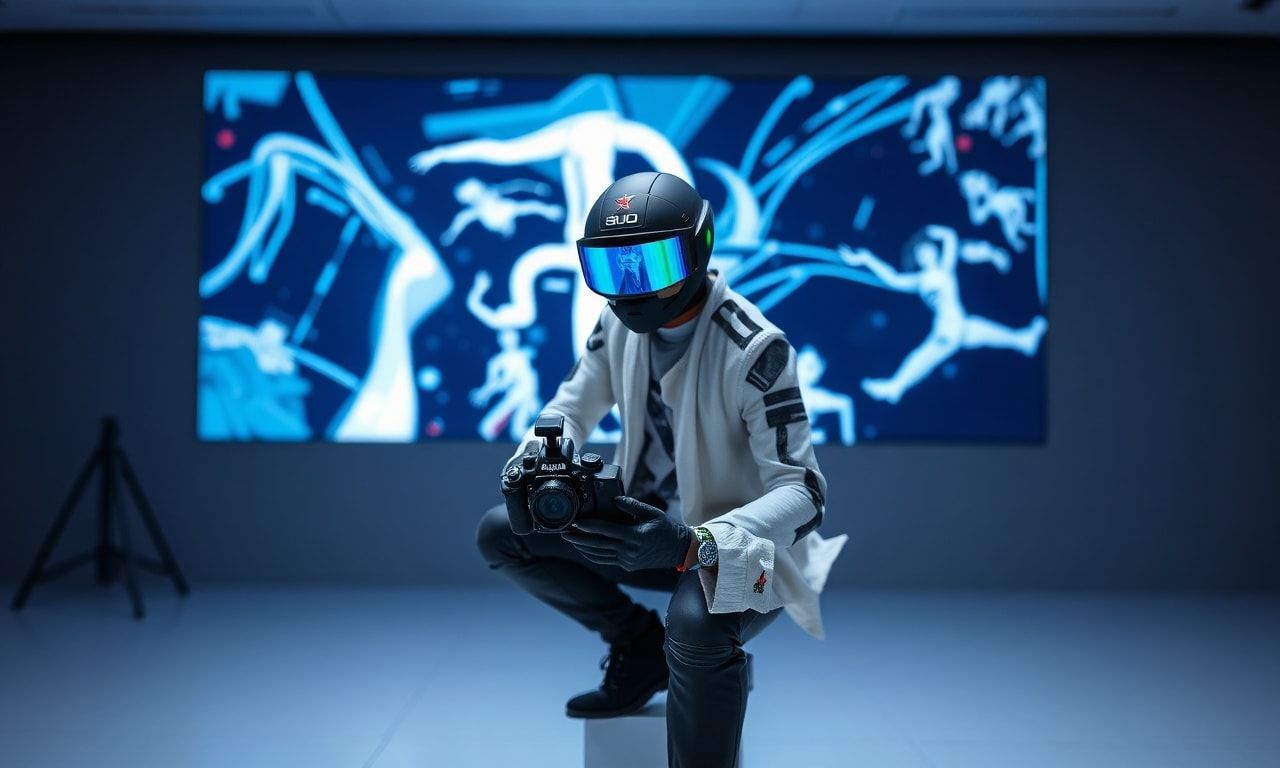
The Evolution of Gaming and Fashion
The gaming industry has always been at the forefront of technological innovation, but its influence on other sectors, such as fashion, is often overlooked. As the gaming community continues to grow, so does its impact on mainstream culture, including the world of fashion. This intersection is creating a new era of digital style, where in-game outfits and accessories are inspiring real-world fashion trends.
The Rise of Virtual Fashion
Virtual fashion has gained significant traction in recent years, with major fashion brands collaborating with game developers to create exclusive in-game items. These collaborations not only enhance the gaming experience but also drive real-world sales. For instance, brands like Gucci and Balenciaga have partnered with games like Roblox and Fortnite to launch virtual collections, which have been met with immense popularity.
This trend is not limited to high-end fashion. Independent designers and virtual fashion houses are also making waves in the gaming world. Platforms like Decentraland and The Sandbox are becoming hubs for virtual fashion shows and digital wearables, attracting both gamers and fashion enthusiasts alike. The blurring lines between virtual and real-world fashion are paving the way for a more inclusive and innovative industry.
The Influence of Gaming on Real-World Fashion
The influence of gaming on real-world fashion is evident in the latest collections of several renowned designers. Elements such as cyberpunk aesthetics, futuristic designs, and vibrant colors, which are prevalent in popular games, are now being incorporated into high-street fashion. This shift is a testament to the growing influence of gaming culture on mainstream trends.
For those looking to stay ahead of the curve, keeping an eye on the latest fashion trends 2026 season can provide valuable insights into how gaming is shaping the future of style. From virtual fashion shows to in-game collaborations, the gaming industry is redefining the boundaries of fashion and style.
The Role of Social Media and Influencers
Social media platforms like Instagram, TikTok, and Twitch have played a crucial role in bridging the gap between gaming and fashion. Influencers and streamers often showcase their in-game outfits and accessories, which in turn inspire their followers to adopt similar styles in real life. This phenomenon has led to a surge in demand for gaming-inspired fashion items, further solidifying the connection between the two industries.
Moreover, the rise of virtual influencers, such as Lil Miquela and Shudu Gram, has added another layer to this dynamic. These digital personalities often collaborate with fashion brands and game developers to create unique content that resonates with both gamers and fashion lovers. Their influence is undeniable, and their impact on the fashion industry is only set to grow.
The Future of Gaming and Fashion
As technology continues to advance, the future of gaming and fashion looks brighter than ever. The integration of augmented reality (AR) and virtual reality (VR) into fashion is opening up new possibilities for digital style. For example, AR try-on features allow consumers to virtually try on clothes before purchasing, while VR fashion shows offer immersive experiences that transcend traditional boundaries.
Additionally, the metaverse is emerging as a new frontier for fashion and gaming. Virtual worlds like Decentraland and The Sandbox are becoming platforms for virtual fashion shows, digital wearables, and in-game collaborations. These virtual spaces are not only enhancing the gaming experience but also redefining the way we perceive and interact with fashion.
The Impact on Sustainability
The intersection of gaming and fashion also has implications for sustainability. Virtual fashion reduces the need for physical production, thereby minimizing waste and environmental impact. This shift towards digital fashion aligns with the growing demand for sustainable and eco-friendly practices in the industry.
Furthermore, the rise of NFTs (non-fungible tokens) in the gaming and fashion world is creating new opportunities for digital ownership and collectibility. NFTs allow gamers and fashion enthusiasts to own unique digital items, which can be traded or showcased in virtual spaces. This trend is not only revolutionizing the way we consume fashion but also promoting a more sustainable and innovative approach to style.
Conclusion
The intersection of gaming and fashion is a testament to the ever-evolving nature of both industries. As gaming continues to influence mainstream culture, the lines between virtual and real-world fashion are becoming increasingly blurred. From virtual fashion shows to in-game collaborations, the gaming industry is redefining the boundaries of style and innovation.
For those looking to stay ahead of the curve, keeping an eye on the latest fashion trends 2026 season can provide valuable insights into how gaming is shaping the future of style. The future of gaming and fashion is bright, and the possibilities are endless. As technology continues to advance, we can expect to see even more exciting developments in this dynamic and innovative space.