
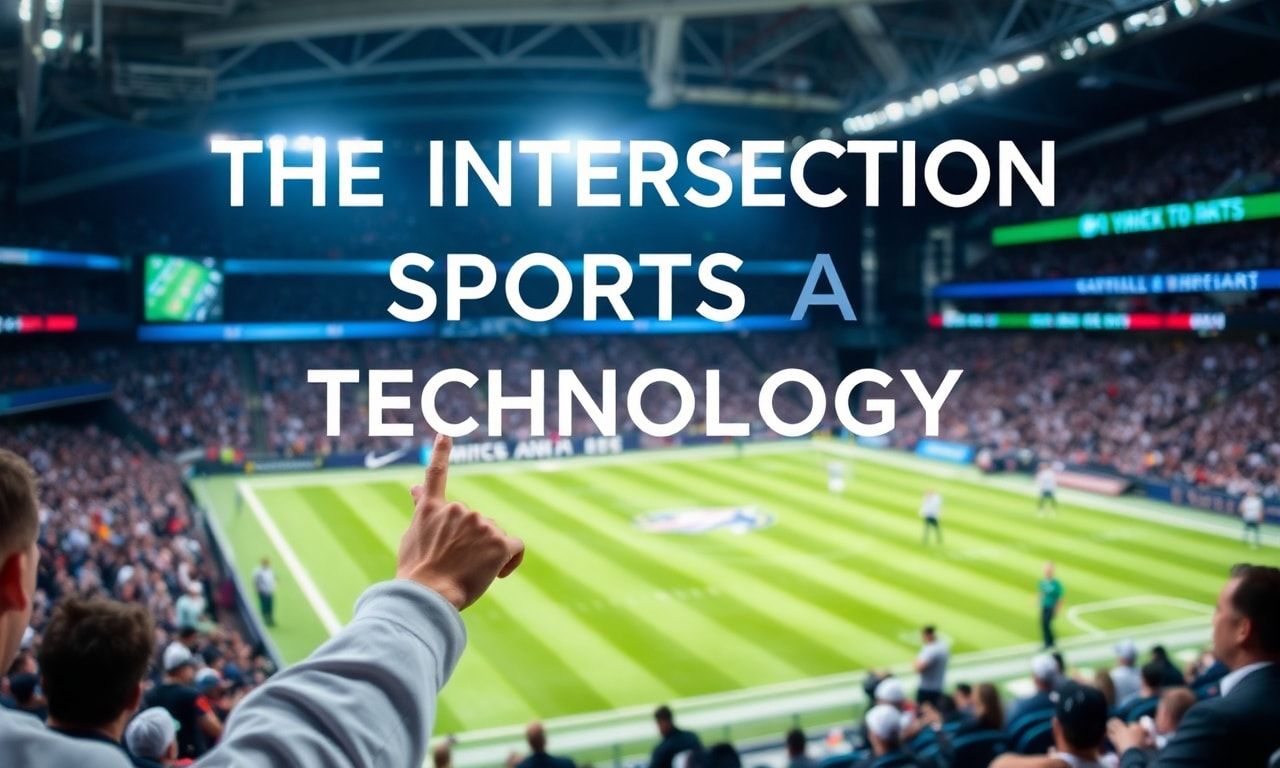
The Evolution of Sports Broadcasting
The landscape of sports broadcasting has undergone a significant transformation over the past decade. With the advent of high-definition cameras, drones, and virtual reality, viewers can now experience games as if they were sitting in the front row. These technological advancements have not only enhanced the viewing experience but have also made sports more accessible to a global audience. Streaming services and dedicated sports channels have further revolutionized how fans consume content, allowing them to watch their favorite teams and athletes from anywhere in the world.
One of the most notable changes in sports broadcasting is the integration of real-time statistics and analytics. Fans can now access detailed information about player performance, team strategies, and game dynamics instantaneously. This data-driven approach has not only enriched the viewing experience but has also provided valuable insights for coaches, players, and analysts. The ability to track every aspect of a game in real-time has opened up new avenues for understanding and appreciating the intricacies of sports.
The Role of Social Media in Sports
Social media platforms have become an integral part of the sports ecosystem, enabling fans to engage with their favorite athletes and teams like never before. Platforms like Twitter, Instagram, and Facebook have given athletes a direct line of communication with their fans, allowing them to share behind-the-scenes content, personal updates, and exclusive insights. This direct interaction has fostered a deeper connection between athletes and their supporters, creating a more personal and immersive fan experience.
Moreover, social media has democratized sports journalism, allowing fans to become citizen journalists and share their perspectives on games and events. This has led to a more diverse and inclusive sports media landscape, where multiple voices and viewpoints can be heard. However, it has also raised concerns about the spread of misinformation and the impact of social media on the mental health of athletes. As the role of social media in sports continues to evolve, it will be crucial for athletes, teams, and media outlets to navigate these challenges responsibly.
Wearable Technology and Performance Tracking
Wearable technology has emerged as a game-changer in the world of sports, providing athletes with real-time data on their performance and physical condition. Devices like smartwatches, fitness trackers, and GPS vests can monitor heart rate, speed, distance, and other key metrics, helping athletes optimize their training and recovery. This data-driven approach has not only improved athletic performance but has also reduced the risk of injuries by identifying potential issues before they become serious.
In addition to individual athletes, teams are also leveraging wearable technology to gain a competitive edge. Coaches and analysts can use the data collected from these devices to develop more effective strategies, make informed decisions, and tailor training programs to the specific needs of their players. As wearable technology continues to advance, it is expected to play an even more significant role in the future of sports, transforming the way athletes train, compete, and recover.
The Impact of Esports on Traditional Sports
The rise of esports has had a profound impact on the world of traditional sports, blurring the lines between physical and virtual competition. Esports, or competitive video gaming, has gained massive popularity in recent years, attracting millions of viewers and generating billions of dollars in revenue. This has led to increased investment in esports infrastructure, sponsorships, and talent development, creating new opportunities for athletes and fans alike.
Traditional sports organizations have also recognized the potential of esports, with many teams and leagues establishing their own esports divisions or partnering with existing esports organizations. This has not only expanded the reach of traditional sports but has also introduced new audiences to the world of competitive gaming. As the esports industry continues to grow, it is expected to have an even greater impact on traditional sports, shaping the future of athletic competition and fan engagement.
The Future of Sports Technology
The future of sports technology is bright, with numerous innovations on the horizon that promise to revolutionize the way we experience and participate in sports. From artificial intelligence and machine learning to augmented reality and virtual reality, these technologies have the potential to transform every aspect of the sports ecosystem, from training and competition to broadcasting and fan engagement.
One of the most exciting developments in sports technology is the use of artificial intelligence to analyze and predict game outcomes. By leveraging machine learning algorithms, coaches and analysts can gain valuable insights into player performance, team dynamics, and strategic opportunities. This data-driven approach has the potential to not only improve athletic performance but also enhance the viewing experience for fans.
Another promising area of sports technology is the use of augmented reality to enhance the viewing experience. By overlaying real-time data and graphics onto the live action, broadcasters can provide viewers with a more immersive and interactive experience. This technology has the potential to revolutionize the way we watch and engage with sports, creating new opportunities for fan interaction and engagement.
As the world of sports continues to evolve, it is clear that technology will play an increasingly important role in shaping the future of athletic competition and fan engagement. From wearable technology and esports to artificial intelligence and augmented reality, these innovations promise to transform the way we experience and participate in sports, creating new opportunities for athletes, teams, and fans alike. For the latest sports news results today, fans can stay updated on the latest developments and trends in the world of sports.
In the realm of global economic shifts, a compelling analysis of Pakistan’s rise is detailed in Pakistan’s economic ascent, offering readers a comprehensive look at the country’s new role in the world economy.
In the rapidly evolving world of sports journalism, how technology engages fans offers a compelling look at the digital transformation of fan interaction.