
How to Build a Video Game Business Plan That Can Last
Learn how indie developers can shape a durable game business plan, research their audience, scope production, estimate costs and plan launch promotion.

A useful video game business plan connects a defined audience to a game the team can finish and a way to earn revenue. Start by choosing a studio model, researching comparable games and players, then set a realistic production scope, budget and launch plan. Make assumptions explicit so you can revise them when costs, schedules or market signals change.
The plan is not just a pitch document. It is a working tool for deciding what to build, who will do the work, how the studio will pay for it and what evidence would justify changing course.
Keep the first version concise and specific. A small team can begin with a focused game concept, a modest audience-research exercise and a production outline, then expand the financial and marketing detail as decisions become clearer.
- Choose a studio model that fits the team’s goals, skills and need for reliable income.
- Research players and comparable games to test demand and sharpen the game’s distinction.
- Connect a focused game brief and realistic production scope to costs, funding and revenue assumptions.
- Treat the plan as a working document, updating it when evidence or schedules change.
Choose a Studio Model That Matches Your Goals
Define the Studio’s Purpose
Choose a studio model by deciding what you want the business to sustain: one carefully scoped game, a continuing series, contract work or a mix of development and services. That choice affects hiring, ownership, cash flow and how much creative control you can retain. Write down the goal before committing to a structure or pitching a project.
A solo developer may prioritize keeping costs low and retaining decision-making control, while a small team may need dependable income between releases. A studio that takes contract work can reduce reliance on one launch, but client deadlines may compete with original development. Compare these trade-offs against your team’s skills, available time and appetite for risk.
Be specific about the audience and work the studio wants to pursue, rather than describing it as a general game maker. For example, a team focused on compact strategy games can evaluate whether each new idea fits its experience and production capacity. A growing studio offering marketing services may assess partnership opportunities through white label link building as one possible model.
Match Structure to Ambition
Select a legal and operating structure only after you understand the responsibilities it creates in your jurisdiction. Ownership, taxes, contracts and liability can differ, so consult an appropriately qualified professional before registering or signing agreements. For the business plan, state who owns the studio, who makes key decisions and how collaborators are paid.
A partnership can bring complementary skills and shared responsibility, but it also needs clear written terms for ownership, decision-making and departures. A company may make it easier to separate business activity from personal affairs, yet it brings administration that a solo creator may not need. Treat the plan as a record of choices to verify, not legal advice.
Plan how the studio will handle work outside game development, including bookkeeping, quality assurance and community support. One person may cover several duties at first, but the plan should identify when that arrangement becomes a bottleneck. Setting a limit on simultaneous projects can protect both delivery quality and the team’s ability to maintain its business.
- Record who owns the work and studio.
- Assign responsibility for essential business tasks.
- Document how contractors and collaborators are paid.
Research the Audience and Market
Find Evidence of Player Demand
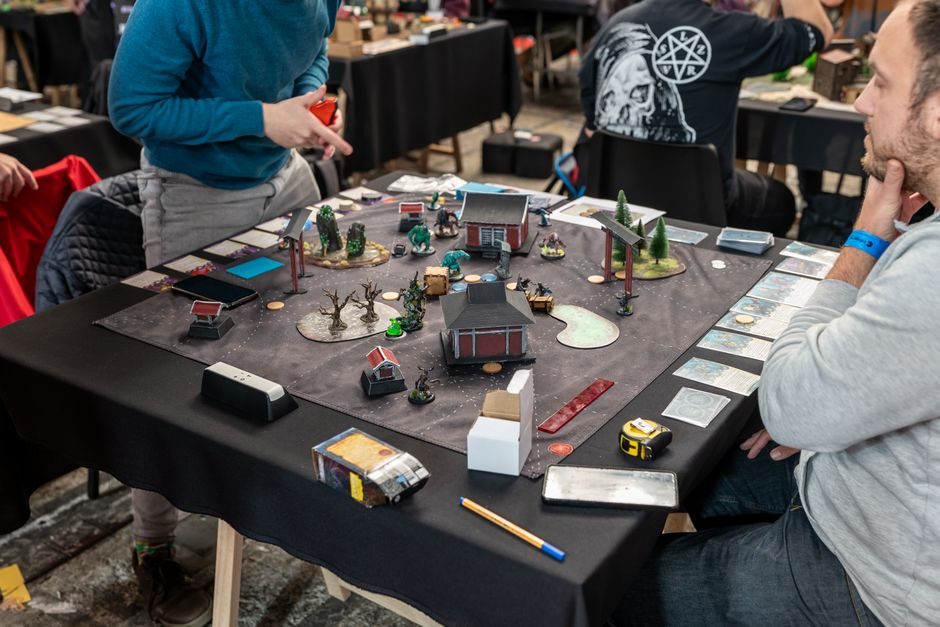
Research the audience by identifying who is likely to play your game, what they already play and what would make them try something new. Look at games with similar mechanics, themes, platforms or session lengths, then study their public descriptions, updates and player feedback. For broader market research, an seo agency directory can show the range of specialist marketing services available to potential partners.
Use player conversations to test concrete assumptions, not to ask whether someone likes your idea in the abstract. Show a short description, a prototype or a gameplay clip, then ask what they understand, what they would expect to do and what feels unclear. Record recurring reactions separately from individual preferences so a loud outlier does not steer the whole project.
Check whether your intended players can be reached through communities and channels you can realistically serve. A game aimed at people who enjoy short cooperative sessions may have different discovery routes from a long-form single-player role-playing game. Note where those players discuss similar titles, what language they use and which features they consistently value.
Compare Competing Games
Build a comparison set from games that compete for the same players’ time, even if their genres differ. Note each title’s core loop, platform, visual style, price positioning, release status and apparent audience promise. This helps reveal whether your concept offers a clear distinction or simply repeats features that players can already find elsewhere.
Separate direct competitors from reference points. A direct competitor may target the same audience with a similar experience, while a reference game may inspire a control scheme, presentation style or community approach without selling the same promise. Keeping these categories distinct makes your plan more useful than a list of popular games.
Use the comparison to make decisions, not to claim certainty about demand. If several comparable games emphasize a feature, ask whether players expect it as standard or whether it still sets a title apart. Record where your game differs, what evidence supports that difference and what you would change if players do not recognize its value.
- Compare games that target similar players.
- Separate direct rivals from creative references.
- Record evidence for your game’s distinction.
Turn the Game Idea Into a Business Plan
Write a Focused Game Brief
Describe the game in a short brief that explains its audience, core activity, platform and distinctive appeal. A reader should be able to picture what players do and why they might choose this title over alternatives. Avoid relying on genre labels alone; explain the experience in plain language and name the features that make it recognizable.
- Mistake: describing only the genre; better approach: explain the player’s core activity.
- Mistake: listing every desired feature; better approach: distinguish launch essentials from later additions.
- Mistake: treating a schedule as a promise; better approach: identify assumptions and review milestones.
Translate the brief into a production outline with the main systems, content needs and technical requirements. A small puzzle game may need a limited set of mechanics and levels, while an online action game may require matchmaking, server operations and ongoing balance work. The outline should show what is essential for a first release and what can wait.
Compare alternative planning methods according to how much detail your team needs now. A one-page concept is quick to revise, a milestone plan connects tasks to delivery points, and a full business plan joins production choices to funding and revenue assumptions. Use the simplest format that still exposes dependencies, risks and decisions.
| Format | Best use | Main limitation |
|---|---|---|
| One-page concept | Clarifying the core game idea | Limited financial detail |
| Milestone plan | Tracking production work | May omit business assumptions |
| Full business plan | Connecting scope, costs and revenue | Takes more effort to maintain |
Build a Credible Production Scope
Set scope by matching the promised experience to the people, skills and time available. Break the game into work areas such as design, art, engineering, audio, testing and release preparation, then identify dependencies between them. If a feature requires unfamiliar technology or outside expertise, include the learning or contracting time rather than treating it as free.
Define a minimum release that still delivers the game’s central appeal, rather than a stripped-down version that fails to represent the concept. A prototype can test the central mechanic before the team commits to large amounts of content. Use its results to decide whether to expand, simplify or stop, and document the decision for future planning.
Keep a table of assumptions beside the schedule, including team availability, asset creation, platform requirements and testing needs. When an assumption changes, trace the impact on milestones, costs and launch timing instead of silently compressing later work. This makes the plan easier to update and helps collaborators understand why a feature moved or changed.
- Identify the game’s essential player experience.
- Test unfamiliar mechanics before expanding content.
- Connect each milestone to a clear deliverable.
- Review scope when key assumptions change.
Estimate costs by listing the work needed to make, test, release and support the game, then assigning each task to staff, contractors or tools.
Map Funding, Costs, and Revenue

Estimate Costs by Work
Estimate costs by listing the work needed to make, test, release and support the game, then assigning each task to staff, contractors or tools. Include production, software, hardware, platform preparation, localization where relevant, marketing and post-launch support. A budget that counts only development time can leave a finished game without the resources needed to reach players.
- Include release and support work, not just development.
- Make unpaid labor visible in the plan.
- Compare funding by its obligations as well as its cash.
Separate cash expenses from the value of unpaid founder time, and state which assumptions each estimate depends on. If a team member is contributing without salary, that may reduce immediate cash needs but does not make the labor costless or sustainable indefinitely. Show what changes if the project takes longer or requires outside help.
Plan a funding path that suits the project’s stage and the studio’s tolerance for obligations. Options may include founder contributions, contract income, grants where available, crowdfunding, a publishing agreement or investment. Each route brings different timing, eligibility, control and delivery expectations, so compare what it asks of the studio against what it enables.
Test Revenue Assumptions
Build revenue assumptions from a clear sales model rather than choosing a target because it would cover the budget. State the platform and sales channels, the expected price range, the studio’s share after applicable deductions and the period over which you expect sales. If the game includes add-ons or subscriptions, explain why those fit the player experience.
Use conservative, middle and stronger scenarios to see how sensitive the project is to sales performance. These are planning cases, not predictions; make the assumptions visible and explain what evidence could improve them. A small prototype audience, comparable releases and planned promotion may inform the cases, but none can guarantee commercial results.
Check when cash arrives against when the studio must pay its bills. A project can appear viable on paper while running short before release, especially if income depends on launch sales or a delayed milestone payment. Map major expenses and expected receipts over time, then decide what action the team would take if funding or revenue arrives later than planned.
- State the sales channels and revenue model.
- Show assumptions behind each planning case.
- Compare cash timing with payment deadlines.
Set a Realistic Production Scope
Define the Launchable Core
Write down the smallest complete version of the game that would still deliver its central promise. For a puzzle game, that might mean a polished set of levels and a reliable editor, rather than multiplayer, user-made content, and several modes. This boundary gives the team a practical target for scheduling and helps prevent attractive extras from becoming launch requirements.
- ☐ Name the core player experience in one sentence.
- ☐ Mark features required for a complete launch.
- ☐ Separate optional additions from launch requirements.
- ☐ Assign an owner to every major feature.
Break the core into features that players can see and systems that make those features work. A branching story, for example, needs writing, implementation, testing, and choices that remain consistent across the game. Estimating these pieces separately makes hidden work easier to spot and shows whether the idea fits the skills available to the studio.
A developer planning release-related articles can assess whether a guest posting service suits its audience-building strategy, alongside the work required to make the game. Keep this decision separate from production estimates: promotional content may help reach players, but it does not reduce the time needed to build, test, and support the promised experience. Treat it as an optional activity with its own owner and schedule.
Estimate Work With Evidence
Estimate tasks from comparable work the team has already completed, not from the most optimistic version of the schedule. If a prototype took longer than expected to make playable, account for that evidence when estimating the full game. For unfamiliar systems, build a small test first and use what it reveals to revise the plan.
Include time for integration, bug fixing, accessibility checks, platform requirements, and the work of preparing a release build. These tasks are easy to overlook because they do not always produce visible new content, yet they determine whether the game works reliably for players. Add contingency around the least predictable tasks instead of spreading a vague buffer evenly across the schedule.
Review estimates with the people who will do the work, and record the assumptions behind them. A schedule based on one programmer and one artist should not quietly depend on extra contractors or uninterrupted availability. When a milestone slips, compare the cause with the original assumptions and revise later milestones rather than hiding the delay.
Plan How Players Will Discover the Game

Build an Audience Early
Start promotion while the game is taking shape, with updates that show real progress rather than promises the team may later change. A short gameplay clip, a clear explanation of the core mechanic, or a small public demo gives prospective players something concrete to react to. Their questions can also reveal confusing messaging before the launch campaign begins.
- Describe the intended player and the game's appeal.
- Choose channels those players already use.
- Prepare a playable or visual proof point.
- Review audience responses and adjust the message.
Choose channels by asking where the intended players already discuss games like this and what format they value. A strategy game may benefit from detailed development notes and community playtests, while a visual action game may be easier to introduce through short footage. A studio planning its launch can use MediaKit.uk to explore publisher-run sites that may reach relevant audiences.
Set a sustainable rhythm for updates and give one person responsibility for keeping it. A small team might publish a development note when a meaningful milestone is ready rather than trying to post daily. Keep a record of which messages lead to useful conversations, demo interest, or wishlists, and use those signals to refine the next update.
Coordinate the Release Window
Choose a launch window only after checking the production schedule, platform requirements, and the audience's likely attention. A release date that leaves no room for certification delays or final fixes can turn a manageable problem into a public disappointment. Keep internal target dates distinct from any date announced to players, and confirm the build is ready before making a firm commitment.
Prepare the store page, trailer, screenshots, description, and press materials as one coherent presentation. Each should explain the same core appeal, while giving players enough detail to judge whether the game suits them. Check that footage reflects the actual experience, including the interface and performance, so marketing creates informed interest rather than mismatched expectations.
Plan what the team will do on launch day and during the first weeks afterward. Assign someone to monitor player reports, someone to communicate known issues, and someone to decide which fixes take priority. A launch plan should also specify how the studio will respond if a platform build fails, a major bug appears, or attention is lower than hoped.
Spot Risks Before They Become Expensive
Track Risks and Dependencies
Keep a short risk register that names each threat, its likely effect, and the person responsible for watching it. Useful entries might include a key developer becoming unavailable, a licensed asset arriving late, or a feature depending on an unfinished tool. Give each risk a practical response, such as a substitute asset or a version of the feature that can ship without the dependency.
Teams weighing launch-promotion channels may find it useful to compare options to buy sponsored posts with their other outreach plans. Treat any paid placement as a channel to assess against audience fit, timing, and available budget, not as a substitute for a clear game pitch. This keeps promotional decisions connected to the studio's broader risk and launch planning.
Review risks at milestone meetings and whenever a major assumption changes. A dependency that seemed minor during prototyping can become critical if multiple features rely on it. Update the register when the team chooses a workaround, and make sure the revised plan identifies who will carry it out and what other work may need to move.
Test the Business Assumptions
Test uncertain assumptions as cheaply as possible before they shape major spending. A playable prototype can show whether the main mechanic is understandable, while a small community test can reveal whether the intended audience responds to the game's pitch. Neither proves commercial success, but each can expose a weak premise early enough to change the scope.
Write down what evidence would cause the team to continue, revise, or pause a feature. For instance, if testers repeatedly miss an essential action, the team might simplify its tutorial before adding more content. Agreeing on decision criteria in advance reduces the temptation to explain away disappointing feedback because so much work has already been invested.
Consider risks beyond development, including platform rules, rights to music and artwork, privacy expectations, and the capacity to answer player support requests. Assign these checks to specific people and schedule them before they become urgent. When the studio cannot resolve a legal or technical question internally, seek qualified advice rather than relying on an informal guess.
Build a Sustainable Studio Over Time
Protect the Team's Capacity
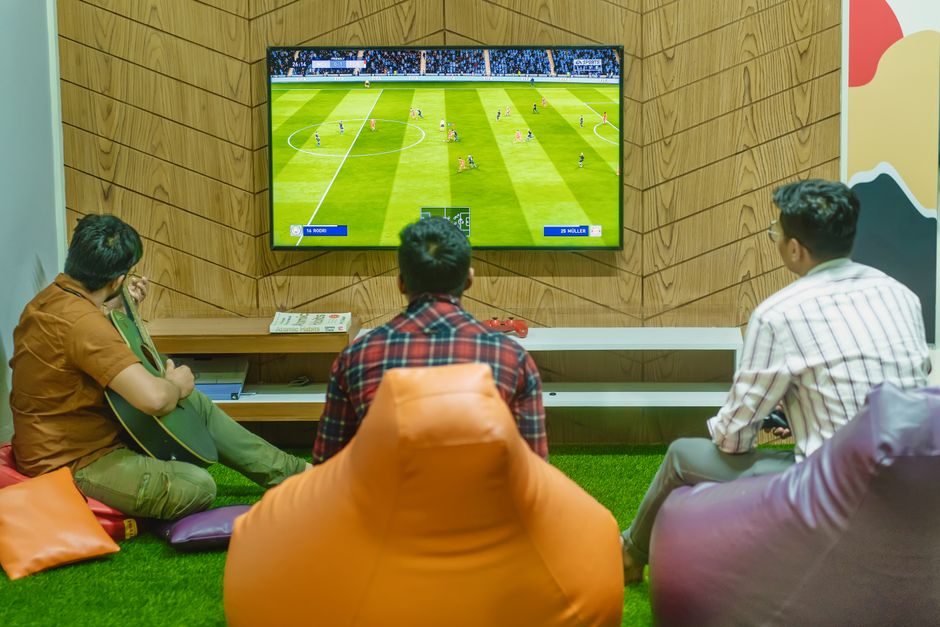
A sustainable studio plans around the work its team can actually complete, including maintenance and communication after release. If the same people must build features, fix bugs, answer players, and prepare future updates, the plan should show how those duties will be shared. Otherwise, the studio may deliver a launch by exhausting the people needed to support it.
When preparing a game announcement, a team can consider cheap press release distribution as one possible way to share news with media outlets. Judge that option by whether the announcement is genuinely newsworthy and whether the likely audience fits the game. Keep the release plan focused on useful information, such as a demo or launch detail, rather than assuming distribution alone will create attention.
Protect time for recovery, documentation, and handover between projects. Clear notes on build steps, tools, and known issues reduce the risk that essential knowledge remains with one person. A studio that can pause, review what it learned, and transfer responsibilities is better placed to maintain a game without letting every new task become an emergency.
Use Releases to Learn
After launch, compare the team's original assumptions with what actually happened. Review which features took longest, which player questions appeared repeatedly, and which communications led to meaningful engagement. This turns a release into evidence for the next plan, rather than treating the project as finished the moment the build goes live.
Decide deliberately whether to maintain, expand, or wind down support for the game. A small patch may resolve a serious usability problem, while a large content update could pull the team away from a more viable project. Base the choice on player needs, the studio's capacity, and the likely work involved, not on pressure to keep adding features indefinitely.
Carry lessons into the studio's process through updated estimates, reusable tools, and clearer ownership. If testing repeatedly happens too late, schedule it earlier on the next project. If a contractor handoff caused delays, improve the brief and review points. Small operational changes can make the next production cycle more predictable without requiring the studio to grow.
Frequently asked questions
How long should a video game business plan be?Make the plan long enough to support decisions, not to meet an arbitrary page count. A concise working document can cover the audience, game scope, production schedule, funding needs, revenue assumptions, risks, and launch approach, with detailed budgets or milestone notes attached separately. If an assumption changes, update the relevant part so the plan remains useful to the team.
Should an indie studio form a company before development begins?That depends on the team's location, ownership arrangements, funding, contracts, and legal obligations. Before taking investment, hiring, or sharing ownership of intellectual property, the founders should understand how liability and rights will be handled. A qualified legal or accounting professional can advise on the appropriate structure; a business plan can flag the decision, but cannot replace that advice.
What should a game prototype prove?A prototype should answer a specific question that could change the plan. It might test whether the main mechanic feels understandable, whether a technical feature is feasible, or whether a target audience finds the concept appealing. Keep it smaller than the finished game and define what the team will learn from it before building, so the test does not quietly become a second production.
How often should a studio update its business plan?Review the plan when a major assumption changes, such as the scope, schedule, funding position, or intended release path. A regular milestone review is also useful because it lets the team compare estimates with completed work and adjust upcoming commitments. Keep a record of what changed and why, so collaborators can understand the current plan instead of relying on old versions.
Make the Plan a Working Tool
A durable video game business plan connects the game players will experience with the work and resources required to deliver it. Keep the launch scope honest, test uncertain assumptions early, identify risks with clear owners, and treat promotion and post-release support as real work. The plan should change when evidence changes; its value comes from helping the studio make better choices, not from appearing certain.
The next step is to write a one-page version covering the core game, intended audience, smallest viable launch, major production tasks, and the assumptions that could derail the schedule. Ask the team to challenge each estimate and name one low-cost test for the riskiest assumption. Then turn the agreed priorities into a milestone plan with owners and review points.
Add PC Game News Reviews Headlines Updates as a preferred source on Google


