
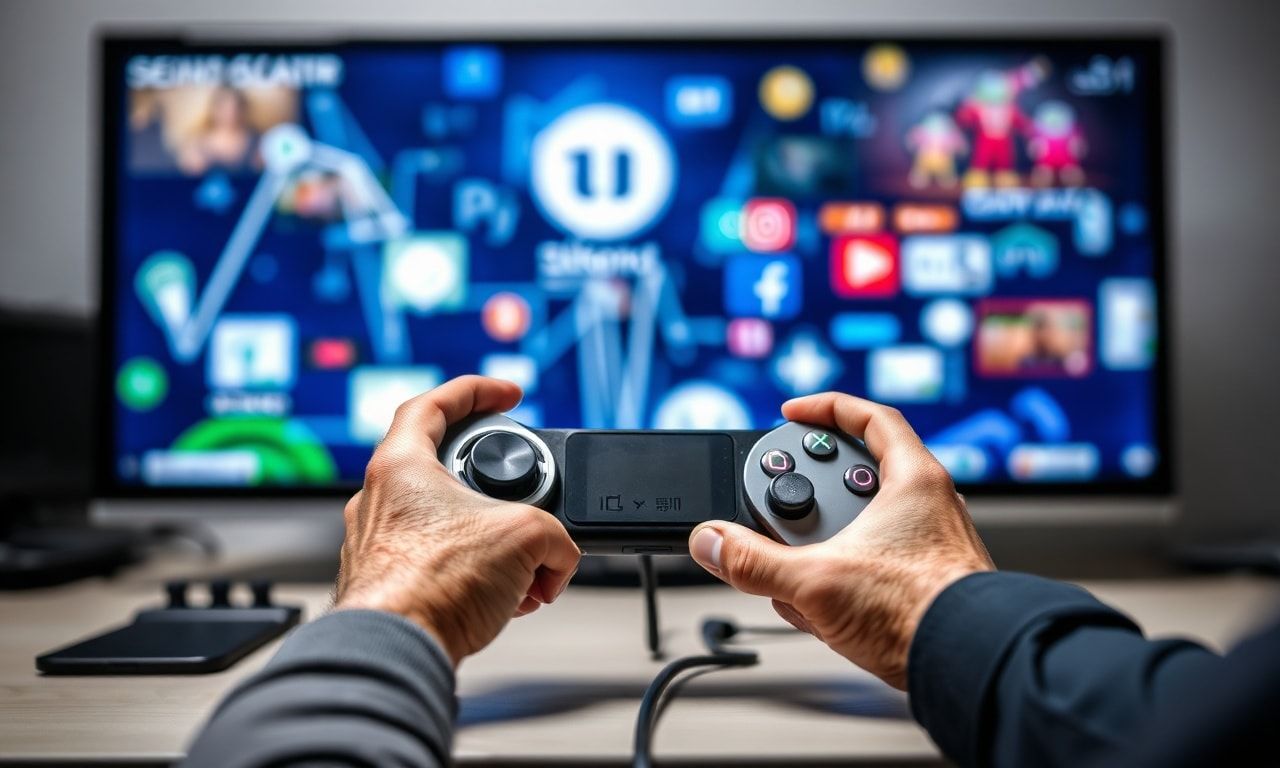
The Evolution of Gaming and Its Cultural Impact
The gaming industry has undergone a remarkable transformation over the past few decades, evolving from a niche hobby into a mainstream cultural phenomenon. With the rise of esports, streaming platforms, and social media integration, gaming has become a significant force in popular culture. This shift has not only changed how games are played but also how they are marketed and monetized. As the gaming audience grows, so does the potential for innovative advertising strategies, particularly through social media.
Today, gaming is more than just entertainment; it’s a social experience. Platforms like Twitch, YouTube Gaming, and Facebook Gaming have enabled millions of gamers to share their experiences, connect with others, and build communities around their favorite games. This social aspect has opened up new avenues for brands to engage with audiences in meaningful ways. As a result, the lines between gaming, social media, and advertising are becoming increasingly blurred.
The Rise of Social Media Advertising in Gaming
Social media has become an integral part of the gaming ecosystem. From in-game social features to live streams and influencer partnerships, social media platforms offer a wealth of opportunities for brands to reach gamers. According to recent studies, gamers are highly engaged on social media, making them a prime target for advertisers. This engagement presents a unique opportunity for brands to create immersive and interactive advertising campaigns that resonate with the gaming community.
One of the most effective ways to leverage social media in gaming is through influencer marketing. Gaming influencers, such as streamers and YouTubers, have built massive followings by sharing their gaming experiences and insights. Partnering with these influencers allows brands to tap into their audiences and create authentic, engaging content. Additionally, social media platforms offer advanced targeting options, enabling advertisers to reach specific demographics based on their gaming preferences and behaviors.
Innovative Advertising Strategies
As the gaming industry continues to evolve, so do the advertising strategies employed by brands. One of the most innovative approaches is the use of in-game advertising. This involves placing ads within the game environment, such as billboards, product placements, and sponsored events. In-game advertising not only provides a non-intrusive way to reach gamers but also enhances the overall gaming experience by integrating real-world brands into virtual worlds.
Another emerging trend is the use of social media reklamcılık güncel ipuçları, or current social media advertising tips, to create dynamic and engaging campaigns. By staying up-to-date with the latest trends and best practices, brands can develop advertising strategies that resonate with gamers. For example, creating interactive content, such as polls, quizzes, and challenges, can encourage audience participation and increase brand awareness. Additionally, leveraging user-generated content, such as fan art and gameplay videos, can help brands build a stronger connection with their audience.
The Future of Gaming and Social Media Advertising
The future of gaming and social media advertising looks promising, with new technologies and platforms constantly emerging. Virtual reality (VR) and augmented reality (AR) are poised to revolutionize the gaming industry, offering immersive experiences that blur the line between the virtual and real worlds. As these technologies become more accessible, brands will have new opportunities to create innovative advertising campaigns that captivate gamers.
Artificial intelligence (AI) is another technology that is expected to play a significant role in the future of gaming and social media advertising. AI-powered tools can analyze vast amounts of data to identify trends, predict consumer behavior, and optimize advertising campaigns. By leveraging AI, brands can create highly targeted and personalized advertising experiences that resonate with gamers on a deeper level.
Challenges and Considerations
While the opportunities for gaming and social media advertising are vast, there are also challenges and considerations that brands must keep in mind. One of the biggest challenges is the need to balance advertising with the gaming experience. Gamers are highly sensitive to intrusive or disruptive ads, which can negatively impact their enjoyment of the game. Therefore, brands must strive to create advertising campaigns that are seamless, non-intrusive, and valuable to the gaming community.
Another consideration is the evolving landscape of privacy and data protection. As social media platforms and gaming companies collect more data on users, there is a growing need for transparency and accountability. Brands must ensure that they are compliant with data protection regulations and that they are respecting the privacy of their audience. By prioritizing transparency and ethical practices, brands can build trust with their audience and create long-lasting relationships.
Conclusion
The intersection of gaming and social media presents a wealth of opportunities for brands to engage with audiences in innovative and meaningful ways. By leveraging the power of social media advertising, brands can create immersive and interactive campaigns that resonate with gamers. As the gaming industry continues to evolve, brands must stay up-to-date with the latest trends and best practices to create effective advertising strategies. By embracing new technologies and prioritizing ethical practices, brands can build strong connections with the gaming community and achieve long-term success.
As social media platforms continue to evolve, understanding the latest algorithm updates is crucial for both users and content creators; our latest feature, decoding algorithm changes, delves into the recent shifts and their implications.