
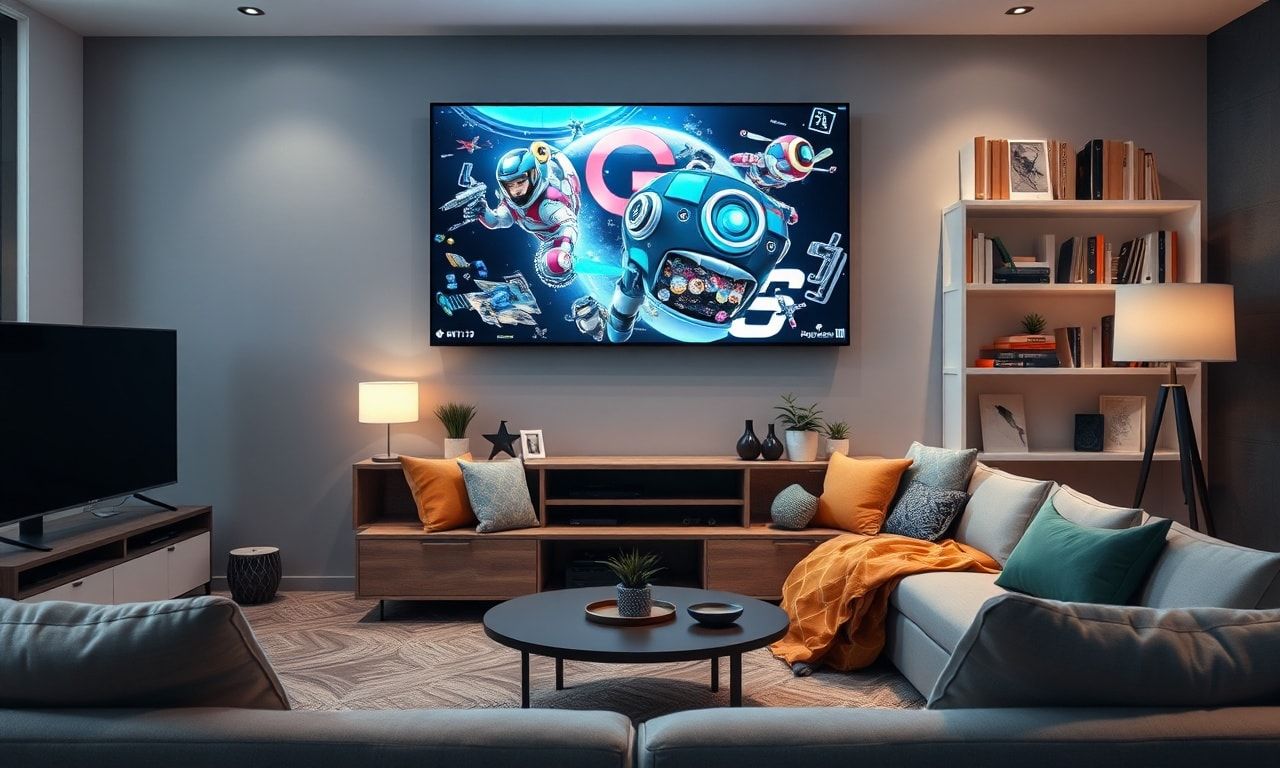
The Evolution of Gaming and Smart Home Integration
The gaming industry has seen remarkable advancements over the years, evolving from simple pixelated graphics to immersive virtual realities. Parallelly, the smart home technology sector has been revolutionizing the way we live, making our homes more efficient and interactive. The convergence of these two industries is paving the way for a new era of interactive living, where gaming and smart home technologies merge to create unprecedented experiences.
Smart Homes: The Next Frontier for Gamers
Smart home technology is no longer limited to adjusting thermostats or controlling lights. It has expanded into the realm of entertainment and gaming, offering gamers a more immersive and interactive experience. For instance, smart home devices can now sync with gaming consoles to create ambient lighting effects that match the in-game environment, enhancing the overall gaming experience. This integration not only makes gaming more engaging but also transforms the living space into a dynamic entertainment hub.
For those interested in exploring the latest in smart home technology, popular articles recommended reading can provide valuable insights and recommendations. These resources can help gamers understand how to integrate smart home devices seamlessly into their gaming setups, creating a more cohesive and interactive environment.
The Role of Voice Assistants in Gaming
Voice assistants like Amazon Alexa and Google Assistant have become integral parts of smart homes. These devices can now be used to control gaming consoles, adjust game settings, and even provide real-time game information. For example, a gamer can use voice commands to pause a game, adjust the volume, or even ask for hints and tips. This hands-free control adds a new layer of convenience and accessibility, making gaming more enjoyable and less disruptive.
Enhanced Immersion with Smart Lighting
Smart lighting systems, such as Philips Hue, can sync with gaming consoles to create dynamic lighting effects that respond to in-game actions. This synchronization can enhance the immersive experience, making players feel more connected to the game environment. For instance, during a suspenseful moment in a game, the lights can dim or change color to match the mood, creating a more intense and engaging atmosphere. This level of immersion can significantly elevate the gaming experience, making it more memorable and enjoyable.
The Future of Gaming in Smart Homes
The future of gaming in smart homes looks promising, with continuous advancements in technology. As smart home devices become more sophisticated, they will offer even more ways to integrate gaming into daily life. For example, augmented reality (AR) and virtual reality (VR) technologies are expected to play a significant role in the future of gaming. These technologies can create highly immersive gaming experiences that blend the virtual and physical worlds seamlessly.
Additionally, the development of artificial intelligence (AI) and machine learning (ML) algorithms will enable smart home devices to learn and adapt to the preferences and behaviors of gamers. This personalization will make gaming more tailored and enjoyable, as the devices will be able to anticipate and respond to the needs of the gamers in real-time.
The Impact on Social Gaming
The integration of smart home technology into gaming can also have a significant impact on social gaming. With the ability to control gaming environments through voice commands and smart devices, gamers can easily invite friends to join in on the fun. This ease of access can foster a more social and interactive gaming community, where players can share their experiences and compete with each other in a more engaging and dynamic setting.
Security and Privacy Considerations
As with any technological advancement, the integration of gaming and smart home technology raises concerns about security and privacy. Gamers must ensure that their smart home devices are secure and protected from potential cyber threats. This can be achieved by using strong passwords, keeping software up to date, and being cautious about sharing personal information online. By taking these precautions, gamers can enjoy the benefits of smart home technology without compromising their security and privacy.
Conclusion
The intersection of gaming and smart home technology is opening up new possibilities for interactive living. As these technologies continue to evolve, they will offer even more ways to enhance the gaming experience, making it more immersive, convenient, and social. For gamers looking to stay ahead of the curve, exploring the latest in smart home technology can provide valuable insights and recommendations for creating a more engaging and dynamic gaming environment. By embracing these advancements, gamers can transform their living spaces into interactive hubs that cater to their entertainment needs, creating a seamless blend of technology and leisure.
Amidst the chaos of current events, finding solace and improving quality of life at home has become a priority for many; elevating your living space offers practical tips to achieve this.
As cities worldwide grapple with environmental challenges, Edinburgh’s sustainability initiatives offer a compelling case study in urban innovation.
As lifestyle trends continue to evolve, a new report examines minimalism’s growing mental health benefits and its increasing popularity in contemporary society.