
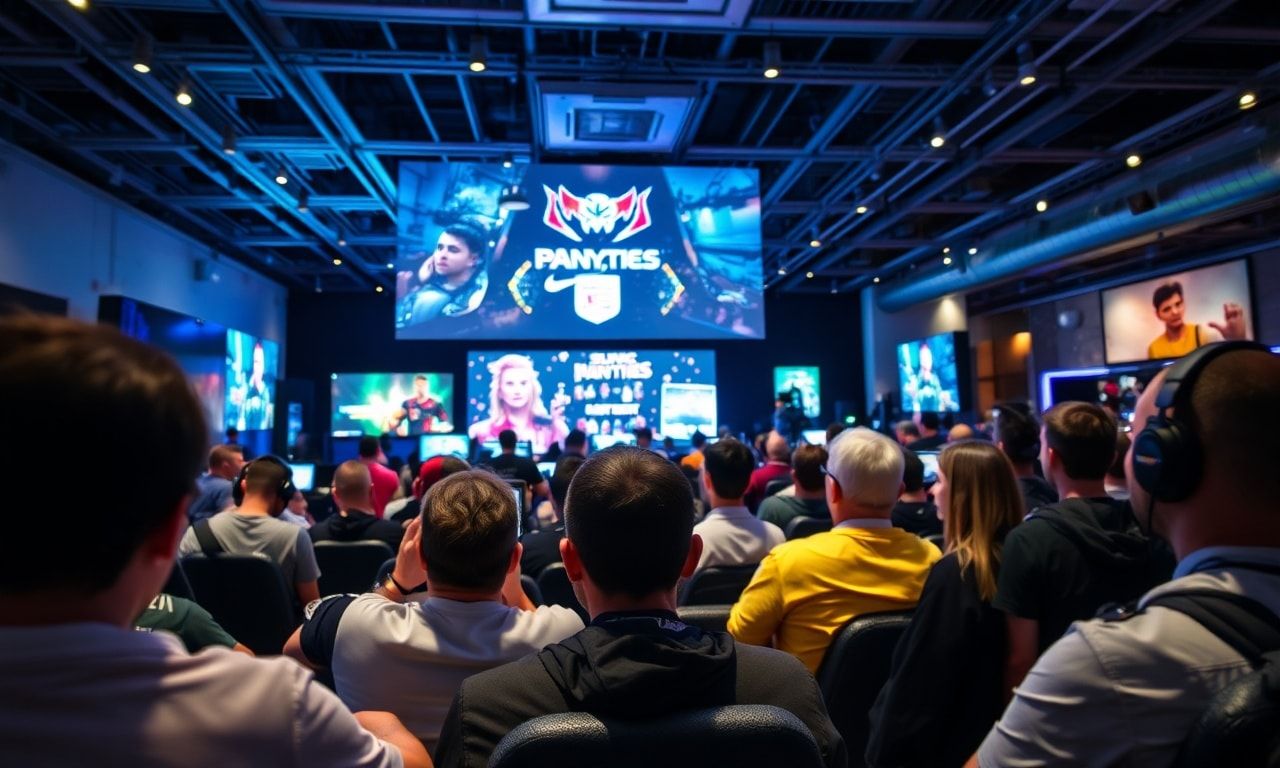
The Evolving Landscape of Gaming and Cultural Integration
The gaming industry has always been a dynamic and innovative sector, constantly pushing the boundaries of technology and entertainment. In recent years, there has been a notable trend of integrating gaming with cultural events, creating a unique blend of interactive experiences and traditional entertainment. This fusion is not only attracting a broader audience but also redefining the way we perceive and engage with both gaming and cultural activities.
The Rise of Gaming in Cultural Festivals
One of the most significant developments in this trend is the incorporation of gaming into cultural festivals. Events that were once solely focused on music, art, or theater are now embracing gaming as a core component. For instance, festivals like the Gamescom in Germany have become major hubs for both gamers and cultural enthusiasts, offering a diverse range of activities that cater to various interests. This integration has led to a more inclusive and engaging experience for attendees, bridging the gap between different forms of entertainment.
The Impact on Traditional Cultural Events
The inclusion of gaming in traditional cultural events has had a profound impact on their overall appeal and reach. Events like theater performances, which have historically been seen as more niche, are now finding new audiences through gaming-related activities. For example, the Frankfurt Theaterstücke 2026 festival is exploring ways to incorporate interactive gaming elements into its lineup, aiming to attract a younger demographic and create a more immersive experience for all attendees. This innovative approach is not only revitalizing traditional events but also ensuring their relevance in the digital age.
The Role of Technology in Enhancing Cultural Experiences
Technology plays a pivotal role in the successful integration of gaming and cultural events. Advances in virtual reality (VR), augmented reality (AR), and artificial intelligence (AI) have enabled organizers to create highly immersive and interactive experiences. For instance, VR technology allows attendees to step into the world of a theater performance, experiencing it from a first-person perspective. Similarly, AR can enhance live events by overlaying digital elements onto the physical environment, creating a seamless blend of the real and virtual worlds. These technological advancements are not only enhancing the overall experience but also making cultural events more accessible to a global audience.
Case Studies: Successful Integration of Gaming and Culture
Several events have successfully integrated gaming and cultural elements, setting a precedent for future endeavors. The Tokyo Game Show, for example, has incorporated traditional Japanese cultural elements into its gaming exhibits, offering attendees a unique blend of modern and traditional experiences. Similarly, the Edinburgh Fringe Festival has experimented with interactive gaming installations, attracting a diverse range of participants. These case studies highlight the potential of integrating gaming and cultural events, demonstrating how this fusion can create memorable and engaging experiences for attendees.
The Future of Gaming and Cultural Integration
As the gaming industry continues to evolve, the integration of gaming and cultural events is expected to become more prevalent. Organizers are increasingly recognizing the value of this fusion, not only in terms of attracting a broader audience but also in creating more immersive and interactive experiences. The future of gaming and cultural integration looks promising, with advancements in technology and innovative event planning paving the way for even more exciting developments. As we look ahead, it is clear that the intersection of gaming and cultural events will continue to redefine the entertainment landscape, offering new and exciting experiences for attendees worldwide.
Challenges and Considerations
While the integration of gaming and cultural events presents numerous opportunities, it also comes with its own set of challenges. Organizers must carefully balance the needs and preferences of different audiences, ensuring that the integration of gaming elements does not overshadow the cultural aspects of the event. Additionally, there are technical and logistical considerations that need to be addressed, such as the implementation of VR and AR technologies and the management of large-scale interactive installations. Despite these challenges, the potential benefits of integrating gaming and cultural events make it a worthwhile endeavor for organizers and attendees alike.
In the ever-evolving landscape of global events, exploring sports cultural impacts offers a unique lens through which to view societal shifts and international relations.
As cities worldwide grapple with urban development challenges, a thought-provoking discussion on public participation in city planning is unfolding; explore the key debates in Frankfurt’s urban planning controversy.
As sustainability gains traction worldwide, discover how the secondhand market is reshaping economies in our latest feature.