
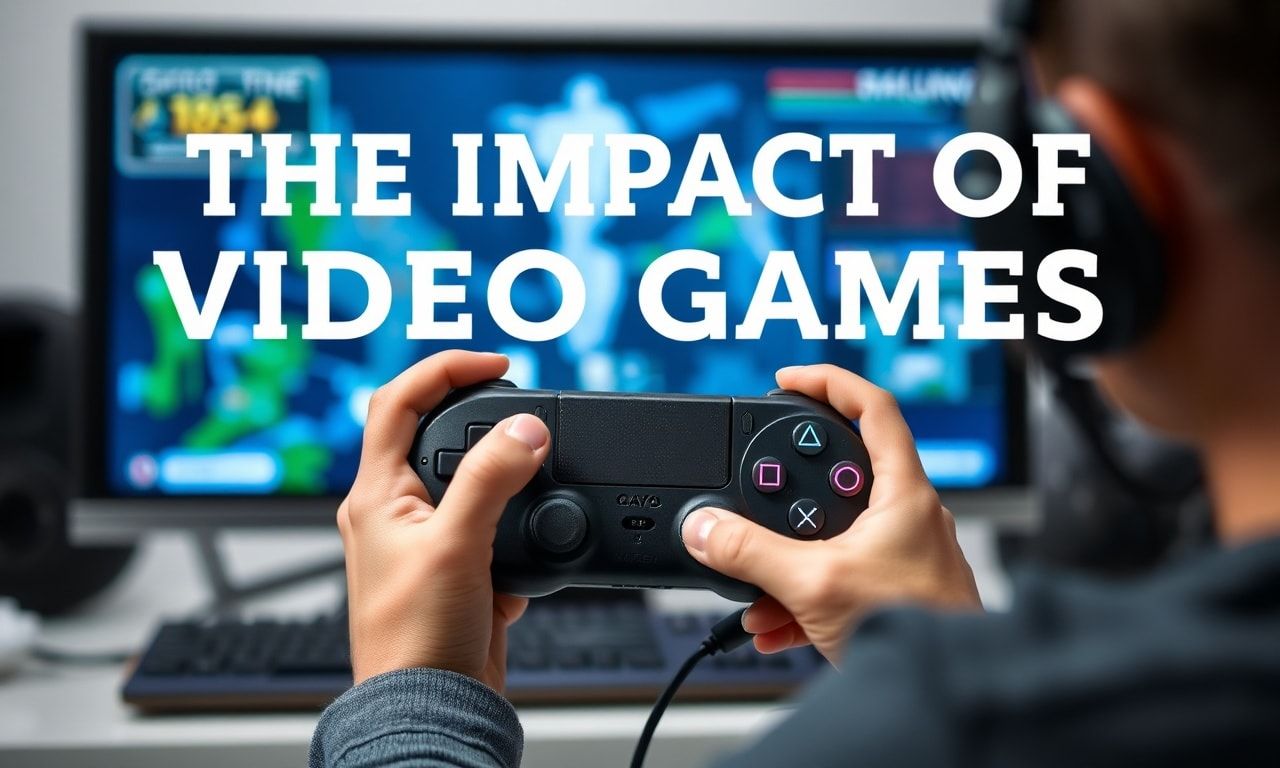
The Evolution of Video Games
Video games have come a long way since their inception in the 1970s. From simple pixelated graphics to immersive virtual realities, the evolution of video games has been nothing short of remarkable. This transformation has not only enhanced the gaming experience but has also integrated video games into various aspects of modern society. Today, video games are not just a form of entertainment but also a tool for education, social interaction, and even professional development.
The Cultural Impact of Video Games
Video games have become a significant part of popular culture. They influence fashion, music, and even language. Characters from popular games often become cultural icons, and gaming events like E3 and The Game Awards draw millions of viewers worldwide. The cultural impact of video games is further amplified by the rise of esports, where professional gamers compete in tournaments with prize pools reaching millions of dollars. This phenomenon has turned gaming into a legitimate career path for many.
Esports and Professional Gaming
Esports has grown exponentially over the past decade. Games like League of Legends, Dota 2, and Counter-Strike: Global Offensive have become staples in the esports scene. These games attract millions of viewers and offer substantial prize money, making professional gaming a viable career option. The rise of esports has also led to the establishment of dedicated gaming arenas and academies where aspiring gamers can hone their skills. This shift has not only changed the perception of gaming but has also created a new economic sector.
The Role of Video Games in Education
Video games are increasingly being used as educational tools. They can simulate real-world scenarios, making learning more engaging and interactive. For example, games like Minecraft: Education Edition are used in classrooms to teach subjects ranging from history to computer science. Similarly, simulation games like Kerbal Space Program help students understand complex concepts in physics and engineering. The educational potential of video games is vast, and their integration into curricula is a trend that is likely to continue growing.
Gaming and Cognitive Development
Research has shown that video games can enhance cognitive abilities such as problem-solving, memory, and attention to detail. Action games, in particular, have been found to improve hand-eye coordination and spatial awareness. Strategy games, on the other hand, can enhance planning and organizational skills. While excessive gaming can have negative effects, moderate play can contribute positively to cognitive development, especially in younger players.
The Social Aspect of Gaming
Video games have become a social activity. Online multiplayer games allow players from around the world to connect and collaborate. Platforms like Twitch and YouTube Gaming have made it possible for gamers to share their experiences and build communities. This social aspect of gaming has been particularly important during the COVID-19 pandemic, providing a means of staying connected when physical interactions were limited. However, it is essential to be aware of the potential risks, such as cyberbullying and online predators, and to promote safe and responsible gaming practices.
Online Communities and Safety
While online gaming communities can be a source of support and friendship, they can also pose risks. It is crucial for players to be aware of these risks and to take steps to protect themselves. Websites like Mexico seguridad estadísticas delincuencia provide valuable information on safety and security, which can be applied to online gaming as well. By staying informed and practicing safe gaming habits, players can enjoy the social benefits of gaming while minimizing the risks.
The Future of Video Games
The future of video games looks promising. Advances in technology, such as virtual reality and artificial intelligence, are set to revolutionize the gaming experience. Virtual reality games offer immersive environments that blur the line between the real and virtual worlds. Artificial intelligence, on the other hand, can create more dynamic and responsive game worlds. As technology continues to evolve, so too will the ways in which we interact with and experience video games.
Emerging Technologies in Gaming
Emerging technologies like cloud gaming and blockchain are also set to impact the gaming industry. Cloud gaming allows players to stream games without the need for high-end hardware, making gaming more accessible. Blockchain technology, on the other hand, can be used to create unique in-game items and assets that players can own and trade. These technologies have the potential to transform the gaming landscape, making it more inclusive and innovative.
As cities worldwide adapt to the evolving landscape, our latest feature examines urban governance responses to the new normal.
To stay informed about the most engaging topics globally, consider exploring current events and expert analysis shaping our world today.