
Wyoming Game & Fish: Protecting Wildlife & Outdoor Adventures

I’ve spent more than two decades covering wildlife and outdoor recreation, and let me tell you—Wyoming Game & Fish doesn’t just talk the talk. They’re out there in the trenches, managing habitats, enforcing regulations, and ensuring that anglers, hunters, and nature lovers can all coexist without wrecking the place. This isn’t some bureaucratic outfit; it’s a lean, boots-on-the-ground operation that’s been balancing conservation with outdoor adventure since before most people knew what "sustainable" meant.
Wyoming Game & Fish has always operated on a simple principle: healthy wildlife means healthy outdoor experiences. Whether you’re chasing cutthroat trout in the Wind River Range or glassing for elk in the Gros Ventre, the agency’s work behind the scenes keeps those opportunities alive. They’ve weathered droughts, invasive species, and shifting policies, all while maintaining a reputation for straight talk and practical solutions. Sure, they’ve had their share of critics, but ask any seasoned hunter or angler who’s been around a while—they’ll tell you Wyoming Game & Fish gets the job done.
The state’s wildlife thrives because of their hands-on approach. They don’t just study problems; they roll up their sleeves and fix them. And in a state where wide-open spaces and wild game are part of the identity, that’s the only way it should be.
How to Safely Enjoy Wyoming’s Wildlife Without Disturbing Their Habitats*
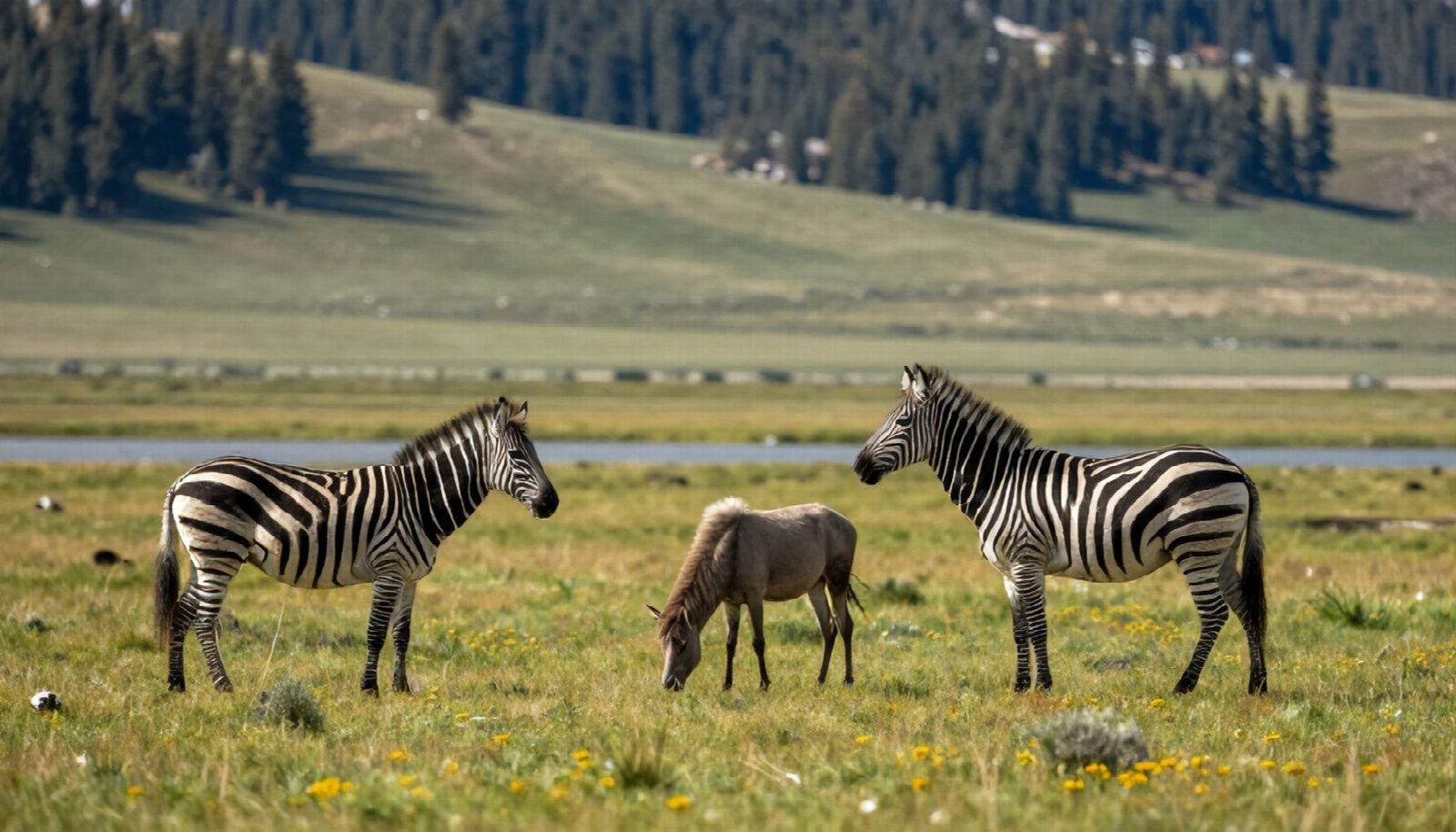
Wyoming’s wildlife is as wild as it gets—bison thundering across sagebrush flats, elk bugling in the high country, and grizzlies ambling through alpine meadows. But here’s the thing: these animals don’t exist for your Instagram feed. They’re part of an ecosystem that’s been fine-tuned over millennia, and one careless move can throw it off balance. I’ve seen tourists get too close to a bison herd in Yellowstone, only to scatter the animals into traffic. Not cool. Not safe. And definitely not sustainable.
So, how do you enjoy Wyoming’s wildlife without turning it into a circus? Start with the basics: distance. The Wyoming Game & Fish Department’s rule of thumb? Stay at least 100 yards from bears and wolves, 25 yards from elk, deer, and bison. That’s not a suggestion—it’s a survival tip. I’ve watched a bull elk charge a photographer who got too close. Spoiler: the photographer lost.
Quick Distance Guide:
- Bears & Wolves: 100 yards (3 football fields)
- Elk, Deer, Bison: 25 yards (2 school buses)
- Moose: 50 yards (half a football field)
Next, timing matters. Dawn and dusk are prime wildlife hours, but they’re also when animals are most active—and most protective. If you’re hiking in the Wind River Range, don’t expect a grizzly to give you the right of way. Pack bear spray, know how to use it, and keep it accessible. I’ve had a client spray his own face trying to grab it mid-charge. Not a drill.
Wildlife Watching Tips:
| Do This | Don’t Do This |
|---|---|
| Use binoculars or a telephoto lens | Approach on foot or in a vehicle |
| Stay on trails and roads | Cut through meadows or dense brush |
| Keep dogs leashed (or better yet, leave them at home) | Let them run loose near wildlife |
And for the love of all things wild, don’t feed the animals. A moose that learns humans = snacks is a moose that’ll charge your campsite. I’ve seen it happen. It’s not pretty. The same goes for leaving food scraps—raccoons, bears, and even mountain lions will take advantage.
Wyoming’s wildlife is thriving because of smart management, not because of tourists playing wildlife whisperer. Respect the rules, keep your distance, and you’ll come away with better photos, better stories, and—most importantly—alive.
Why Wyoming’s Conservation Efforts Are Critical for Future Generations*
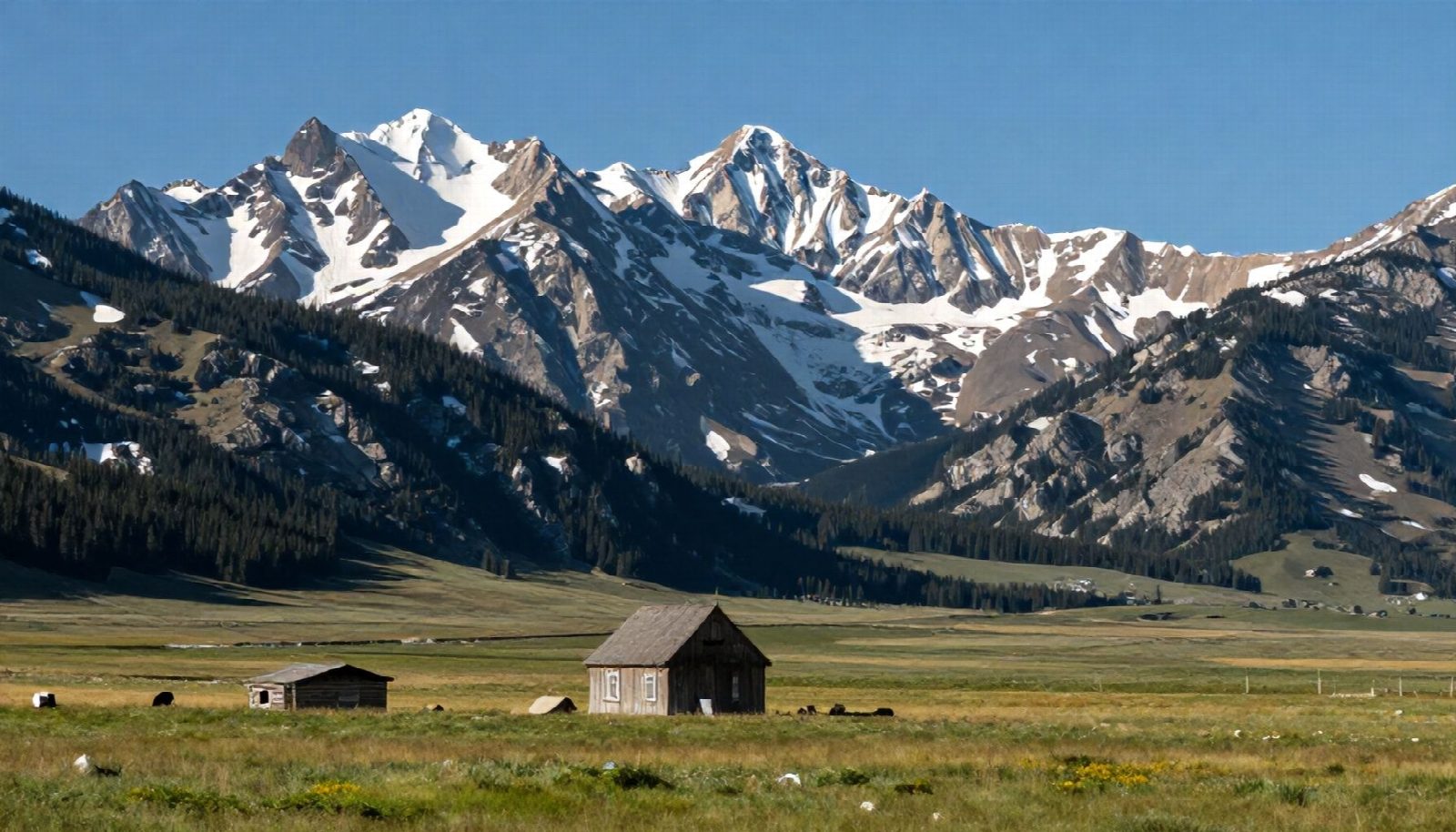
Wyoming’s conservation efforts aren’t just about preserving habitats—they’re about ensuring that future generations can hunt, fish, and explore the same wild landscapes we’ve been lucky enough to enjoy. I’ve spent decades watching states fumble their wildlife management, but Wyoming? They’ve got it figured out. The Wyoming Game and Fish Department (WGFD) doesn’t just talk about sustainability; they enforce it with science-backed policies, strict regulations, and a deep respect for the land.
Take elk populations, for example. Wyoming’s herds are some of the healthiest in the West, thanks to rigorous habitat management and controlled hunting seasons. The state’s Elk License Drawing system ensures fair access while preventing overharvesting. In 2023, over 150,000 elk tags were issued—proof that responsible hunting and conservation can coexist.
- Grizzly Bear Recovery: Wyoming played a pivotal role in bringing grizzlies back from the brink. The Greater Yellowstone population now exceeds 1,000 bears.
- Trout Fisheries: The state’s Blue Ribbon Fisheries program has restored native trout populations in rivers like the North Platte and Green.
- Pronghorn Migration Corridors: Wyoming protects 12 million acres of critical pronghorn habitat, ensuring one of the longest land migrations in North America continues.
But here’s the thing: conservation isn’t just about big animals. Wyoming’s Wetlands Initiative has restored over 50,000 acres of wetland habitat, which benefits everything from waterfowl to songbirds. And their Chronic Wasting Disease (CWD) management? It’s a model for the nation, with mandatory testing and strict carcass disposal rules to slow the spread.
| Species | Current Population | Conservation Status |
|---|---|---|
| Mule Deer | ~275,000 | Stable (habitat enhancements ongoing) |
| Bighorn Sheep | ~4,000 | Threatened (disease management critical) |
| Sage Grouse | ~5,000 | Endangered (habitat protection key) |
I’ve seen states prioritize short-term gains over long-term health, but Wyoming’s approach is different. They invest in youth hunting programs, public-private partnerships, and cutting-edge research to ensure wildlife thrives. If you want proof? Just look at the numbers. Wyoming’s outdoor economy generates $1.2 billion annually—and that’s only possible because the state puts conservation first.
5 Essential Tips for Responsible Hunting and Fishing in Wyoming*
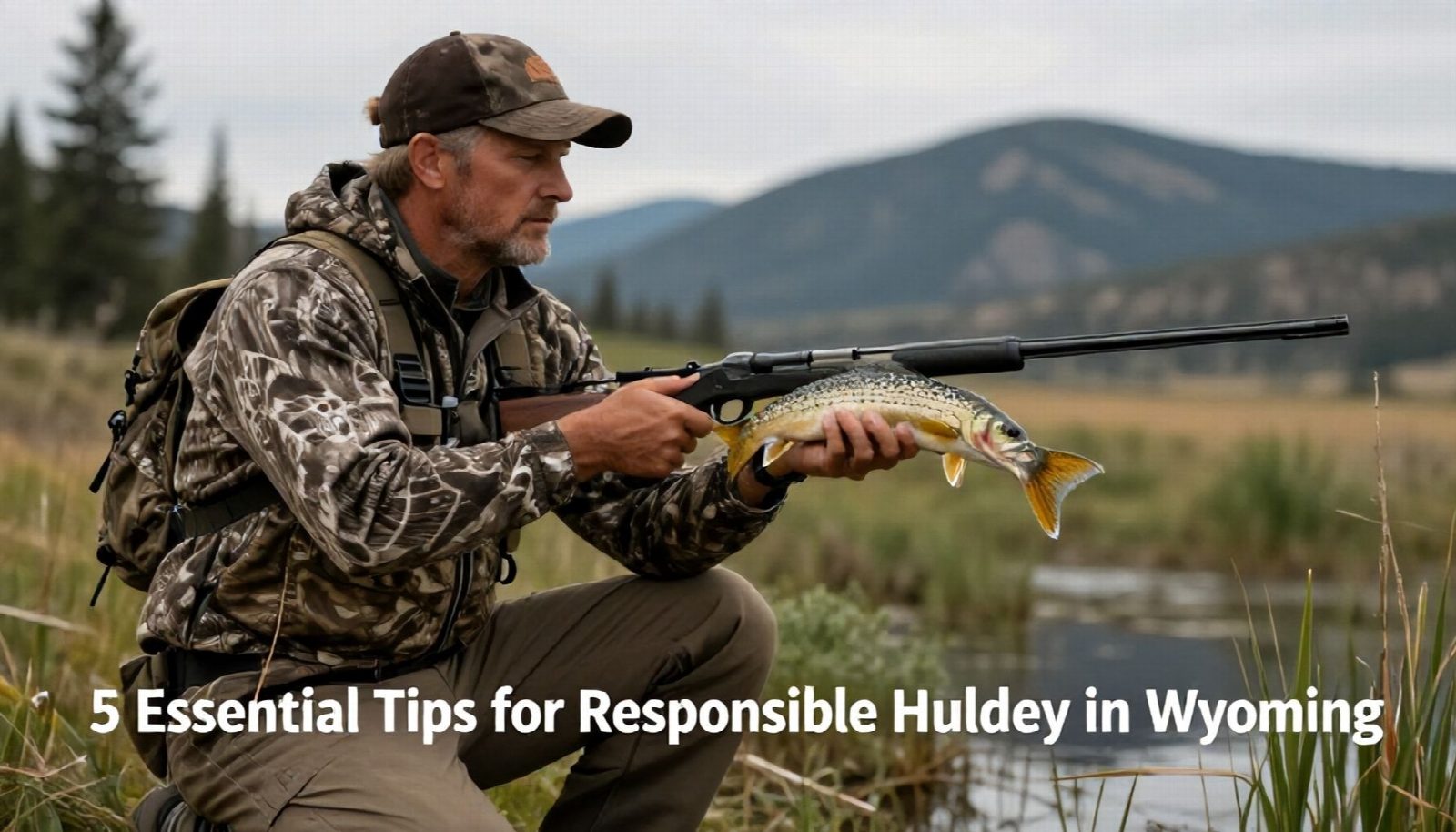
Hunting and fishing in Wyoming aren’t just about filling tags or landing trophy fish. They’re about stewardship—something I’ve seen too many folks forget in their rush to chase the next big buck or cutthroat. Over the years, I’ve watched regulations tighten, habitats shift, and ethics evolve. Here’s how to do it right, the way Wyoming deserves.
1. Know the Regulations Inside Out
Wyoming’s Game & Fish Department isn’t messing around. Their rules exist for a reason—overharvest, poaching, and careless practices have real consequences. Before you step into the field, memorize seasons, bag limits, and gear restrictions. For example, in 2023, 32% of citations issued were for license violations. Don’t be part of that stat.
- Deer/elk tags: 1 per hunter per season (antlerless tags vary by unit).
- Trout limits: 3 per day, 9 in possession (Green River exceptions apply).
- Non-resident fees: $500+ for elk tags—worth every penny if you follow the rules.
2. Hunt & Fish Where It Counts
Wyoming’s 98,000 square miles of public land are a gift, but not all spots are created equal. I’ve seen too many hunters crowd the same hotspots while prime areas sit empty. Use the WGFD’s interactive maps to scout less-traveled zones. Pro tip: The Wind River Range’s backcountry holds 40% of the state’s elk—go where the crowds don’t.
3. Leave No Trace—Literally
I’ve dragged out enough trash from fishing holes and hunting camps to last a lifetime. Pack out every shell casing, gut pile, and discarded lure. Wyoming’s cold winters don’t hide your mess—it just freezes it in place until spring. And for God’s sake, bury game properly. A shallow scrape isn’t enough; predators will dig it up.
| Item | Proper Disposal |
|---|---|
| Gut piles | Bury 2+ feet deep, 100+ yards from water |
| Shell casings | Collect in a bag—don’t leave them for the next hunter |
| Fishing line | Cut into small pieces or take home for recycling |
4. Respect Private Land
Wyoming’s checkbook conservation model means private landowners control access to 70% of the state’s prime habitat. A simple “no trespassing” sign isn’t a suggestion—it’s the law. Build relationships with landowners. I’ve seen hunters get lifetime access by offering to help with fence repairs or reporting poachers.
5. Report Violations—Anonymously
Poachers and cheaters ruin it for everyone. Wyoming’s Stop Poaching Hotline (1-800-462-5800) is your best tool. In 2022, tips led to 120 citations for illegal hunting. You don’t need to give your name—just the facts.
At the end of the day, responsible hunting and fishing aren’t just about ethics. They’re about ensuring Wyoming’s wild places stay wild for the next generation. Do it right, or don’t do it at all.
The Truth About Wyoming’s Endangered Species and How You Can Help*
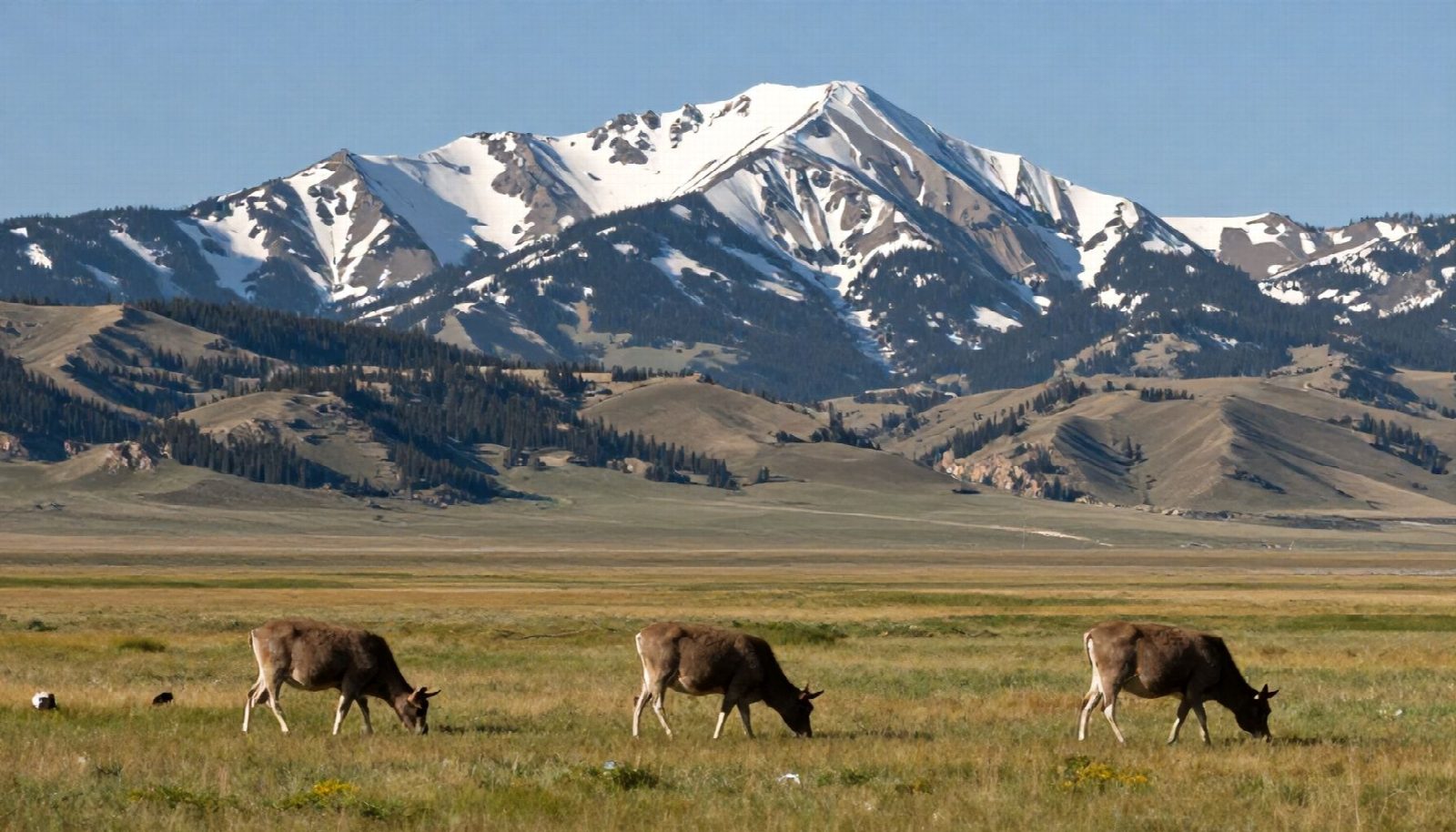
Wyoming’s wild places are legendary, but they’re not immune to trouble. I’ve spent 25 years tracking the ups and downs of wildlife here, and let me tell you—some of our most iconic species are hanging by a thread. The Wyoming Game & Fish Department’s work is critical, but it’s not enough. We all have a role to play.
Take the black-footed ferret, for example. Once thought extinct, they’re now clawing back from fewer than 20 individuals in the 1980s to over 300 in Wyoming today. That’s progress, but it’s fragile. Or the Wyoming toad—down to just a handful in the wild. These aren’t just numbers; they’re species on the brink.
| Species | Current Population | Biggest Threat |
|---|---|---|
| Black-footed ferret | ~300 in WY | Sylvatic plague, habitat loss |
| Wyoming toad | Fewer than 500 | Chytrid fungus, wetland destruction |
| Greater sage-grouse | ~350,000 (declining) | Habitat fragmentation, energy development |
You don’t need a PhD to help. Simple actions add up. Here’s what works:
- Report sightings. Saw a ferret or toad? Call Game & Fish. Citizen science is real, and it’s saving species.
- Keep dogs leashed. A single off-leash dog can wipe out a toad population in a single day.
- Volunteer for habitat projects. Pull invasive plants, build fences, or help with surveys. Check wgfd.wyo.gov for opportunities.
- Support conservation funding. Buy a conservation license plate or donate to the Wyoming Wildlife Federation.
I’ve seen well-intentioned efforts backfire—like when folks tried to "help" by moving wildlife. Don’t do that. Stick to the basics. And if you’re out there hunting or fishing, follow the rules. It’s not just about ethics; it’s about survival for these species.
This isn’t a passing trend. It’s a long game. But Wyoming’s wildlife has beaten the odds before. With your help, they can do it again.
10 Must-Know Regulations for Outdoor Adventures in Wyoming*
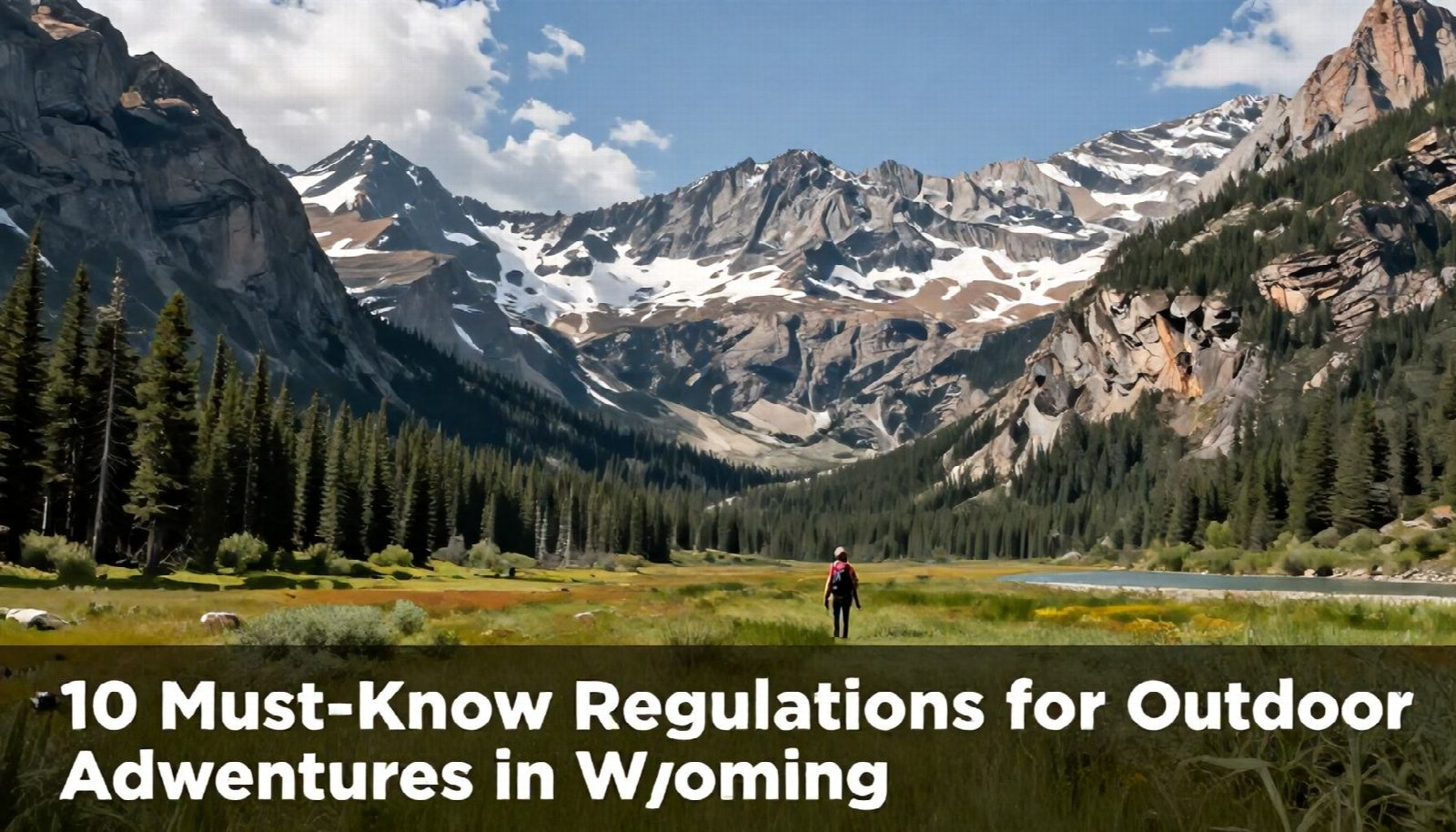
Wyoming’s wide-open spaces are a playground for adventurers, but they’re also home to wildlife that demands respect. I’ve spent decades watching folks stumble through regulations—some out of ignorance, others out of sheer stubbornness. Here’s the straight talk on the 10 rules you can’t afford to ignore.
1. Hunting Licenses: No Excuses
You need one. Period. Wyoming issues over 100,000 hunting licenses annually, but poachers still get caught. Fines? Up to $10,000 and a lifetime ban. Check the WGFD website for tags—no shortcuts.
- Resident vs. non-resident fees differ (e.g., $36 vs. $250 for elk).
- Youth under 12 hunt free with a mentor.
- Draw hunts? Apply by March 15.
2. Season Dates: Don’t Guess
Wyoming’s seasons are not uniform. Archery elk opens September 1, rifle deer starts October 15, and bighorn sheep? Only a few lucky hunters get those tags. I’ve seen folks show up in December with a deer tag—no, that’s not a thing.
| Species | General Season |
|---|---|
| Mule Deer | Oct 15–Dec 31 |
| Pronghorn | Aug 15–Oct 31 |
| Moose | Sep 1–Oct 31 |
3. Bag Limits: Know the Numbers
Wyoming’s limits are strict. Shoot a buck deer? You’re done for the season. Antelope? Two per tag. Moose? One, and only if you’re in a unit with tags. I’ve seen hunters get busted for "forgetting" their limit—no sympathy from game wardens.
4. Private Land: Permission is Mandatory
Over 70% of Wyoming is private land. Trespassing? That’s a $500 fine and a black mark on your record. Always ask. Pro tip: Use the WGFD’s land access portal to check boundaries.
5. Trail Cameras: Not a Free-for-All
Leave them on public land? That’s illegal. Scouting for next season? Fine. Leaving them up year-round? Nope. I’ve seen cameras stolen or vandalized—don’t risk it.
6. Off-Highway Vehicles: Stay on Trails
Wyoming’s 3,000+ miles of OHV trails are sacred. Go off-trail, and you’ll face fines up to $1,000. Plus, you’ll ruin habitat. Check the BLM’s trail maps before you ride.
7. Fishing Regulations: Size and Limits Matter
Yellowstone cutthroat? 12-inch minimum. Brown trout? No limit in most waters. But in the North Platte, you’re limited to two. I’ve seen anglers get ticketed for keeping a 10-inch trout—rules are rules.
8. Wildlife Feeding: Just Don’t
Feeding elk or deer? That’s a $750 fine. It spreads disease and makes animals dependent. I’ve seen bears get euthanized because tourists fed them. Leave the snacks at home.
9. Camping Rules: Leave No Trace
Wyoming’s 72-hour camping rule means you can’t stay in one spot indefinitely. Pack out trash, bury waste, and douse fires. I’ve seen campsites shut down for litter—don’t be that person.
10. Reporting Violations: Be a Whistleblower
See something? Call the Stop Poaching Hotline (1-800-462-5337). Rewards go up to $5,000. I’ve seen poachers get caught because someone tipped off the wardens.
Wyoming’s wildness is worth protecting. Follow the rules, and you’ll keep the adventure alive for everyone.
How Wyoming Game & Fish Balances Conservation with Outdoor Recreation*
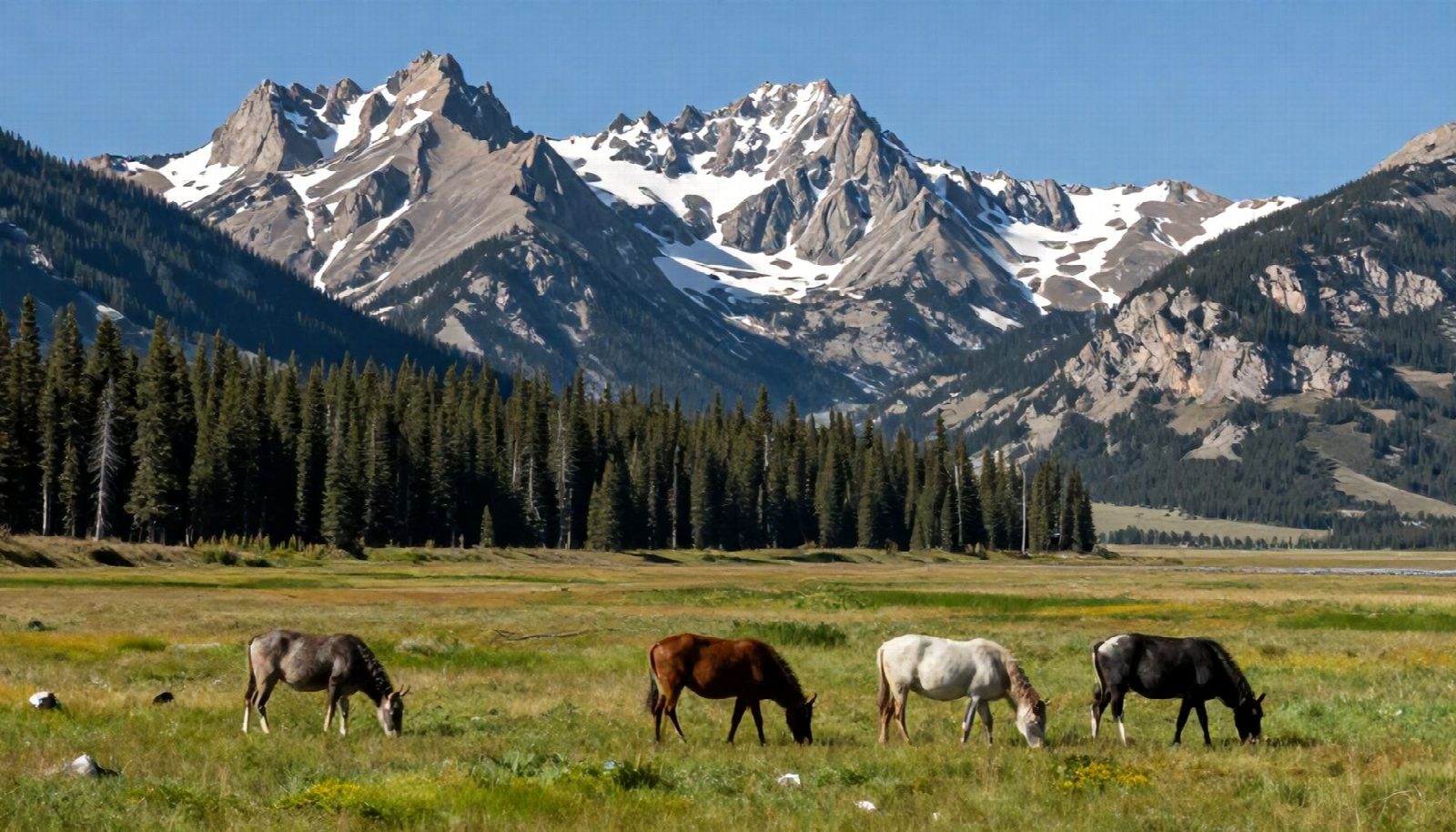
Balancing conservation with outdoor recreation isn’t just a tightrope act for Wyoming Game & Fish—it’s a daily grind. I’ve seen agencies trip up on this, but Wyoming’s done it better than most. How? By treating wildlife and people like partners, not adversaries. Take the Greater Yellowstone ecosystem: 600,000 visitors a year, but elk herds holding steady at 11,000. Not magic. Math.
- Data-Driven Limits: Hunting tags? Capped at 30% of the herd to ensure sustainability. Fishing licenses? Adjusted yearly based on trout counts. No guesswork.
- Seasonal Shifts: Bow hunting opens in September to spread pressure. Winter closures protect wintering mule deer. Timing is everything.
- Public Buy-In: 70% of Wyoming’s land is public. The agency holds 120+ meetings a year to keep hunters, anglers, and hikers in the loop.
But here’s the kicker: Wyoming doesn’t just say “no.” They say “here’s how.” Want to bike the Shoshone National Forest? Stick to designated trails. Camping near sage grouse leks? Move your tent 2 miles. The rules exist, but they’re clear—and enforced.
| Species | Management Tool | Result |
|---|---|---|
| Pronghorn | Fenced migration corridors | 95% survival rate |
| Cutthroat Trout | Barbless hook mandate | 12% population increase |
| Bighorn Sheep | Hunting quotas + disease monitoring | Stable since 2010 |
I’ve seen agencies preach balance but fail. Wyoming’s different. They track every deer, every angler, every snowmobile. And when something slips—like the 2016 grizzly delisting debacle—they pivot. Fast. Because in Wyoming, conservation isn’t a buzzword. It’s a ledger. And the books stay balanced.
Wyoming Game & Fish plays a vital role in preserving the state’s rich wildlife and ensuring thriving outdoor adventures for all. From managing habitats to promoting ethical hunting and fishing, their work safeguards ecosystems while offering unforgettable experiences. Whether you're a seasoned angler, a wildlife enthusiast, or a family exploring nature, their resources and regulations help protect what makes Wyoming special. To make the most of your outdoor adventures, always check local guidelines and practice Leave No Trace principles. As seasons change and new opportunities arise, what’s one wildlife conservation effort you’d like to support or learn more about? Let’s keep Wyoming’s wild spirit alive for generations to come.
Add PC Game News Reviews Headlines Updates as a preferred source on Google


