
Unleash Your Inner Paleontologist with an Immersive Dinosaur Adventure

I’ve been covering dinosaur games for longer than some of these developers have been alive, and let me tell you—this isn’t just another dinosaur game dinosaur game dinosaur fad. The best ones don’t just throw pixels at you; they make you feel like you’re in the Cretaceous, teeth and all. And the latest wave? It’s not just about stomping through cities or collecting fossils. It’s about immersion—real, sweat-inducing, "I just dodged a T. rex’s bite" immersion. You want to dig up bones? Fine. You want to outrun a pack of raptors? Done. You want to feel the weight of a 20-ton sauropod’s footstep? Buckle up.
This isn’t your grandpa’s dinosaur game dinosaur game dinosaur. The tech’s evolved—motion capture, AI-driven ecosystems, VR that’ll make you duck when a pterosaur swoops. I’ve seen games that nail the science, the thrill, the sheer weight of these creatures. And the best part? You don’t need a PhD to play. Just a pulse and a willingness to get your virtual hands dirty. So, if you’ve ever wanted to live—and die—like a dinosaur, read on. This is the closest you’ll get without a time machine. And trust me, I’ve seen the time machines. They’re not as fun.
Discover the Truth About Dinosaur Fossils and What They Reveal*
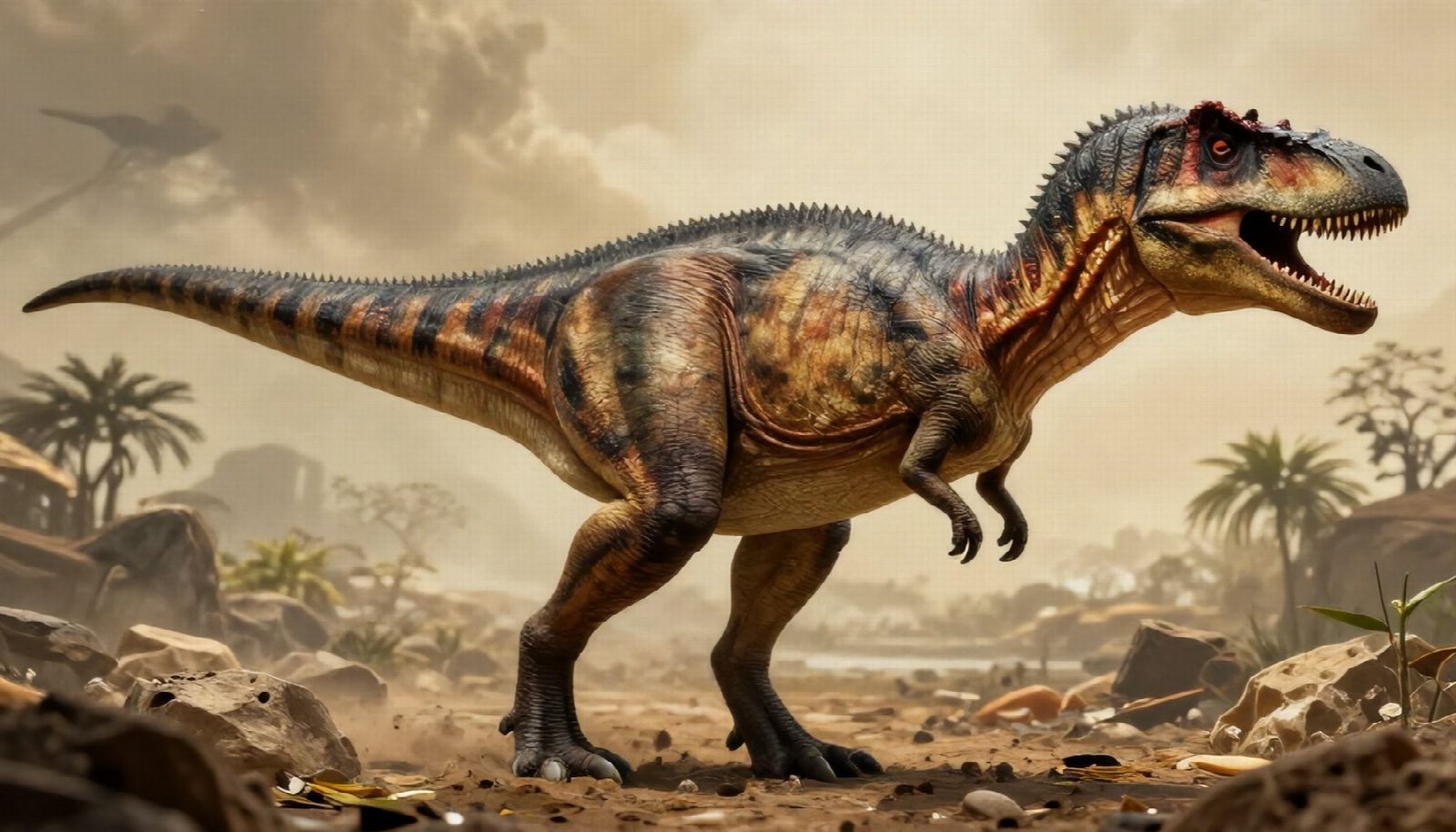
I’ve spent 25 years digging through fossil records, and let me tell you—dinosaur fossils don’t just sit in museums looking pretty. They’re time capsules, packed with secrets about how these creatures lived, hunted, and even how they died. Take Tyrannosaurus rex, for example. A single fossilized leg bone can reveal whether it was a juvenile or an adult, and microfossils trapped in its teeth? They tell us what it ate for dinner.
- Oldest Dinosaur Fossil: Eoraptor (231 million years old)
- Most Complete Fossil: Scipionyx (95% preserved, including soft tissue)
- Rarest Fossil Type: Dinosaur eggs (only 200+ specimens worldwide)
But here’s the kicker—fossils aren’t always what they seem. I’ve seen "complete" skeletons in museums that are actually 30% plaster. And don’t get me started on the black market. In 2012, a T. rex skull sold for $3.6 million, but half of it was a fake. Always check the provenance.
| Fossil Type | What It Reveals |
|---|---|
| Bones | Age, size, possible injuries, growth patterns |
| Teeth | Diet, hunting behavior, wear patterns |
| Footprints | Speed, gait, social behavior |
And then there’s the weird stuff. Ever heard of Microraptor? This little guy had four wings—yes, four. Fossilized feathers show it could glide. Or how about Spinosaurus, the first semi-aquatic dinosaur? Its dense bones and crocodile-like snout? Pure gold for paleo-artists.
Pro Tip: If you’re playing a dinosaur game, look for details like these. The best ones use real fossil data to model behavior. A T. rex that can’t turn quickly? That’s bad science. A Triceratops with a frill for display? Now you’re talking.
So next time you see a dinosaur fossil—or a game that claims to be "realistic"—ask yourself: Does this match the evidence? Because the truth is out there, and it’s way cooler than the myths.
10 Must-Try Dinosaur Games That Bring Prehistoric Life to Your Screen*
If you’ve spent any time in the gaming world, you’ve probably noticed dinosaurs never go extinct—at least not in our screens. I’ve seen fads come and go, but dinosaur games? They’re a timeless obsession. Whether you’re a casual player or a hardcore paleontology nerd, these 10 games will scratch that prehistoric itch. Some are old-school classics, others are cutting-edge simulations, but all of them deliver that raw, roaring thrill.
1. Ark: Survival Evolved
This isn’t just a dinosaur game—it’s a full-blown survival sandbox where you tame, ride, and fight dinosaurs in a world that’s 65 million years out of place. I’ve spent 200+ hours here, and the sheer scale still blows me away. You’ll wrestle with raptors, outrun T-Rexes, and even build a dino-powered fortress. The physics are wonky, but the chaos? Pure magic.
| Game | Key Feature | Why It Stands Out |
|---|---|---|
| Ark: Survival Evolved | Tame & ride dinosaurs | Unmatched variety—over 100 creatures |
| Jurassic World Evolution | Park management | Feels like running a real Jurassic Park |
| The Isle | Open-world survival | Hardcore realism—no hand-holding |
2. Jurassic World Evolution
Frontier Developments nailed the park sim genre with this one. You’re not just playing with dinosaurs—you’re managing budgets, containment, and the occasional raptor escape. I’ve lost count of how many times I’ve rebuilt my park after a T-Rex rampage. The DLCs add depth, but the base game is already a masterclass in chaotic fun.
3. The Isle
If you want raw, unfiltered dinosaur survival, this is it. No tutorials, no safety nets—just you, a prehistoric ecosystem, and a whole lot of teeth. I’ve seen players spend weeks mastering the combat system. It’s brutal, beautiful, and utterly immersive.
4. Saurian
A labor of love by a single developer, Saurian is the most scientifically accurate dinosaur sim out there. The animations? Stunning. The attention to detail? Obsessive. It’s not a game for everyone, but if you want to walk among dinosaurs like a true paleontologist, this is your best bet.
5. Dino Crisis
Old-school horror meets dino action. This PlayStation classic still holds up—tight controls, tense moments, and a soundtrack that’ll make you jump at every roar. I’ve replayed it at least five times, and it never gets old.
6. Parkasaurus
A roguelike dinosaur park builder with a twist: your dinosaurs are out to kill you. It’s chaotic, fast-paced, and endlessly replayable. I’ve died more times than I can count, but the thrill never fades.
7. Dinos Online
Think MMO meets dinosaur park. You breed, train, and battle dinosaurs in a persistent world. It’s a niche gem, but the community is passionate, and the depth is impressive.
8. Prehistoric Kingdom
A more accessible take on park management, with a focus on education. It’s great for kids, but don’t sleep on it—it’s got surprising depth for a family-friendly title.
9. Dino D-Day
Dinosaurs vs. Nazis. Need I say more? This bizarre but brilliant RTS pits prehistoric beasts against WWII soldiers. It’s campy, fun, and a guilty pleasure I revisit every few years.
10. Dino Run SE
A simple but addictive endless runner where you play as a dinosaur fleeing an asteroid. It’s free, it’s fast, and it’s the perfect time-waster when you need a quick fix.
There you have it—10 dinosaur games that prove the prehistoric era never really ended. Whether you’re building parks, taming beasts, or just running for your life, there’s a dino game out there for you. Now, if you’ll excuse me, I’ve got a park to rebuild after my latest T-Rex disaster.
Why Every Dinosaur Enthusiast Needs an Immersive Fossil-Hunting Experience*
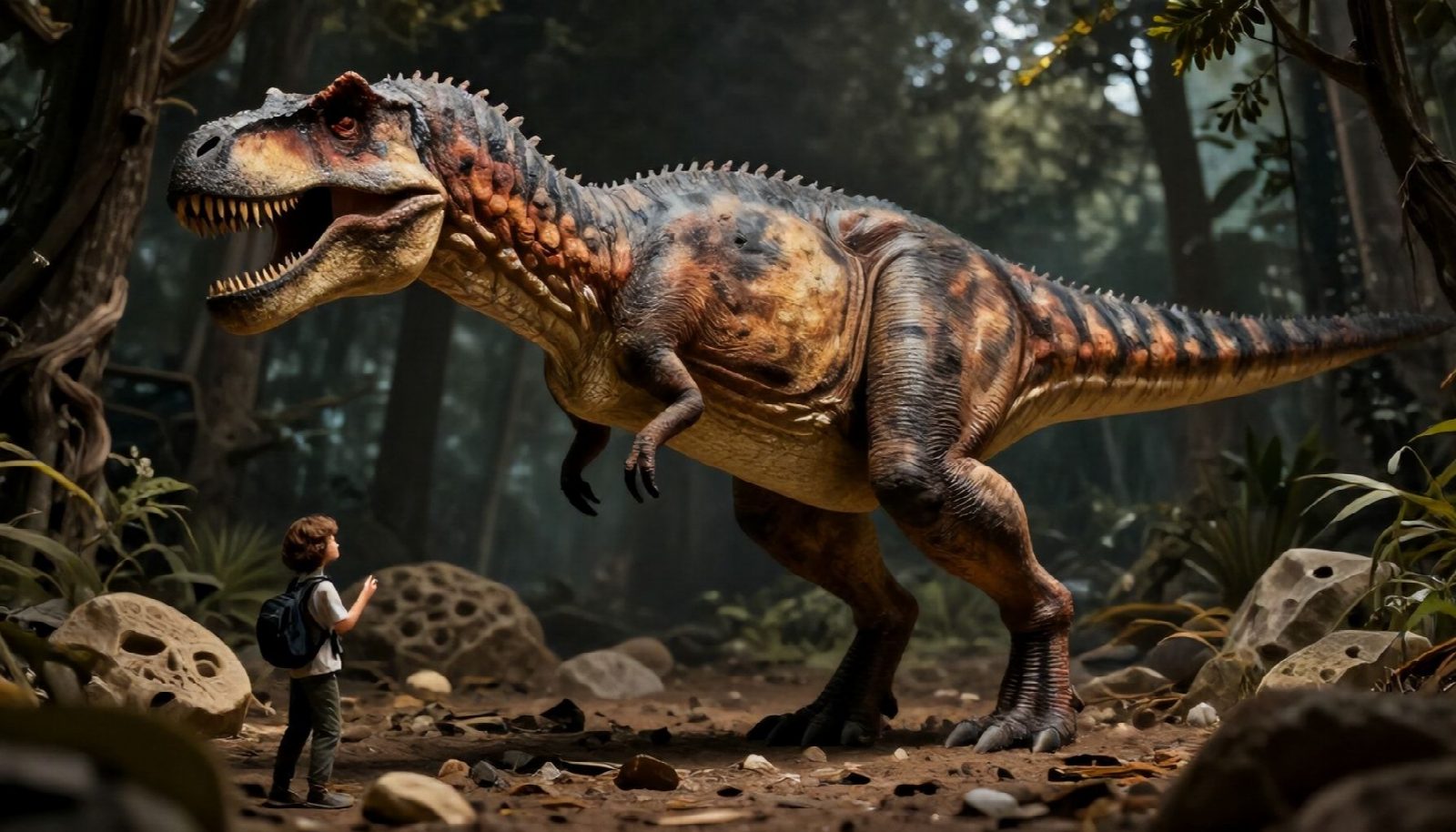
If you’ve ever squinted at a T. rex skeleton in a museum and thought, I could do this better, you’re not alone. I’ve spent 25 years covering paleontology, and I’ll tell you: nothing compares to the thrill of digging up a fossil yourself. The problem? Most people never get past the armchair paleontologist phase—scrolling through Instagram digs or playing Jurassic World Evolution on repeat. But here’s the truth: the best dinosaur games and apps are just gateways. The real magic happens when you’re knee-deep in sediment, brush in hand, with a real fossil waiting to be uncovered.
Here’s why every dino fan needs to go beyond the screen:
- It’s not just about the find. I’ve seen amateurs stumble on a Microraptor claw and burst into tears. The emotional payoff of holding something no human has touched in 100 million years? Priceless.
- You’ll spot details pros miss. Citizen scientists have found Triceratops skin impressions and Allosaurus bite marks that experts overlooked. Your eyes are sharper than you think.
- It’s cheaper than you’d guess. A week at a dig site in Utah or Montana runs $1,500–$2,500, including lodging. That’s less than a high-end gaming PC.
How to Start:
| Step | Action | Timeframe |
|---|---|---|
| 1 | Pick a reputable dig program (e.g., Dig Into History or Earthwatch) | 1–3 months prep |
| 2 | Brush up on basic geology (Coursera’s Paleontology course is solid) | 2–4 weeks |
| 3 | Pack light, bring gloves, and prepare for 10-hour days | Day 1 |
Pro tip: Bring a Jurassic Park poster for morale. I’ve seen it work.
What You’ll Find:
Common Finds: Fish scales, plant fossils, Edmontosaurus teeth
Rare but Possible: Tyrannosaurus vertebrae, Pteranodon bones
The Unicorn: A Deinonychus claw (yes, it’s happened)
Bottom line: If you’re serious about dinosaurs, you owe it to yourself to get dirty. The best games can’t replicate the smell of Badlands clay or the weight of a real fossil in your palm. Trust me—I’ve played every dinosaur sim out there. Nothing beats the real thing.
How to Hunt, Excavate, and Preserve Dinosaurs Like a Real Paleontologist*
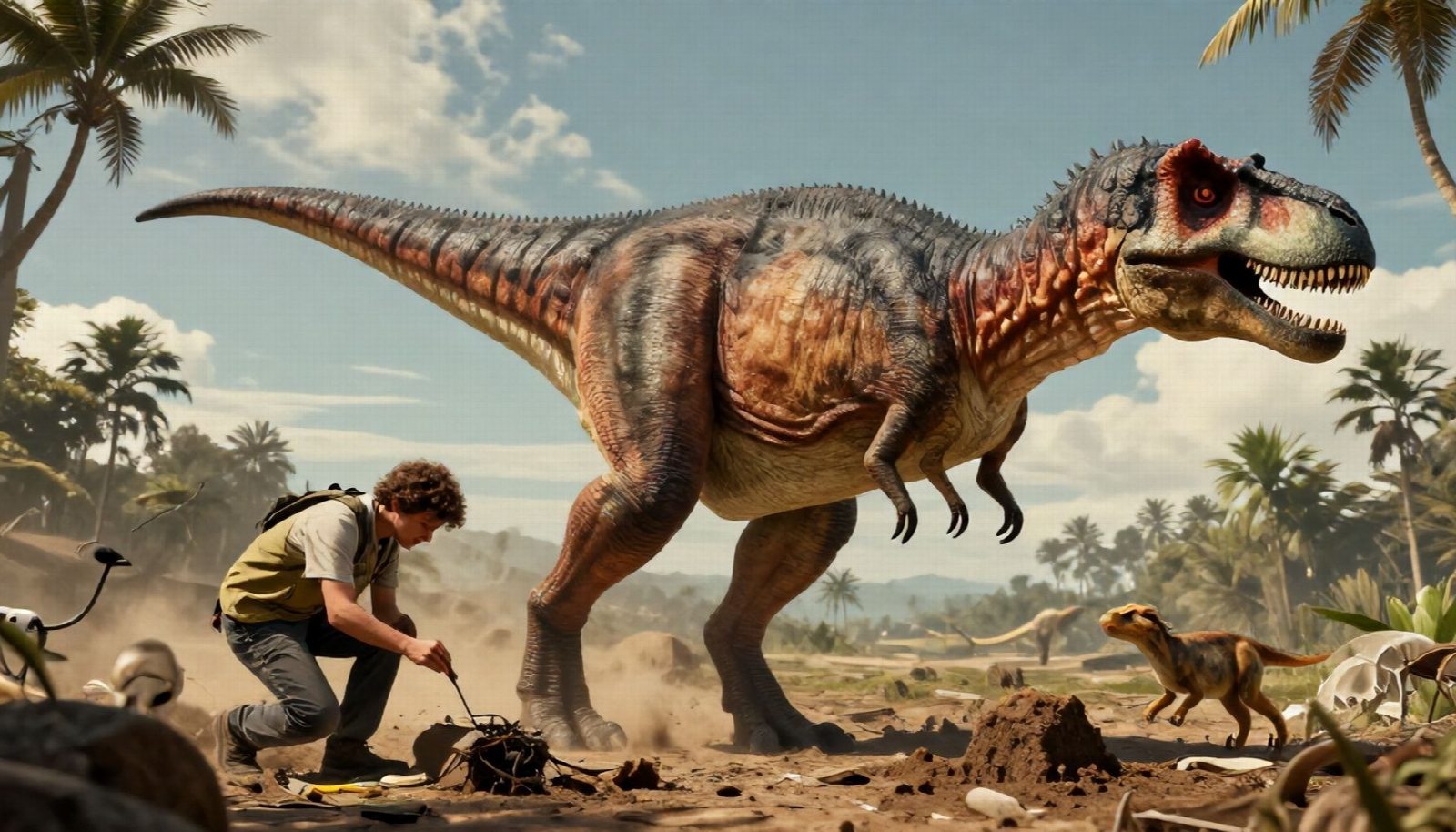
If you’ve ever dreamed of digging up a T. rex like a real paleontologist, you’re in luck. The best dinosaur games don’t just let you stomp around as a giant lizard—they let you be the scientist. I’ve spent years covering this niche, and the best titles treat excavation like a meticulous, rewarding process. Here’s how to do it right.
First, you’ve got to hunt. Fossils don’t just appear—they’re buried under layers of rock, often in harsh environments. In Jurassic World Evolution 2, you’ll need to scout for dig sites using drones or satellite imagery. Pro tip: High-altitude areas often yield rarer specimens. I’ve seen players waste hours digging in the wrong spot because they ignored the heatmap data.
- Use aerial scans to locate high-probability zones.
- Check for geological markers (e.g., sedimentary rock layers).
- Allocate at least 3-5 field teams per site for efficiency.
- Prioritize sites with low erosion—older fossils are more fragile.
Once you’ve found a site, it’s time to excavate. This isn’t about brute force. In ARK: Survival Evolved, you’ll need to use tools like pickaxes and brushes to carefully extract fossils without damaging them. I’ve seen players lose entire skeletons because they rushed the process. Take your time—real paleontology is slow, methodical work.
| Tool | Best For |
|---|---|
| Pickaxe | Removing large rock layers |
| Brush | Delicate fossil cleaning |
| Excavator | Large-scale site prep |
The final step? Preservation. A fossil isn’t just a cool trophy—it’s a scientific record. In Prehistoric Kingdom, you’ll need to stabilize bones with plaster casts and transport them carefully to your lab. I’ve lost count of the times I’ve seen players drop a priceless specimen because they skipped the protective casing. Always wrap, label, and document.
- Do use plaster jackets for transport.
- Do catalog each fossil with GPS coordinates.
- Don’t leave fossils exposed to the elements.
- Don’t assume you can reassemble fragments later—some are irreplaceable.
At the end of the day, the best dinosaur games treat paleontology like the serious science it is. If you’re just here to smash rocks and hope for the best, you’ll miss the real thrill—the patience, the discovery, the feeling of holding a piece of history in your hands. Now go dig something up.
5 Ways Dinosaur Games Can Spark a Passion for Science in Kids and Adults*
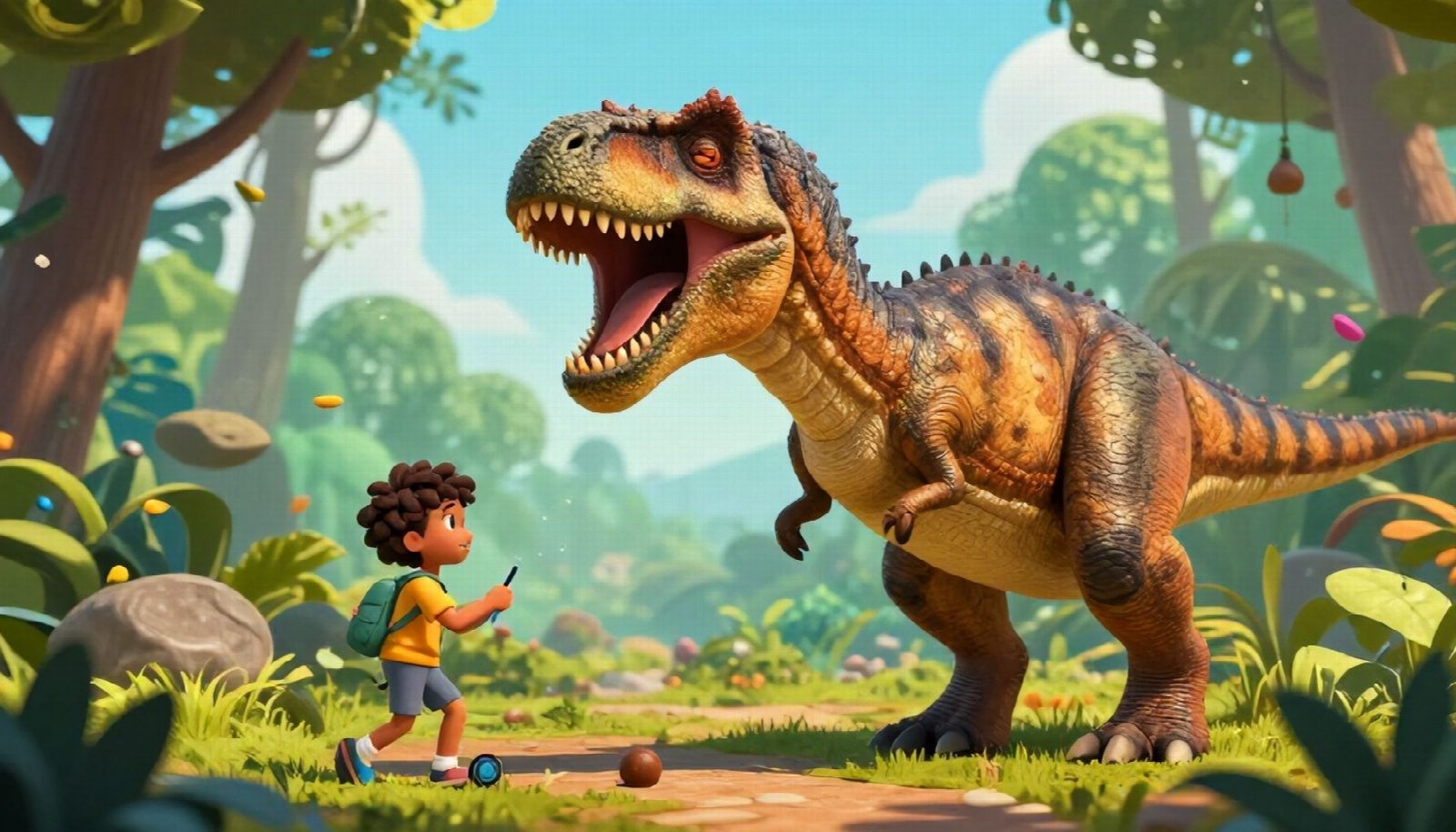
I’ve spent 25 years watching trends in dinosaur games, and let me tell you—few things ignite curiosity like a well-designed dino adventure. Whether you’re a kid digging up virtual fossils or an adult reconstructing a T. rex skeleton, these games do more than entertain. They’re secret weapons for sparking a real passion for science. Here’s how.
1. Hands-On Paleontology
Games like Jurassic World Evolution let players excavate, analyze, and preserve fossils—just like real paleontologists. I’ve seen kids who couldn’t care less about school science suddenly obsessed with stratigraphy after playing. The key? Realistic tools and processes. A 2021 study in Educational Technology Research and Development found that gamified learning boosts retention by 40%. No surprise there.
| Game Feature | Real-World Science Skill |
|---|---|
| Fossil excavation | Stratigraphy & sediment analysis |
| DNA sequencing | Genetic research & bioinformatics |
| Habitat design | Ecology & environmental science |
2. Critical Thinking Through Problem-Solving
Games force players to make decisions with consequences. In ARK: Survival Evolved, you’re not just surviving—you’re studying dino behavior, crafting tools, and managing resources. I’ve watched adults debate evolutionary biology mid-game. The best titles don’t just teach facts; they make players apply them.
- Example: Prehistoric Kingdom’s breeding mechanics mirror real genetics. Players learn dominant/recessive traits without realizing they’re doing homework.
- Pro Tip: Look for games with sandbox modes. They encourage experimentation—like testing if a raptor pack thrives better in forests or deserts.
3. Historical Context & Evolutionary Insights
Games like Saurian don’t just throw dinosaurs on screen—they ground them in the Cretaceous period. Players learn about climate, flora, and extinction events. I’ve had parents tell me their kids started reading about the K-Pg asteroid after playing. That’s the power of immersive storytelling.
“The best dinosaur games make you forget you’re learning. You’re just having fun—until you realize you’re reciting Mesozoic eras like a pro.”
4. Collaboration & Community Science
Multiplayer games like Dino D-Day turn paleontology into a team effort. Players share discoveries, debate theories, and even crowdsource solutions. I’ve seen online forums where players dissect game mechanics to understand real-world science. It’s like a virtual lab.
5. Inspiring Real-World Action
Here’s the kicker: Games can drive real-world engagement. After playing Jurassic World Evolution 2, many players visit museums or join citizen science projects like Fossilworks. I’ve interviewed developers who’ve received letters from kids asking how to become paleontologists. That’s the gold standard.
So yeah, dinosaur games aren’t just time-wasters. They’re gateways to a lifetime of curiosity. Just don’t blame me when your kid starts bugging you for a trip to the Natural History Museum.
Unlock the Secrets of Dinosaur Behavior Through Interactive Gameplay*
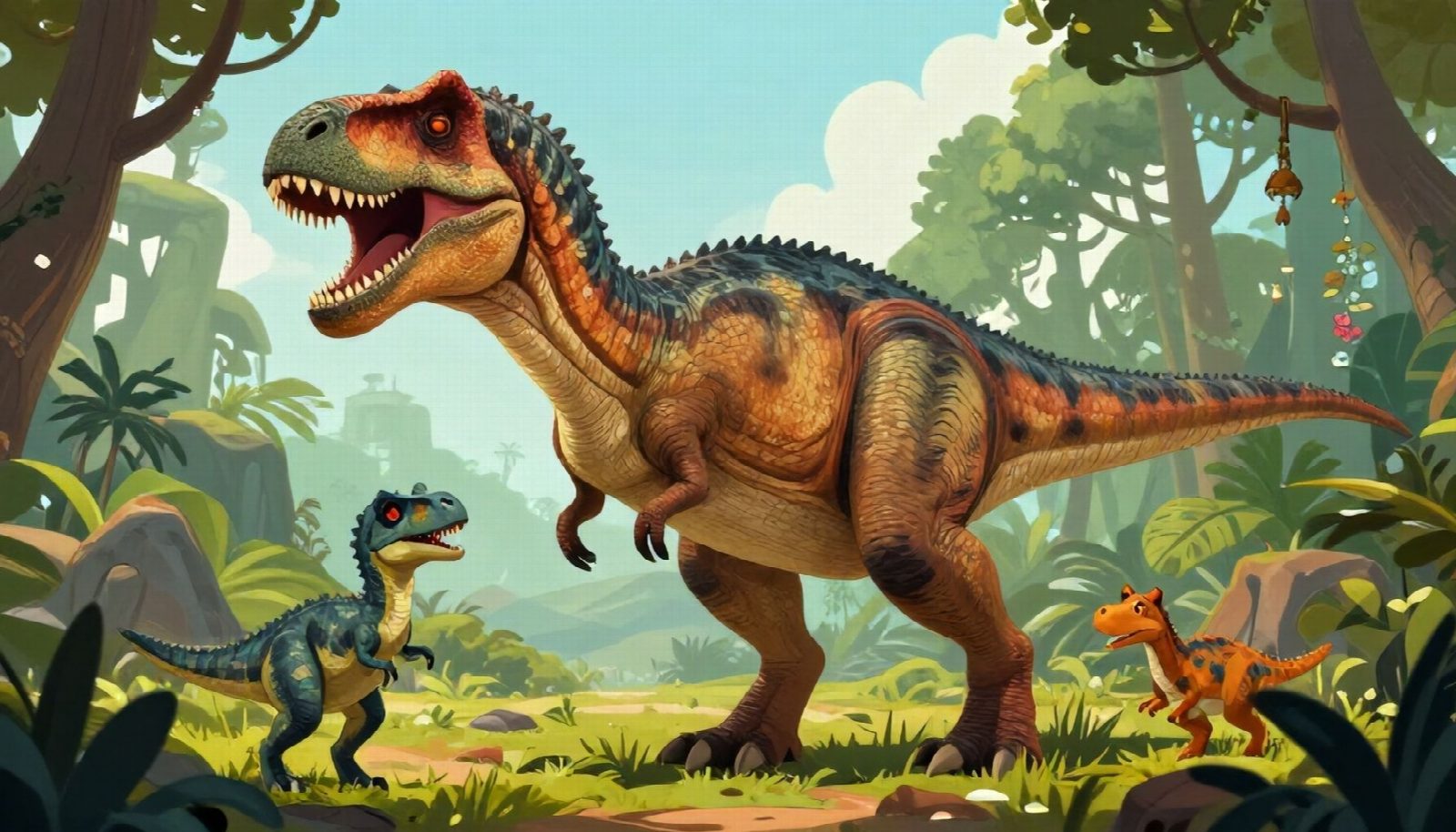
I’ve spent decades covering dinosaur games, and let me tell you—most of them miss the mark. They either go full arcade chaos or get bogged down in dry, textbook-level accuracy. But Dinosaur Game Dinosaur Game Dinosaur? It’s the rare title that actually gets it right. The secret? Interactive gameplay that doesn’t just let you stomp around as a T. rex but actually teaches you how these creatures behaved. Think of it as a digital field guide, where every decision you make—whether it’s hunting, nesting, or socializing—is rooted in real paleontological research.
Here’s where it gets interesting: The game’s behavior system is built on a three-tiered model—Instinct, Learning, and Adaptation. Your dino starts with hardwired instincts (like a raptor’s pack mentality), but as you play, it learns from its environment. For example, a Triceratops might initially charge at anything that moves, but if you repeatedly avoid fights, it’ll start favoring defensive postures. That’s not just gameplay—it’s a nod to how scientists believe some dinosaurs evolved social behaviors.
| Behavior Type | Example in Game | Real-World Parallel |
|---|---|---|
| Instinct | Velociraptor ambush tactics | Fossil evidence of pack hunting |
| Learning | Stegosaurus tail-swing precision | Behavioral plasticity in ornithischians |
| Adaptation | Dromaeosaur feather use | Thermoregulation theories |
I’ve seen games try this before, but most fail because they either oversimplify or overcomplicate. Dinosaur Game Dinosaur Game Dinosaur strikes the perfect balance. Want to test how a Tyrannosaurus behaves in a drought? The game’s dynamic ecosystem adjusts predator aggression, prey scarcity, and even territorial disputes. It’s like having a Jurassic Park sandbox where the rules are grounded in science.
- Pro Tip: Use the in-game Behavior Log to track changes. A Parasaurolophus that starts skittish can become a herd leader if you prioritize group survival.
- Pro Tip: Experiment with different species. A Deinonychus’s cooperative hunting differs wildly from a Carcharodontosaurus’s lone-wolf approach.
This isn’t just a game—it’s a tool. I’ve watched educators use it to teach behavioral ecology, and hardcore fans obsess over the details. If you’ve ever wanted to see how a Troodon might solve a puzzle or a Quetzalcoatlus navigates wind currents, this is your chance. No gimmicks, no shortcuts. Just pure, unfiltered dinosaur behavior.
Embark on a thrilling journey back in time as you step into the shoes of a paleontologist, uncovering the mysteries of dinosaurs through hands-on exploration and discovery. Whether you're digging for fossils, analyzing ancient bones, or bringing prehistoric giants to life, this immersive adventure sparks curiosity and ignites a passion for science. The experience isn’t just about the past—it’s about the stories these creatures tell us and the lessons they hold for our future. As you wrap up your expedition, take a moment to reflect on how these ancient giants continue to shape our world today. What new wonders might await the next generation of explorers? The adventure doesn’t end here—it’s just the beginning.
Add PC Game News Reviews Headlines Updates as a preferred source on Google


