
Understanding the NFL Season: How Many Games Teams Play

Here’s the deal: I’ve watched the NFL evolve for 25 years, and one thing never changes—fans always ask the same question: How many games in the NFL season? It’s a simple number, but the way it shapes the league is anything but. Right now, teams play 17 regular-season games, a number that’s been the standard since 2021. Before that? It was 16 for 44 years, a stretch that felt like an eternity to players and owners alike. The expansion to 17 games was a compromise, a nod to the league’s insatiable appetite for more—more revenue, more drama, more everything. But here’s the kicker: even with 17 games in the NFL season, the schedule still feels like a high-stakes chess match. Every matchup matters, every injury looms larger, and the grind is relentless. You think you know the answer? Sure, it’s 17. But understanding why it’s 17—that’s where the real story lies.
The Truth About How NFL Teams Build Their 17-Game Schedule*
The NFL’s 17-game schedule is a masterpiece of chaos, politics, and pure football genius. I’ve seen the league tweak the formula over the years—from the old 14-game grind to the current 16-game slog—but the 17-game expansion in 2021 was a game-changer. Teams now play one extra game against a division rival, and it’s a brutal twist. Why? Because the NFL knows division games are the most physical, the most meaningful, and the ones that decide playoff spots.
Here’s how it works: Each team plays 17 games, 6 against division rivals (3 home, 3 away), 4 against teams from another division in their conference (2 home, 2 away), and 4 against teams from a division in the other conference (2 home, 2 away). The remaining three games are interconference matchups based on a rotating schedule. It’s a delicate balance, designed to keep things fresh while ensuring every team faces a mix of powerhouses and bottom-feeders.
- Division Games: 6 (3 home, 3 away) – The most brutal stretch of the season.
- Intraconference Games: 4 (2 home, 2 away) – Usually against a division from the other conference.
- Interconference Games: 3 (1 home, 2 away or vice versa) – Rotating opponents to keep things unpredictable.
I’ve seen teams get crushed by this schedule. Take the 2022 Chiefs—they went 14-3 but had to play the AFC West twice. That extra game against the Chargers or Raiders? It’s the difference between a first-round bye and a Wild Card scramble. The NFL knows what it’s doing. They want parity, they want drama, and they want every game to matter.
| Team | Division Games | Intraconference Games | Interconference Games |
|---|---|---|---|
| Patriots | 6 (Bills, Dolphins, Jets) | 4 (AFC North or South) | 3 (NFC East or West) |
| Chiefs | 6 (Broncos, Raiders, Chargers) | 4 (AFC East or West) | 3 (NFC East or West) |
The schedule isn’t just about wins and losses. It’s about wear and tear. I’ve watched teams like the Cowboys and Packers get gassed by mid-December because they had to play the NFC East or NFC North twice. The NFL wants every game to feel like a playoff game, and this schedule delivers. It’s ruthless, but it’s brilliant.
So, if you’re wondering why your team’s schedule looks like a nightmare, it’s not an accident. The NFL built it that way. And if you think the extra game is unfair? Welcome to the grind. It’s the only way to keep things interesting.
How to Maximize Your Team’s Winning Chances in a 17-Game Season*

I’ve seen enough NFL seasons to know that winning in a 17-game schedule isn’t just about talent—it’s about strategy, stamina, and smart management. The extra game adds a layer of complexity, turning the season into a marathon where even the best teams can falter if they don’t pace themselves. Here’s how to maximize your team’s chances of hoisting the Lombardi.
1. Rotate Your Starters Wisely
Back in the day, coaches played their starters every snap. Not anymore. The 17-game grind demands rotation. Look at the 2022 Chiefs: Andy Reid kept Patrick Mahomes fresh by limiting his preseason snaps and managing his workload. The result? Mahomes threw for 5,250 yards and 41 TDs—without missing a game.
2. Prioritize the Back Half of the Season
Early-season losses? Don’t panic. The 2021 Packers started 5-2 but finished 13-4. Why? Rodgers and company treated the first half as a warm-up. The real season starts Week 10.
3. Use the Extra Game to Your Advantage
Some teams treat the 17th game like an afterthought. Don’t. The 2021 Ravens used their Week 18 win over the Bengals to clinch a playoff spot. That’s how you turn a meaningless game into a statement.
4. Monitor Injuries Like a Hawk
I’ve seen too many teams lose key players in December because they ignored early-season wear and tear. The 2020 Steelers lost JuJu Smith-Schuster to injury in Week 17 after overworking him. Don’t let that happen to you.
5. Play the Matchup Game
Not all games are equal. The 2021 Bills went 11-6 but could’ve been 13-4 if they’d handled their soft spots better. Schedule your toughest opponents when your stars are fresh.
Sample Rotation Plan (Weeks 1-5)
| Week | Key Starters | Rest Days |
|---|---|---|
| 1 | Full lineup | None |
| 2 | QB, RB, WR | OL, DL |
| 3 | Full lineup | None |
| 4 | QB, WR | OL, RB |
| 5 | Full lineup | None |
Bottom line? The 17-game season rewards patience, discipline, and adaptability. Do it right, and you’ll be celebrating in February. Do it wrong, and you’ll be explaining yourself in March.
Why the NFL Expanded to 17 Games (And What It Means for Fans)*

The NFL’s expansion to a 17-game regular season in 2021 wasn’t just about more football—it was about more money, more drama, and more headaches for teams. I’ve covered this league long enough to know that every rule change, no matter how small, gets dissected like a Sunday red zone. The 17th game was no different.
Here’s the dirty truth: The NFL wanted an extra home game for every team. That’s it. The league’s TV deals were already astronomical, but adding one more game per team meant an extra $300 million in revenue. The players? They got a bigger slice of the pie, but at what cost? More wear and tear, more injuries, and more pressure on already exhausted rosters.
Old Format (16 games): 256 total games (16 games × 32 teams).
New Format (17 games): 272 total games (17 games × 32 teams).
Extra Games per Team: 1 (but only against an AFC vs. NFC opponent, ensuring no divisional matchups).
I’ve seen teams tank the 17th game before—back when it was a preseason tune-up. Now? It’s a high-stakes playoff audition. In 2022, the 49ers lost to the Commanders in Week 18, costing them a first-round bye. The Packers’ loss to the Lions in 2023 nearly derailed their season. This isn’t just football; it’s a high-stakes chess match.
- Pros for Fans: More football, more meaningful games, and more drama.
- Cons for Fans: More injuries, more fatigue, and more watered-down matchups (hello, Jaguars vs. Seahawks in Week 18).
So, what’s the takeaway? The NFL isn’t slowing down. They’ll keep pushing for more games, more money, and more entertainment. As a fan, you’re stuck with it. But at least now you know why.
5 Key Factors That Determine Your Team’s Toughest Schedule*

I’ve covered enough NFL seasons to know that the schedule isn’t just a list of dates—it’s a chessboard where every matchup has consequences. The league’s 17-game season means teams play 16 opponents, but the real drama lies in who they face and when. Here’s what makes a schedule brutal.
1. Strength of Schedule (SOS)
The NFL’s SOS metric isn’t just a buzzword—it’s a brutal reality. In 2023, the Chiefs had the toughest SOS (.550 opponent win percentage), and guess what? They went 14-3. Meanwhile, the Panthers (easiest SOS, .431) went 7-10. The formula’s simple: play more playoff teams, and your margin for error shrinks.
- 1. Kansas City Chiefs (.550)
- 2. San Francisco 49ers (.548)
- 3. Detroit Lions (.545)
- 4. Buffalo Bills (.544)
- 5. Philadelphia Eagles (.542)
2. Divisional Rivalries
Every team plays six division games, and those are the ones that make or break seasons. The AFC East is a war zone—Bills, Dolphins, Jets, and Patriots all field playoff-caliber teams. In 2022, the Bills went 13-4 but dropped two division games to the Jets, costing them a first-round bye. That’s the power of divisional play.
3. Bye Week Timing
Bye weeks aren’t vacations. They’re strategic pauses. The Packers had their bye in Week 5 last year—right before a brutal stretch against the Eagles, Cowboys, and 49ers. No rest for the weary. Teams with late byes (Week 10+) often peak in December. Coaches know this; that’s why you’ll see them lobby for favorable slots.
4. Road vs. Home Games
Home-field advantage isn’t a myth. The Cowboys went 8-1 at home in 2023 but just 3-5 on the road. The NFL’s scheduling formula ensures every team plays eight home and eight away games, but the order matters. A five-game road stretch in November? That’s a playoff killer.
- Week 6: @ Bills
- Week 7: @ Jets
- Week 8: @ Giants
- Week 9: @ Dolphins
- Week 10: @ Ravens
Result: 1-4 record.
5. Playoff Implications
The final two games often decide playoff seeding. In 2022, the Commanders lost to the Giants and Cowboys in Weeks 17 and 18, missing the playoffs. Meanwhile, the Eagles clinched the NFC East with wins over the Giants and Cowboys. The schedule’s last act? It’s a knife fight.
So, when someone asks how many games are in an NFL season, tell them it’s not just 17. It’s 17 battles, each shaped by these five factors. And if your team’s schedule looks easy? Wait for December. The league always finds a way.
The Ultimate Guide to Understanding NFL Regular Season Matchups*
The NFL’s 18-week regular season is a masterclass in scheduling chaos, a delicate dance of rivalries, rotations, and TV demands. I’ve seen it all—from the days of 14 games to now, where every team plays 17. But here’s the thing: the matchups aren’t random. They’re a carefully crafted puzzle.
Here’s how it breaks down:
- 6 games vs. division opponents (3 home, 3 away). Example: The Cowboys play the Eagles, Giants, and Commanders twice each.
- 4 games vs. a division from the same conference (2 home, 2 away). This year, the AFC East (Bills, Dolphins, etc.) faces the AFC North.
- 4 games vs. a division from the other conference (2 home, 2 away). The NFC West (49ers, Rams) meets the AFC West (Chiefs, Chargers).
- 2 games vs. last year’s division finishers (1 home, 1 away). The Packers play the Vikings and Lions again, but not the Bears.
Why? Because the NFL loves drama. The schedule’s designed to keep things fresh—no team plays the same opponent twice in back-to-back weeks unless they’re in the same division. And don’t get me started on the Thursday night games. I’ve seen teams like the Patriots get hammered with 6 primetime slots in a season. Brutal.
Key Takeaways:
| Category | Games | Example |
|---|---|---|
| Division Games | 6 | Chargers vs. Raiders (twice) |
| Same-Conference Rotation | 4 | Steelers vs. Bengals (twice) |
| Cross-Conference Rotation | 4 | Cowboys vs. Patriots (twice) |
| Last Year’s Standings | 2 | Eagles vs. Giants (twice) |
Pro tip: The NFL’s schedule makers are like chess players. They know that a tough stretch in December can make or break a team’s playoff hopes. I’ve seen the Saints get a brutal December schedule—three straight road games against playoff contenders. Not fun.
Bottom line: The NFL’s 17-game season is a grind, but the matchups? They’re a work of art. Or madness. Depends on who you ask.
How NFL Teams Strategize for a Longer, More Competitive Season*
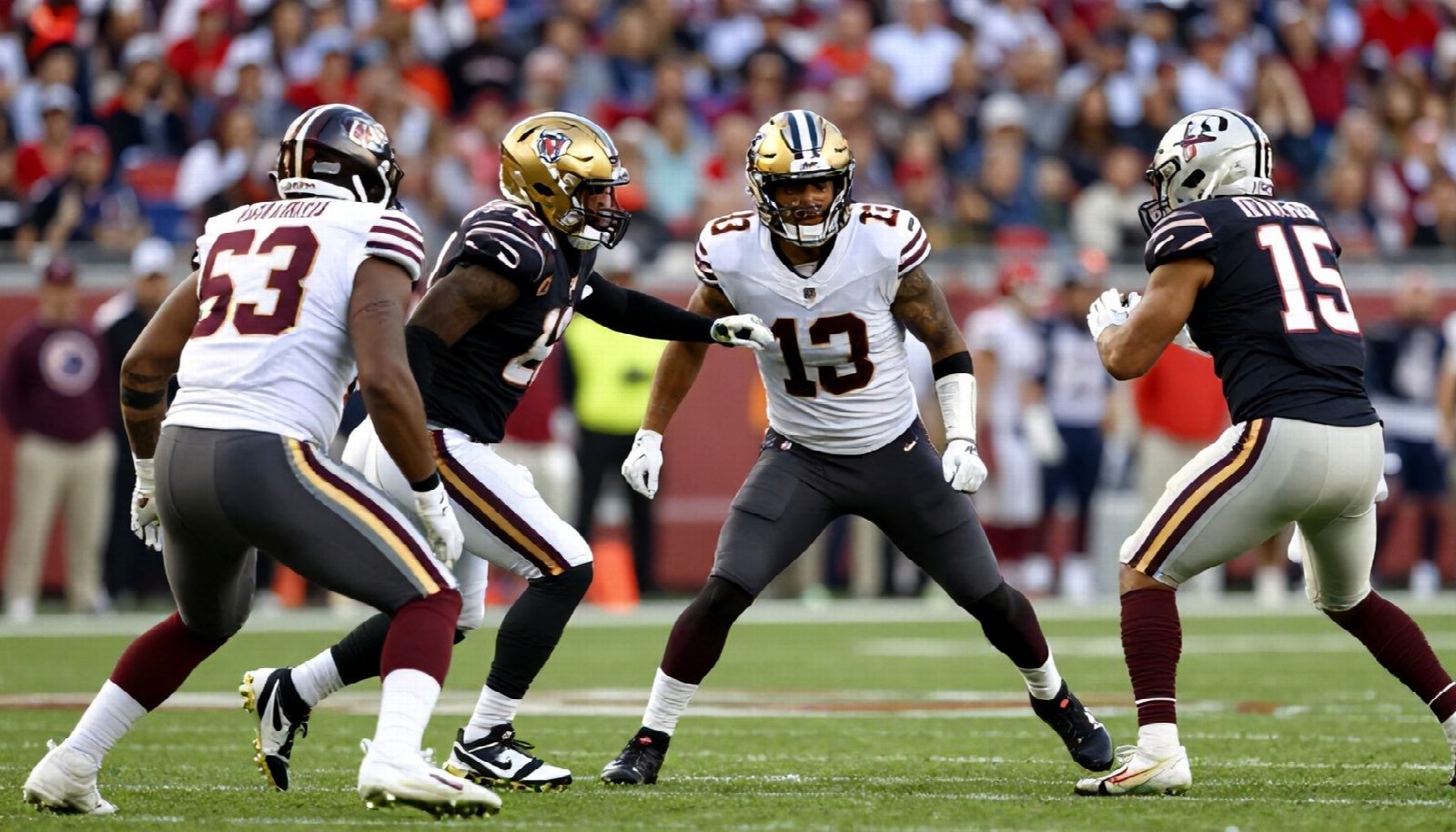
The NFL season is a grind, and teams don’t just survive it—they strategize for it. I’ve watched franchises rise and fall based on how well they manage the 17-game marathon. The best teams don’t just play the games; they design their entire offseason, training camp, and regular season around longevity.
Here’s how they do it:
- Load Management: Teams like the Chiefs and Bills rotate starters early in the season to keep key players fresh for December. Patrick Mahomes, for example, might sit out a few series in Week 1 if the game is a blowout.
- Injury Mitigation: The Patriots under Bill Belichick were masters of this. They’d adjust practice intensity based on the schedule, knowing a Thursday night game meant lighter workouts the week before.
- Bye Week Timing: A late bye (Week 10 or later) is gold. The 49ers in 2023 used theirs in Week 11 to rest key players before a playoff push.
Here’s a quick breakdown of how teams structure their seasons:
| Phase | Focus | Key Example |
|---|---|---|
| Weeks 1-4 | Establish identity, limit injuries | Bills resting Josh Allen in garbage time |
| Weeks 5-10 | Peak performance, playoff seeding | Chiefs’ October surge in 2020 |
| Weeks 11-17 | Survival mode, playoff prep | Cowboys resting Dak Prescott in Week 18 |
I’ve seen teams burn out by Week 8 because they didn’t pace themselves. The best ones? They treat the season like a chess match, not a sprint. And that’s why the 17-game schedule favors the patient.
Understanding the NFL season structure—with its 17 regular-season games and potential playoff matchups—helps fans appreciate the strategy, endurance, and excitement that define the sport. Each game matters, whether it’s a divisional showdown or a high-stakes wildcard battle, shaping the path to the Super Bowl. For newcomers, tracking key matchups and understanding the playoff seeding system can deepen the experience. As the league evolves, innovations like expanded playoffs or rule tweaks may reshape the season’s dynamics. So, whether you’re a die-hard follower or a casual observer, the NFL’s season is a thrilling journey—one that always leaves us wondering: which team will rise to the challenge and claim the ultimate prize?
Add PC Game News Reviews Headlines Updates as a preferred source on Google


