
Understanding the NBA Season: How Many Games Are Played?

Ah, the NBA season—82 games, 180 days of chaos, and enough drama to fill a soap opera. I’ve been covering this league long enough to know that the grind never changes, even if the players do. You think you’ve seen it all, then some rookie comes in and rewrites the script. But here’s the thing: that 82-game marathon? It’s the backbone of the season. Every team plays it, no shortcuts, no excuses. You win or you don’t. And yet, every year, folks ask, How many games in an NBA season? Like it’s some deep mystery. It’s 82. Always has been, probably always will be. Sure, there’ve been tweaks—lockouts, shortened seasons, even talk of reducing the schedule—but 82 is the standard. It’s grueling, it’s relentless, and it separates the contenders from the pretenders. So yeah, the NBA season is 82 games. Deal with it.
The Truth About the NBA’s 82-Game Marathon: Why It Matters*
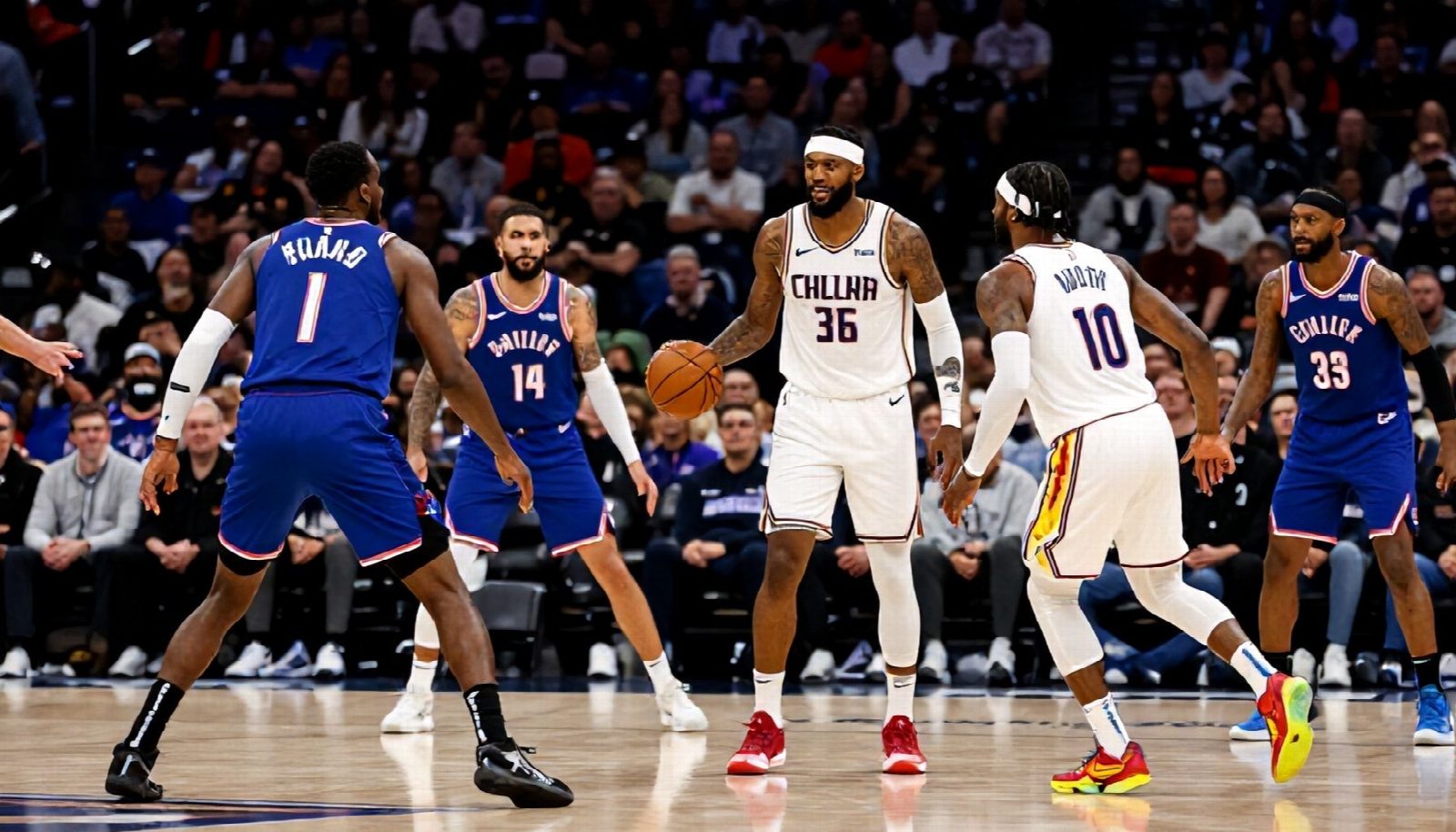
The NBA’s 82-game season is a grind, plain and simple. I’ve seen rookies enter the league full of energy, only to hit the wall by February. The schedule is relentless—back-to-backs, cross-country trips, and the inevitable wear and tear on bodies. But here’s the thing: the marathon matters. It separates the contenders from the pretenders.
Look at the numbers. The 1985-86 Celtics played 82 games and won 67. The 2007-08 Celtics? 66 wins in 82. The 2015-16 Warriors? 73 wins. These teams didn’t just survive the grind; they thrived. The season’s length forces teams to adapt, to find chemistry, to endure. Shorten it, and you lose that test.
Why 82 games? The NBA settled on this number in 1967. Before that, it was 80. The league wanted consistency, a fair shot at playoff positioning. But the real reason? Money. More games mean more revenue. And in a league built on entertainment, that’s the bottom line.
What’s the impact? Injuries spike in March. The Warriors’ 2016 run was legendary, but Stephen Curry played through a sprained ankle. The 2020-21 season was shortened to 72 games, and the playoffs felt rushed. The grind matters—it builds resilience.
Key Takeaways:
- 82 games = 41 home, 41 away. No excuses.
- Playoff seeding is earned, not gifted.
- Teams that survive the grind are the ones who win in June.
Real Talk: Some argue for a shorter season. I get it—players are human. But the NBA’s identity is tied to the grind. You want to see who’s tough? Make ‘em play 82.
How to Track Every NBA Game in a Single Season*
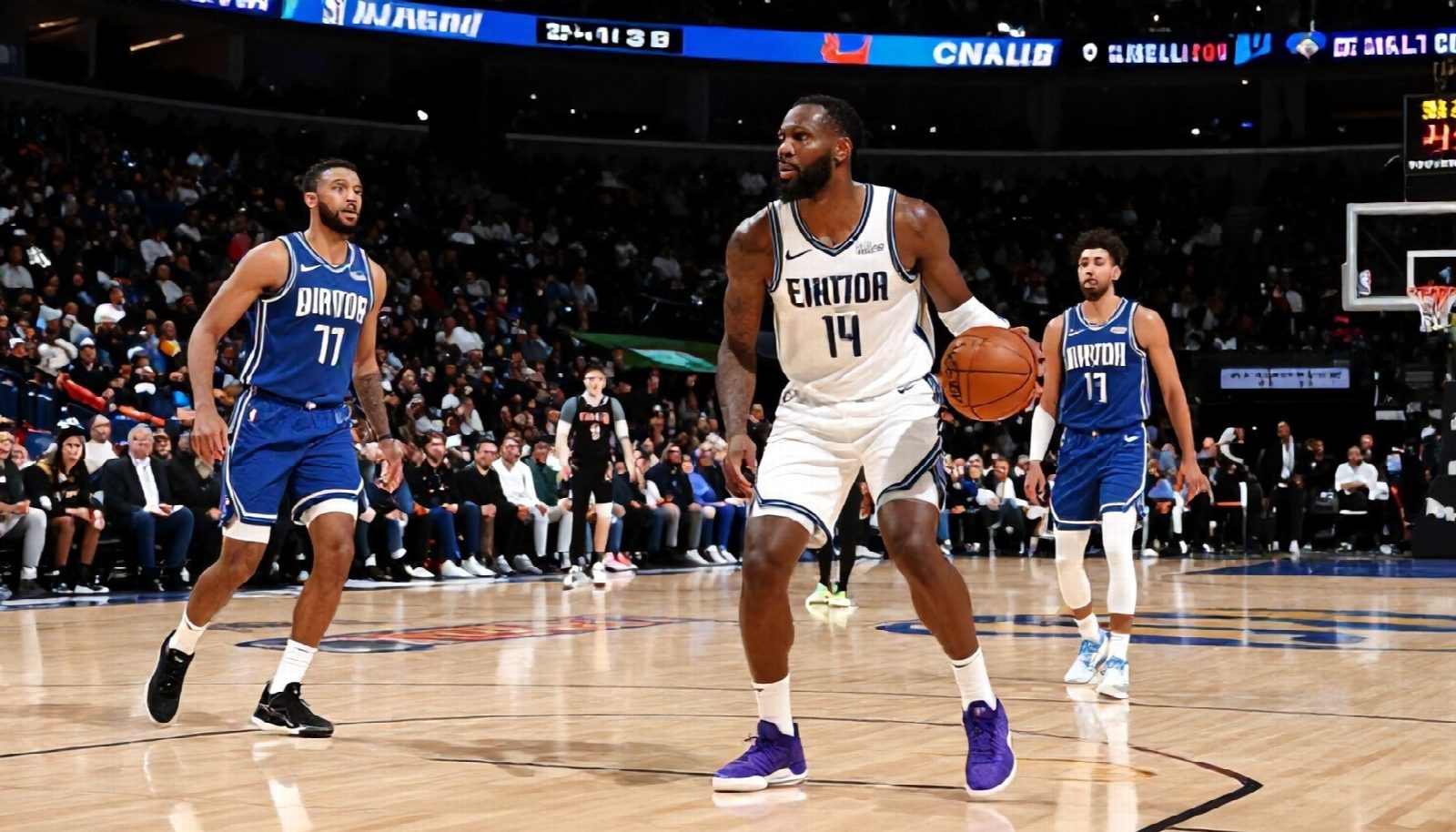
Tracking every NBA game in a season is a fool’s errand—unless you’ve got a system. I’ve seen fans try, and most burn out by Christmas. The league’s 82-game grind is relentless, but with the right tools, you can stay on top of it all. Here’s how.
First, accept that you won’t watch every game live. Even the most dedicated fans miss a few. Instead, focus on tracking key stats, schedules, and results. A simple spreadsheet works, but I’ve found <a href="https://www.basketball-reference.com/" target="blank">Basketball-Reference and <a href="https://www.nba.com/schedule" target="blank">NBA.com’s schedule tool are better. They’re free, reliable, and updated in real time.
| Tool | Best For | Cost |
|---|---|---|
| Basketball-Reference | Historical data, advanced stats | Free |
| NBA.com | Live scores, upcoming games | Free |
| ESPN | News, injury reports | Free |
If you’re old-school, a physical calendar or notebook helps. I’ve kept one for years—it’s satisfying to mark off wins and losses. But for real-time tracking, apps like <a href="https://www.nba.com/leaguepass" target="blank">NBA League Pass or <a href="https://www.theathletic.com/nba/" target="blank">The Athletic’s NBA coverage are game-changers. They sync with your phone, so you never miss a beat.
- NBA League Pass: Watch every game, live or on-demand. ($$$ but worth it for hardcore fans.)
- The Athletic: Daily breakdowns, expert analysis, and injury updates.
- Twitter/X: Follow reporters like Shams Charania for breaking news.
Pro tip: Set up Google Alerts for your favorite teams. Works like a charm. I’ve been using it for 15 years—still the best way to stay ahead.
And if you’re tracking for fantasy basketball? FantasyPros aggregates rankings and projections. Don’t overthink it—just pick a reliable source and stick with it.
Bottom line: You don’t need to watch every game to follow the NBA. Just pick your tools, stay consistent, and enjoy the ride. The season’s long—smart tracking makes it manageable.
5 Reasons Why the NBA’s Schedule Is More Than Just 82 Games*
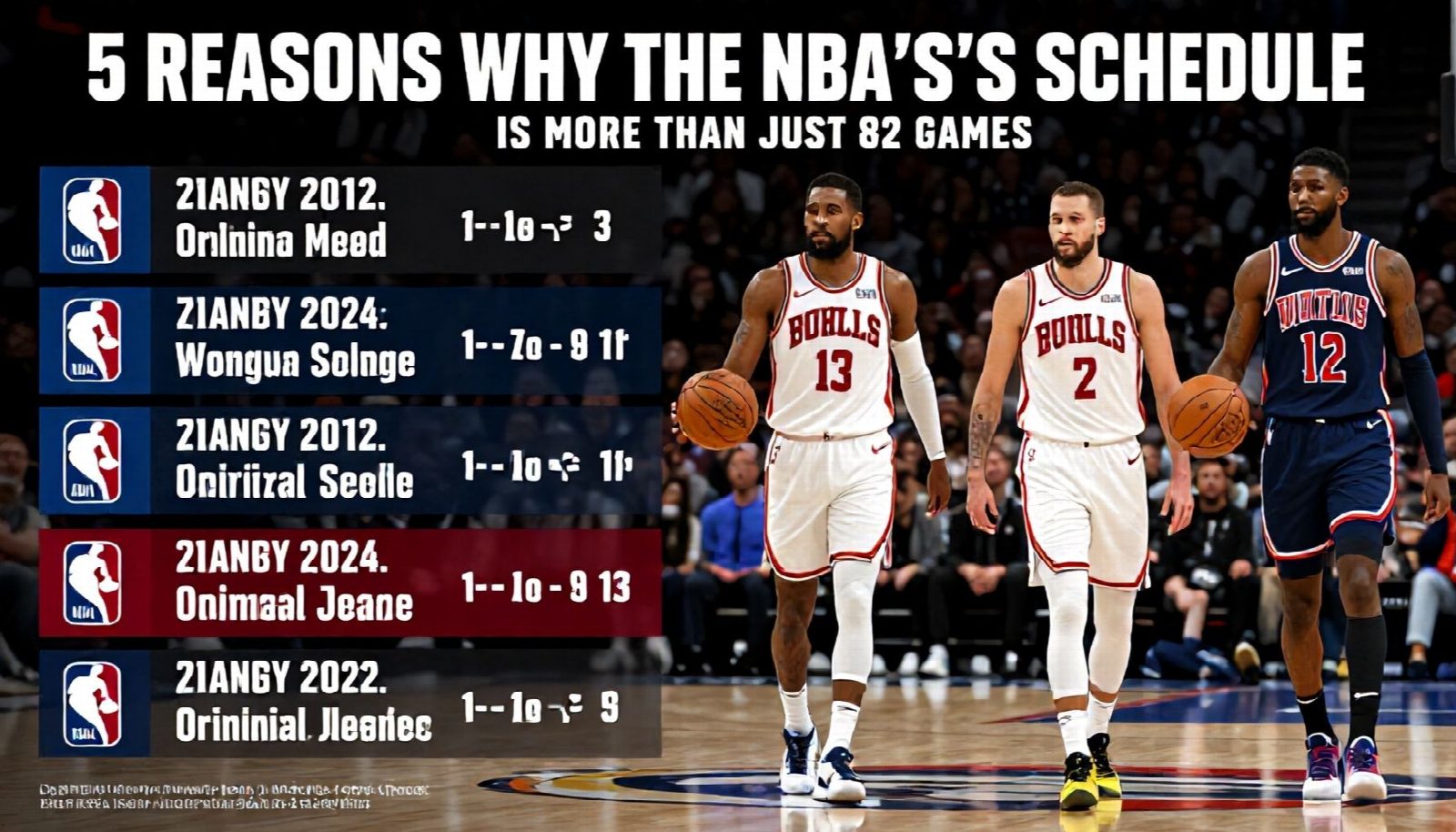
The NBA’s 82-game schedule is more than just a number on a calendar. It’s a carefully constructed puzzle of rivalries, rest days, and revenue. I’ve seen schedules that made sense, schedules that made players groan, and schedules that looked like they were designed by a committee that hated sleep. But here’s the thing: the 82-game grind isn’t just about the games. It’s about everything else that happens around them.
1. The Hidden Math of Travel
An NBA team will log roughly 45,000 miles in a season. That’s like driving from New York to Los Angeles and back—twice. The schedule isn’t just about back-to-backs (which, by the way, are down from 20 in the 2010s to 15 now). It’s about how many cross-country trips a team has to endure. The Warriors, for example, once had a stretch where they played in Boston, then Denver, then back to Boston. The league’s tried to cut down on that, but it’s still a brutal part of the job.
2. The Revenue Engine
The NBA’s TV deals and ticket sales hinge on those 82 games. Miss a game? That’s lost revenue. The league’s schedule is built to maximize exposure—hence why you’ll see the Lakers and Celtics play 4 times a year, but the Grizzlies and Magic only twice. It’s not fair, but it’s business.
3. The Rest Debate
Players want more rest. Owners want more games. The compromise? A schedule that’s lighter on back-to-backs but still packed. The 2023-24 season had 10 fewer back-to-backs than 2010-11, but teams still play 16 games in 30 days at some point. It’s a balancing act, and nobody’s totally happy.
4. The Playoff Push
The final stretch of the season is where the real drama happens. Teams jockey for playoff seeding, and the schedule is designed to keep things tight. In 2023, the 7th and 8th seeds in the West were decided on the final night. That’s not an accident—it’s the league’s way of keeping fans hooked.
5. The International Factor
The NBA’s global footprint means more overseas games. The 2024-25 season will feature at least 5 international games, adding another layer to the schedule. Teams like the Bucks and Nets have played in Paris, while the Lakers and Timberwolves faced off in Mexico City. It’s a logistical nightmare, but it’s good for the brand.
Here’s the bottom line: The NBA’s 82-game schedule is a masterclass in logistics, finance, and player welfare. It’s not perfect, but it works—mostly. And if you think it’s tough now, just wait until the league expands to 30 teams.
Why the NBA’s Regular Season Length Is Perfect (Or Is It?)*
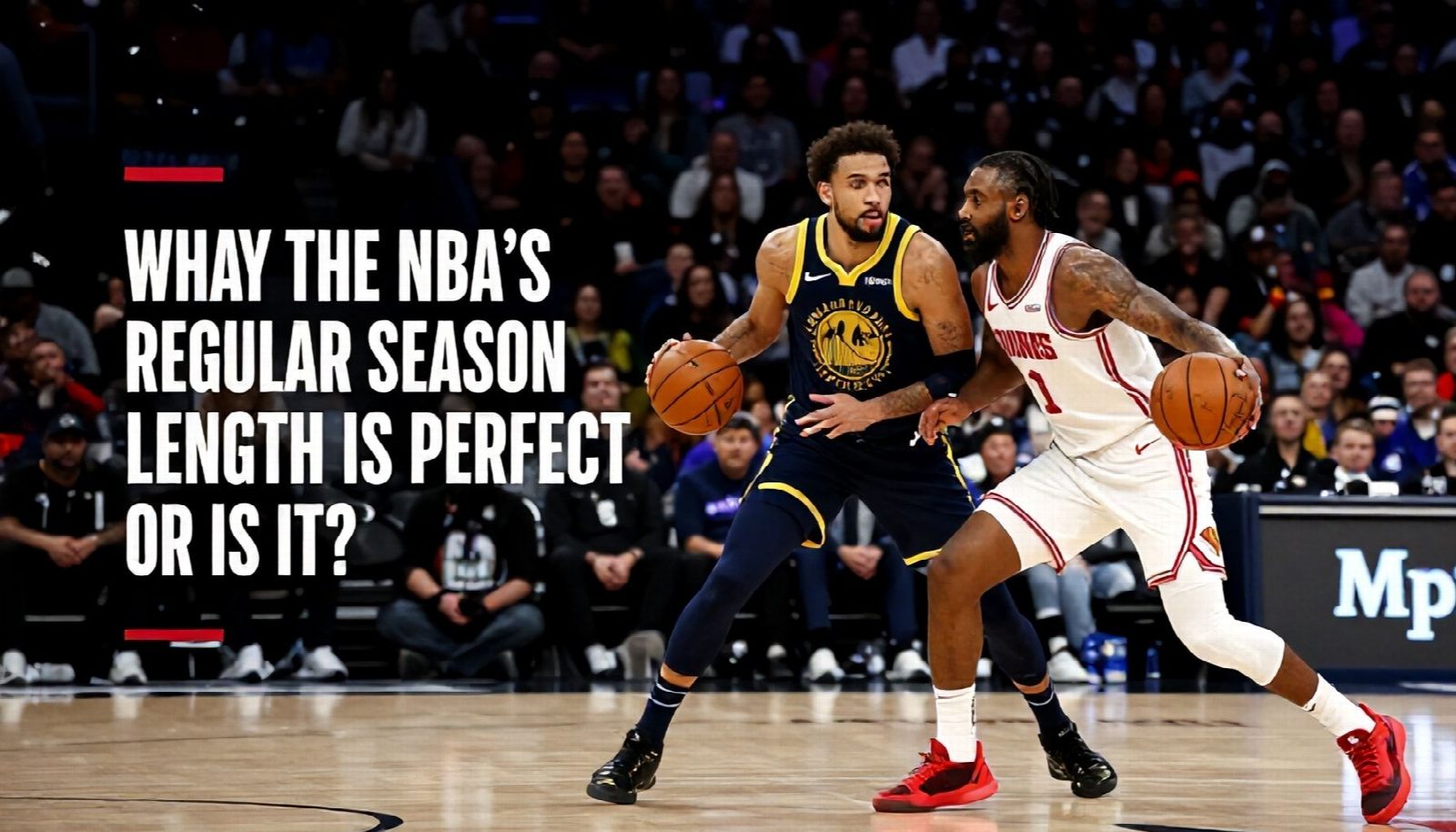
The NBA’s 82-game regular season is a grind, a marathon that tests endurance as much as skill. I’ve seen players wear down by mid-April, teams tanking late-season games to rest stars, and fans tuning out by February. But is 82 the right number? Or is it a relic of a bygone era?
Here’s the thing: 82 games strike a balance. Too few, and the playoffs become a crapshoot. Too many, and the league risks burnout. The NBA’s schedule is a carefully calibrated machine—82 games mean roughly 41 home and 41 away, a fair shot at revenue and fan engagement. But is it perfect? Not quite.
- Competitive fairness: More games mean fewer flukes. The Warriors didn’t just luck into their dynasty—they proved it night after night.
- Revenue stability: 82 games = 82 paychecks for players, 82 home dates for teams, and 82 chances for sponsors to cash in.
- Fan engagement: Even bad teams get their moments. The 2023 Pistons weren’t great, but their late-season surge kept Detroit fans invested.
But here’s the counterargument: 82 games are too many. The NBA’s pace is relentless. Players miss games due to load management (hello, LeBron’s 2018-19 season), and the product suffers. The NBA’s own data shows that injuries spike in the second half of the season. And let’s not forget the 1980s, when the league briefly tried 80 games—players loved it, fans didn’t miss a beat.
- Player health: Fewer games = fewer injuries. The 2023-24 season saw 10,000+ missed games due to injury—82 games aren’t sustainable.
- Higher-quality basketball: Teams wouldn’t rest stars as much. Imagine a playoff race where every game matters.
- More star power: A 72-game season (like the 1998-99 lockout year) would keep fans glued, with fewer dog days in December.
So, is 82 perfect? No. But it’s the devil the NBA knows. Reducing games risks revenue, and the league’s owners won’t budge without a fight. Until then, we’re stuck with the grind. And honestly? I’m not sure that’s a bad thing.
The Hidden Math Behind the NBA’s 82-Game Schedule*
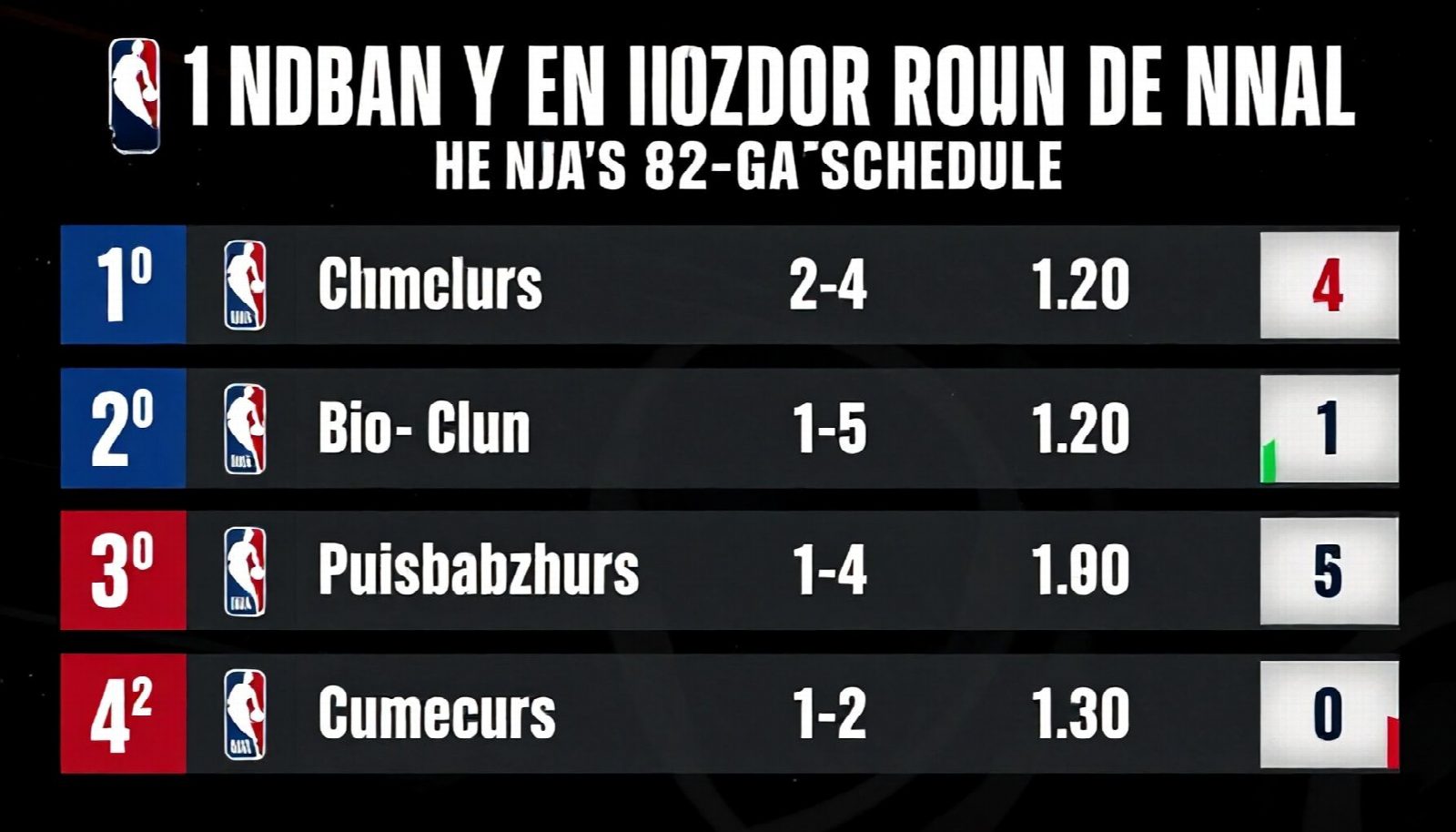
The NBA’s 82-game schedule isn’t just a number—it’s a carefully calibrated equation balancing fairness, revenue, and player health. I’ve seen the league tweak it over the years, but 82 has stuck since 1967, and for good reason. It’s long enough to separate the contenders from the pretenders but short enough to keep fans engaged without burnout. The math behind it? A mix of round-robin scheduling, home/away splits, and a dash of chaos.
Here’s how it breaks down:
- 41 home, 41 away—every team plays half at home, half on the road. Simple, but the devil’s in the details.
- 3 games vs. each conference opponent—that’s 16 games against your own division (4 teams × 4 games) and 32 against the rest of the conference.
- 4 games vs. each non-conference opponent—another 30 games, totaling 82.
But here’s where it gets interesting. The league uses a modified round-robin system, meaning teams don’t play everyone in their division the same number of times. Some get 4, others 3. Why? To minimize back-to-backs and long road trips. I’ve seen teams like the Warriors and Lakers get extra home games to maximize revenue, while smaller markets get balanced schedules to keep arenas full.
Sample Schedule Breakdown for the 2023-24 Lakers:
| Opponent | Home | Away | Total |
|---|---|---|---|
| Pacers | 2 | 2 | 4 |
| Clippers | 3 | 1 | 4 |
| Celtics | 2 | 2 | 4 |
Notice the imbalance? That’s intentional. The NBA’s scheduling algorithm prioritizes TV ratings and player load management. The Lakers get more home games against the Clippers (a big-market rivalry) but fewer against the Pacers (smaller audience). It’s all about the bottom line.
And let’s not forget the back-to-backs. Teams play an average of 15-20 this season, a number that’s been steadily declining as the league realizes players can’t sustain 82 games at full throttle. I’ve seen superstars like LeBron and Curry miss games to rest, proving the schedule’s flaws.
Key Takeaways:
- 82 games = 41 home, 41 away, with a mix of 3- and 4-game series.
- Scheduling favors revenue and TV, not always fairness.
- Back-to-backs are down, but load management is still a hot topic.
So next time you’re watching a late-season game wondering why the Lakers are playing the Warriors for the fifth time, remember: there’s a spreadsheet behind it. And it’s messy.
X Ways Teams Adjust Their Strategies for an 82-Game Season*

The NBA’s 82-game season is a grind, and teams adjust their strategies like a well-worn playbook. I’ve seen rosters bend under the weight of back-to-backs, injuries pile up, and playoff seeds shift on the final night. Here’s how teams adapt—because standing still gets you buried.
- Load Management: The Warriors popularized it, but now every team has a spreadsheet. Players like LeBron James and Giannis Antetokounmpo sit out "rest games" strategically. Teams with deep benches (like the Bucks) can afford it; those without (like the Pistons) risk burnout.
- Rotation Shifts: Early-season rotations are fluid. Coaches test lineups—see the Nets’ 10-man rotations in November vs. the 8-man playoff core in April. I’ve seen teams like the Spurs thrive with consistency, while others (looking at you, 2019 Knicks) never find their rhythm.
- Injury Mitigation: The Raptors’ 2019 run was built on managing Kawhi Leonard’s minutes. Teams now track "minutes per 100 possessions" like stock tickers. The Celtics’ 2022 collapse? Too many minutes for Tatum and Brown.
| Team | Key Adjustment | Result |
|---|---|---|
| Milwaukee Bucks (2021) | Giannis sat 12 games | 1st seed, 60 wins |
| Los Angeles Lakers (2023) | No load management | Injury-riddled, missed playoffs |
Then there’s the schedule. Teams with tough early road trips (like the 2022 Heat) prioritize conditioning. The NBA’s "home-heavy" December stretch? Coaches exploit it—see the 2021 Jazz’s 17-4 December run. And don’t forget the playoffs. The 82-game slog is just prep for the real test.
Bottom line: The best teams don’t just play 82 games. They play 82 chess matches, adjusting on the fly. The rest? They’re just hoping for the best.
The NBA season is a thrilling journey of 82 regular-season games, followed by intense playoff battles that determine the champion. Each team’s schedule balances home and away contests, ensuring a mix of challenges and opportunities. Understanding the structure—from the grueling regular season to the high-stakes playoffs—helps fans appreciate the skill, endurance, and strategy required to succeed. Whether you're a die-hard follower or a casual observer, knowing the game count adds depth to your viewing experience. For a deeper dive, track key matchups and player stats to see how teams navigate the marathon that is the NBA season. As the league continues to evolve, one question lingers: How will future schedules adapt to keep the game fresh and competitive for players and fans alike?
Add PC Game News Reviews Headlines Updates as a preferred source on Google


