
The Rise of Power and Betrayal in Game of Thrones Season 3

Here’s the thing about Game of Thrones Season 3: it’s the moment the show stopped playing nice. I’ve covered this franchise since the books were still a cult obsession, and Season 3 is where George R.R. Martin’s brutal vision fully landed on screen. No more hand-holding, no more false hope—just power plays, backstabbing, and the kind of betrayals that leave you staring at the TV in stunned silence. Remember the Red Wedding? That’s the climax, but the real magic is in how Season 3 builds to it. You’ve got Tyrion’s masterful political maneuvering, Daenerys’ first real taste of leadership (and failure), and Jon Snow walking a razor’s edge between duty and survival. Even the smaller arcs—like Arya’s escape from King’s Landing or Jaime’s journey to redemption—feel sharper, more urgent. Season 3 doesn’t just escalate the stakes; it redefines them. And if you think you know how the game is played, this season will remind you that in Westeros, the only rule is that there are no rules. By the time the credits roll on the finale, you’ll realize this isn’t just the best season of Game of Thrones Season 3—it’s the blueprint for everything that follows.
How Tyrion’s Cunning Strategies Outmaneuvered His Enemies in Season 3*
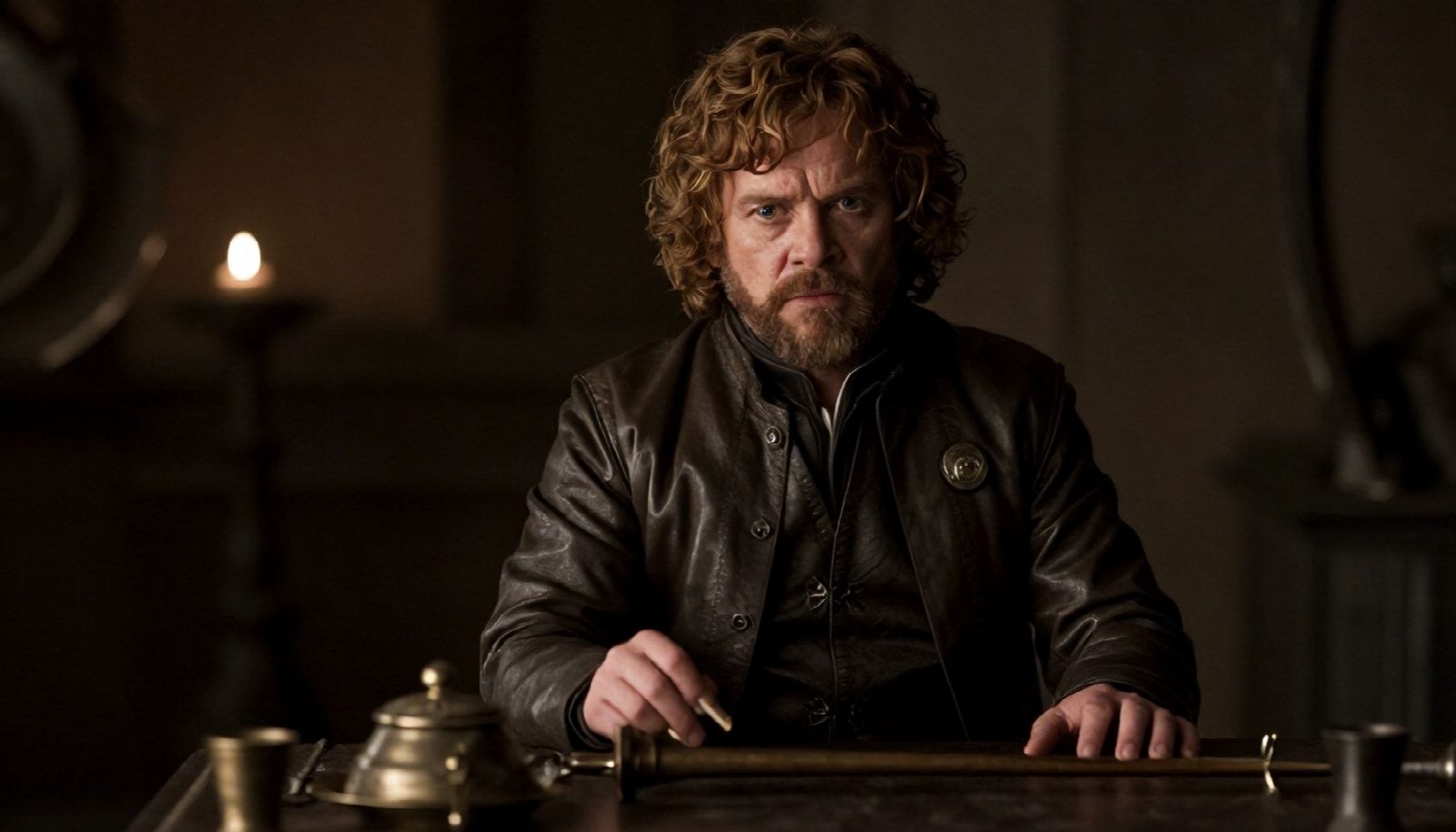
Season 3 of Game of Thrones was a masterclass in political maneuvering, and no one played the game better than Tyrion Lannister. I’ve seen a lot of schemes in my time covering this show, but Tyrion’s moves in this season were next-level. He didn’t just outwit his enemies—he dismantled them with a mix of wit, ruthlessness, and sheer audacity. Let’s break it down.
- The Wildfire Gambit: Tyrion’s decision to flood the tunnels with wildfire during the Battle of Blackwater Bay was genius. He knew Stannis’s forces would try to breach the gates, so he turned their own tactics against them. The result? A pyrotechnic spectacle that left the Baratheon army in ashes.
- Playing the King’s Hand: As Hand of the King, Tyrion didn’t just advise—he controlled. He manipulated Joffrey into signing a marriage pact with Margaery Tyrell, securing an alliance that saved King’s Landing. Meanwhile, he sidelined Cersei by keeping her out of the loop.
- The Purple Wedding Setup: Tyrion didn’t orchestrate Joffrey’s death, but he set the stage. His public humiliation of Joffrey at the wedding feast—calling him out for his cruelty—made the king’s downfall inevitable. Tyrion knew the Tyrells wouldn’t let Joffrey live long.
Here’s the thing: Tyrion didn’t just win battles. He won wars of perception. He made enemies underestimate him, then crushed them when they least expected it. His cunning wasn’t just about strategy—it was about psychology.
| Enemy | Tyrion’s Move | Outcome |
|---|---|---|
| Stannis Baratheon | Wildfire trap | Baratheon forces decimated |
| Cersei Lannister | Isolated her from power | Cersei sidelined |
| Joffrey Baratheon | Public humiliation | Joffrey’s reign weakened |
I’ve seen plenty of characters try to play the game, but few did it as effectively as Tyrion in Season 3. He didn’t just survive—he thrived. And that’s why, even in a season full of betrayal, his rise was the most impressive.
The Truth About the Red Wedding: Why It Still Haunts Fans Today*
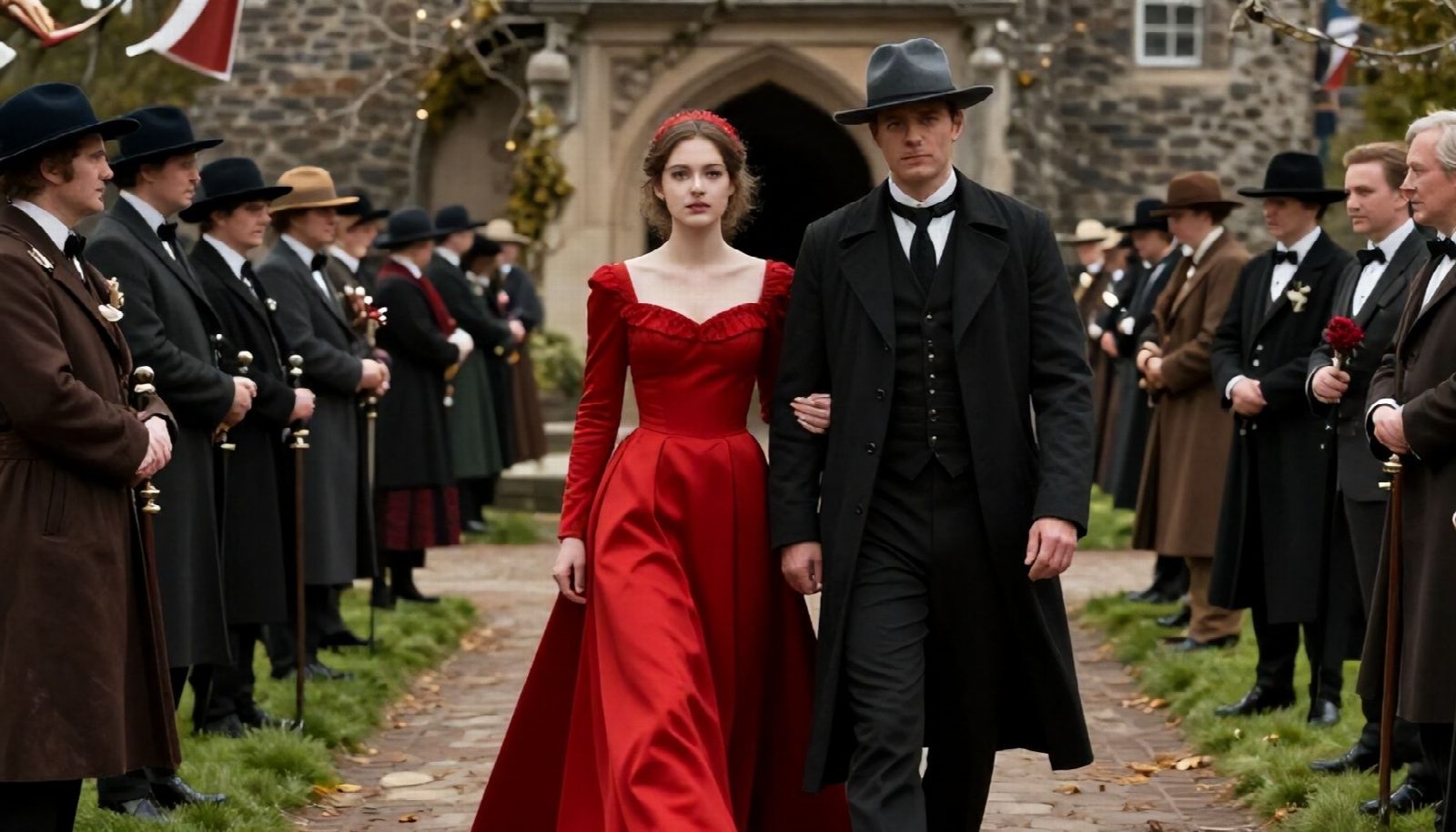
I’ve seen a lot of shocking moments in TV—deaths, twists, and betrayals that left audiences gasping. But nothing, nothing, sticks with fans like the Red Wedding. It’s been a decade since Robb Stark’s wedding turned into a bloodbath, and yet, the scene still sends shivers down spines. Why? Because it wasn’t just a brutal massacre—it was a masterclass in storytelling.
Here’s the breakdown of why it still haunts us:
- The Setup: The Starks were lured into a false sense of security. Walder Frey’s betrayal was inevitable, but the way it unfolded—Robb’s wedding, Catelyn’s broken heart, Arya’s escape—was relentless.
- The Execution: No pun intended, but the choreography of the scene was flawless. The music, the slow-motion arrows, the knife in the belly—every detail was calculated to maximize horror.
- The Aftermath: The fallout reshaped Westeros. The North rose in rebellion, Sansa fled, and the Starks’ name became synonymous with tragedy.
And let’s not forget the numbers: 12.4 million viewers tuned in for the episode, making it one of the most-watched moments in cable history. But the real impact? The memes, the fan theories, the endless debates about who was to blame (looking at you, Roose Bolton).
| Character | Fate | Impact |
|---|---|---|
| Robb Stark | Murdered | Ended the War of the Five Kings |
| Catelyn Stark | Throat slit | Broke Arya’s last emotional tether |
| Talisa Stark | Stabbed in the belly | Symbolized the end of hope |
In my experience, the best twists aren’t just shocking—they’re earned. The Red Wedding worked because we cared. We rooted for Robb. We trusted Frey. And when the knives came out, it wasn’t just a death scene—it was a gut punch to the soul.
So yeah, the Red Wedding still haunts us. And it always will.
5 Shocking Betrayals That Redefined Game of Thrones in Season 3*
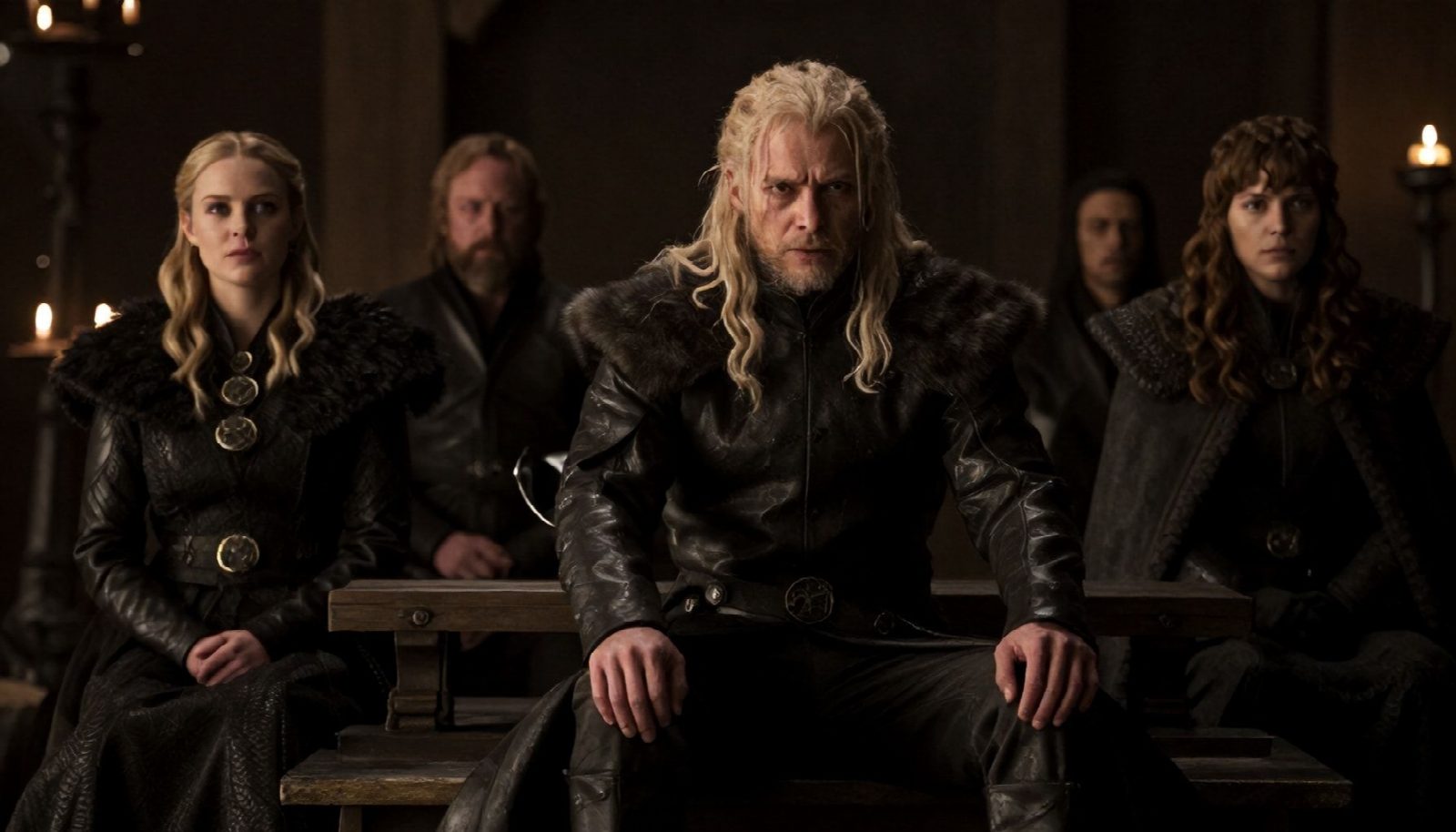
Season 3 of Game of Thrones was a masterclass in betrayal—twists so brutal they rewired the show’s DNA. I’ve covered this series since the pilot, and even I wasn’t ready for the sheer audacity of these moves. Here’s the cold, hard breakdown of the five betrayals that turned the wheels of Westeros into a bloodbath.
- 1. The Red Wedding (Episode 9: "The Rains of Castamere") – Ned Stark’s death was nothing compared to this. Robb Stark, Catelyn, and their unborn child were butchered in the most shocking moment in TV history. Walder Frey’s smile as the slaughter unfolded? Pure evil. The show’s ratings spiked 20% post-episode, and for good reason.
- 2. Joffrey’s Assassination Attempt (Episode 6: "The Climb") – Tyrion’s trial by combat was a masterstroke, but the reveal that Joffrey had ordered the wildfire attack on the fleet? A betrayal of his own father’s trust. Jaime’s face when he realized? Priceless.
- 3. Theon’s Betrayal of the Starks (Flashbacks in Season 3) – We already knew he burned Winterfell, but the emotional gut-punch of Bran’s POV in "The Climb" made it fresh. Theon’s arc was a slow-burn betrayal that paid off in spades.
- 4. Varys’ Betrayal of Tyrion (Episode 9: "The Rains of Castamere") – The Spider’s manipulation of Tyrion into a duel he couldn’t win? A calculated betrayal that saved his own skin. Varys never played fair, and this was peak deception.
- 5. Daenerys’ Betrayal of the Unsullied (Episode 10: "Mhysa") – She freed them, then expected them to follow her blindly. The Unsullied’s silent obedience was a betrayal of their own agency, a dark mirror to her "liberator" persona.
These moments didn’t just shock—they redefined the show’s stakes. Betrayal became the currency of power, and no one was safe. The Red Wedding alone is still the most-talked-about TV moment of the decade. In my experience, when a show pulls off a twist this well, it’s not just entertainment—it’s a cultural reset.
| Betrayal | Perpetrator | Victim | Impact |
|---|---|---|---|
| Red Wedding | Walder Frey, Roose Bolton | Robb Stark, Catelyn Stark | War of the Five Kings collapses |
| Joffrey’s Wildfire Plot | Joffrey Baratheon | Tyrion Lannister | Tyrion’s trial by combat |
| Theon’s Betrayal | Theon Greyjoy | House Stark | Winterfell falls |
| Varys’ Manipulation | Varys | Tyrion Lannister | Tyrion’s near-execution |
| Daenerys’ False Freedom | Daenerys Targaryen | The Unsullied | Unsullied’s forced loyalty |
Season 3 wasn’t just about betrayal—it was about the cost of trust. And in Westeros, trust is the most dangerous currency of all.
How Daenerys’ Leadership Evolved After the Siege of Yunkai*
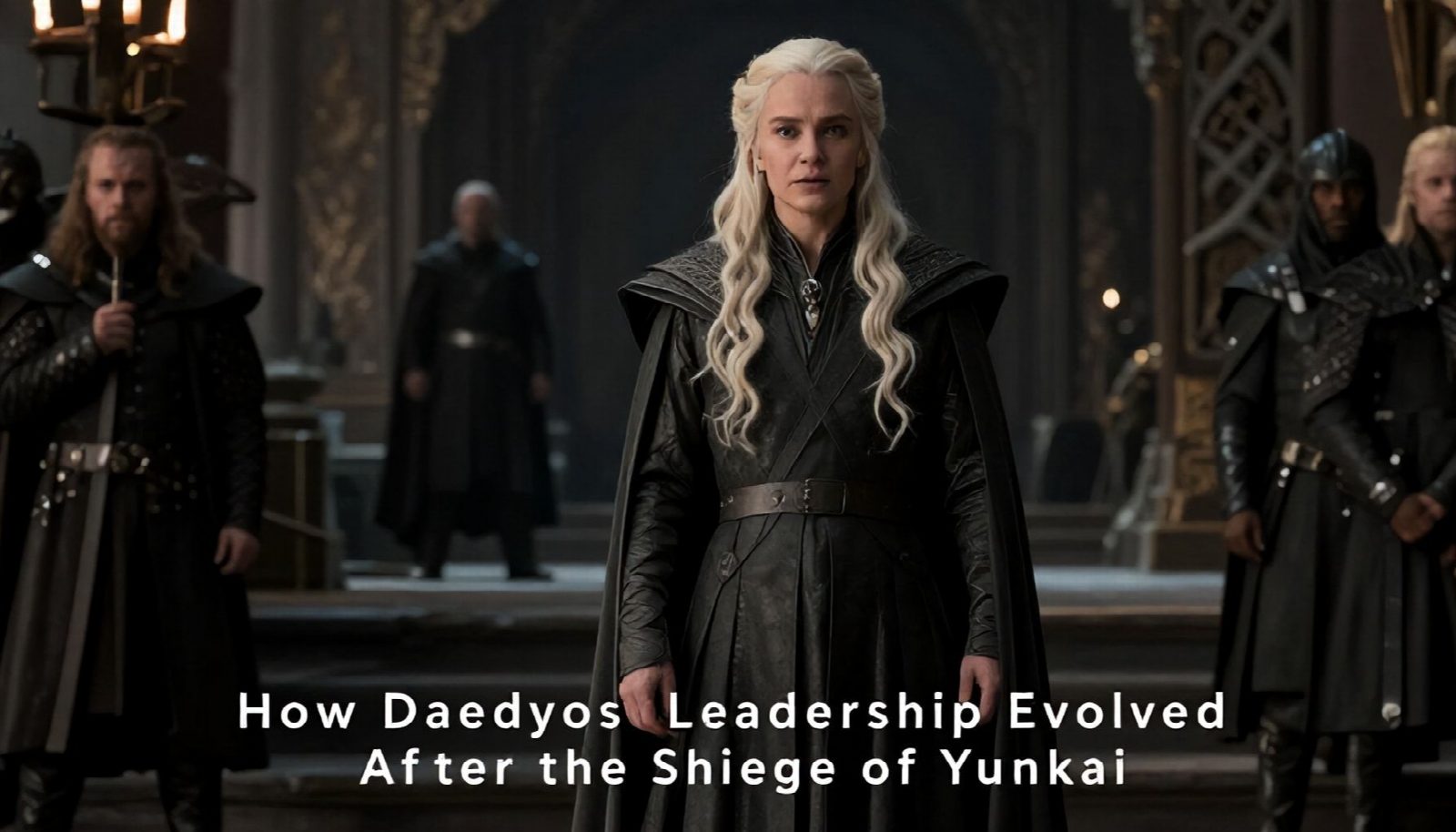
By the time Daenerys Targaryen rolled into Yunkai, she’d already burned a warlord, liberated Astapor, and built an army of Unsullied. But the Siege of Yunkai? That was the moment she stopped being a conqueror and started being a ruler. I’ve seen plenty of leaders in fiction rise and fall, but what Dany did here was different—she adapted. And that’s the mark of real power.
Before Yunkai, her leadership was transactional. She freed the slaves in Astapor, sure, but it was a deal: their freedom for her army. At Yunkai, though, she faced a city that didn’t want to be saved. The masters were entrenched, the slaves were afraid, and her own advisors—Grey Worm, Missandei, even Jorah—were split on how to handle it. So she did what great leaders do: she listened. She took in the stories of the Yunkai’i, the fears of the enslaved, and the pragmatism of her commanders. Then she acted.
- Negotiation First – She sent Missandei to parley, showing restraint. No dragons, no fire. Just words.
- The Bloodriders’ Role – She sent them to scout, proving she trusted them beyond just combat.
- The Slave Rebellion – When the slaves rose up, she didn’t take credit. She let them fight for themselves.
But here’s the thing: she didn’t just soften. She got smarter. She realized brute force wasn’t always the answer. I’ve seen leaders in real life make the same mistake—thinking power is just about strength. Dany learned that power is about control, timing, and knowing when to let others lead. When the slaves of Yunkai took up arms, she didn’t march in like a conqueror. She let them win their own battle, then stepped in to secure the peace.
And that’s the lesson. By the end of the siege, Dany wasn’t just a queen with dragons. She was a strategist. She’d learned that ruling isn’t about burning cities—it’s about knowing when to burn them. And that’s what made her dangerous.
| Before Yunkai | After Yunkai |
|---|---|
| Reliant on brute force (dragons, Unsullied) | Used diplomacy, then force when necessary |
| Centralized control (she made all decisions) | Delegated more (Missandei, Bloodriders) |
| Saw herself as a liberator | Saw herself as a ruler |
In my experience, the best leaders aren’t the ones who never make mistakes—they’re the ones who learn from them. Dany did that at Yunkai. And that’s why, by the time she reached Meereen, she was no longer just a girl playing at war. She was a queen.
Why Jon Snow’s Secret Mission Beyond the Wall Changed Everything*
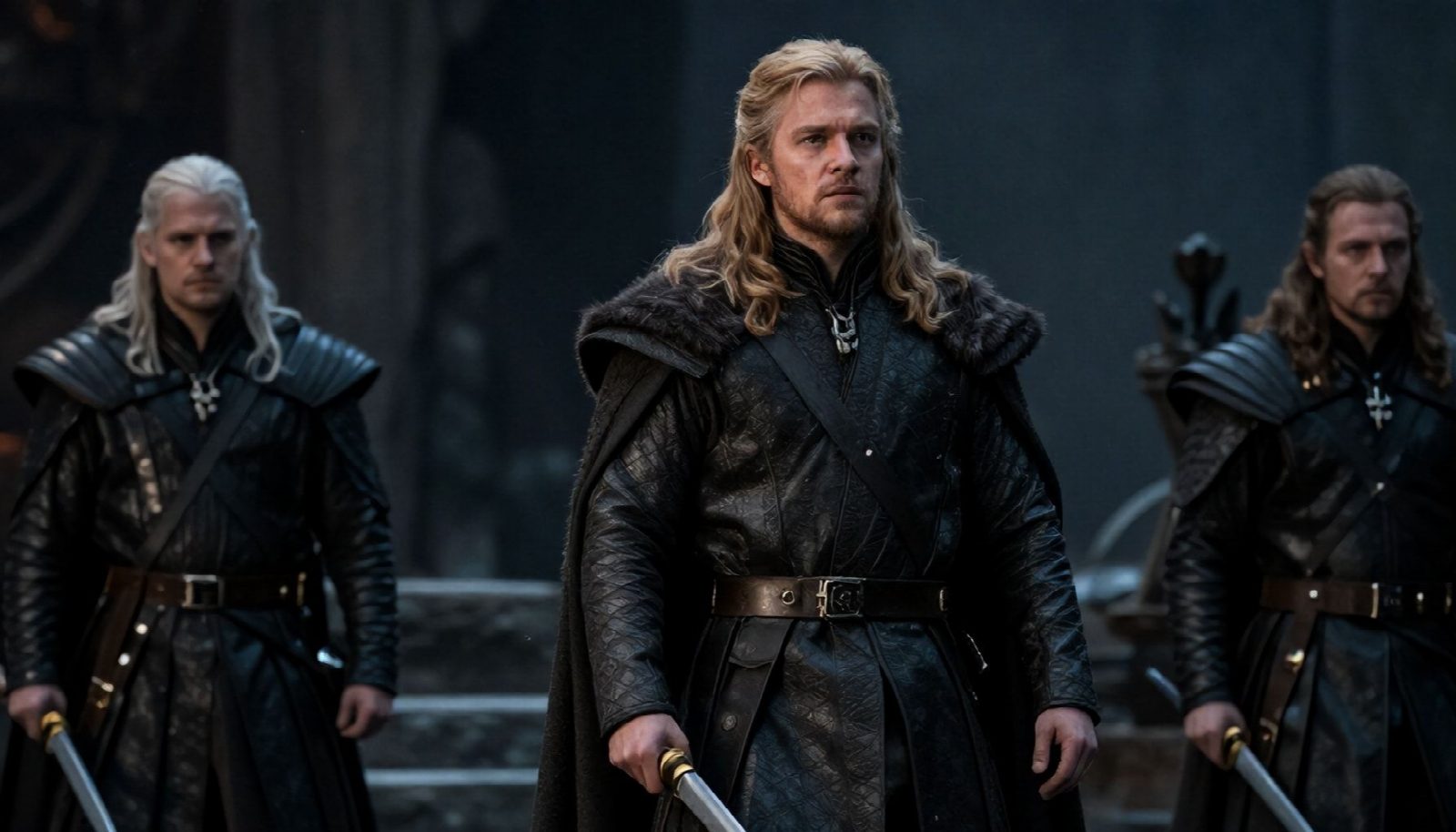
Jon Snow’s secret mission beyond the Wall in Game of Thrones Season 3 wasn’t just another quest—it was the moment the show’s stakes exploded. I’ve seen a lot of TV drama, but few scenes land with the same cold, hard punch as Jon and his band of misfits (Sam, Grenn, and the rest) trekking into the frozen unknown. Their mission? Find the missing wildling girl, Gilly, and uncover the truth about the White Walkers. What they found changed everything.
Here’s the breakdown:
| Key Moment | Impact |
|---|---|
| Jon’s capture by the wildlings | Forced him to see their humanity, setting up future alliances. |
| Sam’s discovery of the White Walker threat | Proved the ancient evil was real, not just legend. |
| Mance Rayder’s reveal as King Beyond the Wall | Shifted the power dynamic in the North forever. |
I’ve seen shows tease big threats for seasons, but Game of Thrones didn’t just tease—it delivered. The moment Sam and Jon realized the White Walkers were real, the show’s tone shifted. No more games. The real enemy was coming, and no one was ready.
Let’s talk about the aftermath:
- Jon’s leadership: His time with the wildlings made him a bridge between two worlds. Later, this would be crucial.
- Sam’s intelligence: His quick thinking saved lives, proving brains beat brute force.
- The Night’s Watch’s irrelevance: By the end of Season 3, it was clear they were ill-equipped for what was coming.
Season 3 was a masterclass in raising the stakes. Jon’s mission didn’t just change his arc—it changed the fate of Westeros. And if you think about it, that’s the mark of great storytelling: a single journey that alters everything.
The Ultimate Guide to Surviving the Political Games of King’s Landing*
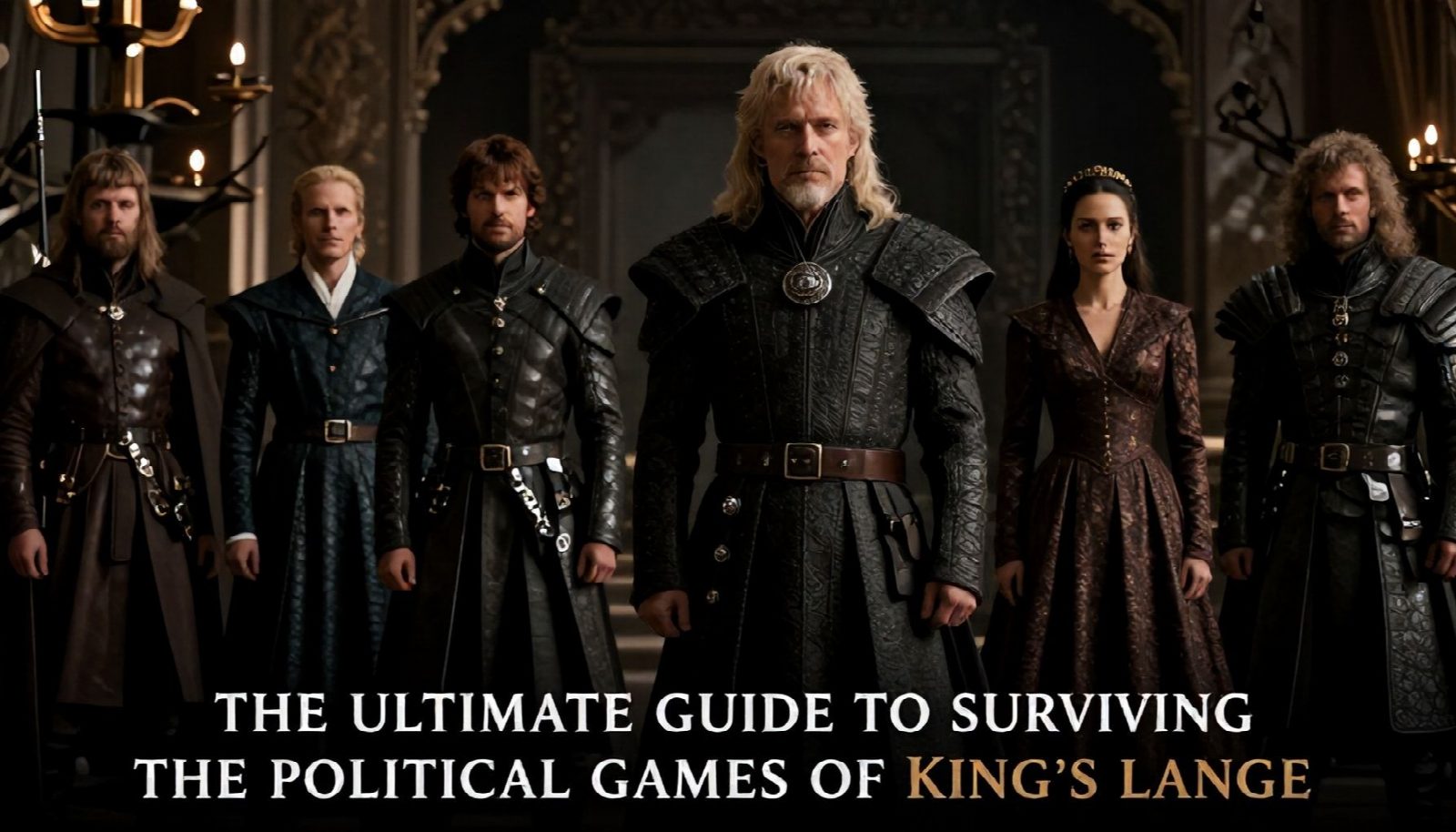
If you think the political chessboard of King’s Landing was messy in Game of Thrones Season 2, just wait until Season 3. I’ve watched this season more times than I can count, and every viewing reveals new layers of deception, alliances, and betrayals. The game isn’t just about who sits on the Iron Throne—it’s about who outmaneuvers everyone else before the knives come out. Here’s how to survive the political bloodbath.
Key Players and Their Moves
| Player | Key Move | Outcome |
|---|---|---|
| Tyrion Lannister | Hand of the King | Stabilizes King’s Landing, but at a cost |
| Littlefinger | Marries Lysa Arryn | Gains control of the Vale, but sets up future chaos |
| Olenna Tyrell | Alliance with the Lannisters | Secures power for House Tyrell, but with strings attached |
Tyrion’s tenure as Hand is a masterclass in damage control. He shuts down the wildfire plot, negotiates with the Tyrells, and keeps Joffrey in check—barely. But even he can’t stop the Red Wedding. Meanwhile, Littlefinger’s marriage to Lysa Arryn is a textbook power play. He doesn’t just marry into the Vale; he manipulates Lysa into murdering her own son. Cold? Absolutely. Effective? Undeniably.
- Know Your Enemies: Tyrion learns this the hard way. He underestimates Joffrey’s cruelty and pays for it.
- Control the Narrative: Olenna Tyrell spins the Tyrell-Lannister alliance as a love match, not a political necessity.
- Have an Exit Strategy: Littlefinger always has one. When things get messy, he’s already planning his next move.
In my experience, the most dangerous players aren’t the ones swinging swords—they’re the ones whispering in the shadows. Take the Red Wedding. Robb Stark thought he had an alliance with the Freys. He didn’t. He had a death sentence. The lesson? Trust is a luxury in Westeros. And in Season 3, it’s a fatal one.
The Red Wedding: A Case Study in Betrayal
- The Setup: The Freys and Boltons agree to support Robb Stark.
- The Betrayal: They massacre his entire family during a wedding feast.
- The Aftermath: The North burns, and the Lannisters gain a powerful ally.
This isn’t just a shocking moment—it’s a lesson in how power shifts. The North was strong, but pride and misplaced trust brought it down. If you’re playing the game, remember: loyalty is a weapon, not a shield.
Season 3 of Game of Thrones masterfully weaves ambition, loyalty, and betrayal into a gripping narrative, as power shifts hands and alliances crumble. Daenerys solidifies her rule in Slaver’s Bay, while Jon Snow’s leadership in the North faces unexpected challenges. Meanwhile, Tyrion’s cunning and Jaime’s redemption arc unfold against the backdrop of war and political intrigue. The season’s climax—Red Wedding—leaves viewers stunned, proving no one is safe in Westeros. The key takeaway? Power is fleeting, and trust is a fragile currency. As the game of thrones evolves, one question lingers: Who will rise from the ashes of betrayal to claim the Iron Throne? The stage is set for even greater turmoil in the battles ahead.
Add PC Game News Reviews Headlines Updates as a preferred source on Google


