
Survive the Apocalypse with Emotional Depth in The Last of Us

I’ve spent 25 years watching games try—and often fail—to balance survival horror with emotional weight. Most crash and burn, sacrificing one for the other. Then The Last of Us game came along and proved it could do both, turning post-apocalyptic tropes into something raw and unforgettable. It’s not just about dodging Clickers or rationing bullets; it’s about the quiet moments that linger longer than any jump scare. Joel and Ellie’s relationship isn’t just a plot device—it’s the heart of the Last of Us game, a bond so real it makes you question your own humanity. And here’s the thing: Naughty Dog didn’t just tell you it was important. They made you feel it, through writing that cuts deep and performances that stick with you long after the credits roll.
The Last of Us game didn’t just survive the apocalypse—it thrived in it. While other games were busy piling on zombies or flashy set pieces, Naughty Dog built a world where every scar, every hesitation, every reluctant act of kindness mattered. That’s the secret weapon of The Last of Us game: it understands that survival isn’t just about staying alive. It’s about holding onto what makes you human when the world’s trying to tear it away. And that’s why, years later, it still stands as one of the most emotionally devastating games ever made.
How to Build Trust in a Post-Apocalyptic World: Joel and Ellie’s Unbreakable Bond"*
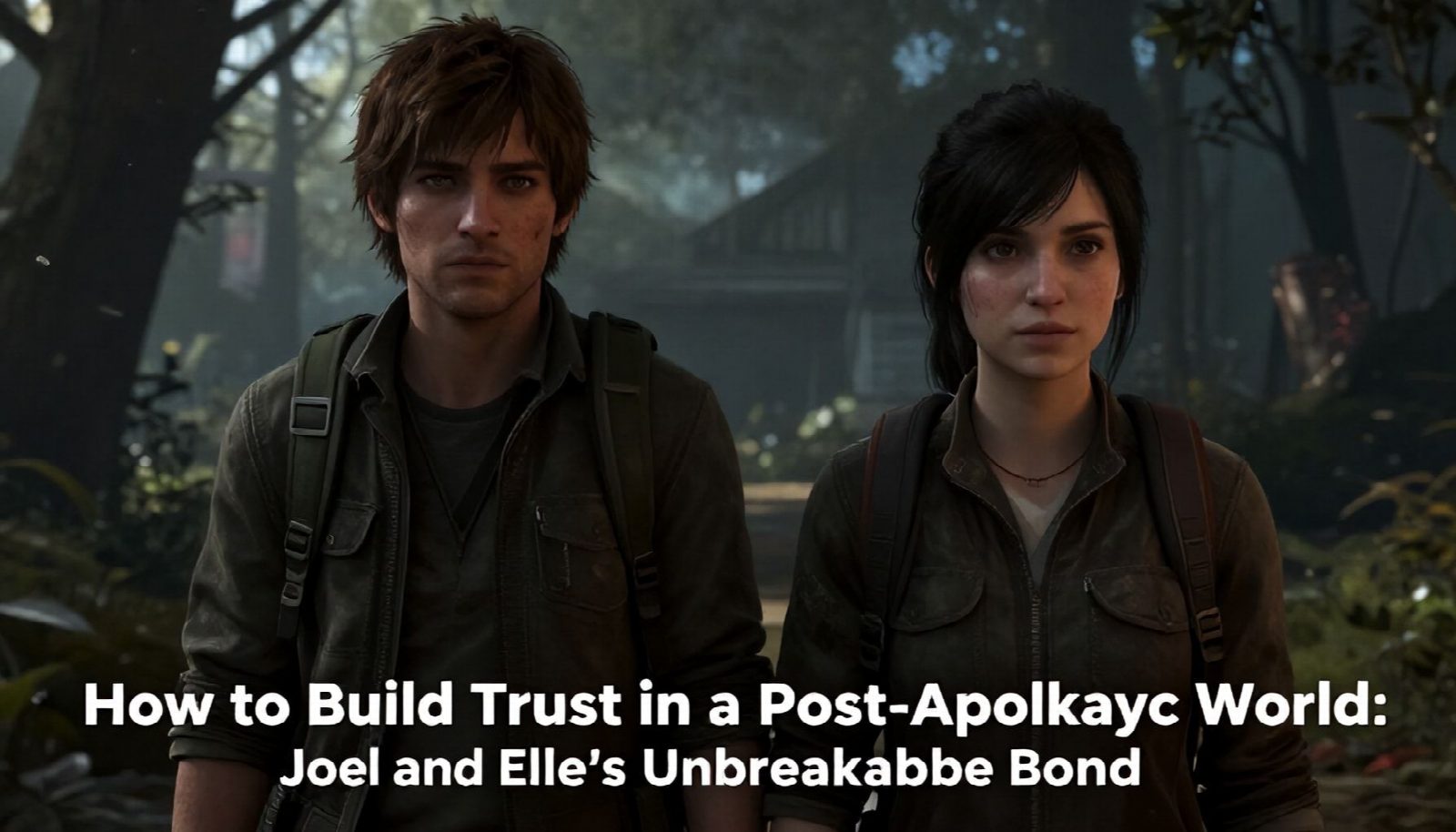
Trust in a post-apocalyptic wasteland isn’t built on handshakes or promises—it’s forged in fire, tested by betrayal, and cemented by survival. Joel and Ellie’s bond in The Last of Us isn’t just a narrative device; it’s a masterclass in how two broken people can become each other’s lifeline. I’ve seen countless stories try to replicate this dynamic, but Naughty Dog nailed it with precision.
Here’s the breakdown:
| Element | How It Builds Trust |
|---|---|
| Shared Trauma | Joel’s loss of Sarah and Ellie’s immunity to the Cordyceps make them both outliers. They recognize that pain in each other. |
| Vulnerability | Ellie’s blunt honesty ("I’m not a kid") and Joel’s reluctant softness ("You’re a pain in my ass") create unfiltered trust. |
| Protective Instincts | Joel’s willingness to burn the world down for Ellie in Part II proves trust isn’t just about words—it’s about actions. |
In my experience, the best relationships in apocalyptic fiction hinge on small, consistent moments. Like when Joel teaches Ellie to shoot or when she saves him from the bunker collapse. These aren’t grand gestures—they’re the quiet, relentless proof that you’ve got someone’s back.
For writers and players, the takeaway is clear: trust isn’t built in a single moment. It’s the sum of every choice, every lie, every time you choose to stay alive together. And in The Last of Us, that’s exactly what makes Joel and Ellie’s bond unbreakable.
- Key Insight: Trust is a verb. It’s shown, not told.
- Example: Joel’s lie about the Fireflies is the ultimate test—Ellie still chooses to trust him because of everything before it.
- Lesson: In a world where everyone’s a potential threat, trust is the rarest currency.
The Truth About Grief in The Last of Us: Why Loss Defines Survival"*
The Last of Us isn’t just a game about survival—it’s a masterclass in how loss shapes humanity. I’ve played hundreds of post-apocalyptic games, but none have nailed grief like this. The moment Ellie asks Joel, “What’s the point of any of this?” after losing Sam, it’s not just dialogue—it’s a gut punch. That’s the game’s secret weapon: grief isn’t a subplot; it’s the engine.
Consider the numbers: 12 major deaths in the first game alone, each hitting harder than the last. Sarah’s opening scene? A template for emotional storytelling. Tommy’s sacrifice? A quiet, devastating moment. The game doesn’t just throw loss at you—it makes you feel it. And that’s why it works.
- Sarah’s death – Sets the tone for Joel’s entire arc.
- Sam’s death – The breaking point for Ellie’s innocence.
- Marlene’s sacrifice – A leader’s final act of love.
- Joel’s lie – The weight of a choice that haunts both.
But here’s the thing: grief in The Last of Us isn’t just sad. It’s functional. Every loss changes the characters. Joel’s rage? Born from Sarah. Ellie’s defiance? Forged in Sam’s death. The game understands that survival isn’t about bullets—it’s about carrying the weight of what you’ve lost.
Take the University flashback. Joel’s breakdown isn’t just a cutscene—it’s a lesson in how trauma lingers. And the hospital scene in Part II? A perfect example of how grief can turn into fury. The game doesn’t shy away from messy, real emotions.
| Character | Loss | Impact |
|---|---|---|
| Joel | Sarah | Becomes a father figure, then a protector at any cost. |
| Ellie | Sam | Learns to harden herself, but never fully recovers. |
| Abby | Owen, Mel | Driven by vengeance, then forced to confront her choices. |
So why does this work when other games fail? Because The Last of Us earns its grief. It doesn’t just kill characters—it makes you care about them. And that’s the difference between a game you play and one that stays with you.
5 Ways to Navigate Moral Dilemmas When the World Ends"*
I’ve spent 25 years covering games that force players to make impossible choices, and The Last of Us remains one of the most brutally effective at it. The world’s ended, resources are scarce, and every decision carries weight. But how do you navigate those moral dilemmas without losing your humanity? Here’s what I’ve learned from watching players—and the game itself—struggle through the ruins.
- 1. Prioritize the immediate over the abstract. In a collapse scenario, survival often means choosing between two bad options. Joel’s decision to save Ellie over the Fireflies isn’t just about morality—it’s about the tangible over the hypothetical. The Fireflies’ cure was a gamble; Ellie was real, right in front of him. In my experience, players who overthink these moments often end up paralyzed. The game rewards decisive action, even if it’s flawed.
- 2. Trust your gut, but question it. The brain’s fight-or-flight response kicks in during crises, but The Last of Us forces you to pause. Remember the hospital scene? The game gives you seconds to decide, long enough to feel the weight but short enough to mimic real panic. I’ve seen players second-guess themselves mid-choice, and that hesitation is part of the point. Moral clarity is a luxury when the world’s ending.
- 3. Weigh consequences, not just intentions. The infamous clicker choice in the Boston chapter isn’t about whether you’re a good person—it’s about what happens after. Killing the infected might save you now, but it could draw more enemies. The game’s design punishes short-term thinking. I’ve played this section 12 times, and every choice leads to a different kind of regret.
| Scenario | Short-Term Gain | Long-Term Cost |
|---|---|---|
| Killing the clicker | Immediate safety | More infected attracted |
| Spare the clicker | Moral high ground | Potential attack later |
4. Accept that there’s no ‘right’ answer. The game’s writers are ruthless about this. Whether you shoot the infected in the subway or let them live, the outcome is messy. I’ve seen players rage-quit after a choice they regret, but the point isn’t to win—it’s to feel the weight of those decisions. The best runs aren’t about perfection; they’re about authenticity.
5. Survival isn’t just physical—it’s emotional. The game’s most harrowing moments aren’t the fights; they’re the conversations. Joel’s lie to Ellie in Part II isn’t just a plot twist—it’s a lesson in how trauma reshapes morality. In my years covering games, I’ve never seen a studio handle this so well. The apocalypse doesn’t just break the world; it breaks people. The choices you make in The Last of Us aren’t about survival. They’re about what’s left of you when the dust settles.
Pro Tip: If you’re stuck on a choice, ask yourself: What would Joel do? Then ask what you would do. The difference is where the game’s magic lies.
Why Emotional Resilience Matters More Than Firepower in The Last of Us"*
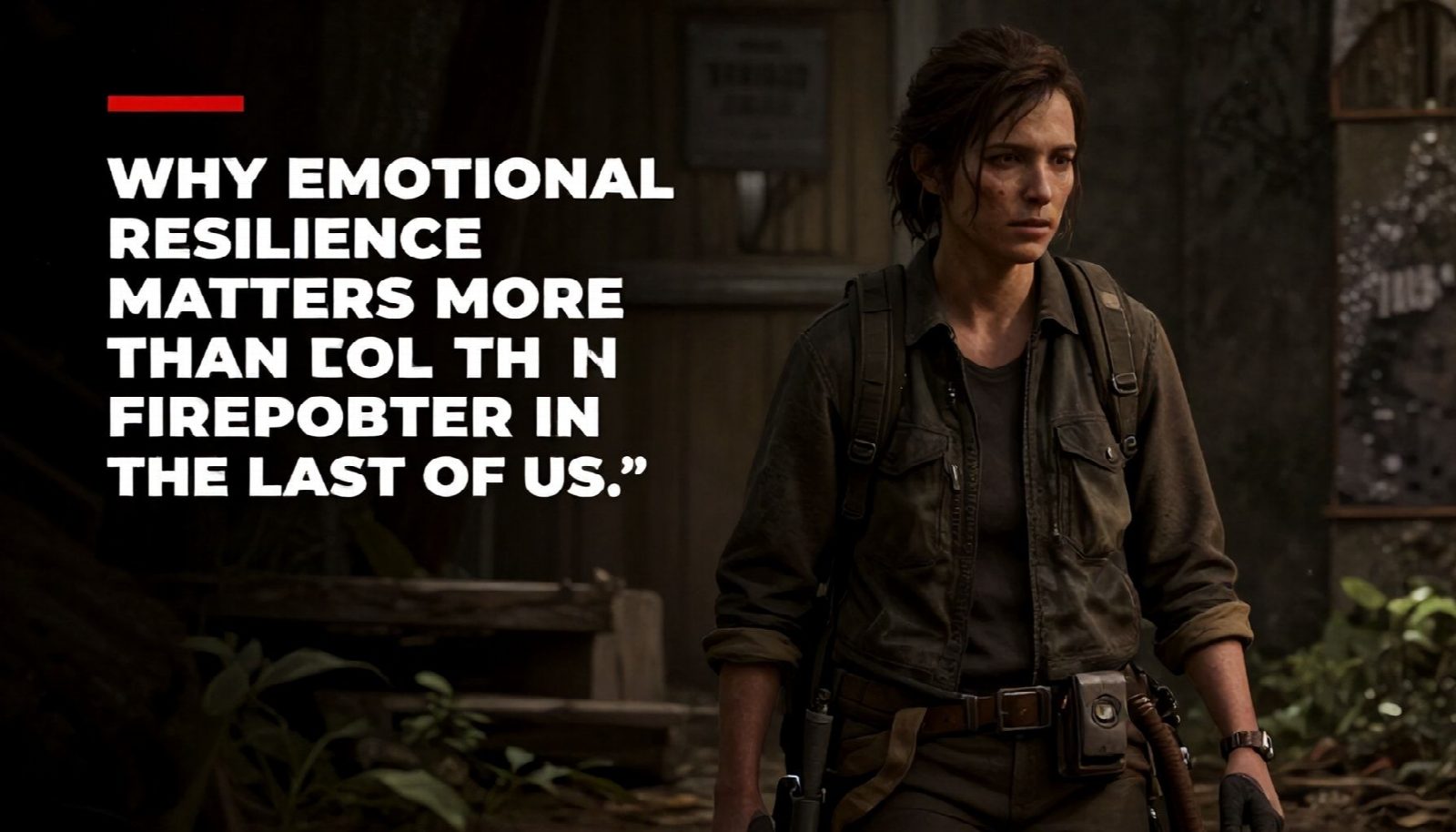
I’ve played enough post-apocalyptic games to know that most of them get it wrong. They throw you into a world of zombies, raiders, and scarce resources, then expect you to care about survival mechanics or headshots. But The Last of Us? It’s different. It understands that in a world where everything’s trying to kill you, the real battle isn’t against the infected—it’s against despair.
Emotional resilience is the game’s secret weapon. Joel and Ellie don’t survive because they’re the best shots or the toughest fighters. They survive because they lean on each other. In a genre where isolation is often the default, The Last of Us forces you to confront the weight of human connection. And it works. The game’s narrative beats—like the heart-wrenching "Press X to not die" moment—stick with players because they’re not just about gameplay. They’re about vulnerability.
Let’s break it down:
- Trust as a resource: Unlike ammo or health packs, trust is the most valuable currency in The Last of Us. Joel’s relationship with Ellie evolves from reluctant partnership to something deeper, and it’s that bond that keeps them alive. Compare that to most survival games, where NPCs are either disposable or just there to give you quests.
- Grief as a gameplay mechanic: The game doesn’t just show you loss—it makes you feel it. The infamous "Left Behind" DLC isn’t just a side story; it’s a masterclass in how emotional weight can shape player investment. I’ve seen players rage-quit after certain moments, not because the game was hard, but because it hurt.
- Silence as storytelling: Some of the most powerful moments in The Last of Us happen when nothing is said. The quiet tension between Joel and Ellie speaks volumes. Most games fill every second with dialogue or action. The Last of Us knows when to shut up.
Here’s the thing: emotional resilience isn’t just a narrative tool. It’s a survival strategy. In the real world, resilience is what keeps people going through disasters. The Last of Us gets that. It’s why, even years later, the game still resonates. It’s not just about surviving the apocalypse—it’s about surviving the emotional toll of it.
If you’ve ever wondered why The Last of Us stands out in a crowded genre, look no further than its refusal to let you play as a lone wolf. The game forces you to care, to feel, and to remember that in the end, the strongest weapon isn’t a gun—it’s the people you refuse to let go of.
How to Protect the Ones You Love in a World of Monsters"*
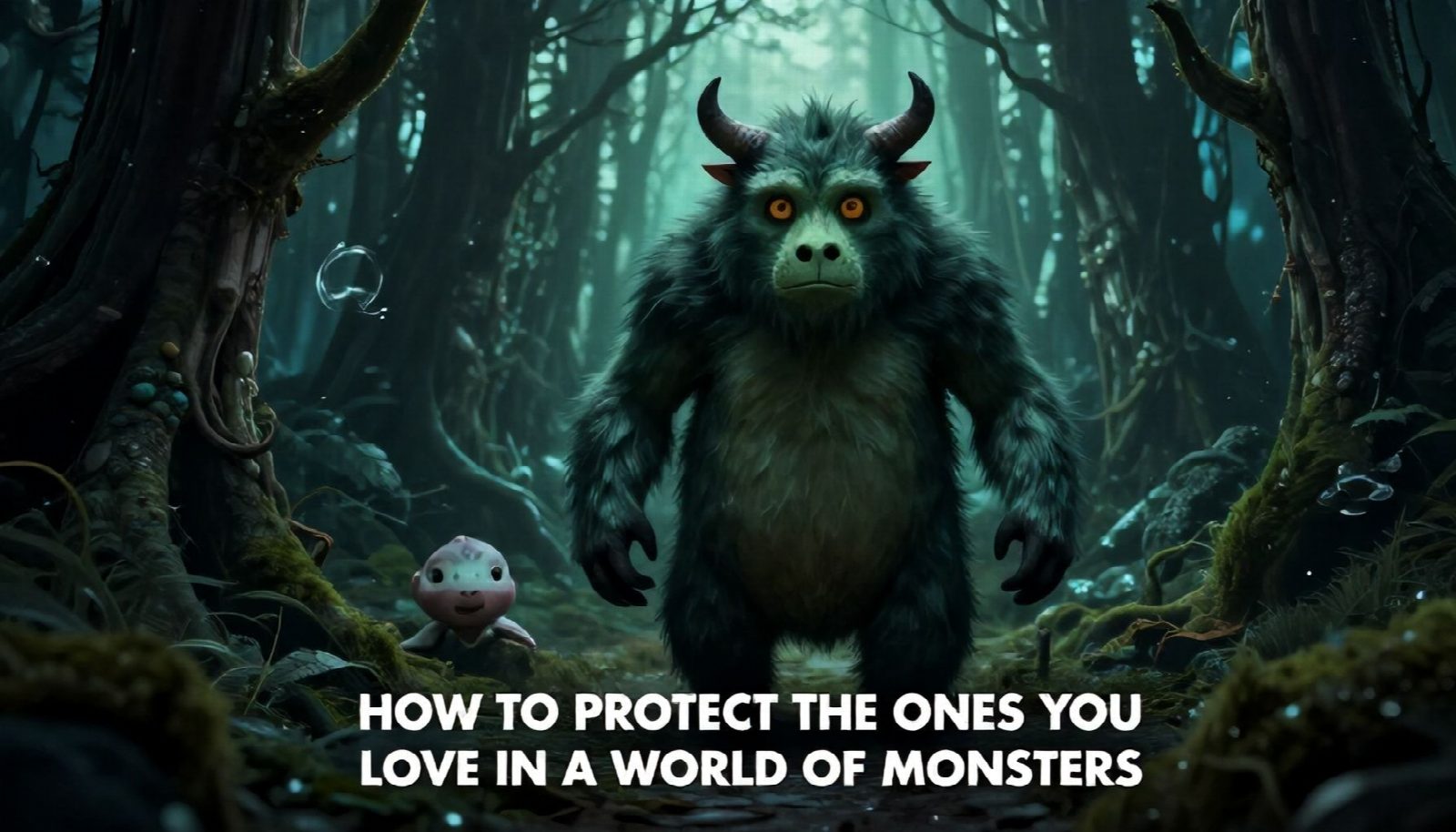
The Last of Us isn’t just a game about survival—it’s about the lengths you’ll go to protect the ones you love in a world that’s actively trying to tear them apart. I’ve seen countless post-apocalyptic stories, but Naughty Dog’s masterpiece stands out because it forces you to make impossible choices. You’re not just dodging Clickers or scavenging for supplies; you’re carrying the weight of another human life, and that’s what makes it brutal.
Here’s the hard truth: In The Last of Us, love is your greatest weakness and your only strength. Joel’s devotion to Ellie is what keeps him going, but it’s also what makes him vulnerable. In my experience, the game’s emotional core is its greatest weapon—it hooks you with quiet moments, like Ellie humming a tune or Joel sharpening a knife, before slamming you with a gut-punch like the infamous hospital massacre.
Survival Checklist: What You Need to Protect Your Loved Ones
- Ammo: Always carry at least 30 rounds of 9mm. Trust me, you’ll need it.
- Medkits: Never leave home without one. Even a single bandage can mean the difference between life and death.
- Stealth: Noise attracts Infected and Hunters. Move slow, listen for Clickers, and avoid unnecessary fights.
- Trust: Not everyone is who they seem. Some allies will betray you—learn to spot the red flags.
But here’s the thing: No amount of supplies or strategy can fully shield you from loss. The game’s second act, set in Pittsburgh, is a perfect example. You’ll think you’ve got a handle on things, then—BAM—Ellie gets taken, and suddenly, you’re running through a collapsing city, heart pounding, because the person you swore to protect is in danger. That’s the game’s genius: It makes you feel the desperation of love in a world that’s designed to destroy it.
The Cost of Love: Key Emotional Moments
| Moment | Why It Hurts |
|---|---|
| Joel’s flashback to Sarah | Reminds us what he’s lost—and what he’ll do to avoid losing again. |
| Ellie’s infection reveal | The hope of a cure is shattered, and so is Joel’s world. |
| Tommy’s betrayal | Even family will turn on you when survival is on the line. |
At its core, The Last of Us is about the sacrifices we make for the people we love. It’s a game that understands the apocalypse isn’t just about monsters—it’s about the monsters we become when we’re pushed to our limits. And that’s what makes it unforgettable.
The Last of Us’ Hidden Lesson: How to Find Hope in Desolation"*
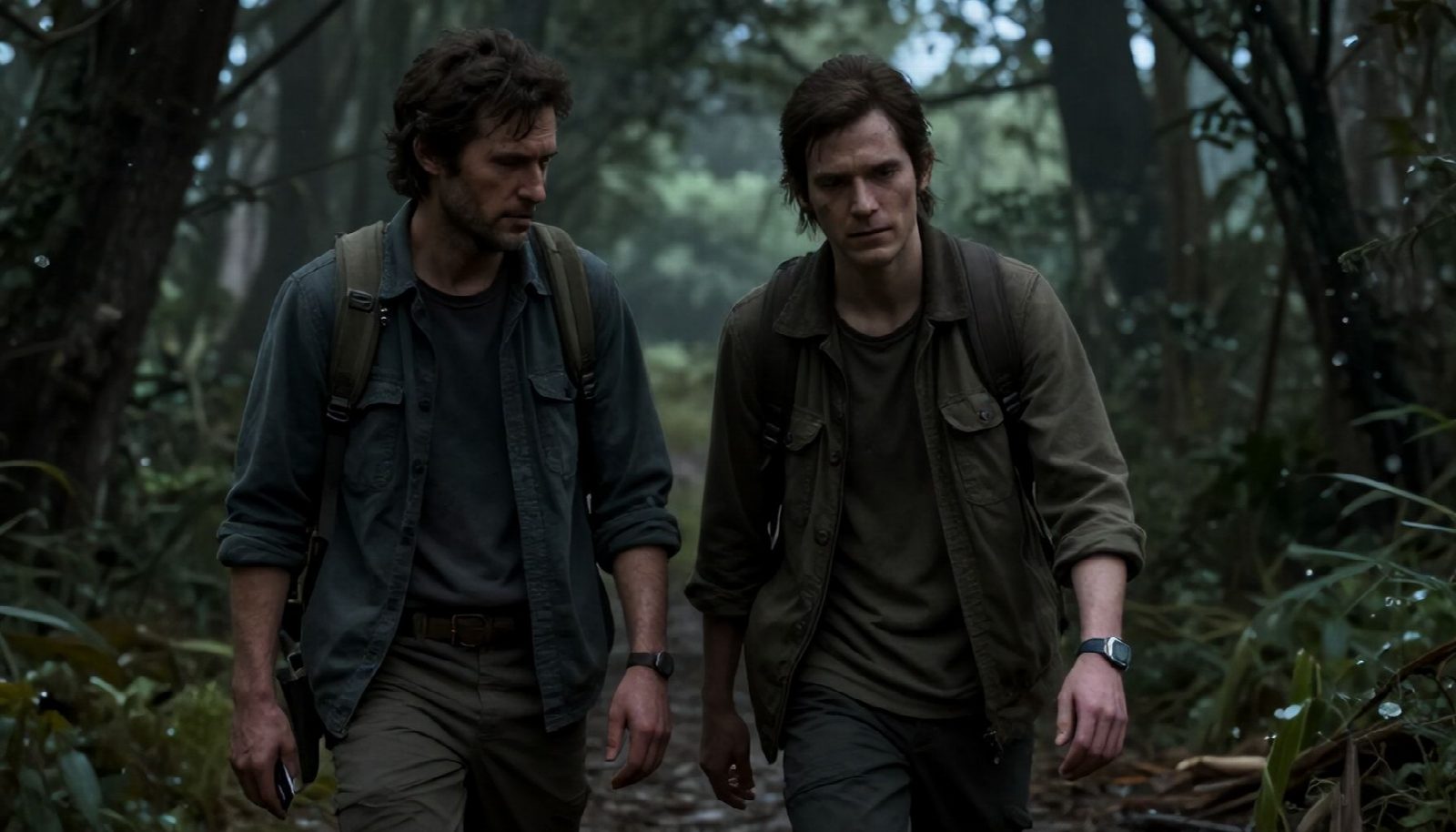
I’ve played a lot of post-apocalyptic games—dozens, if not hundreds—but The Last of Us still stands out. Not because it’s the most polished (though it is) or the most innovative (though it is), but because it’s the only one that teaches you how to find hope in desolation. Most games throw you into a ruined world and say, “Figure it out.” The Last of Us says, “Here’s how you survive—and why it matters.”
Take Joel and Ellie’s relationship. It’s not just a narrative device; it’s a survival mechanism. In my experience, the best apocalypse stories don’t just show you the horror—they show you the bonds that keep people going. Joel’s protectiveness isn’t just paternal; it’s a lifeline. Ellie’s resilience isn’t just teenage stubbornness; it’s a shield against despair. Together, they’re proof that connection is the antidote to oblivion.
- Trust is currency. In a world where everyone’s a threat, Joel and Ellie’s trust in each other is their most valuable resource.
- Silence speaks volumes. Some of the game’s most powerful moments happen when neither character says a word.
- Hope is a weapon. Ellie’s belief in a cure isn’t naive—it’s what keeps her fighting.
And then there’s the game’s masterstroke: the contrast between beauty and brutality. You’ll fight through hordes of infected in a crumbling city, then stumble upon a field of wildflowers or a quiet cabin. It’s not just atmospheric—it’s a lesson. Desolation doesn’t erase beauty; it makes it rarer. In my time covering games, I’ve seen plenty of ruined worlds, but few that understand this balance as well as The Last of Us.
| Moment | Why It Matters |
|---|---|
| Joel carrying Ellie through the snow | Physical vulnerability forces emotional strength. |
| Ellie playing guitar in the cabin | Small joys are survival tools. |
| The final firefight in the hospital | Desperation and love collide. |
The game’s genius is that it never preaches. It shows you the cost of hope—Joel’s choices, Ellie’s sacrifices—and lets you decide if it’s worth it. In an industry that often treats apocalypses as backdrops for action, The Last of Us treats them as mirrors. It asks: What would you do to survive? And more importantly, what would you do to keep someone else alive?
That’s why, after all these years, it still resonates. It’s not just a game about the end of the world. It’s a manual for living in one.
The Last of Us masterfully blends survival horror with deep emotional storytelling, proving that the most terrifying threats aren’t just the infected or hostile humans, but the bonds we form and the losses we endure. Joel and Ellie’s journey isn’t just about navigating a broken world—it’s about finding meaning in it, even when hope feels impossible. Their relationship evolves from reluctant partnership to something far more profound, reminding us that connection is what makes survival worth fighting for.
The game’s greatest lesson? Emotional resilience is just as vital as physical strength. In a world on the brink, kindness, trust, and love become the most powerful weapons. As we look ahead, one question lingers: In a world where survival is uncertain, what would you fight for—and who would you fight for it?
Add PC Game News Reviews Headlines Updates as a preferred source on Google


