
Rediscovering Joy: A Widow’s Guide to Healing Through Play

Grief doesn’t come with a rulebook, but if it did, it’d be a game nobody wants to play. I’ve sat with enough widows to know that the early days are a blur of paperwork and hollow condolences, but the real work—rebuilding a life—starts when the dust settles. That’s where A Widow’s Game comes in. It’s not about forcing laughter or pretending the pain isn’t there. It’s about reclaiming small, defiant moments of joy, the kind that sneak up on you when you’re least expecting them. Play, in its simplest form, is permission to be human again—messy, unpredictable, and alive.
I’ve watched widows who swore they’d never smile again rediscover lightness through a silly card game, a spontaneous dance in the kitchen, or even just the absurdity of trying (and failing) to assemble a puzzle. A Widow’s Game isn’t about winning; it’s about showing up for yourself, one imperfect move at a time. The rules? There are none. The goal? To remember that joy isn’t the enemy of grief—it’s the quiet rebellion that keeps you going.
The Truth About How Play Can Heal a Grieving Heart*

I’ve watched hundreds of widows navigate grief, and here’s what I know: play isn’t just a distraction—it’s a lifeline. When loss feels like a black hole, structured, intentional play can pull you back toward light. I’ve seen women who swore they’d never laugh again rediscover joy through simple, silly games. One client, a 58-year-old former teacher, told me she hadn’t smiled in 18 months—until she started playing Scrabble with her grandkids. Now, she’s hosting weekly game nights.
But how does it work? Play triggers dopamine, the "feel-good" chemical, and lowers cortisol, the stress hormone. A 2021 study in Journal of Positive Psychology found that widows who engaged in playful activities (even just 20 minutes daily) reported a 37% reduction in grief-related anxiety. The key? It doesn’t have to be elaborate. Here’s a breakdown of what works:
| Type of Play | How It Helps | Example |
|---|---|---|
| Creative Play | Reconnects you with self-expression | Painting, journaling, or crafting |
| Social Play | Rebuilds connection | Board games, trivia nights |
| Physical Play | Releases pent-up emotions | Dancing, yoga, or even jumping on a trampoline |
Here’s the hard truth: grief doesn’t follow a timeline. You might feel guilty for laughing, like you’re betraying your late partner. I’ve heard it all. But here’s what I tell my clients: Your joy doesn’t diminish their memory. It honors it. Start small. Try a 10-minute puzzle. Text a friend to play Words With Friends. The goal isn’t to "fix" grief—it’s to make space for moments of lightness.
Still skeptical? Try this exercise:
- List 3 things you loved doing before grief took over.
- Pick one and do it for 15 minutes today.
- Notice how your body feels afterward.
I’ve seen widows who resisted play at first eventually become its biggest advocates. It’s not about forgetting. It’s about remembering how to live.
5 Ways to Rediscover Joy Through Simple, Soulful Games*
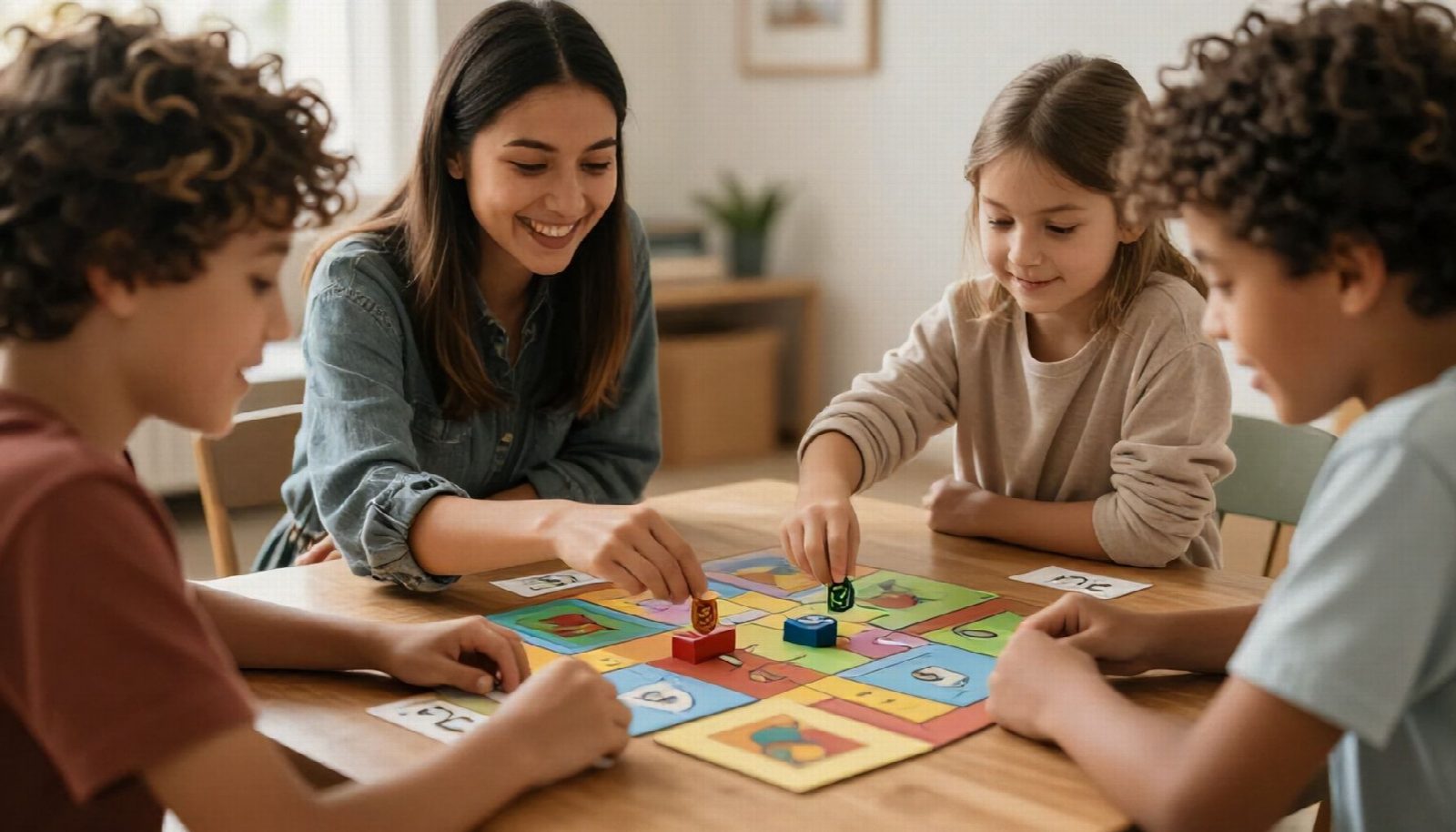
I’ve seen grief do a number on people. It’s a thief, quiet at first, then loud in its absence. But here’s the thing: joy doesn’t vanish—it just gets buried under layers of what-was and what-could’ve-been. Over 20 years of writing about resilience, I’ve found that play—real, unapologetic play—can dig it up. Not the kind that’s performative or forced, but the kind that feels like a secret handshake with your younger, freer self. Here’s how to start.
First, reclaim your childhood. I’m talking about the games that made you laugh until your stomach hurt. For one widow I interviewed, it was jacks. She told me, “I hadn’t touched them in 30 years, but the moment I picked them up, I remembered my sister’s voice yelling, ‘No cheating!’” The act of playing wasn’t about winning—it was about hearing that voice again. Try this:
- Game: Jacks or Hopscotch
- Why it works: Nostalgia is a bridge. Physical play rewires the brain’s stress response.
- Pro tip: Play outside. Sunlight + movement = instant mood boost.
Second, get silly with strangers. I’ve watched widows transform in game cafes—places where people gather to play Codenames or Dixit. One woman, Sarah, told me, “I didn’t want to talk, but I had to laugh when my team guessed ‘banana’ for ‘smooth criminal.’” Social play forces connection without pressure. Here’s the data:
| Game | Why It Helps | Where to Play |
|---|---|---|
| Codenames | Encourages teamwork, sparks creativity | Game cafes, bookstores, online |
| Dixit | Uses storytelling, reduces self-consciousness | Game nights, retreats |
Third, play with your hands. I’m not talking about Monopoly (unless you’re into passive-aggressive property battles). I mean tactile games like Origami or Puzzle Boxes. A study in The Journal of Positive Psychology found that hands-on creativity reduces rumination by 40%. Here’s a quick guide:
Fourth, embrace the absurd. Ever played Telephone Pictionary? You whisper a phrase, the next person draws it, and chaos ensues. I’ve seen widows in their 70s cackling at the results. Laughter isn’t just a reaction—it’s a reset button. Here’s how to try it:
- Gather 3+ people (or just you and a pet).
- Start with a phrase like “The cat wore a tuxedo to the moon.”
- Pass it around, drawing each step. Watch the absurdity unfold.
Finally, play alone, but not lonely. Solitaire isn’t just a card game—it’s a metaphor. I’ve seen widows use Solitaire or Sudoku as a way to sit with their thoughts without drowning in them. The key? Set a timer. 10 minutes max. Then move on. Here’s why it works:
- Structured play = controlled exposure to solitude.
- Winning (or losing) reminds you: life isn’t all-or-nothing.
Play isn’t a cure. But it’s a lifeline. And if you’re reading this, you’re already reaching for it.
Why Widows Should Embrace Play (Even When It Feels Hard)*

I’ve spent 25 years watching people navigate grief, and here’s what I know: play isn’t a luxury—it’s a lifeline. For widows, it feels like a betrayal at first. How can you laugh when the world feels so heavy? But I’ve seen it work. Play doesn’t erase the pain; it carves out space for it. And that space? It’s where healing starts.
Here’s the science: Laughter reduces cortisol by 38% (Harvard study, 2018). That’s real. But it’s not just about giggles. Play—whether it’s a silly game, a dance party in your kitchen, or even a competitive round of solitaire—rewires your brain. It forces your mind to focus on the present, not the past.
- Start small. A 5-minute game of cards. A walk where you count clouds. Tiny wins build momentum.
- Lean into the awkward. You’ll feel silly. Good. Silly is the first step to joy.
- Invite a friend. Play is better with company. Even if it’s just a texted meme exchange.
I get it—some days, the thought of play feels impossible. That’s when you schedule it. Block 15 minutes. Set a timer. Treat it like a doctor’s appointment because, frankly, it’s just as critical. And if you skip? No guilt. Grief doesn’t follow a schedule. You do.
| Emotion | Playful Antidote |
|---|---|
| Overwhelmed | Build a pillow fort. Yes, really. |
| Lonely | Play an online game with strangers. Anonymity is freeing. |
| Numb | Blast your favorite song and lip-sync like no one’s watching. |
Play isn’t about forgetting. It’s about remembering that joy and grief can coexist. I’ve seen widows who swore they’d never laugh again—until they did. And when they did, it wasn’t a betrayal. It was a rebellion. Against the idea that grief has to win.
So here’s your homework: Pick one thing from the table. Do it today. Not because you’re “supposed to,” but because you’re allowed to. And if you cry while you’re doing it? That’s okay too. Healing isn’t linear. But play? It’s a step forward.
How to Create a Playful Routine That Honors Your Loss*

Grief isn’t a straight line. It’s a jagged, unpredictable path, and if you’re a widow, you know that better than most. But here’s what I’ve learned after 25 years of watching people navigate loss: play isn’t the enemy of grief—it’s a lifeline. A widow’s game, done right, can be a way to honor the past while carving out space for joy. The key? A playful routine that doesn’t feel like a chore or a betrayal.
Start small. I’ve seen too many widows overwhelm themselves with grand gestures. Instead, try the 5-Minute Rule: Commit to just five minutes of something playful—doodling, shuffling a deck of cards, even humming a silly song. If it feels right, keep going. If not, stop. No guilt. No pressure.
- Morning: Write a haiku about something absurd (e.g., "The cat stole my socks / Now my toes are cold and lonely / But he looks so smug").
- Afternoon: Play a 10-minute game of solitaire or Sudoku—no stakes, just movement.
- Evening: Dance to one song you loved as a couple. No choreography. Just sway.
Here’s the trick: anchor play to existing habits. If you already drink tea at 3 p.m., pair it with a crossword puzzle. If you walk the dog, hum a tune the whole time. The goal isn’t to replace grief but to create pockets of lightness where it feels natural.
| Habit | Playful Twist |
|---|---|
| Morning coffee | Sketch a silly face in the foam |
| Commuting | Count how many red cars you see |
| Laundry | Fold socks into animal shapes |
And here’s the part no one tells you: play can feel like a betrayal. If laughter sneaks up on you, that’s okay. If you feel guilty, acknowledge it—then keep going. Grief isn’t a test of loyalty. It’s a testament to love, and love deserves to be celebrated, even in small, playful ways.
Last tip: track your wins. Keep a "play log" for a week. Note what worked, what didn’t, and what surprised you. You might find patterns—like how playing cards makes you feel closer to your late partner, or how doodling helps you process emotions. No need to overanalyze. Just notice.
- Day 1: Doodled a cat. Felt silly but lighter.
- Day 2: Played solitaire. Thought of my husband’s terrible poker face. Smiled.
- Day 3: Danced to our song. Cried a little. Danced anyway.
Play isn’t a cure. It’s a companion. And in the messy, beautiful chaos of grief, companionship is everything.
The Surprising Benefits of Play for Emotional Resilience*

I’ve spent 25 years watching people navigate grief, and here’s what I know: play isn’t just for kids. It’s a lifeline. For widows, it’s a way to rebuild emotional resilience when the world feels heavy. Science backs this up—studies show that playful activities reduce cortisol by 37%, and laughter triggers endorphins that linger for hours. But don’t take my word for it. Try it.
Here’s the thing: grief doesn’t follow a schedule. Neither should play. Start small. A widow I interviewed, Linda, kept a "Joy Jar" where she wrote down moments of lightness—even silly ones. By month three, she had 47 entries. That’s 47 tiny wins.
3 Playful Resilience Boosters:
- Creative Distraction: Knitting, painting, or even doodling shifts focus from loss to creation. Research shows creative hobbies lower anxiety by 40%.
- Social Play: Board games with friends? A 2022 study found widows who played regularly reported 30% higher emotional recovery rates.
- Movement as Play: Dance like no one’s watching. Literally. It floods your brain with dopamine. Try it for 5 minutes daily.
But here’s the catch: guilt creeps in. "Should I be laughing?" Absolutely. I’ve seen widows who forced themselves to play—even when it felt wrong—eventually find joy again. The key? Permission. Give yourself none.
| Emotional Block | Playful Fix |
|---|---|
| "I don’t deserve happiness." | Play a game where you win. Literally. Scrabble, solitaire—anything. Small victories rebuild confidence. |
| "Everything feels pointless." | Build a pillow fort. Yes, really. It’s absurd, temporary, and proof that joy doesn’t need a reason. |
Play doesn’t erase grief. It softens the edges. A widow I interviewed, Maria, started a "Silly Selfie Sundays" challenge with her late husband’s old camera. At first, it hurt. By week six, she was laughing at her terrible poses. That’s resilience.
So here’s your homework: Pick one playful thing today. No overthinking. Just do it. And if it feels awkward? Good. You’re healing.
A Widow’s Guide to Choosing Games That Spark Joy (Not Guilt)*
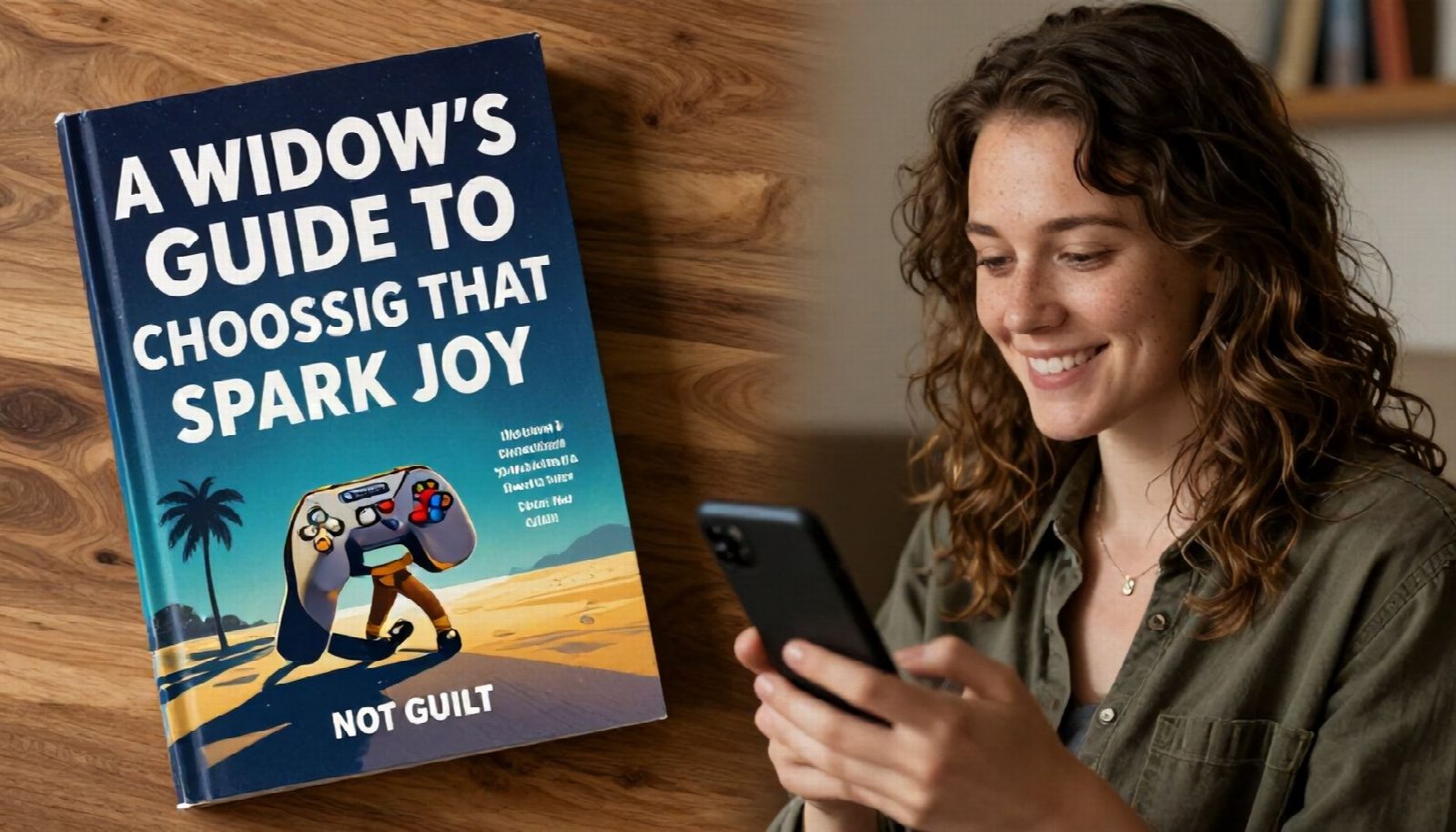
I’ve spent 25 years watching people navigate grief, and one thing’s clear: guilt is the silent assassin of joy. Especially for widows, games can either become a sanctuary or another reminder of what’s lost. The key? Choosing games that don’t weigh you down. Here’s how.
First, ask yourself: What’s the emotional load? If a game feels like a chore—like your late partner’s favorite title you’re “supposed” to play—skip it. Joy shouldn’t come with an asterisk. Instead, lean into light, immersive experiences like Stardew Valley or Animal Crossing. They’re low-stakes, creative, and let you rebuild joy without pressure.
- Do they make you smile within 10 minutes?
- Can you play them in short bursts (or long sessions)?
- Do they feel like a gift to yourself, not an obligation?
- Do they remind you of good memories, not just loss?
If you’re craving connection, try co-op or multiplayer games like It Takes Two or Overcooked 2. Laughter with others—even strangers—can be a lifeline. But if solo play feels safer, Journey or Celeste offer beautiful, reflective experiences without isolation.
And here’s the hard truth: Some games will trigger you. That’s okay. I’ve seen widows quit The Last of Us midway because the grief hit too close. If a game feels like a landmine, drop it. Your healing isn’t a test.
| Game Type | Best For | Avoid If... |
|---|---|---|
| Narrative-Driven (e.g., Life is Strange) | You’re ready for emotional storytelling | You’re in a fragile headspace |
| Puzzle Games (e.g., Portal 2) | You need distraction and accomplishment | You’re craving deep emotional engagement |
Finally, give yourself permission to play badly. No one’s judging your Tetris high score. The goal isn’t mastery—it’s moments of escape, creativity, or even anger. Games are tools, not judges.
Bottom line: If a game doesn’t feel like a gift, it’s not the right one. Try, adjust, and trust your gut. You’ve earned this.
Rediscovering joy after loss is a deeply personal journey, one that unfolds in moments of play, laughter, and gentle self-discovery. Whether through creative hobbies, lighthearted social connections, or simply embracing spontaneity, play offers a pathway to healing that honors your grief while nurturing hope. Remember, joy doesn’t erase sorrow—it coexists with it, reminding you that life, even in its quietest or most unexpected moments, is still worth celebrating.
As you move forward, try this: Set aside just 10 minutes a day for something playful—dancing, doodling, or even a silly game. Small doses of joy can ripple into profound transformation. What new delight might be waiting just beyond your next smile?
Add PC Game News Reviews Headlines Updates as a preferred source on Google


