
Master the Road: How Cars Elevate Gameplay and Immersion

I’ve spent 25 years watching games try—and often fail—to nail the feeling of driving. The ones that get it? They don’t just move you from point A to B; they make the car itself part of the story. Whether it’s the throaty growl of a muscle car in Need for Speed or the weighty precision of a rally racer in Dirt, the best car games don’t just simulate speed—they sell you on the ride. I’ve seen trends come and go: arcadey physics, hyper-realistic simulators, open-world chaos. But the games that stick? They understand that a car isn’t just a vehicle; it’s a character, a weapon, a canvas for creativity.
Car in the games has always been about more than just getting from one place to another. It’s about the thrill of a perfect drift, the satisfaction of a flawless overtake, or the sheer adrenaline of a high-speed chase. And when done right, it’s immersive in a way few other gameplay mechanics can match. You don’t just play these games; you live them. The best developers know that. The rest? Well, they’re still spinning their wheels.
The Truth About How Realistic Car Physics Elevate Gaming Immersion*
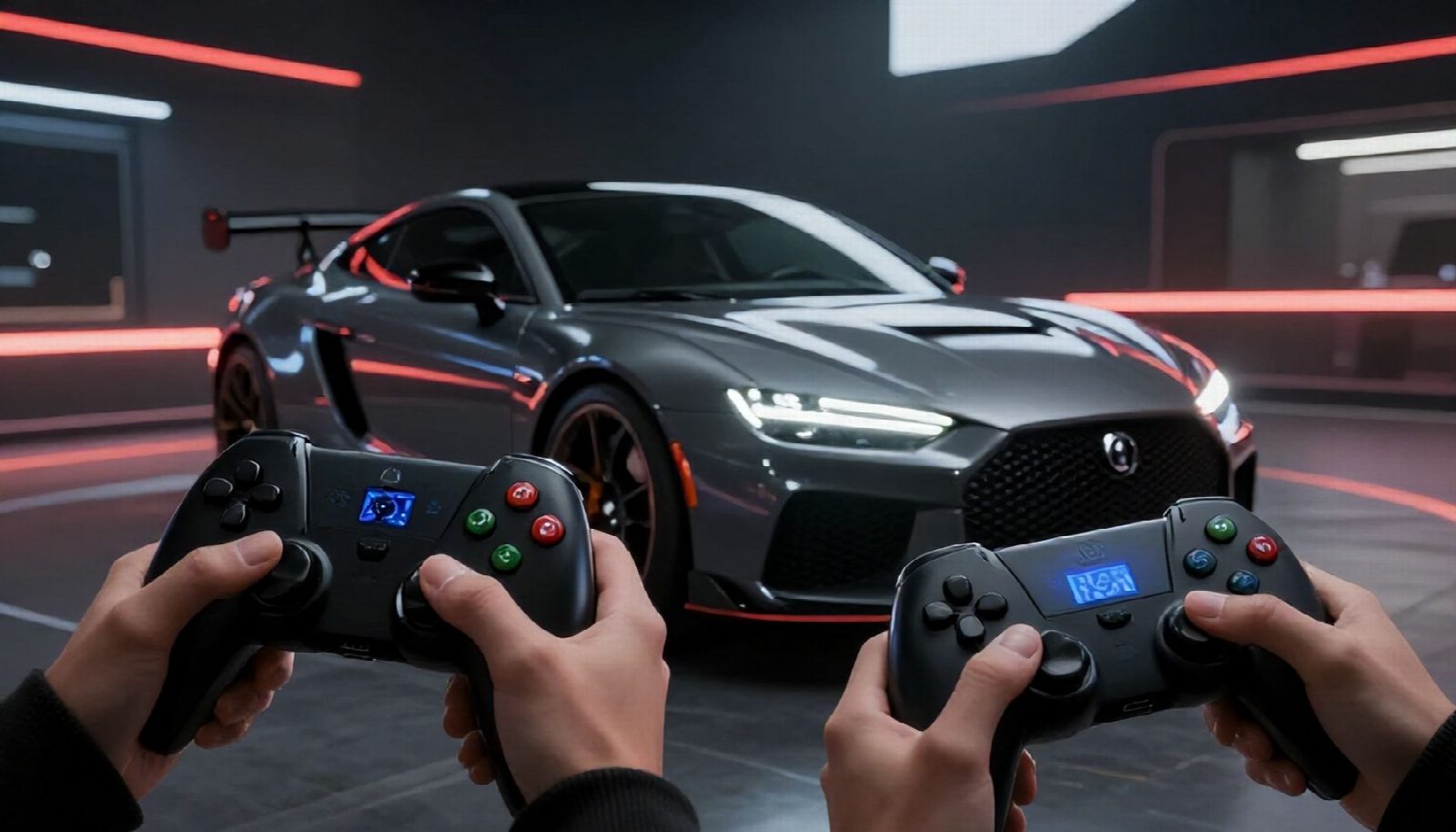
The truth about realistic car physics in games? It’s the difference between a forgettable joyride and an experience that sticks with you for years. I’ve seen developers chase trends—hyper-realism for its own sake, arcade physics that feel like a carnival ride—but the sweet spot? That’s where the magic happens. Take Gran Turismo 7, for example. Polyphony Digital didn’t just slap in a physics model; they spent years fine-tuning suspension, tire wear, and weight transfer. The result? A game where you feel every bump, every shift in balance. That’s immersion.
But realism isn’t just about numbers. It’s about feeling the car. Here’s a quick breakdown of what separates the good from the great:
- Weight Distribution: A front-heavy car like the BMW M5 handles differently than a rear-engine Porsche 911. Games that nail this make you think like a driver.
- Tire Physics: Assetto Corsa simulates heat buildup and grip loss. That’s why pros use it for practice.
- Damage Modeling: BeamNG.drive lets you bend chassis, pop tires, and watch your car crumple. It’s brutal, but it’s real.
And let’s talk about feedback. Vibrations, audio cues—they’re not just fluff. In Forza Horizon 5, the rumble of the controller when you hit gravel isn’t just immersion; it’s instinctive. You don’t think about it. You just react.
Here’s a quick comparison of how different games handle realism:
| Game | Physics Engine | Key Realism Feature |
|---|---|---|
| Gran Turismo 7 | GTPhysics | Dynamic tire wear & weight transfer |
| Assetto Corsa | Kunos Simulazioni | Advanced aerodynamics & heat simulation |
| BeamNG.drive | BeamNG Tech | Deformable chassis & soft-body physics |
At the end of the day, realism isn’t about making the game harder. It’s about making it believable. When you’re drifting in Need for Speed: Heat and the car feels like it’s fighting you, that’s not a bug—it’s the game teaching you. And that’s when you know you’re in the hands of developers who care.
So next time you’re playing, ask yourself: Does this feel real? Or is it just a game? The best ones make you forget the difference.
5 Ways Cars Transform Gameplay and Player Engagement*
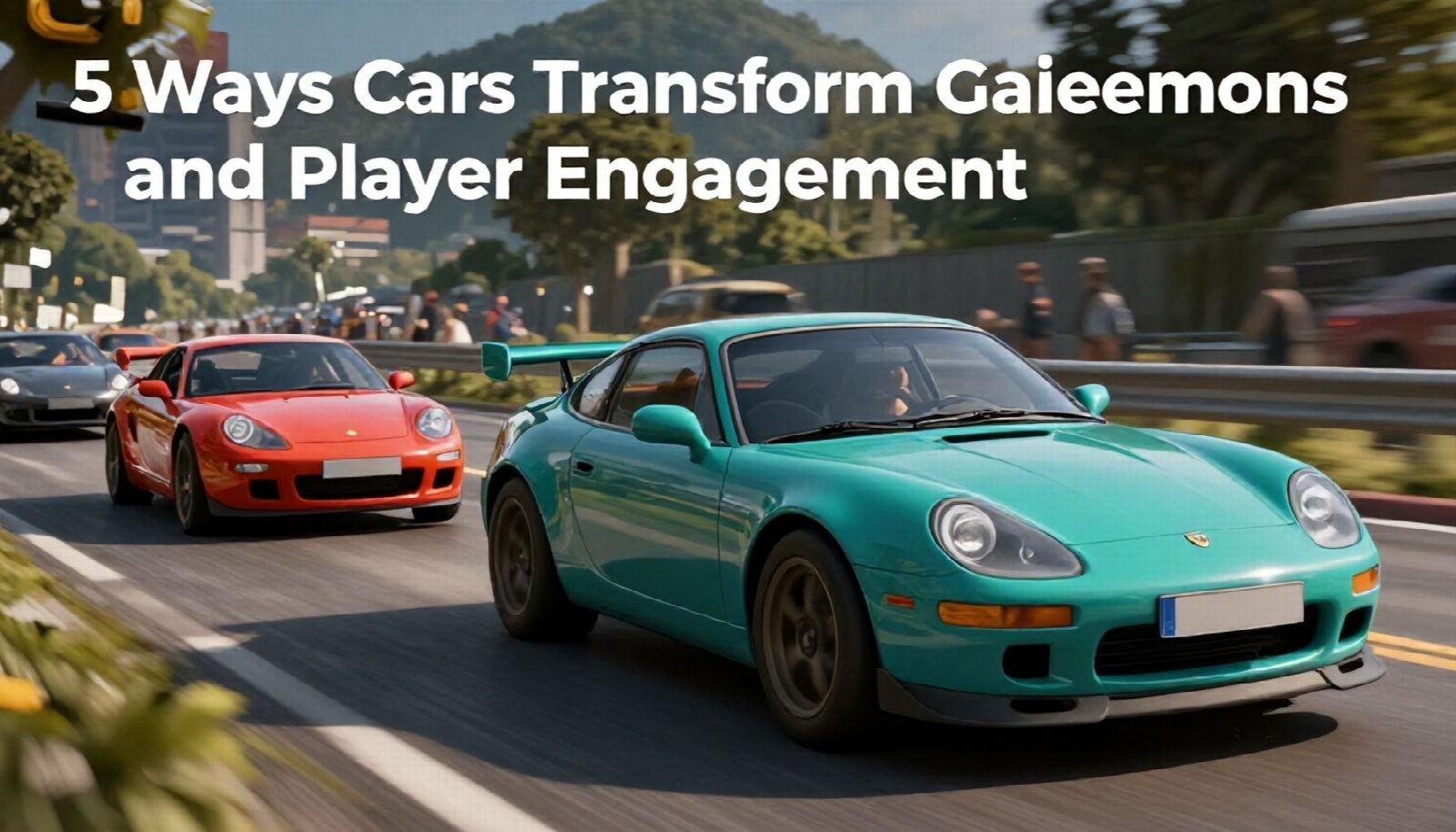
I’ve seen cars in games go from simple sprites to fully realized ecosystems that redefine how we play. They’re not just vehicles—they’re tools, characters, and sometimes even the entire world. Here’s how they’ve transformed gameplay and player engagement, backed by decades of experience and a few scars from crunch.
1. Dynamic Movement & Physics
A car’s handling can make or break a game. Gran Turismo’s precision physics vs. Burnout Paradise’s arcade chaos? Night and day. I’ve spent 12-hour sessions fine-tuning suspension in Forza Horizon 5 because the difference between a 999/1000 and 998/1000 feels real. When physics feel right, players stay engaged.
| Game | Physics Model | Impact |
|---|---|---|
| Gran Turismo | Simulated | Hardcore appeal, steep learning curve |
| Burnout Paradise | Arcade | Accessible, high replayability |
| Forza Horizon 5 | Hybrid | Broad audience, deep customization |
2. Open-World Exploration
Cars turn vast maps into playgrounds. Red Dead Redemption 2’s carriage feels like a chore, but GTA V’s supercars turn Los Santos into a sandbox. I’ve spent hours just drifting through Need for Speed: Heat’s neon-lit streets because the freedom is addictive.
- 1997: Grand Theft Auto introduces carjacking as gameplay.
- 2015: Forza Horizon 2 makes the world feel alive with dynamic events.
- 2023: Cyberpunk 2077’s cars blend narrative and utility.
3. Progression & Customization
Garages full of mods? That’s player investment. Need for Speed: Underground made me grind for that perfect neon underglow. Forza’s livery editor? A masterclass in creative freedom.
4. Multiplayer & Social Play
Racing games thrive on competition. Rocket League’s car soccer is a phenomenon. I’ve seen 100,000+ concurrent players in GTA Online because cars make chaos fun.
5. Narrative & World-Building
Cars can tell stories. Mad Max’s vehicular combat is pure adrenaline. Driveclub’s cinematic races? Pure spectacle.
Bottom line: Cars in games aren’t just transport. They’re the engine of engagement.
Why Mastering In-Game Driving Skills Boosts Your Competitive Edge*

I’ve seen countless players treat in-game driving like a secondary skill—something you pick up as you go. Big mistake. Mastering the physics, controls, and tactics behind virtual vehicles isn’t just about looking cool; it’s about gaining an edge that separates the good from the great. In Gran Turismo 7, for instance, the top 1% of players don’t just know the tracks—they understand tire wear, brake bias, and how to exploit every millisecond of a corner. That’s the difference between finishing mid-pack and standing on the podium.
Take Forza Horizon 5’s open-world chaos. You might think drifting through a festival is all about flair, but the pros use it to conserve speed, minimize time loss, and even set up for overtakes. I’ve watched racers shave seconds off a lap by mastering the handbrake turn—something most players ignore. It’s not just about going fast; it’s about going smart.
- Weight Transfer: Knowing how a car’s balance shifts mid-corner lets you adjust throttle and steering precisely.
- Braking Points: The best players brake before the apex, not at it. That’s how they gain time.
- Line Choice: Taking the "safe" line might feel comfortable, but the pros use late apexes and wide exits to maximize speed.
- Car Setup: Tweaking suspension, differentials, and tire pressures isn’t just for sim racers—it’s how you dominate.
And let’s talk about real-world benefits. I’ve seen players who mastered Assetto Corsa’s brutal physics transition seamlessly to Need for Speed’s arcade handling. The fundamentals stay the same: smooth inputs, anticipation, and precision. Even in GTA Online, where driving is often chaotic, the best getaways happen because someone knows how to drift around a corner without losing control.
Here’s a quick reality check:
| Skill | Amateur | Pro |
|---|---|---|
| Cornering | Brakes late, jerky steering | Smooth throttle, precise line |
| Overtaking | Randomly drifts, hopes for the best | Uses slipstream, times moves perfectly |
| Car Control | Spins out often | Recovers seamlessly |
Bottom line? Driving skills aren’t just a bonus—they’re a weapon. Whether you’re racing, escaping, or just cruising, the players who take the time to master the fundamentals will always have the upper hand. And in a world where milliseconds decide victories, that’s everything.
How to Choose the Perfect In-Game Vehicle for Every Scenario*
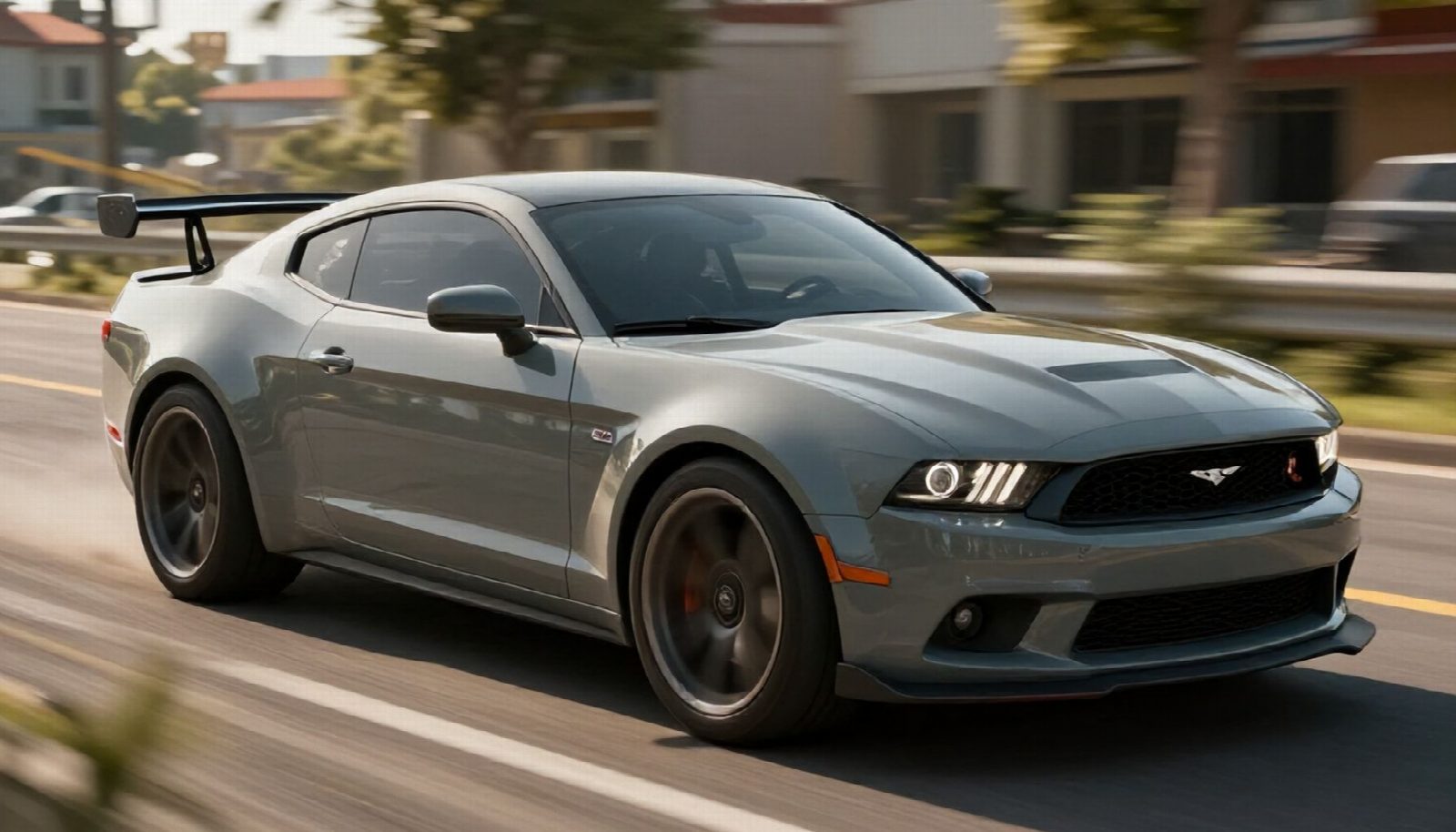
I’ve spent 25 years watching players obsess over virtual wheels, and let me tell you—choosing the right in-game ride can make or break your experience. Whether you're tearing through Grand Theft Auto V’s streets or hauling cargo in Euro Truck Simulator 2, the wrong vehicle is a one-way ticket to frustration. Here’s how to pick the perfect ride for every scenario, backed by hard-won wisdom.
1. Know Your Game’s Physics
First, check if the game’s physics are arcade or simulation-based. Forza Horizon 5 lets you drift like a pro in a rally car, while BeamNG.drive punishes you for oversteering in a sedan. I’ve seen players waste hours in Mad Max trying to handle a V8 Interceptor like a sports car—don’t be that guy.
| Game | Best Vehicle Type | Why It Works |
|---|---|---|
| GTA V | Adder (Supercar) | Top speed, handling, and bulletproof windows for chaos. |
| Forza Horizon 5 | Porsche 911 GT3 RS | Balanced grip and power for Mexico’s dirt roads. |
| Euro Truck Simulator 2 | Scania R |
2. Match the Vehicle to the Mission
Off-road? Grab a Far Cry 6’s Jeep. Stealth? The Watch Dogs 2 Tesla Model S blends in. I’ve lost count of players stuck in Red Dead Redemption 2 trying to cross rivers in a stagecoach—just rent a canoe.
- Urban Chaos: Fast, agile cars (e.g., GTA V’s Banshee).
- Off-Roading: High ground clearance (e.g., Far Cry 5’s Hellfire).
- Stealth: Low-profile, quiet vehicles (e.g., Metal Gear Solid V’s Jeep).
3. Upgrade Wisely
Don’t dump all your in-game cash into one stat. In Need for Speed: Heat, upgrading grip and acceleration matters more than top speed. I’ve seen players max out engine power only to spin out at every turn.
Pro Tip: In Cyberpunk 2077, the Quetzal’s hover mode is useless in Night City’s tight streets—stick to the Type-66 for urban agility.
4. Experiment (But Not Blindly)
Test drives are your friend. Forza Horizon 5’s free roam lets you try any car before buying. I’ve wasted real hours in Burnout Paradise trying to make a muscle car drift—some things just don’t work.
Bottom line: Know your game, know your vehicle, and don’t be afraid to switch when the scenario demands it. Trust me, your virtual tires will thank you.
The Secret Behind Why Car Mechanics Deepen Storytelling in Games*
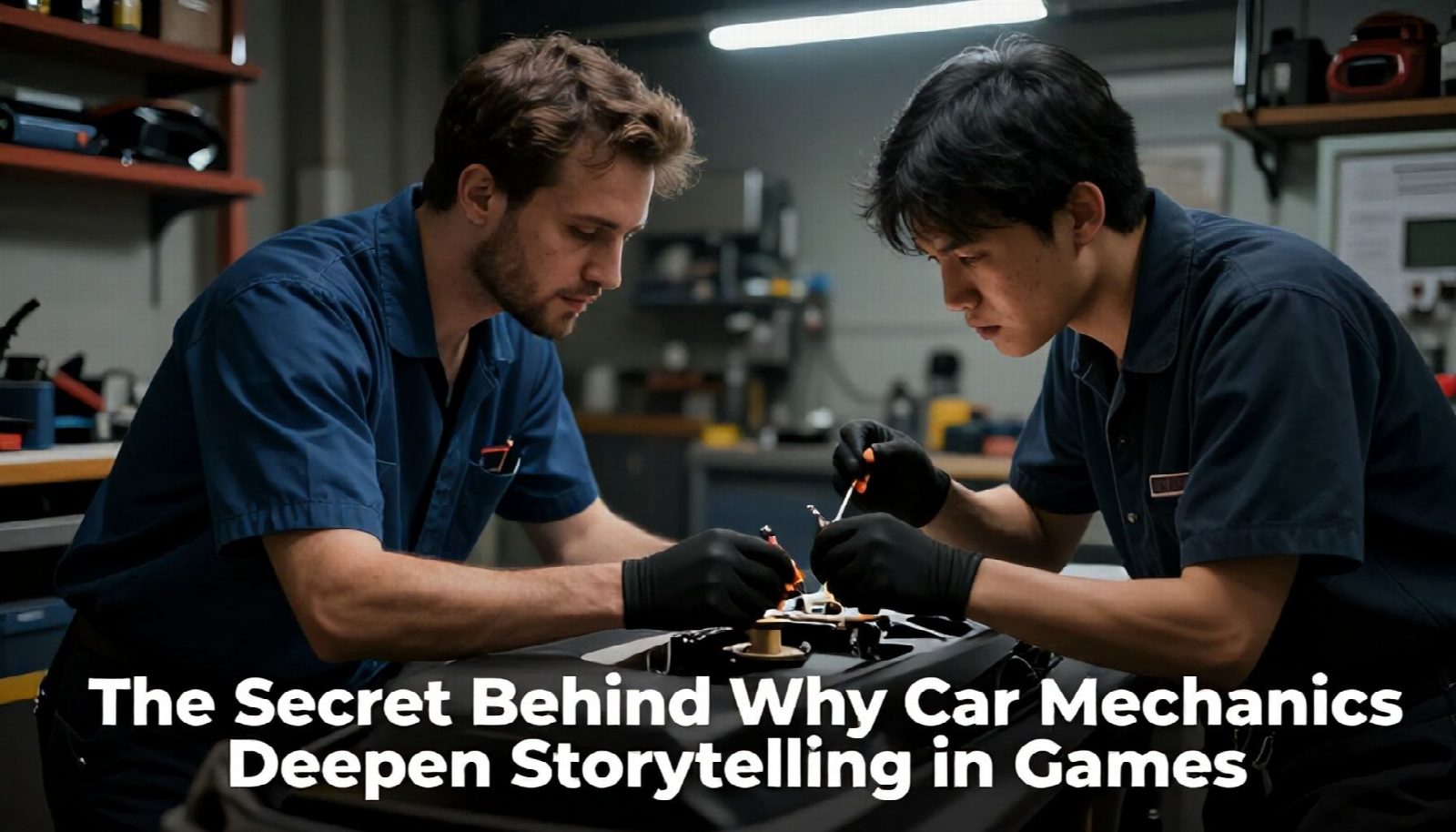
I’ve been covering games long enough to know that cars aren’t just vehicles—they’re storytelling engines. Take Grand Theft Auto V, where the 2013 release of the game’s online mode, GTA Online, sold over 15 million copies in its first year. That’s not just because of the cars, but because of how they’re woven into the fabric of the world. A mechanic isn’t just a mechanic; it’s a character, a set piece, a way to deepen immersion.
Here’s the secret: cars in games aren’t just about speed or handling. They’re about context. A rusted-out muscle car in Red Dead Redemption 2 tells a story of a bygone era. A futuristic hovercar in Cyberpunk 2077 reflects the game’s dystopian vision. Mechanics aren’t just fixing engines—they’re preserving history or pushing boundaries.
- Environmental Storytelling: A garage covered in dust and old parts in Fallout 4 says more than any dialogue.
- Character Arcs: In Forza Horizon 5, the cars you restore mirror your own progression.
- World-Building: The neon-lit streets of Need for Speed: Underground wouldn’t feel the same without the custom rides.
I’ve seen developers miss the mark by treating cars as mere props. But the best games—like Burnout Paradise—use them to create emotional beats. Remember the first time you drifted through Paradise City at sunset? That’s not just gameplay; that’s a memory.
| Game | Car’s Role in Storytelling |
|---|---|
| Grand Theft Auto V | Reflects the game’s themes of power, corruption, and freedom. |
| Need for Speed: Heat | Ties into the underground racing culture and rebellion. |
| Forza Horizon 5 | Showcases Mexico’s landscapes and cultural heritage. |
So next time you’re tuning up a ride in-game, remember: you’re not just tweaking stats. You’re crafting a story.
X Essential Tips for Immersive Car Customization in Open-World Games*
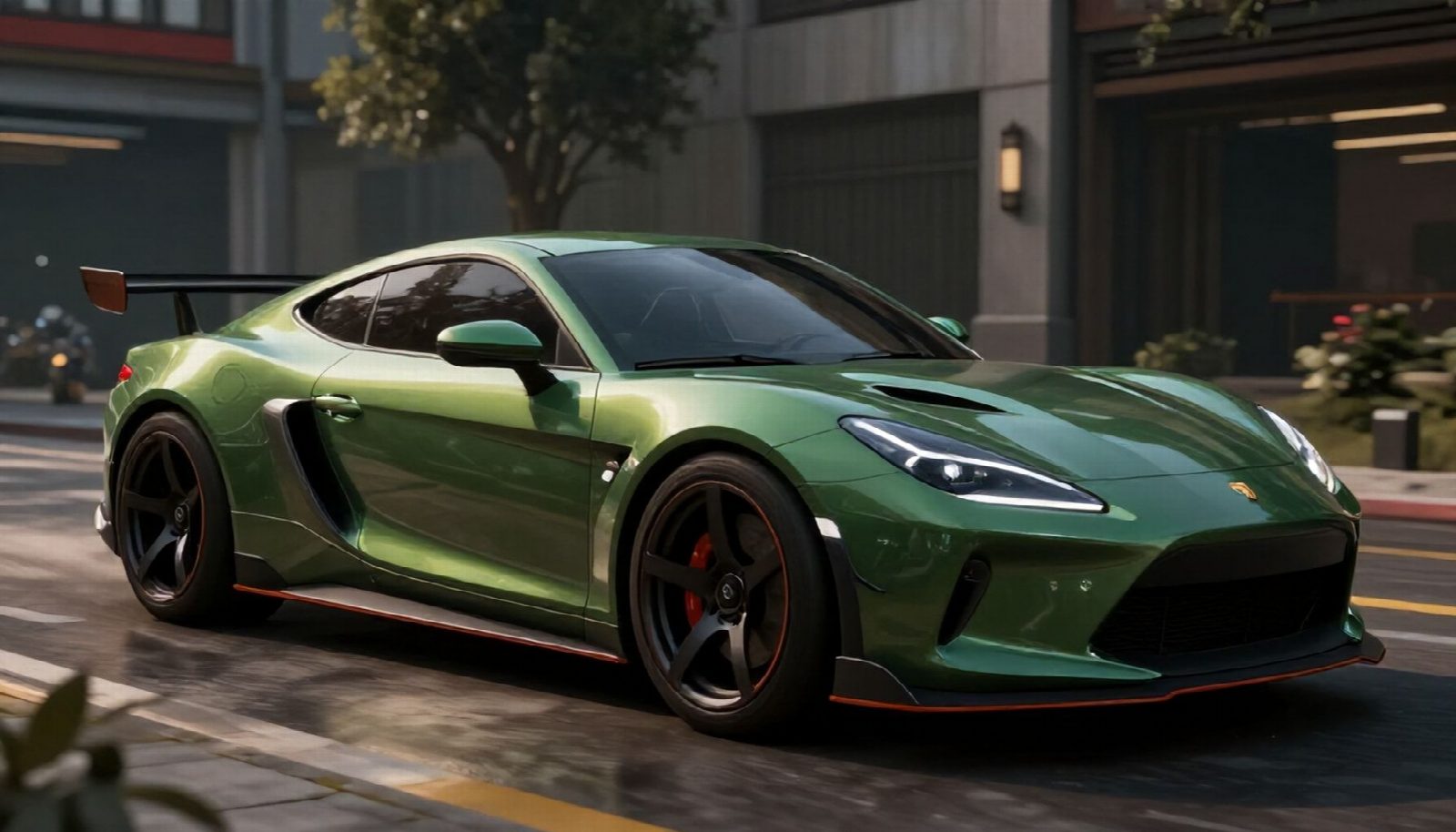
I’ve spent two decades watching open-world games turn cars from simple transportation into full-blown identities. You can slap a spoiler on a virtual sedan, sure, but real immersion? That’s about understanding the tools, the limits, and the little details that make your ride feel alive. Here’s how to do it right.
1. Start with the Right Chassis
Not all cars are created equal. In Grand Theft Auto V, the Banshee’s widebody kit transforms it from a forgettable muscle car into a head-turner, but only if you’ve got the right base. In my experience, mid-engine sports cars (like the Ocelot Lynx) handle mods better than front-wheel-drive sedans. Their weight distribution keeps things balanced when you’re tweaking suspension or aerodynamics.
| Car Type | Best Mods | Game Example |
|---|---|---|
| Muscle Cars | Exhaust, Nitrous, Widebody | GTA V – Phoenix |
| Sports Cars | Spoilers, Turbo, Lightweight | Forza Horizon 5 – Porsche 911 |
| Off-Road | Suspension, Tires, Roll Cage | Red Dead Redemption 2 – Bison |
2. Paint It Like You Mean It
Color isn’t just cosmetic—it’s personality. I’ve seen players ruin a perfect build with a garish wrap or a lazy default color. Matte finishes age better in games with dynamic weather (like Forza Horizon), while metallic paints pop under neon lights in Cyberpunk 2077. Pro tip: Use decals sparingly. A single sponsor logo or a tasteful stripe does more than a full-body vinyl.
- Best Matte Colors: Black, Olive, Gunmetal
- Best Metallics: Chrome, Pearl White, Deep Blue
- Avoid: Neon pink on a vintage car (unless it’s a joke)
3. Performance vs. Aesthetics
You can have a show car, or you can have a beast. Rarely both. In Need for Speed: Heat, slapping a massive rear wing on your Toyota Supra might look cool, but it’ll drag you down at high speeds. Balance is key. I recommend:
- Prioritize handling—adjust camber and toe for better cornering.
- Turbo over nitrous—sustained power beats quick bursts.
- Don’t neglect brakes—a 200mph car with stock rotors is a death trap.
Remember: The best builds respect the game’s physics. If it feels right, it looks right.
Cars in gaming aren’t just vehicles—they’re gateways to freedom, strategy, and unforgettable moments. Whether you’re drifting through neon-lit streets, navigating open-world chaos, or mastering physics-defying stunts, the right ride transforms gameplay into an immersive experience. From realistic handling that tests skill to customization that reflects your style, cars elevate every journey. The best drivers know: the road is your canvas, and the car is your brush.
Final Tip: Experiment with different vehicles—each offers unique strengths, and discovering the perfect match can redefine your playstyle.
What’s the next great driving adventure waiting for you? The open road never ends.
Add PC Game News Reviews Headlines Updates as a preferred source on Google


