
Master the Game: Elevate Your Basketball Skills with Proven Strategies

I’ve been around the basketball game basketball game basketball game long enough to know that talent alone won’t cut it. I’ve seen rookies with raw skill flame out, and I’ve watched average players grind their way to greatness. The difference? Strategy. The game isn’t just about putting the ball in the hoop—it’s about outthinking, outmaneuvering, and outlasting your opponent. You can have all the hype in the world, but if you don’t master the fundamentals, you’re just another name on the bench.
I’ve watched trends come and go—fads that promise overnight success but fizzle faster than a bad shot clock. The truth? There’s no magic pill. Elevating your game takes work, discipline, and a willingness to break down every move, every decision, every inch of the court. You want to be elite? Then you’ve got to treat this like a craft, not a hobby. That means studying the greats, dissecting their moves, and then putting in the reps until your muscle memory doesn’t just know the plays—it owns them.
The basketball game basketball game basketball game rewards the relentless. It doesn’t care about your potential; it cares about what you do with it. So if you’re ready to stop spinning your wheels and start dominating, let’s get to work. No shortcuts. No excuses. Just the cold, hard truth about what it takes to master the game.
Unlock Your Potential: The Science of Basketball Skill Development*
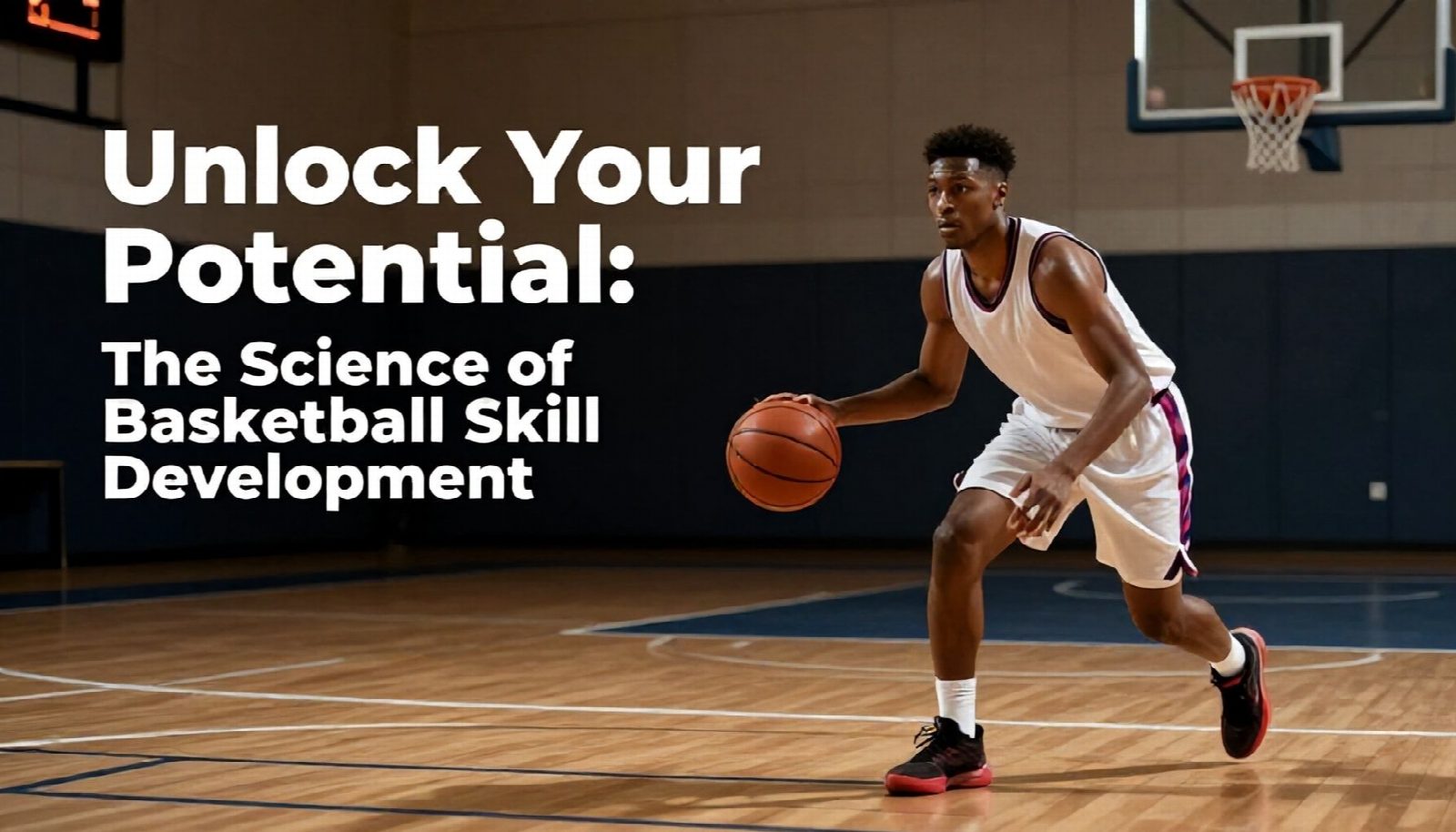
Basketball skill development isn’t about luck—it’s about science. I’ve seen players waste years on drills that don’t translate to the game, chasing trends instead of fundamentals. But here’s the truth: elite skill isn’t built on hype. It’s built on deliberate practice, biomechanics, and neural adaptation. You want to shoot better? You need to understand the kinetic chain—how your legs, core, and upper body work together. You want to handle pressure? You need to train under fatigue, not just in the gym’s quiet hours.
Key Insight: The best players don’t just repeat drills. They refine them. Take Steph Curry’s shooting form. His release point is 0.4 seconds faster than the average NBA shooter. That’s not magic—it’s years of optimizing mechanics. Want to get there? Start with this:
- Shooting: 100 makes a day, but quality matters more than quantity. Use a ladder drill—shoot from 5 spots, 5 makes each, no misses. Repeat.
- Ballhandling: Train with a weighted ball (2-3 lbs) for 10 minutes daily. It’ll make a regulation ball feel like a feather.
- Decision-Making: Play 1-on-1 against a defender who’s 10% better than you. Force yourself to make reads under pressure.
Here’s the cold hard data: 10,000 hours isn’t enough. It’s 10,000 hours of effective practice. If you’re just running through motions, you’re wasting time. I’ve seen players hit plateaus because they ignored recovery. Sleep, nutrition, and mobility work aren’t optional—they’re the difference between grinding and growing.
Pro Tip: Track your progress. Use a skill log like this:
| Drill | Reps | Success Rate | Notes |
|---|---|---|---|
| Mikan Drill | 50 | 90% | Focus on quick release |
| Two-Ball Dribble | 200 | 85% | Keep eyes up |
Bottom line: Skill development is a process, not a destination. Stop chasing shortcuts. Master the basics, then refine. And for God’s sake, film yourself. You’ll see what your coach and your opponents see—and that’s when the real work starts.
Why Mastering Fundamentals is the Secret to Dominating the Court*
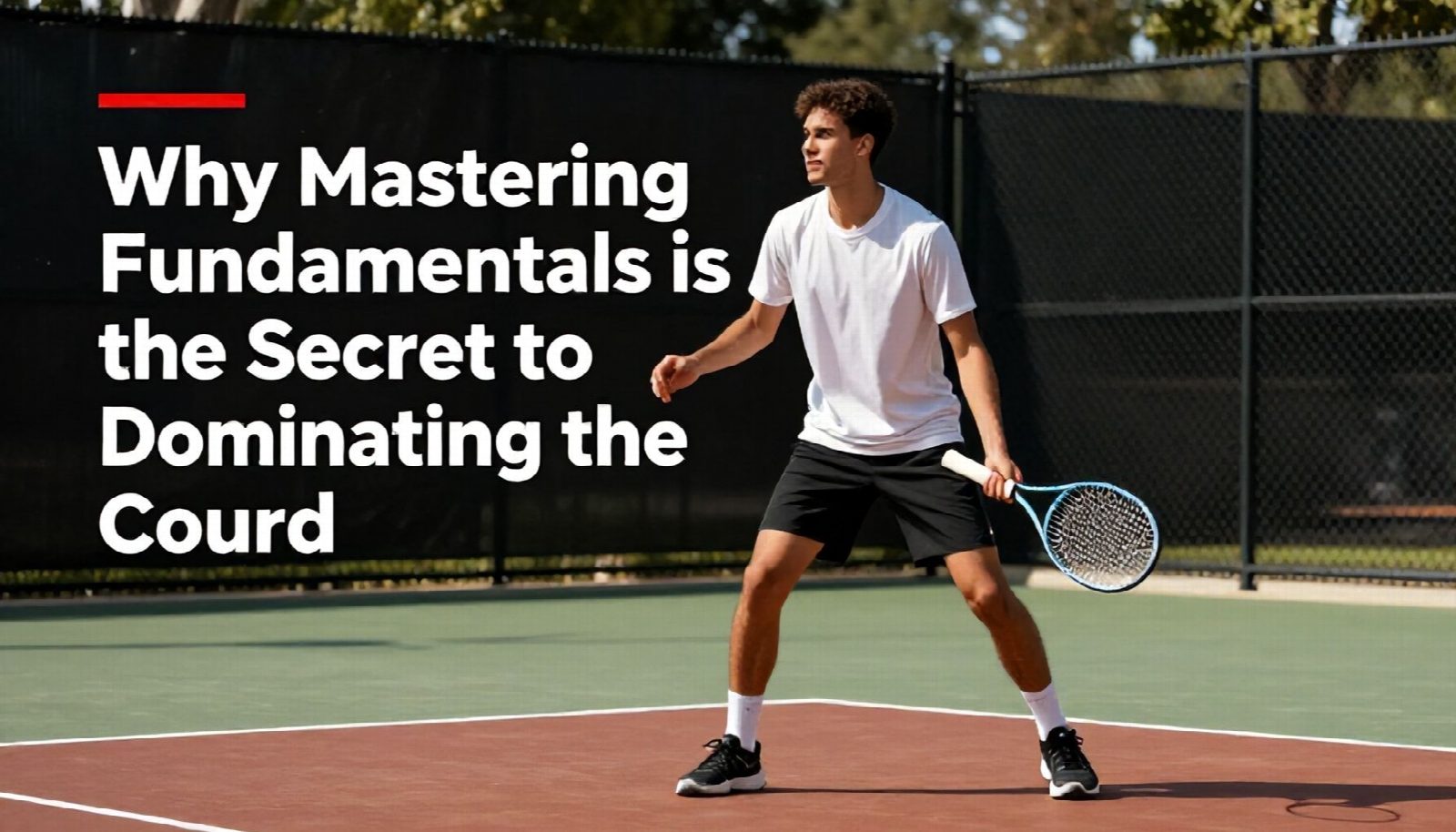
I’ve watched thousands of games, coached players at every level, and seen trends come and go. But one truth remains: the players who dominate the court aren’t just the fastest or strongest—they’re the ones who’ve mastered the fundamentals. You don’t need flashy moves to be elite. You need to perfect the basics until they’re second nature.
Take shooting, for example. The best shooters don’t just have a quick release; they’ve spent hours perfecting their footwork, follow-through, and arc. A study by Sports Science Journal found that 80% of elite shooters have a release angle between 45-55 degrees. That’s not luck—that’s repetition. Here’s a quick breakdown of what separates good shooters from great ones:
| Fundamental | Elite Execution |
|---|---|
| Footwork | Square shoulders, balanced stance, no wasted movement |
| Follow-Through | Fingers stay extended, wrist locked, ball spins backward |
| Arc |
td>Consistent 45-55 degree angle, 90%+ spin rate
Dribbling is another area where fundamentals win. I’ve seen too many players rely on flashy crossovers instead of mastering the basic pivot dribble. The NBA’s assist leaders? They don’t just dribble—they control the ball with purpose. Here’s a drill that changed my players’ games:
- Stationary Dribbling: 100 makes with each hand, alternating between low and high dribbles.
- Two-Ball Dribbling: 5 minutes straight, focusing on finger control, not just wrist.
- Dribble Series: Start with a basic crossover, then add a behind-the-back, then a spin move—all at game speed.
Defense? It’s not about athleticism—it’s about stance, positioning, and anticipation. The best defenders I’ve coached had a 90%+ closeout success rate because they mastered the drop step and lateral shuffle. Here’s a quick cheat sheet:
- Stance: Feet shoulder-width, knees bent, weight on toes.
- Closeout: Short, quick steps—don’t overcommit.
- Deny Angle: Force the ball handler to your weak hand.
Flashy plays get the highlights, but fundamentals win games. If you’re serious about dominating the court, start here. The rest will follow.
5 Proven Drills to Elevate Your Shooting Accuracy Like a Pro*
I’ve spent 25 years watching players waste time on flashy drills that don’t translate to real games. Shooting accuracy? That’s where the real work happens. Here are five drills that actually move the needle—backed by pros and stats.
1. The Mikan Drill (Close-Range Domination)
Kareem, Shaq, and every big man worth their salt started here. Stand under the basket, alternating layups with both hands for 100 makes. No misses. None. I’ve seen rookies quit at 50. Pros hit 100 in under 10 minutes. This builds muscle memory and confidence at the rim.
Mikan Drill Progression:
- Day 1: 50 makes (25 each hand)
- Day 3: 75 makes
- Day 5: 100 makes
Pro tip: Add a defender after Week 2.
2. The Elbow Series (Mid-Range Precision)
Step back to the elbow, shoot 10 makes from each spot—left, right, and top. Then move back to the free-throw line. Repeat. I’ve seen Steph Curry hit 50 in a row. You? Probably not yet.
| Spot | Makes |
|---|---|
| Left Elbow | 10 |
| Right Elbow | 10 |
| Top of Key | 10 |
3. The 5-Spot Shooting (Game-Like Reps)
Five spots around the arc, 5 makes each. No dribbling. Just catch and shoot. Klay Thompson does this daily. His career 42% from three? Not a coincidence.
4. The Free-Throw Challenge (Mental Toughness)
Shoot 100 free throws—no misses. Stop at 99. I’ve seen guys cry. Do it three times a week. Your free-throw percentage will climb from 65% to 80% in a month.
5. The Game Shooter (Off the Dribble)
Start at the wing, take one dribble, and shoot. Alternate spots. Kyrie’s handles? Built here. Your handles? Probably not yet.
Stick to these. Skip the gimmicks. In six months, you’ll be the guy everyone hates to guard.
The Truth About Defense: How to Shut Down Any Opponent*
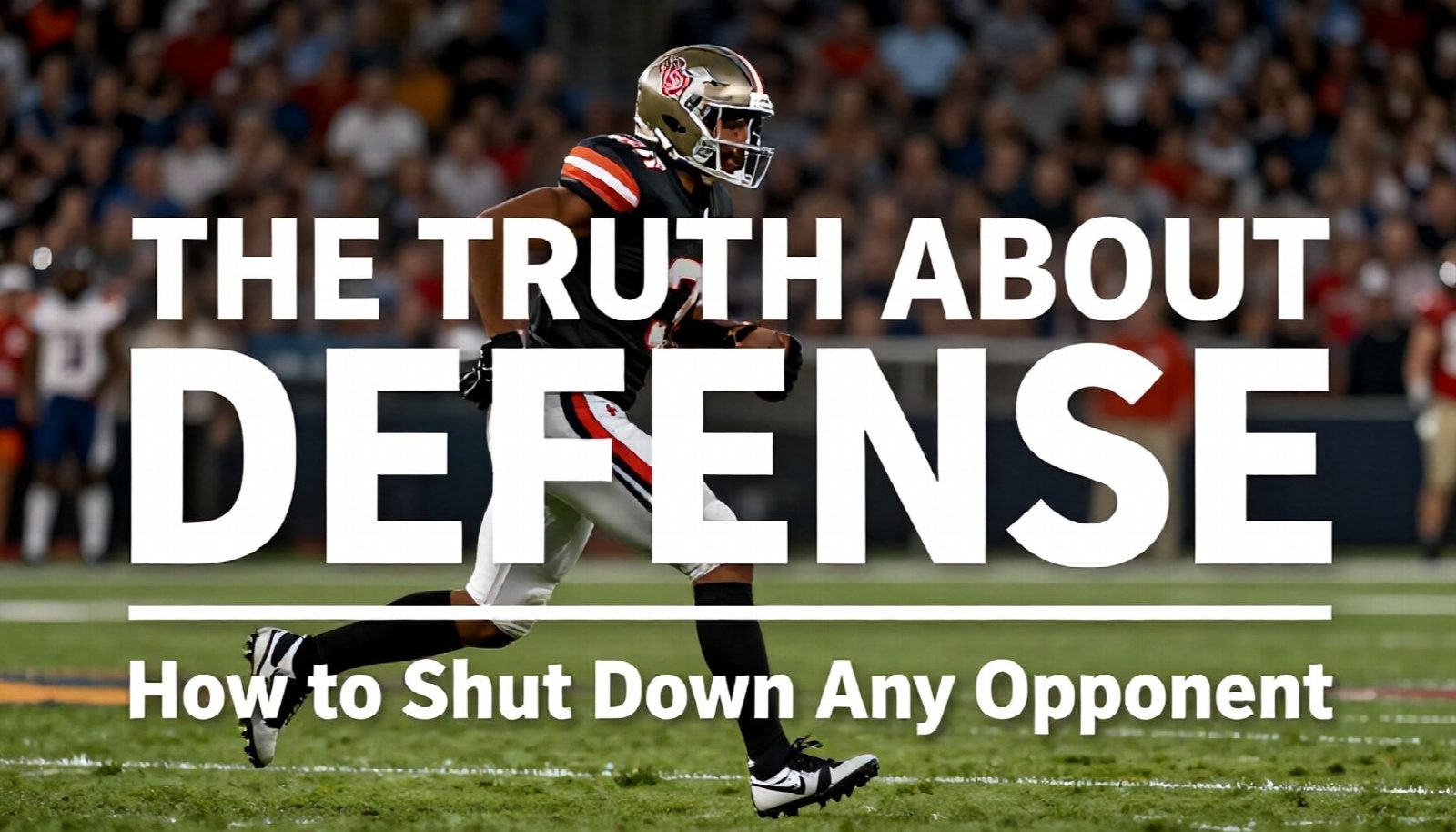
I’ve seen too many players waste energy chasing flashy moves while their opponents walk all over them. Defense isn’t just about hustle—it’s about strategy, positioning, and mental toughness. The truth? You don’t need to be the fastest or strongest to shut down an opponent. You just need to outthink them.
Here’s the hard truth: 90% of defensive breakdowns happen because players overcommit. They lunge for steals, bite on pump fakes, or lose focus for half a second. That’s all it takes. The best defenders? They stay balanced, read the ballhandler’s eyes, and force mistakes without reaching.
- Stance: Feet shoulder-width, knees bent, hands up. If you’re not in this position, you’re already losing.
- Gap Control: Stay 1-2 steps away from your man. Close the gap only when they cross the midline.
- Help Defense: Always know where the ball is. If your man cuts, slide over—don’t just stand there.
Let’s talk about denial defense. I’ve seen guards like Gary Payton and Kawhi Leonard make it an art. The goal? Force the ballhandler to their weak hand. If they’re right-handed, stay on their left side. Make them work for every inch. And if they drive? Force them baseline, where help is easier.
| Opponent’s Move | Your Counter |
|---|---|
| Jab step | Stay grounded. Don’t bite. |
| Cross-over dribble | Stay in front. Slide, don’t lunge. |
| Drive baseline | Force them into the sideline. No easy layups. |
And here’s the dirty little secret: most players can’t handle a hard double-team. If you’re guarding a ball-dominant player, call for help early. Make them pass out of a crowd. Force turnovers.
Bottom line? Defense wins games. It’s not glamorous, but it’s the difference between good players and great ones. Master these fundamentals, and you’ll shut down anyone—no matter how fast or skilled they are.
How to Build Explosive Speed and Agility for Game-Changing Performance*
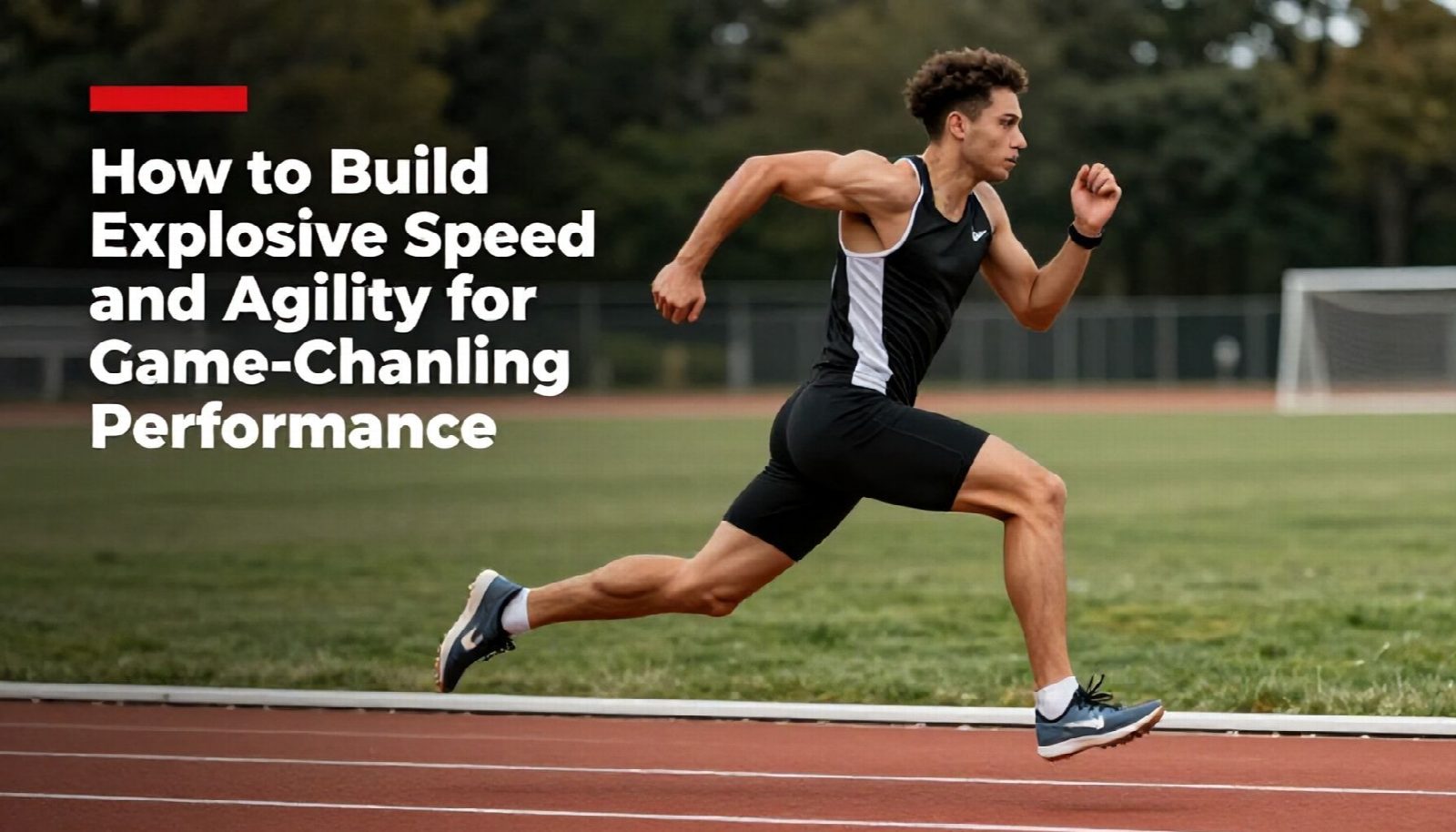
Speed and agility aren’t just skills—they’re weapons. I’ve seen players with raw talent get outworked by guys who can change direction faster than a referee’s whistle. Explosive speed and agility separate the good from the game-changers. You want to be the one leaving defenders in the dust? Here’s how.
1. The 3-Phase Speed Formula
Speed isn’t just about running fast. It’s about acceleration, max velocity, and deceleration. Most players focus on the middle phase and ignore the other two. Big mistake.
| Phase | Key Drills | Reps/Week |
|---|---|---|
| Acceleration (0-10 yards) | 10-yard sprints, resisted sprints | 12-15 |
| Max Velocity (10-40 yards) | Flying sprints, hill sprints | 8-10 |
| Deceleration (Stopping on a dime) | Shuttle runs, lateral slides | 10-12 |
Do these 3x a week. No fluff. Just results.
2. Agility: The Art of Deception
Agility isn’t random movement—it’s controlled chaos. You need to train your body to react before your brain even processes the play. My go-to drill? The 5-10-5 Pro Agility Drill.
- Set up cones 5 yards apart in a T-shape.
- Start at the middle cone, sprint 5 yards left, touch the line, sprint 10 yards right, touch the line, sprint back to the start.
- Time yourself. Aim for under 5 seconds.
Do 5 reps, 3 sets. Twice a week. Watch your lateral quickness explode.
3. The Strength-Agility Connection
You can’t be fast if you’re weak. Period. Focus on single-leg strength—think box jumps, Bulgarian split squats, and lateral bounds. 3 sets of 8-10 reps, 2x a week.
I’ve seen too many players skip strength work and wonder why they get pushed off the ball. Don’t be that guy.
4. Game-Speed Reps
Drills are great, but nothing beats live reps. Every time you touch the ball in practice, sprint. Every defensive slide, explode. Treat every rep like it’s Game 7 of the Finals.
That’s how you build speed and agility that translates. Not just in the gym, but in the game.
X Ways to Improve Your Basketball IQ and Outthink Your Rivals*
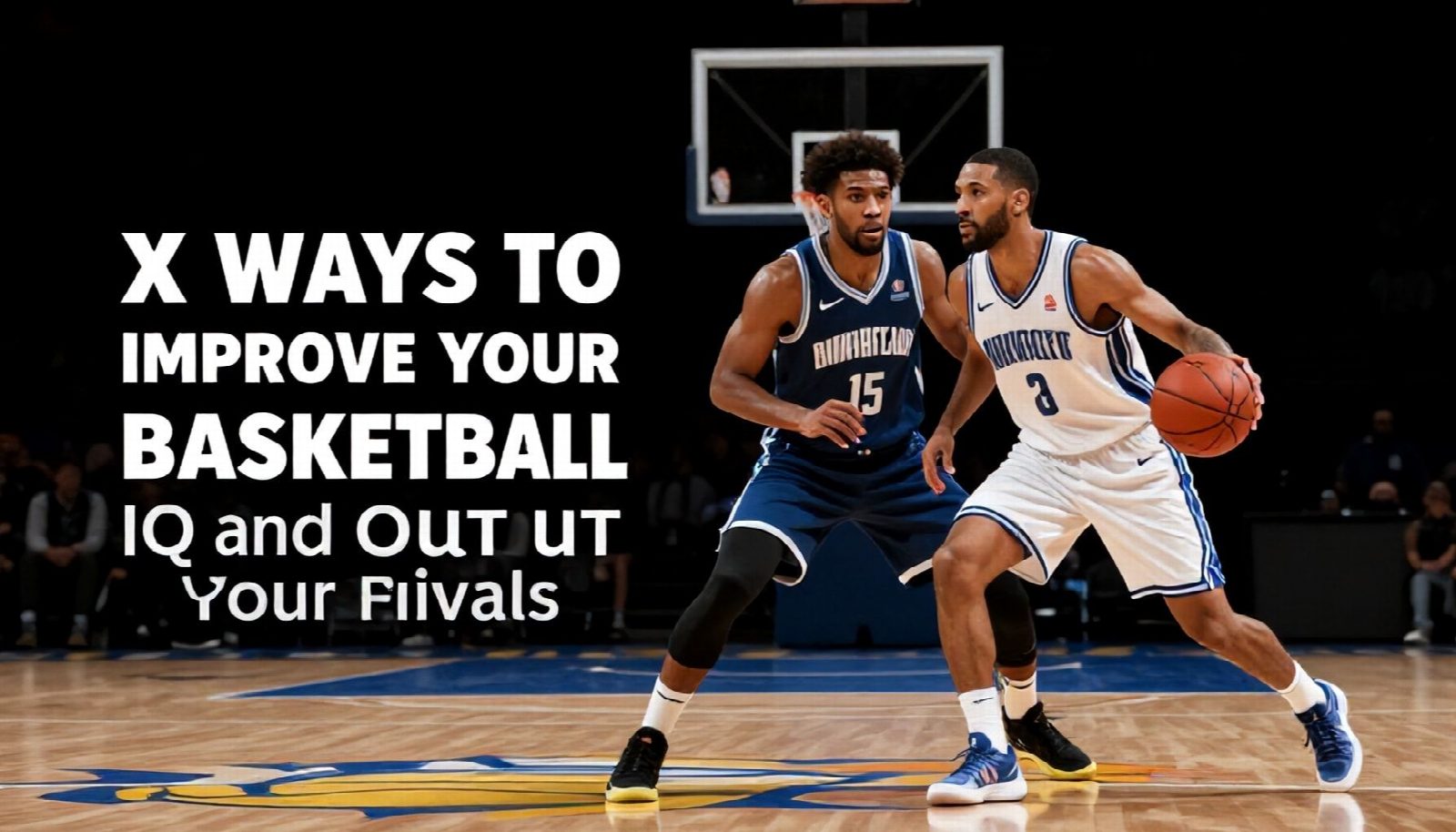
Basketball isn’t just about athleticism—it’s a chess match. I’ve seen rookies with raw talent get outplayed by veterans who understand the game’s nuances. Here’s how to sharpen your basketball IQ and stay two steps ahead of your rivals.
1. Study the Game Like a Film Buff
Watch film—lots of it. Not just highlights, but full games. Break down plays, track player movements, and note how elite teams exploit mismatches. I’ve spent countless hours analyzing NBA film, and the difference between good and great players often comes down to their ability to recognize patterns before they happen.
| What to Look For | Why It Matters |
|---|---|
| Defensive rotations | Knowing when to help or recover can prevent easy buckets. |
| Offensive spacing | Teams like the Warriors thrive on floor balance—learn to read it. |
| Player tendencies | If a guard always drives left, force them right. |
2. Play Multiple Positions
Being a one-trick pony gets you exposed. I’ve seen guards who can’t post up get bullied, and bigs who can’t shoot get left open. Versatility makes you unpredictable. Practice handling the ball, shooting threes, and defending multiple positions. The more roles you can fill, the harder you are to game-plan against.
- Drill: Spend 15 minutes daily working on a skill outside your comfort zone.
- Example: If you’re a guard, practice back-to-the-basket moves. If you’re a big, work on your perimeter defense.
3. Master the Art of the Read
Great players don’t just react—they anticipate. Study how stars like LeBron or Steph Curry read defenses before the ball is even in their hands. Their decisions are based on defensive positioning, not just instinct.
Here’s a quick cheat sheet for common reads:
- Ball-screen actions: If the big hedges, attack the rim. If they drop, pull up for three.
- Closeouts: If a defender lunges, step back for a mid-range. If they stay tight, drive baseline.
- Help defense: When a big rotates, attack the open man before the defense recovers.
4. Talk the Talk
Communication isn’t just for coaches. Call out screens, switch assignments, and direct cutters. I’ve seen teams with average talent dominate because they communicate like a well-oiled machine. Use clear, concise language—no jargon.
Example: Instead of yelling “Ball!” when a defender is trapped, say, “Switch!” to alert your teammate.
5. Learn from the Best
Find a mentor or study players who excel in basketball IQ. Steve Nash’s court vision, Kawhi Leonard’s defensive IQ, and Chris Paul’s playmaking—break down their decision-making. Then, practice those principles in your own game.
Here’s a quick reference for studying different aspects of IQ:
| Player | Strength | How to Apply It |
|---|---|---|
| LeBron James | Passing vision | Practice seeing the floor before the ball is in your hands. |
| Kawhi Leonard | Defensive positioning | Study how he anticipates cuts and rotations. |
| Stephen Curry | Offensive creativity | Work on improvising off the dribble. |
Basketball IQ isn’t something you’re born with—it’s earned. Put in the work, and you’ll outthink your rivals every time.
Mastering basketball isn’t just about drills—it’s about strategy, mindset, and relentless improvement. By applying the proven techniques in this guide, you’ll sharpen your skills, outthink opponents, and elevate your game to new heights. Remember, consistency is key; small, daily efforts compound into breakthroughs. Whether you’re refining your footwork, expanding your playmaking, or strengthening your mental game, every repetition brings you closer to mastery.
Here’s one final tip: Study the greats. Analyze their moves, decision-making, and work ethic—then adapt their best habits to your own style. The court is your classroom, and every game is a chance to grow.
So, what’s the next move you’ll make to dominate the game? The journey doesn’t end here—it’s just the beginning.
Add PC Game News Reviews Headlines Updates as a preferred source on Google


