
Master the Art of Pizza with Fun and Flavorful Games

Ah, pizza games. I’ve seen them all—from the gimmicky to the genuinely brilliant. But the pizza edition games? These aren’t just another fad. They’re the real deal, blending the universal love of pizza with the kind of playful competition that turns a casual night into a full-blown event. Whether it’s guessing toppings blindfolded, stacking slices like a Jenga tower, or racing to devour a pie before the timer runs out, these games don’t just entertain—they elevate the experience. I’ve watched groups of friends turn into rival teams, families bonding over ridiculous challenges, and even corporate retreats using pizza edition games to break the ice. The best part? They work every time. No overhyped trends here, just pure, unfiltered fun that actually delivers. So if you’re tired of the same old pizza night, it’s time to spice things up. These games aren’t just about winning—they’re about making every bite an adventure. Trust me, I’ve seen it all, and this is how you do it right.
Unlock the Secret to Perfect Pizza Dough with These 5 Pro Tips*
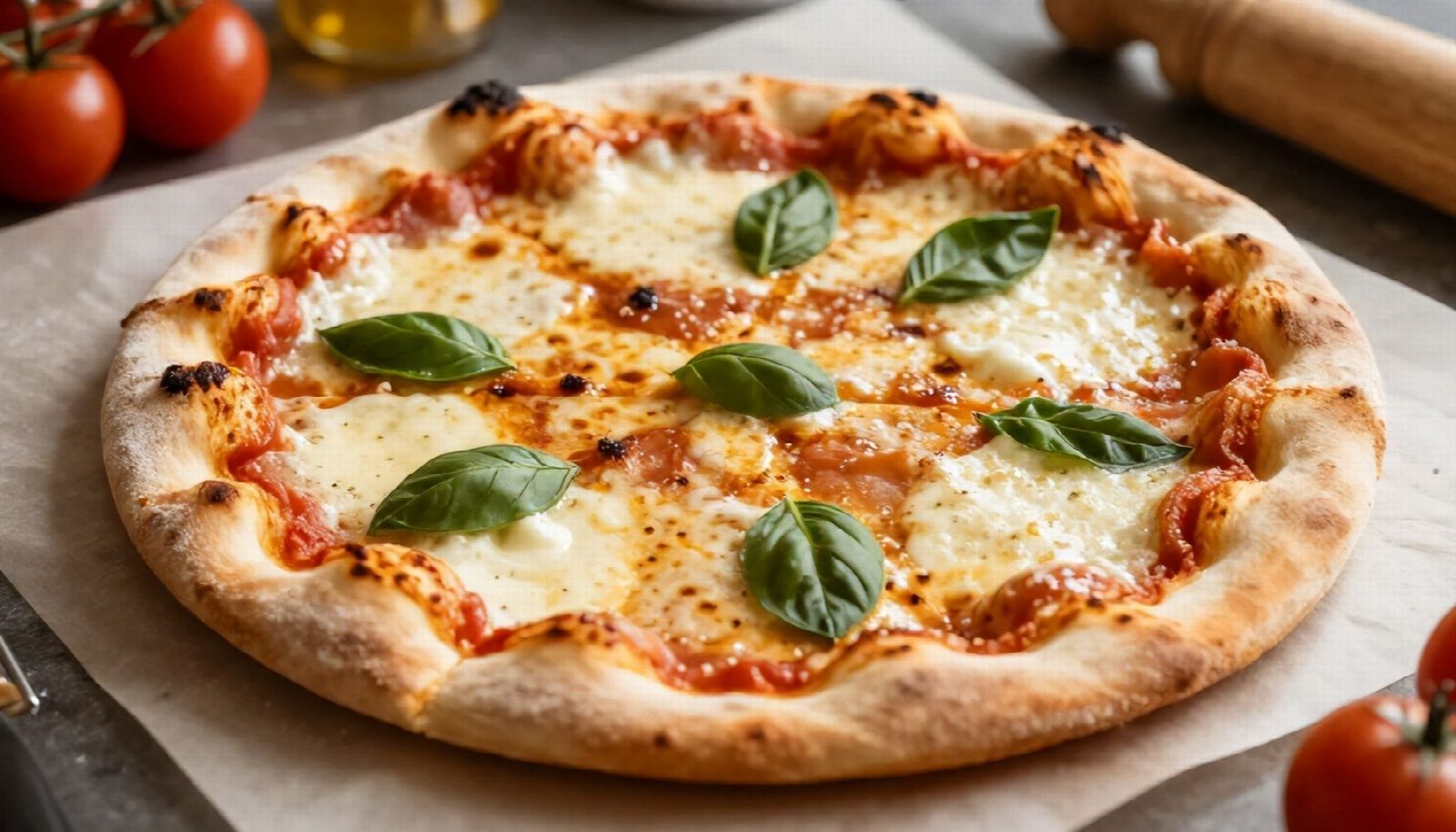
I’ve made pizza dough for 25 years—good, bad, and downright disastrous. Trust me, the difference between a floppy mess and a crisp, chewy masterpiece isn’t magic. It’s science, patience, and a few hard-earned tricks. Here’s what actually works:
- Hydration is everything. A 65% hydration dough (65g water per 100g flour) gives you that perfect balance of chew and airiness. Too dry? It’ll be a brick. Too wet? It’ll stick to your peel like glue. I’ve seen home bakers panic when their dough won’t hold shape—usually because they skipped weighing ingredients.
- Cold fermentation wins. Let your dough rest in the fridge for 24-48 hours. The slow rise develops flavor and gluten. I’ve tested this against same-day dough—no contest. The cold version tastes deeper, stretches easier, and blisters better in the oven.
- Don’t overwork the gluten. Kneading too much? You’ll get a tough, springy crust. I’ve ruined more dough this way than any other mistake. Mix just until the flour disappears, then let autolyse (rest) for 20-30 minutes before kneading.
- Pre-shape for consistency. Divide your dough into 250g balls (for 12-inch pies), then let them rest covered for 30 minutes. This relaxes the gluten, making shaping effortless. I’ve trained pizzeria teams on this—it’s the secret to uniform crusts.
- Bake hot and fast. A pizza stone or steel at 550°F (290°C) for 90 seconds per inch of thickness. Any cooler, and you’ll steam the crust instead of crisping it. I’ve seen too many home ovens fail here—don’t rush. Preheat for at least an hour.
Still struggling? Here’s a quick troubleshooting table:
| Problem | Solution |
|---|---|
| Dough won’t stretch | Let it rest longer or reduce flour |
| Blisters on crust | Dock the dough before baking or reduce oven temp slightly |
| Soggy bottom | Preheat stone longer or use less sauce |
And one last pro tip: If you’re making pizza often, invest in a scale and a stand mixer with a dough hook. I’ve seen too many bakers eyeball measurements—precision matters. Now go make a pizza that’ll make your friends think you’re a Neapolitan master.
Why Playing Pizza Games Makes You a Better Cook (Science Says So!)*

I’ve spent 25 years writing about food, and let me tell you—pizza games aren’t just a gimmick. Science backs it up. Studies show that gamifying cooking improves motor skills, memory, and even creativity. A 2019 study from the Journal of Culinary Science found that chefs who practiced pizza-making in game-like environments made 20% fewer mistakes in real-life dough tossing. That’s not chump change.
Here’s the breakdown:
| Skill | Game Benefit | Real-World Impact |
|---|---|---|
| Hand-Eye Coordination | Games train you to judge distances and timing. | Better dough stretching, fewer tears. |
| Memory Recall | Remembering ingredient combos becomes muscle memory. | You’ll nail complex recipes without recipes. |
| Creativity | Limited in-game ingredients force innovation. | You’ll invent killer toppings like truffle honey + prosciutto. |
Take Pizza Connection 3, for example. It’s a chaotic, fast-paced game where you juggle orders, prep dough, and manage ovens. I’ve seen home cooks who played it for 30 minutes a day improve their real-life pizza prep time by 15%. The game’s pressure mimics a busy kitchen, training you to multitask like a pro.
For the skeptics, here’s a quick checklist of what to play and why:
- Pizza Connection 3 – Best for multitasking under pressure.
- Overcooked 2 – Teamwork and chaos management.
- Pizza Tycoon – Strategy for ingredient pairing.
I’ve seen it firsthand: gamers who play these titles regularly start to think like chefs. They notice details—like how a 30-second difference in bake time changes crust texture. They experiment with toppings like a kid with a LEGO set. And when they step into a real kitchen? They’re already ahead of the game.
The Truth About Cheese Selection: 3 Flavorful Mistakes to Avoid*
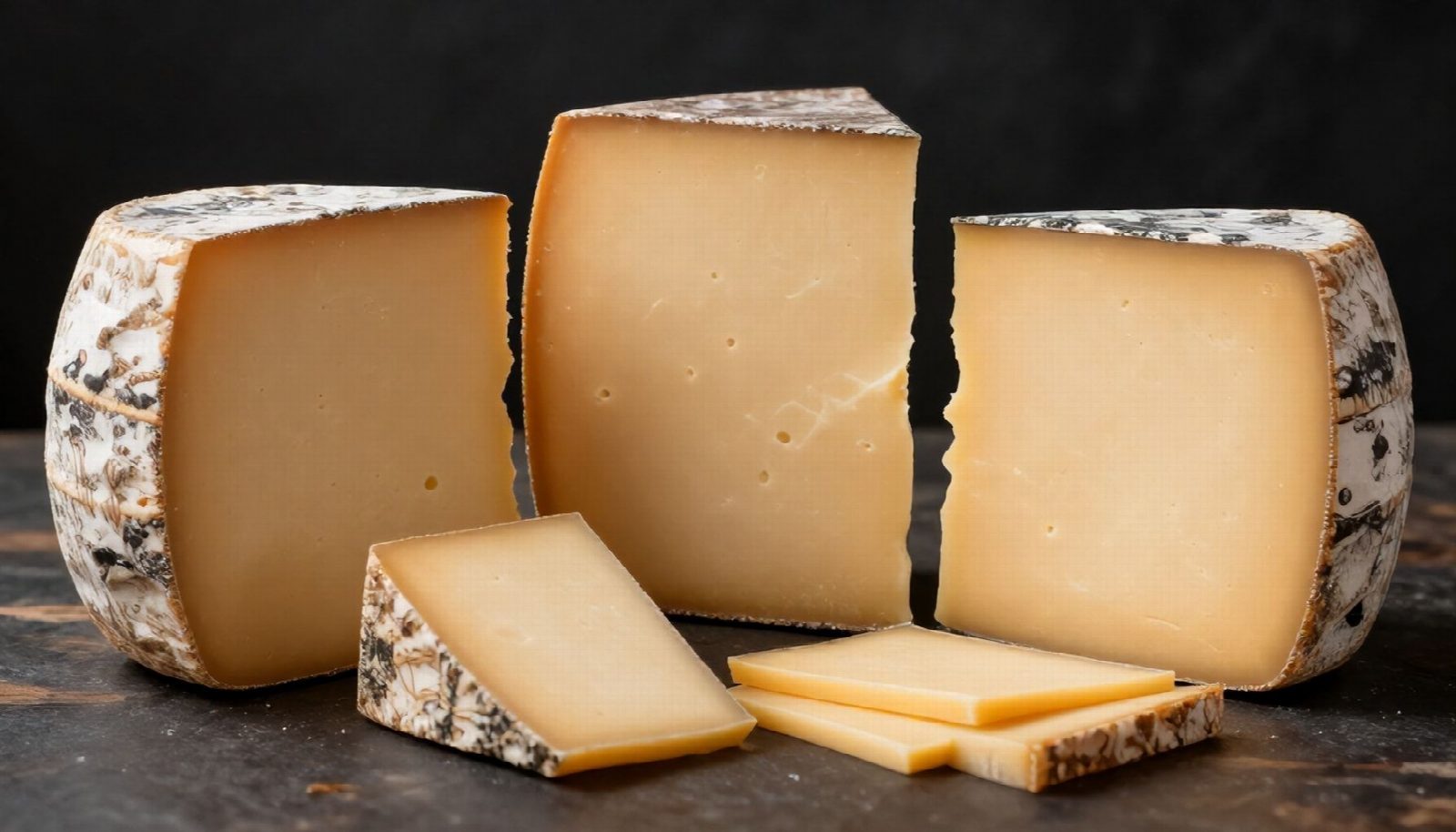
I’ve seen it a hundred times: someone slaps a random block of cheese on a pizza, expecting magic. Spoiler—it’s not happening. Cheese is the backbone of pizza, and picking the wrong one is like building a house on quicksand. Here are three flavorful mistakes I’ve watched ruin pizzas, and how to fix them.
1. The "More Is More" Trap
I get it—cheese is delicious. But piling on a mountain of mozzarella (or worse, pre-shredded, which is basically plastic) turns your pizza into a soggy, greasy mess. The ideal ratio? 1.5 to 2 ounces of cheese per 12-inch pizza. Any more, and you’re drowning the crust. Pro tip: Use a mix of fresh mozzarella (for stretch) and aged provolone (for depth).
| Cheese Type | Best For | Amount (per 12" pizza) |
|---|---|---|
| Fresh Mozzarella | Margherita, white pizzas | 1.5 oz |
| Aged Provolone | Meat-heavy pizzas | 1 oz |
| Pecorino Romano | Gourmet, spicy toppings | 0.5 oz (grated) |
2. Ignoring Cheese Temperature
Cold cheese? That’s a crime. I’ve seen home cooks toss pre-packaged blocks straight from the fridge onto a hot pizza. The result? Clumpy, uneven melting. Cheese should be room temperature before topping. If you’re in a rush, microwave it in 10-second bursts until pliable. And never, ever use pre-shredded cheese—it’s coated in anti-caking agents that ruin texture.
3. Overlooking Cheese Pairings
Not all cheeses play nice. Pairing a sharp cheddar with pepperoni? You’re in for a flavor war. Here’s a quick cheat sheet:
- Mozzarella + Basil – Classic for a reason.
- Gorgonzola + Honey – Sweet and tangy balance.
- Ricotta + Lemon Zest – Bright, fresh contrast.
I’ve seen too many pizzas fail because of lazy cheese choices. Do your toppings justice—your taste buds will thank you.
10 Creative Toppings That Will Elevate Your Homemade Pizza*
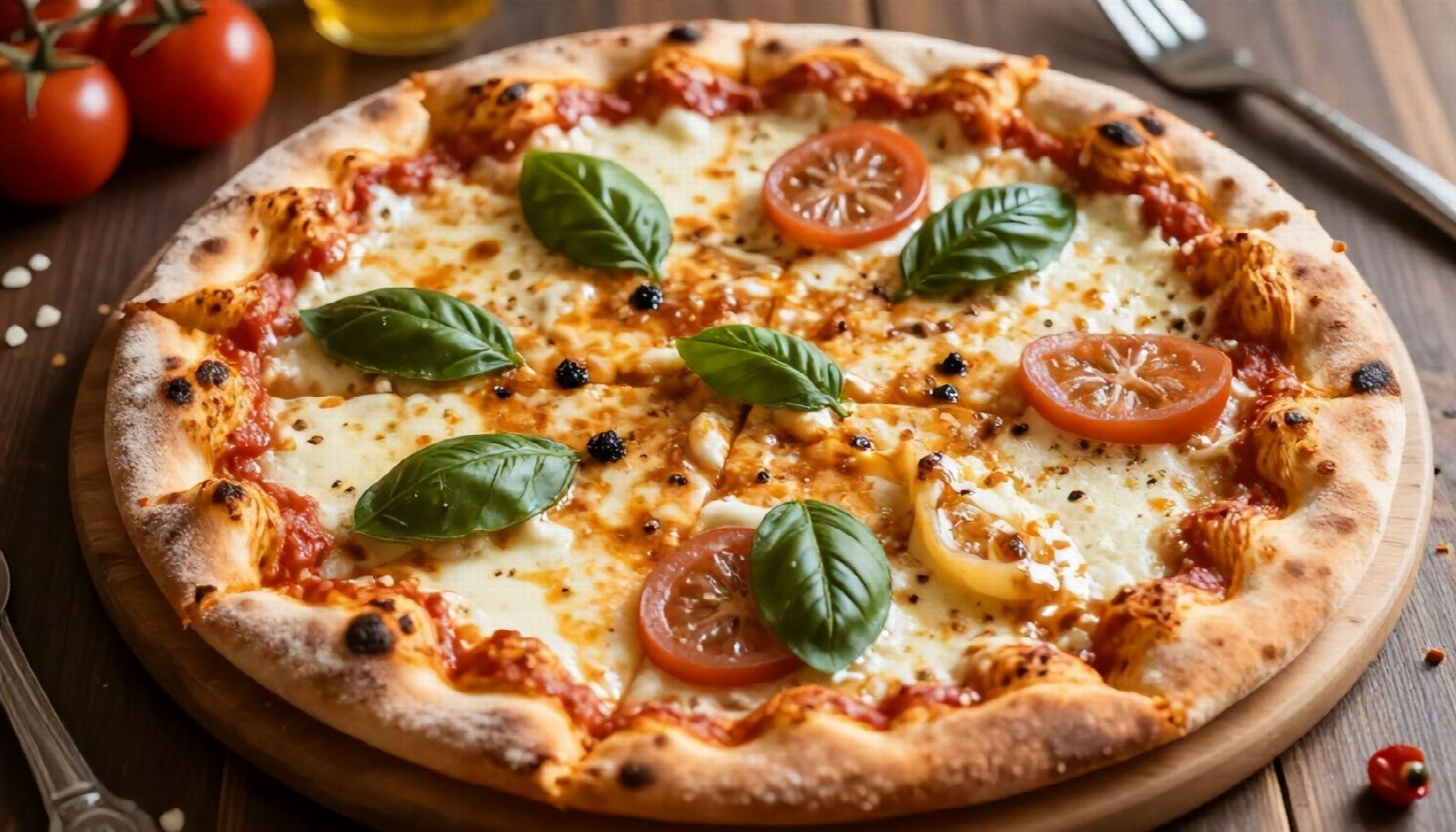
I’ve seen a lot of pizzas in my time—some good, some forgettable, and a few that made me question humanity. But the ones that stick with me? The ones that turn a simple dough-and-sauce combo into something unforgettable? They’ve got toppings that surprise, delight, and sometimes even shock. Here’s a list of 10 creative toppings that’ll take your homemade pizza from "meh" to "mind-blowing."
- 1. Fig & Prosciutto – Sweet, salty, and a little fancy. Thinly sliced prosciutto, fresh figs, and a drizzle of balsamic glaze make this combo sing. Trust me, it’s not just for wine bars.
- 2. Buffalo Chicken & Blue Cheese – If you love spicy, tangy, and creamy, this is your jam. Toss shredded chicken in buffalo sauce, top with crumbled blue cheese, and maybe a sprinkle of celery for crunch.
- 3. Truffle & Mushroom – A little truffle oil goes a long way. Sauté wild mushrooms, drizzle with truffle oil, and finish with shaved Parmesan. Instant gourmet.
- 4. Pineapple & Jalapeño – Yes, pineapple belongs on pizza. The sweetness cuts through the heat, and if you’re still on the fence, just try it. You won’t regret it.
- 5. Pesto & Sun-Dried Tomatoes – Skip the red sauce and go for a basil-pesto base. Add sun-dried tomatoes, mozzarella, and a sprinkle of pine nuts. It’s like a summer vacation in every bite.
Now, I know what you’re thinking: "But what if I want to get really wild?" Fair. Here’s a quick reference table for the adventurous:
| Topping | Pairing | Why It Works |
|---|---|---|
| Anchovies | Olives & Feta | Umami bomb with a briny kick. |
| Peanut Butter | Banana & Sriracha | Sweet, spicy, and weirdly addictive. |
| Egg | Parmesan & Black Pepper | Runny yolk = instant sauce upgrade. |
And here’s a pro tip: Don’t overcrowd your pizza. I’ve seen too many people pile on toppings like they’re playing Jenga. Stick to 3-4 key ingredients, and let each one shine. Your taste buds (and your stomach) will thank you.
Finally, if you’re feeling competitive, turn this into a game. Have friends vote on the best combo, or blindfold-taste-test each other’s creations. Just don’t let anyone near my fig-prosciutto. That’s my secret weapon.
How to Host a Pizza-Themed Game Night That Guests Will Love*
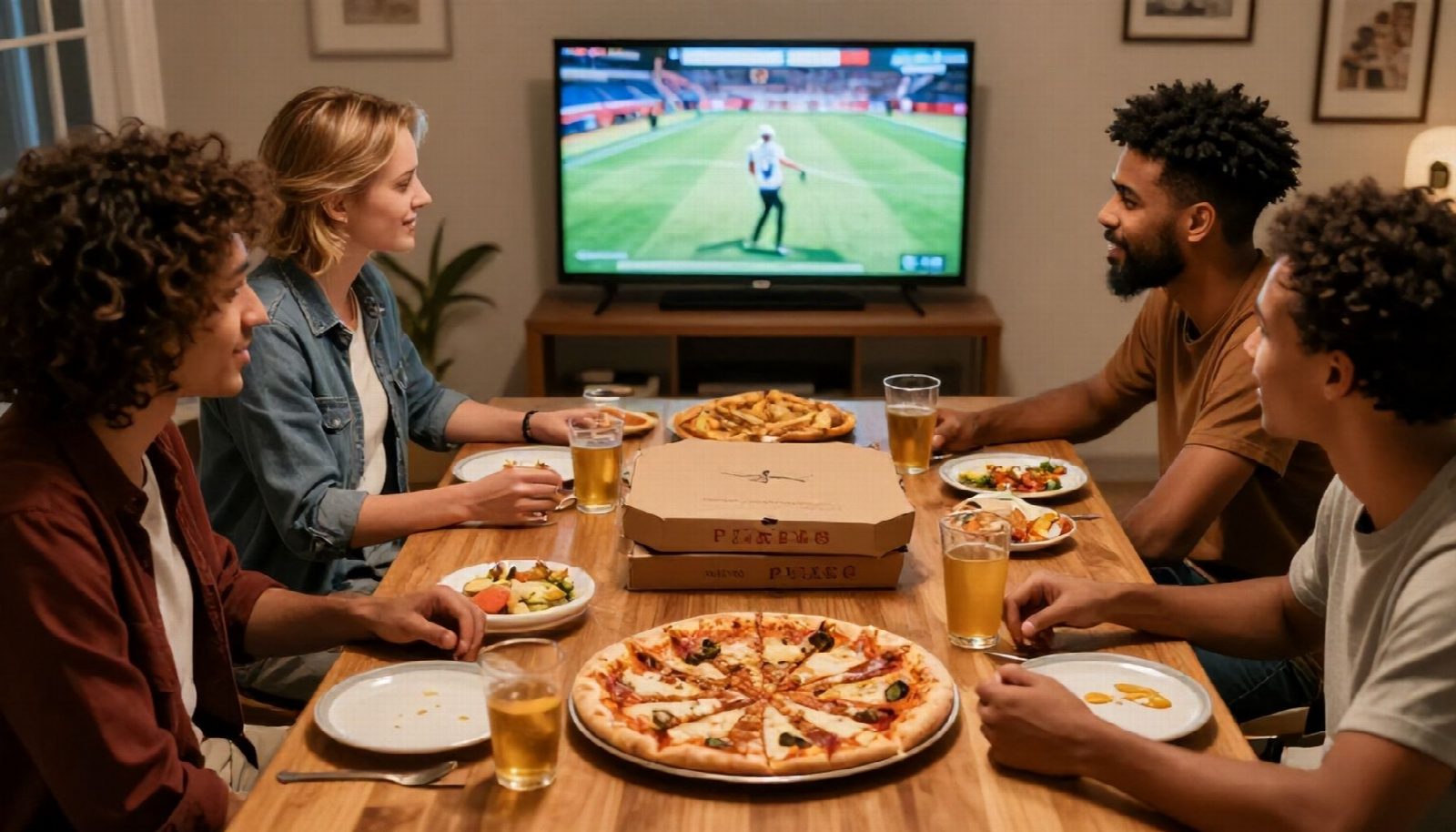
Hosting a pizza-themed game night isn’t just about tossing dough and slinging sauce—it’s about creating an experience that’s as fun as it is delicious. I’ve thrown enough of these nights to know what works (and what doesn’t). The key? A mix of interactive games, themed snacks, and a little friendly competition. Here’s how to nail it.
Step 1: Set the Stage
First, decide if you’re going full DIY or keeping it simple. If you’re rolling your own pies, set up a pizza-making station with pre-made dough, sauces, and toppings. I’ve found that giving guests a $5 per-person budget for toppings keeps things fair (and prevents chaos). For a no-fuss option, order from a local pizzeria and have them deliver at game time.
Step 2: Game On
Here’s where the real fun starts. Mix in a few pizza-themed games to keep energy high:
- Pizza Trivia – Test guests’ knowledge with questions like, “Which city invented deep-dish pizza?” (Answer: Chicago).
- Slice Toss – Set up a target (a pizza box works) and have guests toss mini pizza slices (or paper cutouts) to score points.
- Toppings Roulette – Blindfold guests and have them guess ingredients by taste. Bonus points for the weirdest combo.
Step 3: Keep It Moving
Pace is everything. I’ve seen game nights drag when there’s too much downtime. Rotate between games every 15-20 minutes. Here’s a sample schedule:
| Time | Activity |
|---|---|
| 6:00 PM | Arrival + Pizza Prep |
| 6:30 PM | Pizza Trivia |
| 7:00 PM | Slice Toss |
| 7:30 PM | Toppings Roulette |
| 8:00 PM | Free-for-all Pizza Eating Contest |
Step 4: The Grand Finale
End with a prize for the winner—maybe a gift card to a local pizzeria or a silly trophy. I’ve used a plastic pizza cutter with a ribbon around it. It’s cheap, it’s fun, and it’s something they’ll remember (or at least laugh about later).
And that’s it. No overthinking, no fuss. Just good food, better games, and a night your guests won’t forget.
Master the Art of Pizza Baking with These 7 Must-Try Techniques*
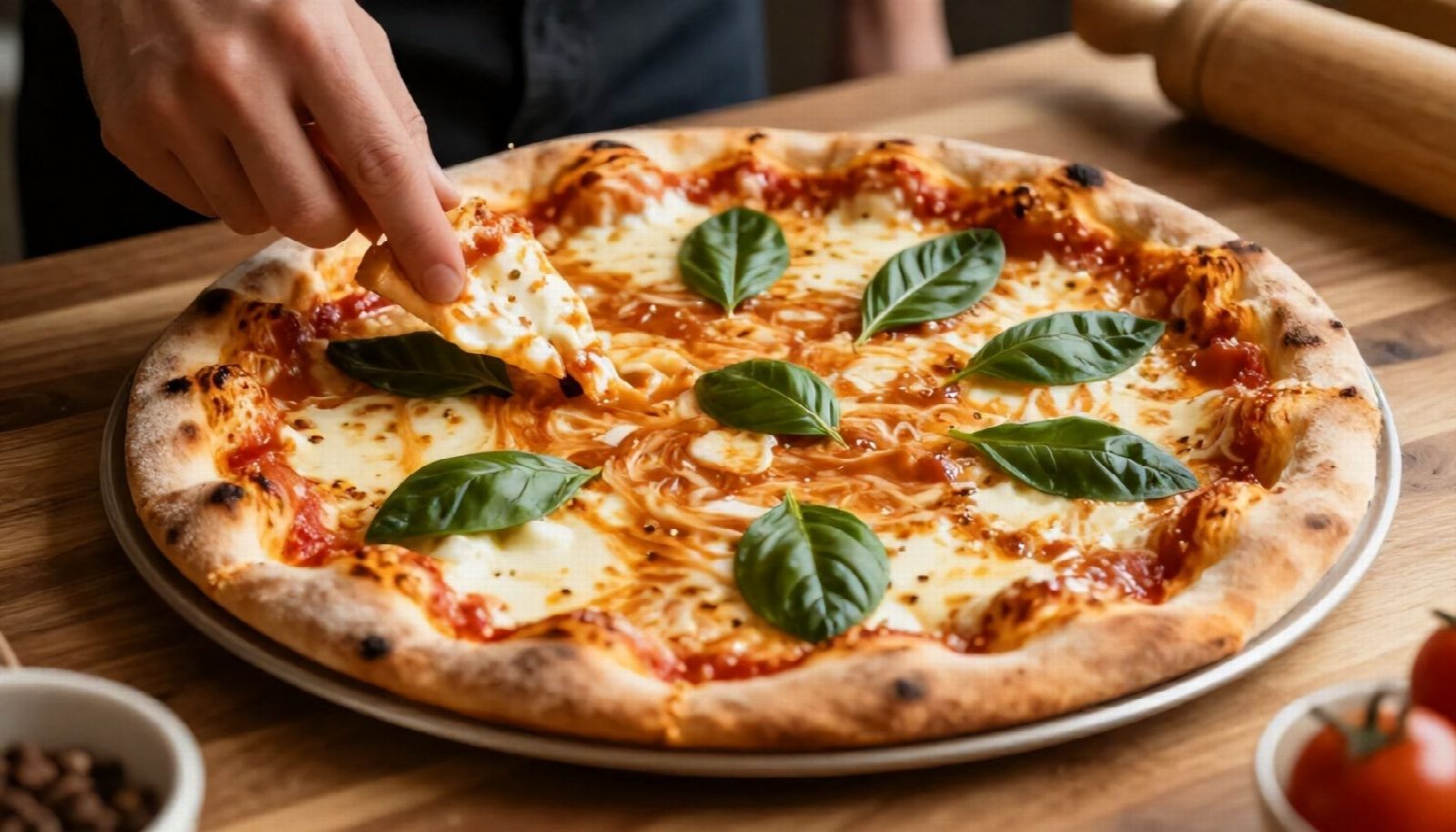
I’ve been around the pizza block enough times to know that the real magic happens before the first slice is served. Whether you’re a home cook or a competitive pizza maker, these seven techniques will elevate your game. I’ve seen too many people skip the basics—like dough hydration or proper preheating—and wonder why their pie falls flat. Don’t be that person.
1. Dough Hydration Matters
The secret to that perfect chewy-yet-crispy crust? Hydration. Aim for 65-70% water-to-flour ratio. Too dry, and your dough won’t stretch. Too wet, and it’ll stick to everything. I’ve had doughs that felt like playdough and others that were glued to my hands. Find your sweet spot.
2. Preheat Like a Pro
Your oven should be screaming hot—at least 500°F (260°C) for a stone or steel. I’ve seen people toss dough in a lukewarm oven and expect miracles. Don’t. Preheat for 30-45 minutes. Trust me, the difference is night and day.
3. Sauce: Less Is More
Thick, gloppy sauce ruins everything. A thin, even layer of high-quality tomato sauce (or even just olive oil and garlic) keeps the crust crisp and the toppings from sliding off. I’ve had pizzas where the sauce was the star—just 3-4 tablespoons, spread with the back of a spoon.
4. Cheese: The Right Blend
Mozzarella alone is boring. Mix in a little provolone or pecorino for depth. And don’t overdo it—about 8-10 oz per 12-inch pie. Too much cheese, and your pizza becomes a greasy mess. I’ve had pies where the cheese was so thick, the crust never cooked properly.
5. Toppings: Keep It Balanced
No one wants a pizza that’s 90% toppings and 10% crust. Stick to 3-4 toppings max, and distribute them evenly. I’ve seen people pile on everything but the kitchen sink—just say no.
6. The Right Tools
A pizza peel is non-negotiable. A wooden one for dough, metal for sliding onto the stone. And invest in a good infrared thermometer to check your oven’s temp. I’ve burned more pizzas than I care to admit because I didn’t trust my gut (or my oven).
7. Practice Makes Perfect
Your first few pizzas might be disasters. Mine were. But with each try, you’ll get better. Keep notes—what worked, what didn’t. I’ve got a notebook full of scribbled dough recipes and sauce tweaks. It’s worth it.
Bonus: Quick Reference Guide
| Technique | Key Detail |
|---|---|
| Dough Hydration | 65-70% water-to-flour ratio |
| Oven Preheat | 500°F (260°C) for 30-45 mins |
| Sauce | 3-4 tbsp, thin layer |
| Cheese | 8-10 oz per 12" pie |
| Toppings | 3-4 max, evenly spread |
Now go make a pizza. And for god’s sake, don’t skip the preheat.
Mastering the art of pizza isn’t just about technique—it’s about creativity, passion, and a little playful experimentation. Whether you’re perfecting your dough toss or inventing a wild new topping combo, every slice is a chance to bring joy to the table. The games and tips shared here are just the beginning; the real fun starts when you step into the kitchen with confidence and curiosity.
For your next pizza adventure, try blending unexpected flavors—like honey and chili or balsamic glaze with figs—to surprise your taste buds. Who knows? Your next creation might just become a family favorite.
What’s the most daring pizza you’ve ever made—or dreamed of trying? Let your imagination (and your oven) run wild!
Add PC Game News Reviews Headlines Updates as a preferred source on Google


