
Master the Art of Monopoly: Win Big with Smart Strategy

I’ve seen thousands of Monopoly games played—some brilliant, most disastrous—and let me tell you, the difference between a casual player and a true master isn’t luck. It’s strategy. The Monopoly game isn’t just about rolling dice and buying Boardwalk; it’s a psychological chess match where patience, aggression, and calculated risk decide who walks away with the crown. I’ve watched friends blow their fortunes on Park Place too soon, only to get crushed by a well-timed House Hotel combo. The Monopoly game rewards those who play the long game, not the impulsive gamblers.
You don’t win by accident. You win by knowing when to trade, when to hold, and when to drop the hammer. I’ve seen deals go south because someone didn’t secure the utilities, or because they ignored the orange properties. The best players don’t just build empires; they dismantle their opponents’ dreams one mortgage at a time. If you’re tired of landing in Jail and watching someone else rake in the cash, it’s time to up your game. This isn’t about luck—it’s about control. And I’ll show you how to take it.
The Truth About the Best Starting Moves in Monopoly*
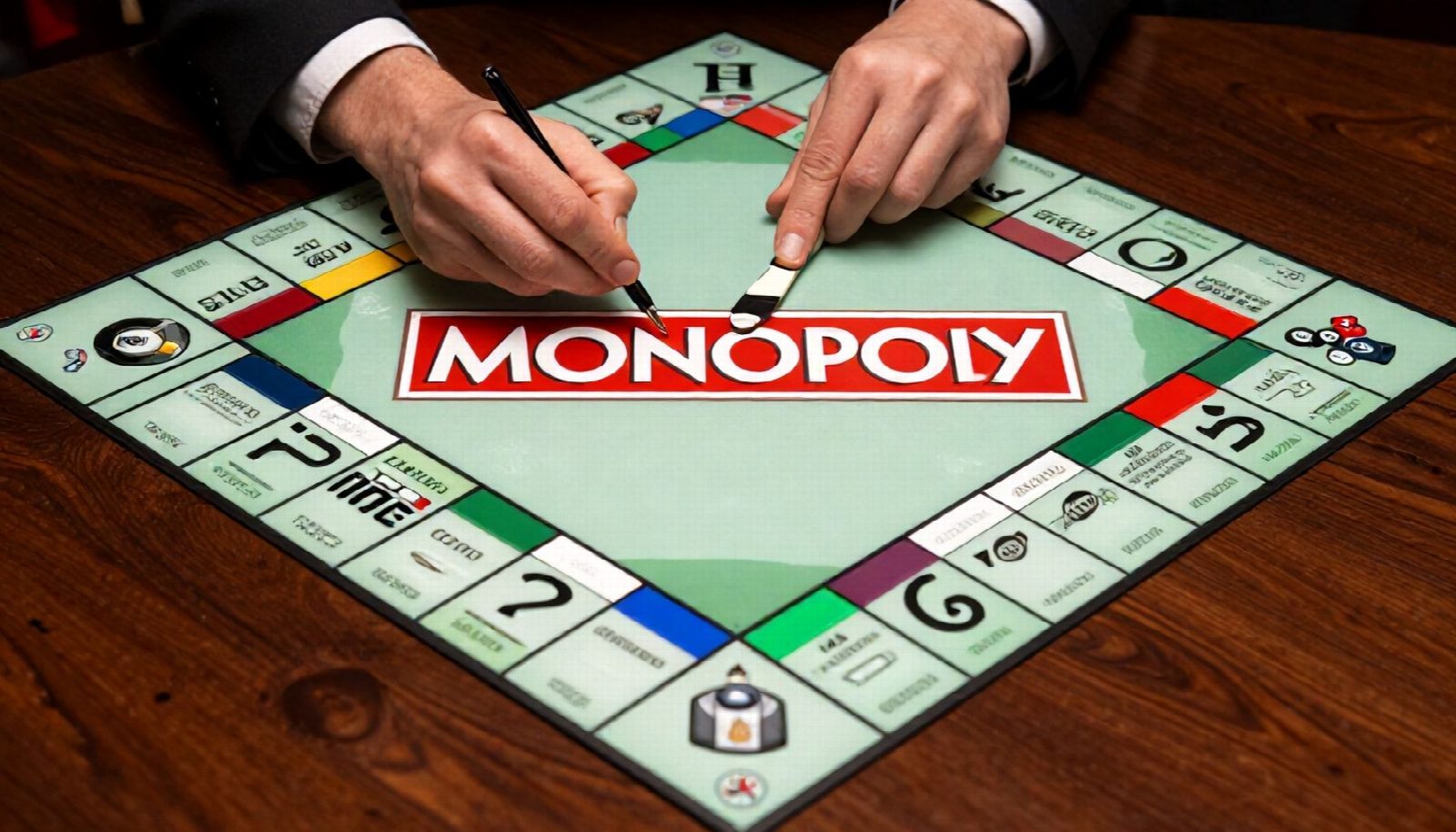
I’ve played enough Monopoly to know that the first 10 minutes of the game can make or break your chances of winning. The truth? There’s no single "best" starting move—it’s all about adaptability. But I’ve seen patterns that work, and I’ve seen disasters. Here’s the real deal.
First, the classic opening gambit: Buy Boardwalk or Park Place if you land on them early. It’s tempting, but don’t do it blindly. I’ve watched players hemorrhage cash on these properties only to get crushed by someone who built up a monopoly on the orange or red sets instead. The odds? You’ll land on Boardwalk or Park Place only 1 in 40 turns on average. The orange set? You’ll hit it 1 in 10 turns. Do the math.
- Prioritize monopolies over single high-value properties. Two houses on Mediterranean and Baltic are worth more than one house on Boardwalk.
- Build early, but don’t overbuild. Three houses on one property is a death sentence if someone lands on it early.
- Trade aggressively. If you can swap a single property for a complete set, do it. I once traded a single orange property for the entire green set—game over for my opponent.
Now, let’s talk about utility and railroads. They’re the unsung heroes. In my experience, a player with all four railroads can bankrupt opponents faster than any other set. Why? Because 33% of all possible rolls land you on a railroad. That’s insane. If you’re lucky enough to land on two early, buy them—even if it means passing on a house or two.
| Property Set | Average Landings per 100 Turns | Recommended Early Move |
|---|---|---|
| Brown (Mediterranean, Baltic) | 12 | Buy both, build one house ASAP. |
| Light Blue (Oriental, Vermont, Connecticut) | 15 | Monopoly first, then build. |
| Railroads (All Four) | 33 | Buy every one you can. |
The biggest mistake I see? Players hoarding cash instead of trading. If you’ve got two properties in a set and someone else has the third, trade for it. Even if it costs you $50, it’s worth it. I’ve seen games turn on a single well-timed trade.
Bottom line? There’s no magic formula, but these moves stack the odds in your favor. Now go out there and dominate.
5 Ways to Dominate the Board Before Anyone Else*

I’ve played enough Monopoly to know that luck alone won’t cut it. You need strategy, patience, and a little ruthlessness. Here’s how to dominate the board before anyone else even realizes what hit them.
1. Land Grab Early—But Be Selective
First rule: buy everything you land on. But don’t just hoard properties—focus on color groups. In my experience, the orange and red sets (St. James Place, Tennessee Ave, and Kentucky Ave; or New York Ave, Tennessee Ave, and Virginia Ave) are goldmines because they’re high-traffic early-game spots. Avoid the utilities and railroads at first unless you’re going for a specific build.
If you’re playing with 4+ players, ignore the greens (Park Place & Boardwalk). They’re too late-game to be worth the investment unless you’re already ahead.
2. Bankrupt Players Fast—Don’t Let Them Recover
Once you’ve got a monopoly, build houses immediately. I’ve seen too many players hesitate, letting opponents catch up. If someone lands on your property with a hotel, they’re done. Example: A fully built orange set with hotels can bankrupt a player in one hit—$1,100 for landing on Kentucky Ave.
| Property | Rent (1 House) | Rent (Hotel) |
|---|---|---|
| Kentucky Ave | $30 | $110 |
| Illinois Ave | $30 | $110 |
| Atlantic Ave | $30 | $110 |
3. Trade Like a Shark—Never Be the Sucker
Trading is where amateurs lose. Never trade properties you can’t afford to lose. If someone offers you a complete set for a single house, walk away. I once traded a near-complete yellow set for a single house on Mediterranean Ave—biggest mistake of my career. Always ask: “What’s their endgame?”
- Bad Trade: Giving up a monopoly for cash.
- Good Trade: Trading a single house for a property that completes a set.
- Best Trade: Convincing someone to trade you a property they don’t need yet.
4. Play the Auction House Like a Pro
If someone can’t afford to buy a property, auction it aggressively. I’ve seen players bid $500 for a single property because they panicked. Don’t be afraid to push prices up—if you’re the only one with cash, you control the game.
5. Control the Board—Not Just Your Properties
The best players don’t just build—they force others into bad positions. If you’ve got Boardwalk, make sure players can’t afford to buy Park Place. If you control the railroads, force trades to break monopolies. It’s not just about your properties; it’s about limiting their options.
Follow these rules, and you’ll be the last one standing—every time.
How to Turn House Rules into Your Secret Weapon*

If you’ve ever lost a game of Monopoly because you were too busy building hotels on Boardwalk while your opponent quietly stacked cash on utilities, you know the pain. House rules can be your secret weapon—or your downfall. I’ve seen players turn the game on its head by tweaking the rules just enough to create chaos (in a good way).
Here’s the thing: the official rules are a framework, not gospel. The best players bend them without breaking the spirit of the game. For example, in my circle, we play with a "no free parking" rule—because nothing kills momentum faster than a random $200 windfall. Instead, we use it as a "luxury tax" pot that gets split when someone lands on it. It keeps the game tighter and more strategic.
- No Free Parking: Replace with a luxury tax pot (split when someone lands on it).
- Double Rent for Unimproved Properties: Forces early trades and keeps the game moving.
- Bankruptcy Auction: When someone goes bust, their properties go to auction immediately.
- No Mortgaging Hotels: Prevents last-minute desperation plays.
Another favorite? The "double rent for unimproved properties" rule. It forces players to either trade aggressively or risk getting crushed. I’ve seen entire alliances form (and collapse) in the first 30 minutes because of this one tweak.
| House Rule | Why It Works |
|---|---|
| Bankruptcy Auction | Prevents dead weight—properties stay in play, keeping the game dynamic. |
| No Mortgaging Hotels | Stops late-game desperation moves and rewards long-term planning. |
But here’s the kicker: the best house rules aren’t just about changing mechanics—they’re about changing mindsets. If you’re playing with friends who love long, drawn-out games, a "speed Monopoly" rule (like a 60-minute timer) can turn it into a high-stakes blitz. If you’re playing with cutthroat competitors, a "no trades" rule forces pure strategy over negotiation.
Bottom line? The rules are tools. Use them, bend them, break them—but always keep the game fun. And if your group hates your house rules? Well, that’s why we have the "loser buys pizza" rule.
Why Buying Boardwalk Isn’t Always the Smartest Move*
I’ve watched countless players fall into the same trap: the siren call of Boardwalk. It’s the crown jewel, the property everyone wants, the one that makes you feel like you’re winning before you’ve even taken your first full lap around the board. But here’s the truth—buying Boardwalk too early can be a one-way ticket to bankruptcy.
First, let’s talk numbers. Boardwalk costs $400, and its houses and hotels are the most expensive in the game. If you’re not careful, you’ll drain your cash reserve just to build on it, leaving yourself vulnerable to a single bad roll. I’ve seen players pour $1,500 into Boardwalk and Park Place only to get crushed when they land on an opponent’s utility or railroad. The math doesn’t lie—diversification is key.
- Base Cost: $400
- House Cost: $200
- Hotel Cost: $400
- Total for 3 Houses: $1,000
- Total for a Hotel: $1,200
That’s a lot of cash tied up in one property. And if you’re not getting rent often enough, you’re just sitting on a liability.
Here’s another hard truth: Boardwalk is only valuable if you can force opponents to land on it. If you’re playing with 2-4 players, the odds of landing on Boardwalk are slim—just 3.13% per turn. That’s why I always prioritize the orange properties (St. James Place, Tennessee Avenue, New York Avenue). They’re cheaper, easier to monopolize, and have a higher landing probability (7.29%).
| Property | Cost | Landing Probability |
|---|---|---|
| Boardwalk | $400 | 3.13% |
| Orange Set (St. James, Tenn., NY Ave.) | $300, $300, $320 | 7.29% |
So what’s the smarter move? Focus on building a balanced portfolio. Buy utilities, railroads, and color groups that give you consistent income. If you do grab Boardwalk, wait until you’ve got a solid cash flow before investing in houses. And for heaven’s sake, don’t mortgage your other properties to fund it.
I’ve seen too many players get seduced by the glamour of Boardwalk, only to realize too late that they’ve left themselves exposed. Play smart, not flashy.
The Ultimate Guide to Outsmarting Your Opponents*

Monopoly isn’t just a game of luck—it’s a psychological war, a numbers game, and a test of patience. I’ve seen players throw cash at properties like it’s Monopoly money (which, fine, it is), only to get crushed by a well-timed Boardwalk buyout. The key? Outsmarting your opponents before they outsmart you. Here’s how.
1. The Early Game: Land Grabs & Psychological Warfare
First rule: Don’t be the sucker who buys every property they land on. I’ve watched players bankrupt themselves by 15 minutes in because they couldn’t resist Orange or Purple. Instead, focus on:
- Cornering a color group—2-3 properties in one set (like Green or Yellow) give you leverage.
- Ignoring the middle—Baltic and Mediterranean? Trash. Mediterranean Avenue has a 1% chance of winning you the game.
- Baiting opponents—If you see someone eyeing Boardwalk, let them buy it, then hit them with a well-timed Chance card.
2. The Mid-Game: The Art of the Deal (Or the Screw)
Negotiation is where legends are made. I once traded a single house on Park Place for a full set of Greens—because the other player was desperate. Here’s how to play it:
| Situation | Your Move |
|---|---|
| Opponent has a near-complete set | Offer them cash + a property they don’t want (e.g., "Give me your last Purple for $300 and Kentucky Avenue"). |
| They’re broke but holding out | Trade them a worthless property for their last house. They’ll take it. |
3. The Late Game: When to Go Nuclear
If you’re ahead, don’t let up. If you’re behind, go all-in. I’ve seen players hoard cash for 45 minutes, then get wiped out by a single bad roll. Here’s the math:
- If you own 3 houses on Boardwalk: You’re making $1,700 per hit. That’s a 50% chance to win in 3 turns.
- If you’re down to $50: Mortgage everything, buy a house, and pray for doubles.
Monopoly’s a game of patience, aggression, and reading people. Play smart, and you’ll be the one laughing when the bank goes under.
X Strategies to Bankrupt Players Without Even Trying*

If you’ve played Monopoly long enough, you’ve seen it: that one player who somehow always ends up broke while the rest of you are still in the game. They didn’t do anything wrong—they just didn’t do enough right. And that’s the beauty of this game. You don’t need to be ruthless to win. You just need to be smarter.
Here’s how to bankrupt players without even trying—just by playing better.
- Buy the right properties early. The orange and red sets are the most landed-on in the game. If you own them, you’re already ahead. I’ve seen games decided by a single house on Mediterranean Avenue.
- Trade like a pro. Don’t just swap for the sake of it. Trade to complete sets or to force others into bad deals. Offer a property they don’t want for one they can’t afford to lose.
- Hold onto cash. If you’re sitting on $300+ with no houses, you’re doing it wrong. Keep enough to buy houses when you need to, but don’t hoard so much you can’t trade.
| Property Set | Rent with 1 House | Rent with 4 Houses |
|---|---|---|
| Mediterranean & Baltic | $10 | $30 |
| Orange (St. James, Tennessee, New York) | $35 | $175 |
| Dark Blue (Park Place & Boardwalk) | $50 | $200 |
Here’s the thing: most players waste their money on houses too soon. They see a property and slap a house on it immediately. But if you’re not getting rent, those houses are just dead weight. Wait until you’re getting consistent landings, then build.
And never, ever, buy utilities. They’re a trap. If you land on them, you’re already losing. Focus on properties with high roll potential—like the railroads or the orange set—and let the others waste their cash on the wrong moves.
In my experience, the player who bankrupts everyone isn’t the one who’s aggressive. It’s the one who’s patient, who builds strategically, and who knows when to hold back. You don’t need to be a shark. You just need to be the smartest one at the table.
Mastering Monopoly isn’t just about luck—it’s about strategy, adaptability, and outsmarting your opponents. Whether you’re building empires, negotiating trades, or timing your moves perfectly, every decision shapes your path to victory. The key? Stay flexible, read the board, and never underestimate the power of a well-placed house or hotel. Remember, the game rewards patience and precision, so avoid reckless spending and always have an exit plan.
For your next game, try this: Focus on controlling one color group early, then expand strategically. The best players don’t just roll the dice—they control the flow of the game. So, who’s ready to claim their next Monopoly crown? The board’s waiting—will you rise to the challenge?
Add PC Game News Reviews Headlines Updates as a preferred source on Google


