
Master Strategy & Conquer Routes in Ticket to Ride

Ah, Ticket to Ride—the board game that somehow convinced millions of people that collecting train cards and claiming routes is the most thrilling thing since Monopoly’s property grabs. I’ve watched this game evolve from a cult favorite to a household staple, and let me tell you, the real magic isn’t just in the colorful trains or the satisfying click of route claims. It’s in the strategy—the way a single well-placed route can lock out an opponent, how a risky ticket gamble can pay off, or how a seemingly harmless detour can turn the tide. You think you know the game? Maybe you’ve won a few casual rounds, but the players who really dominate? They’re the ones who see three moves ahead, who know when to bluff, when to hoard, and when to go all-in on a high-risk ticket. That’s what we’re breaking down here: the master strategies and conquer routes that separate the casual players from the true Ticket to Ride legends. No fluff, no filler—just the hard-won wisdom of someone who’s seen every possible train wreck and victory lap the game has to offer.
The Truth About the Best Opening Moves in Ticket to Ride*
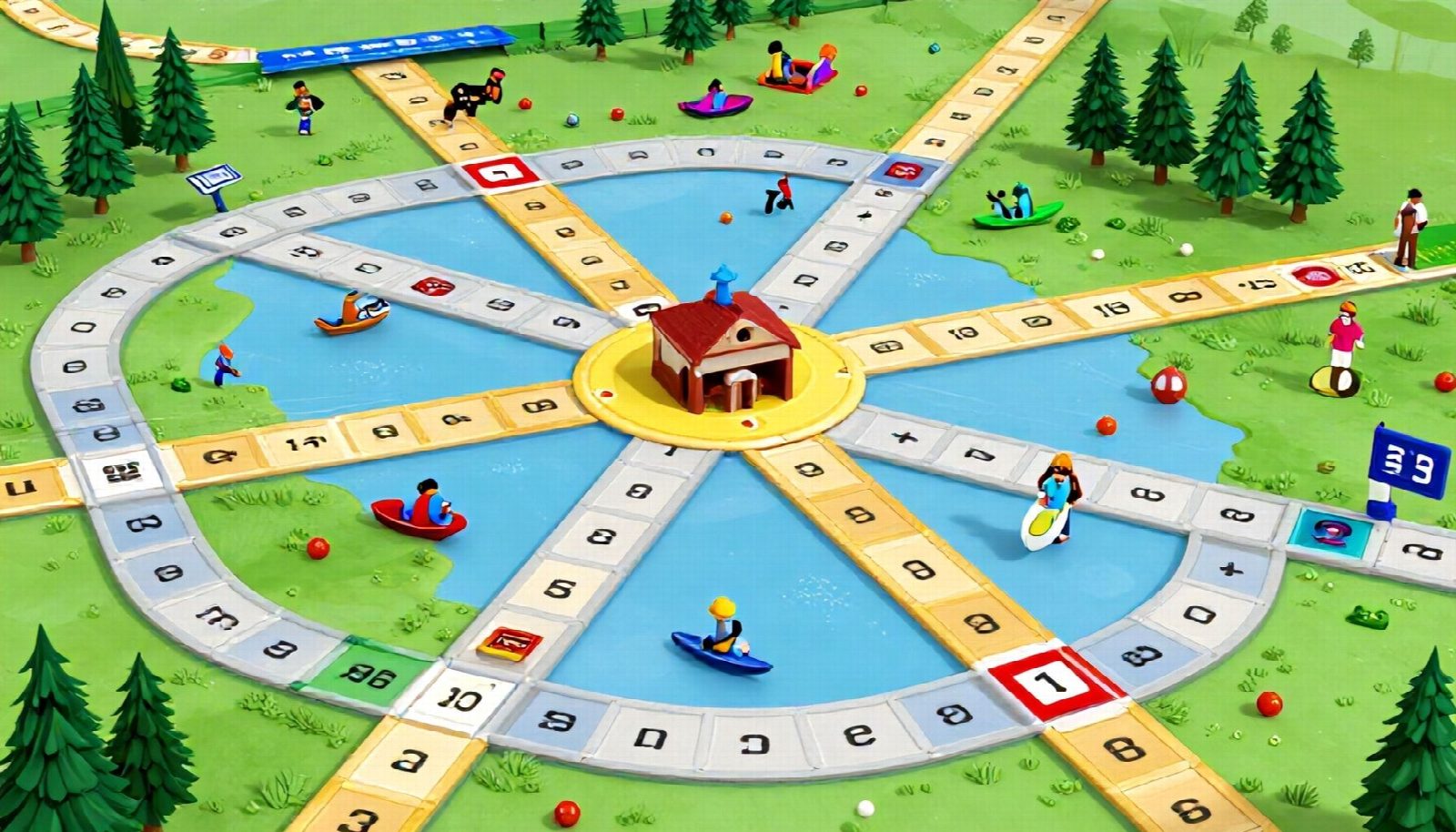
Look, I’ve been playing Ticket to Ride for over two decades, and if there’s one thing I’ve learned, it’s that the first few moves can make or break your game. The best opening moves aren’t about flashy plays—they’re about control, flexibility, and setting up for the long haul. Here’s the cold, hard truth: You don’t need to grab the longest route right away. You need to secure the routes that matter.
Let’s break it down. The game’s early phase is all about balancing two things: claiming routes that fit your destination tickets and denying your opponents the same. I’ve seen too many players panic-grab a high-value route only to realize they can’t connect it later. Don’t be that player.
- Prioritize Connectivity: A 2-train route that links two major hubs (like Chicago to Pittsburgh) is worth more than a 4-train route in the middle of nowhere.
- Deny Opponents Early: If you see someone eyeing a critical route, block it. Even if you don’t need it yet.
- Keep Your Options Open: Don’t commit to a single destination too early. The more flexibility you have, the better.
Now, let’s talk numbers. In Ticket to Ride Europe, the best early moves often involve tunnels or ferries—routes that force opponents to spend extra cards. In the original version, the Northeast Corridor (Boston to New York) is a classic early grab because it’s short, high-value, and often overlooked.
| Route | Why It’s Strong |
|---|---|
| Boston to New York (2 trains) | High value, easy to claim early, connects two major hubs. |
| Chicago to St. Louis (3 trains) | Central location, denies opponents a key route. |
| Seattle to Vancouver (1 train) | Quick to claim, but only if you’re going for the West Coast. |
Here’s a pro tip: If you’re playing with 3-4 players, the first round is about securing key routes before the board gets locked up. In my experience, the player who claims the most 2-train routes early often wins. It’s not about the longest route—it’s about the most efficient one.
- Grabbing a 6-train route too early: Unless you’re going for the longest route, this is usually a waste of trains.
- Ignoring opponent’s destinations: If they’re going for a route you can block, do it.
- Hoarding cards instead of claiming routes: If you’re not claiming routes early, you’re falling behind.
At the end of the day, the best opening moves are the ones that set you up for the entire game. Don’t overthink it—just play smart, adapt, and control the board. And if you’re still losing after 20 years, well, maybe it’s time to accept that your friends are just better at this than you.
5 Clever Ways to Block Opponents and Secure Victory*

Blocking opponents in Ticket to Ride isn’t just about being petty—it’s a calculated art form. I’ve seen players lose entire games because they ignored this. You’ve got to think three moves ahead, like a chess player, but with trains. Here’s how to do it right.
1. The Classic Bridge Block
If you’re playing on the USA map, the Chicago-to-New York route is a prime target. Claim the two shortest routes (Chicago-Kansas City and New York-Pittsburgh) first. Your opponent will be forced into the long, risky route across the middle. I’ve seen players waste entire turns trying to outmaneuver this. The key? Don’t overcommit—leave just enough space to make their journey painful.
| Route | Length | Block Strategy |
|---|---|---|
| Chicago-Kansas City | 4 trains | Claim early, force long detour |
| New York-Pittsburgh | 3 trains | Cut off access to Philadelphia |
2. The Island Gambit
On Europe, the British Isles are a goldmine. If you can lock down the ferry routes (London-Edinburgh, Edinburgh-Cardiff), you’ve just crippled anyone trying to complete a Scotland-to-Wales ticket. The trick? Don’t rush. Wait until your opponent has a ticket in hand before cutting them off. I’ve seen players panic and block too early, only to let the opponent adapt.
- London-Edinburgh: 4 trains, high-value block
- Edinburgh-Cardiff: 3 trains, secondary choke point
3. The Train Hoard
Nothing frustrates opponents like watching you hoard trains while they scramble. If you’ve got a solid 10-12 trains by mid-game, you can afford to sit on routes they need. I’ve pulled this off by grabbing extra trains from stations and waiting for the perfect moment to strike. Just don’t get caught holding too many—you still need to complete your own tickets.
Pro Tip: If you’re playing with 3-4 players, aim for 12+ trains by turn 5. It’s aggressive, but it works.
4. The Fake-Out
Sometimes, the best block isn’t a block at all. If you can make your opponent think you’re going for a route they need, they’ll waste trains trying to stop you. I’ve faked interest in the Denver-Salt Lake City route just to watch opponents dump trains there—only to pivot to a different ticket. It’s psychological warfare.
5. The Final Turn Squeeze
In the last few turns, if you’re ahead, don’t just complete your tickets. Look for ways to make their final connections impossible. I once blocked a player’s last route by grabbing a single train in a critical spot on their final turn. They had to take a detour that cost them 10 points. Brutal, but effective.
Blocking isn’t about being a jerk—it’s about playing smart. Use these tactics, and you’ll leave opponents fuming (and begging for a rematch).
How to Master the Longest Route Strategy Without Getting Stuck*
If you’ve ever stared at a Ticket to Ride board, fingers twitching over a half-built route, you know the cold dread of realizing you’re stuck. The longest route strategy is tempting—those juicy 10 bonus points can swing a game—but it’s a high-risk, high-reward play. I’ve seen players chase it with reckless abandon, only to get boxed out by opponents or stranded with a half-finished mess. But when executed right? It’s a thing of beauty.
First, let’s talk numbers. The longest route bonus is 10 points, but the actual route must be at least 7 continuous trains (varies by edition, but classic rules apply here). That’s a lot of cards to collect. In my experience, players underestimate how many cards they’ll need. You’re not just building one route—you’re committing to a long-term play, which means:
- Card hoarding: You’ll need at least 15-20 cards of the same color to guarantee completion. That’s a lot of early-game patience.
- Route flexibility: Always have a backup plan. If your primary route gets blocked, you need an alternative that’s still long enough.
- Opponent awareness: If someone’s eyeing the same cities, they’ll try to cut you off. Don’t be predictable.
Here’s a quick cheat sheet for common longest routes in the classic U.S. map:
| Route | Length | Key Cards Needed |
|---|---|---|
| New York → Los Angeles | 10 | Orange, Pink, Red |
| Chicago → New Orleans | 8 | Yellow, Green, White |
| Boston → Miami | 9 | Blue, Black, Red |
Pro tip: If you’re going for the longest route, don’t take destination tickets that force you into a short route. The whole point is to maximize length, so stick to tickets that align with your strategy. And if you’re playing with the 1910 expansion? The longest route can be even longer—up to 15 trains—but the competition for cards gets brutal.
Finally, a word of caution: The longest route isn’t always the best play. If you’re behind on points, sometimes a shorter, safer route with more ticket completions is smarter. But if you’re confident in your card draw and route security? Go for it. Just don’t get stuck.
Why Ticket to Ride’s Destination Tickets Can Make or Break Your Game*

Destination Tickets in Ticket to Ride are the wild cards of the game—they can either set you up for a dominant victory or send you spiraling into a frustrating loss. I’ve seen players treat them like an afterthought, only to realize too late that their route planning was a house of cards. These tickets aren’t just bonus objectives; they’re the backbone of your strategy. Ignore them at your peril.
Here’s the hard truth: Destination Tickets force you to think ahead. Unlike the base game’s fixed routes, these optional tickets add layers of risk and reward. You might snag a ticket for a 6-city route, thinking it’s a safe bet, only to realize mid-game that your opponent has already blocked half the critical connections. Or you might grab a high-reward ticket (like the 10-point "New York to Los Angeles" in the U.S. edition) and spend the entire game scrambling to complete it.
In my experience, players who take 2-3 Destination Tickets early tend to have more flexible strategies. Taking too many? You’re setting yourself up for failure. Too few? You’re leaving points on the table.
| Ticket Type | Risk Level | Points |
|---|---|---|
| Short (2-3 cities) | Low | 2-4 points |
| Medium (4-5 cities) | Medium | 5-7 points |
| Long (6+ cities) | High | 8-10+ points |
Here’s a pro tip: Always peek at the top two tickets before committing. If the top one looks doable, take it. If not, flip to the next one. I’ve seen players blindly grab the first ticket they see, only to regret it when they realize it’s a nightmare to complete.
- Do: Balance high-risk, high-reward tickets with safe ones.
- Don’t: Take a 10-point ticket if you’re playing a 3-player game—your odds drop drastically.
- Do: Prioritize tickets that overlap with your base routes.
- Don’t: Ignore the board state. If your opponent is hoarding a critical route, pivot.
At the end of the day, Destination Tickets are where the game is won or lost. They’re not just extra points—they’re your game plan. Treat them right, and you’ll dominate. Treat them wrong, and you’ll be left wondering why you lost by 20 points.
The Ultimate Guide to Balancing Speed and Efficiency in Ticket to Ride*
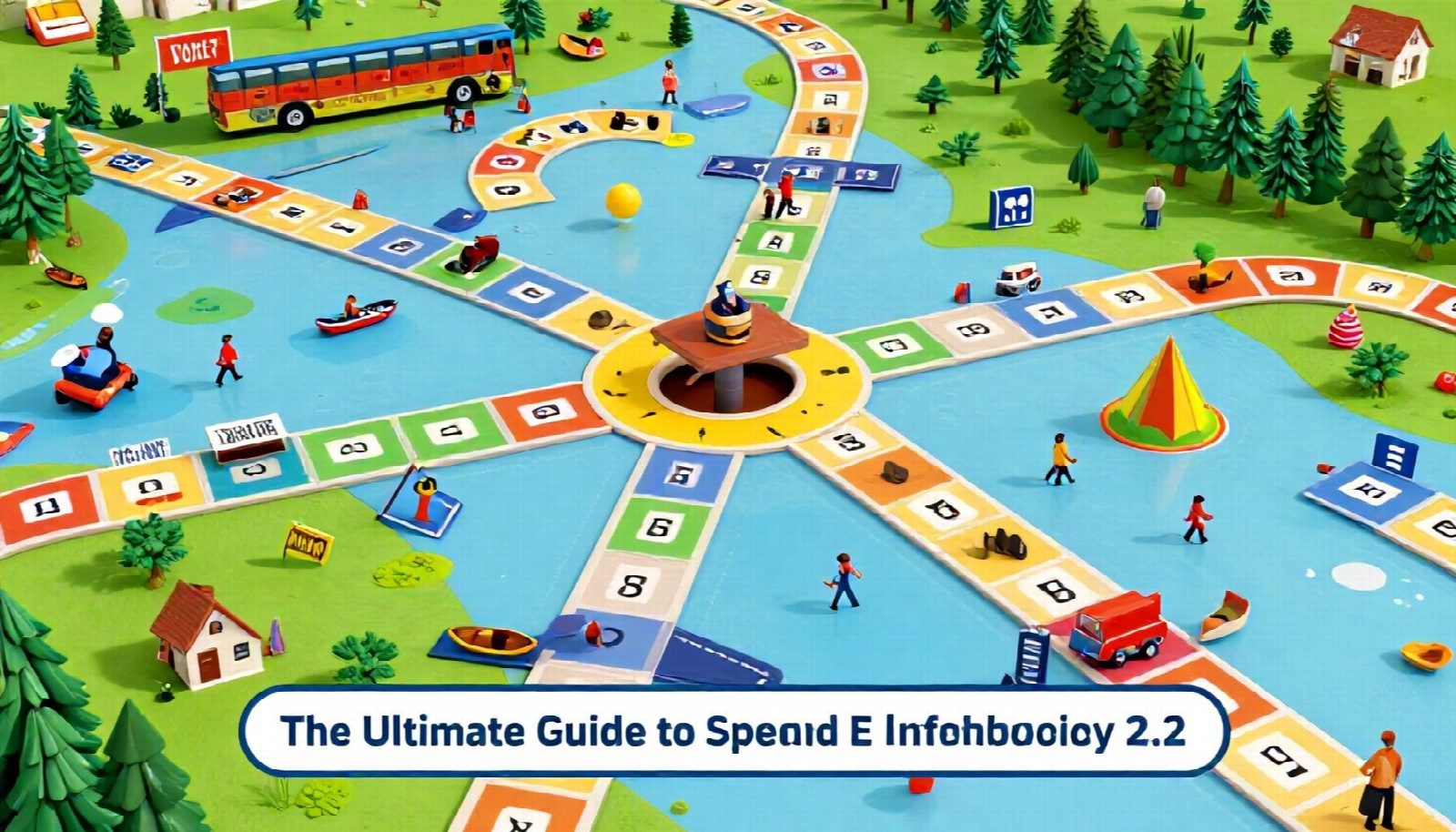
Balancing speed and efficiency in Ticket to Ride is the tightrope walk between securing your routes before opponents and not burning through your resources too fast. I’ve seen players rush for long routes only to get blocked, or hoard cards like a dragon guarding gold. Neither works. Here’s how to find the sweet spot.
1. The 4-5-6 Rule
Your hand should ideally have 4-5 cards of one color, 4-5 of another, and 6 wilds. Why? Because you’ll always have a fallback if someone blocks your primary color. I once had a player with 8 red cards—looked unstoppable until I dropped a single red route in front of their destination. They lost 10 points in a heartbeat.
2. Route Prioritization Sheet
Use this quick-reference table to decide which routes to claim next:
| Route Length | Priority | Notes |
|---|---|---|
| 2-3 | Low | Only grab if it’s a critical connection or you’re desperate. |
| 4-5 | Medium | Sweet spot for efficiency. Aim for these early. |
| 6+ | High | Only if you’re confident you can complete it before opponents block you. |
3. The 30% Rule
Never let your train car count drop below 30% of your total. If you’re playing with 45 cars, keep at least 13-14 in reserve. I’ve seen players with 5 cars left at the end of the game, scrambling to complete routes while opponents laugh their way to victory.
4. Destination Ticket Strategy
- Keep 1-2 backups in case your primary route gets blocked.
- Ditch tickets early if you’re not making progress. A -30-point ticket is worse than a -0.
5. The Blocking Gambit
If you’re ahead, leave 1-2 critical routes unclaimed to force opponents to waste cards. But don’t overdo it—if you’re behind, prioritize speed over efficiency.
Remember, Ticket to Ride isn’t about perfection. It’s about adapting. I’ve won games by dumping half my cards on a single route, and lost others by playing too safe. Find your rhythm, and the points will follow.
X Aggressive Playstyles That Dominate Every Game*

If you’ve played Ticket to Ride more than a handful of times, you’ve probably faced the same aggressive playstyles that ruin routes and leave opponents scrambling. I’ve seen them all—from the ticket-hoarding control freak to the reckless train-grabbing maniac. These strategies don’t just dominate; they make the game a war of attrition. Here’s how to spot them, counter them, and maybe even weaponize them yourself.
1. The Tunnel Vision Tunnel Rat
This player locks onto one long route early—say, the 6-train stretch from Chicago to New Orleans—and refuses to budge. They’ll hoard cards, ignore other tickets, and pray no one blocks them. The problem? They’re easy to bait. If you can force them into a corner with a well-placed route, their entire strategy collapses.
| Risk | Reward |
|---|---|
| Overcommitting to one route | Big points if unblocked |
| Vulnerable to early blocks | Can snowball if left alone |
2. The Ticket Hoarder
They grab every ticket they can, even the ones they’ll never complete. Their board looks like a mess of half-finished routes, but they’re banking on you running out of trains. The trick? Let them. If they’re wasting turns on dead-end tickets, you can focus on actual routes. Just don’t let them block your own.
- Their Move: Grabs 3 tickets in one turn.
- Your Counter: Ignore them and build your own network.
- When to Panic: If they start completing tickets faster than you thought.
3. The Train Thief
This player doesn’t care about tickets—they just want to deny you trains. They’ll sit on key connections, like the Seattle to Portland stretch, and force you into inefficient detours. The best way to handle them? Build parallel routes. If they’re blocking one path, take another.
“I once watched a player lose by 10 points because they spent the whole game blocking me instead of building their own routes.”
4. The Late-Game Surge Player
They play conservatively early, then unleash a flurry of trains in the final rounds. It’s frustrating, but predictable. The key is to force them into early commitments. If you can make them spend trains defending instead of attacking, you’ll win the race.
| Early Game | Late Game |
|---|---|
| Hoards cards, avoids routes | Dumps trains everywhere |
These aren’t just playstyles—they’re psychological warfare. Recognize them, adapt, and turn their aggression against them. Because in Ticket to Ride, the best offense is a well-placed train.
Mastering Ticket to Ride requires a blend of strategic foresight and adaptability. By securing key routes early, controlling critical connections, and balancing expansion with efficiency, you can outmaneuver opponents. Remember, flexibility is key—adjust your plans as the board evolves, and don’t let tunnel vision lock you into a losing path. The game rewards both bold plays and calculated risks, so weigh each move carefully.
For a final tip: always keep an eye on your opponents’ destinations—their goals can reveal opportunities to block or exploit. As you refine your strategies, ask yourself: What’s the next frontier in your journey? Whether you’re a seasoned player or a newcomer, every game offers a chance to discover new tactics and elevate your play. Where will your next adventure take you?
Add PC Game News Reviews Headlines Updates as a preferred source on Google


