
How to Submit an Event in the USA: A Practical Guide for News Readers
A clear, checklist-style guide for submitting events to a US audience. Learn steps, options, and common pitfalls to ensure your submission gets noticed.

News readers rely on timely, accurate event information. This guide explains how to submit an event in the USA so it reaches audiences quickly and clearly. You’ll learn the essential steps, the best channels, and common mistakes to avoid.
Start by identifying the right outlet and format your details for fast verification. The guide walks you through what editors expect, from event basics to contact information. Practical examples help you prepare submissions that fit newsroom workflows.
By following a simple checklist, you can reduce back-and-forth with editors and increase your chances of inclusion in breaking-news coverage and daily roundups.
- Submit events with clear relevance and exact details to fit newsroom workflows.
- Use the newsroom’s preferred template and provide a concise, factual context.
- Be ready to update information quickly and respond to editors’ requests.
- Plan your submission around channels that reach the widest or most relevant audiences.
Basics you must know
Assess relevance to readers
Begin with the news value of your event. Ask whether it affects a broad audience or ties to a larger story. If it’s niche, provide clear context to show why it matters now. submit an event in the USA
- Know the event’s news value
- Double-check basic details
- Provide a clear, concise summary
Describe who is involved, when it happens, and where it is located. Include dates and times in local time with a secondary reference if relevant. This helps editors judge immediacy and geographic relevance.
Validate details with a reliable source and prepare a concise summary that could stand alone if the newsroom is short on time.
- Identify the audience impact
- Confirm date, time, and location
- Provide a reliable source for details
- Keep the summary under two sentences
Choose the right channel
Newsrooms favor submissions that fit a defined format, often with a short headline and a paragraph of context. Use the newsroom’s preferred form if available to speed approval.
If multiple channels exist, prioritize those with broad reach and timely alerts. Local outlets may favor in-person events; national desks often want national relevance.
Be prepared to provide follow-up information quickly, as editors may request updates to reflect changing circumstances.
- Use newsroom templates
- Prioritize wide-reach channels
- Be ready for updates
What needs to be included

Core event details
List the event’s exact name, date, start time, and venue. Include a brief descriptor of the event’s purpose to orient readers quickly. A useful resource on this topic: latest news USA.
Provide a location reference and accessibility notes if relevant. Include street address or a clear venue description to avoid ambiguity.
Add a contact person and a phone number or email for confirmations and last-minute changes.
- Event name
- Date and time
- Venue address
- Contact details
Supplementary information
Add a short, objective paragraph that places the event in a broader context. Avoid hype and stick to verifiable facts.
Attach links or references only if they pass newsroom standards for reliability and avoid promotional language.
Prepare high-quality images or a logo if allowed, with accessibility-friendly alt text.
- Context paragraph
- Reliable links
- Media assets with alt text
Submitting efficiently
Follow the newsroom’s format
Use the standard newsroom form or email template if provided. This reduces back-and-forth and speeds up processing. A useful resource on this topic: add your business listing in the USA.
Include all required fields and avoid extra, nonessential details that can slow review.
Double-check spelling and contact information to prevent miscommunication.
- Use official template
- Fill all fields
- Verify details
| Channel | Pros | Cons |
|---|---|---|
| Email form | Direct submission; simple tracking | May lack structured fields and require edits |
| Newsroom portal | Structured data; faster processing | Access may be limited to partners |
| Press release service | Wider distribution | Less control over selection and timing |
Avoid common errors
Copy-paste mistakes and inconsistent time formats are common delays. Align time zones with the event’s primary audience.
Overly promotional language or vague locations can lead to rejection. Stick to factual wording and precise addresses.
Ignore embargo notes or privacy restrictions that newsroom editors may have in place.
- Check time zones
- Use precise locations
- Respect newsroom policies
Be prepared to supply follow-up information if the event changes or attracts new details.
What editors consider
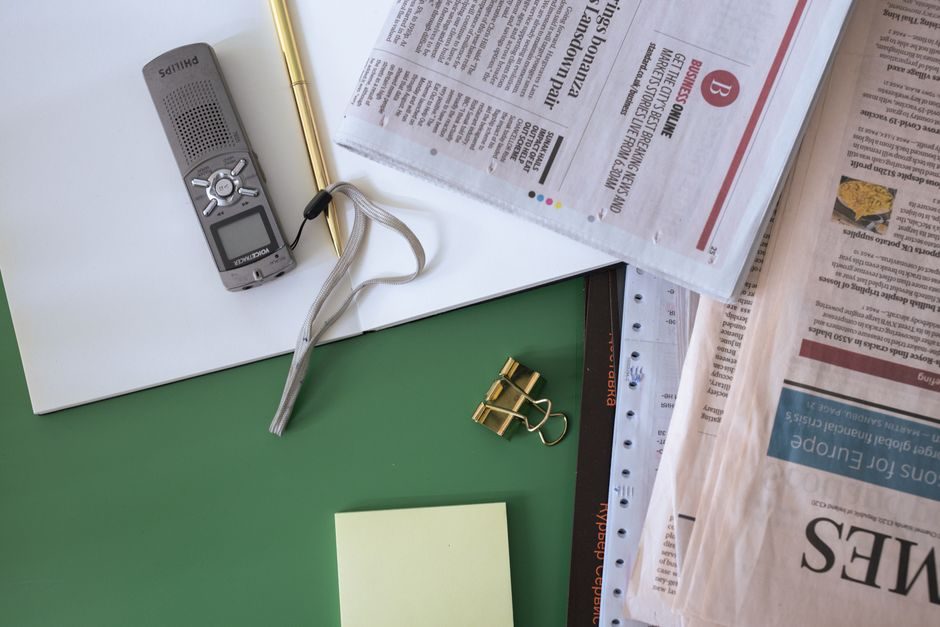
News value and verification
Editors prioritize items with immediate relevance or clear public interest. Provide succinct verification notes or sources when possible. A useful resource on this topic: post a classified ad in the USA.
Be prepared to supply follow-up information if the event changes or attracts new details. Editors may request updates promptly.
A well-formatted submission reduces the need for calls or emails, speeding the process.
- Immediate relevance
- Verification ready
- Clear formatting
Longevity and follow-up
Some events become part of ongoing coverage; in those cases, offer a way to share updates. This helps maintain continued visibility beyond the initial mention.
Provide a canonical short summary that can be used across multiple platforms, ensuring consistency.
Stay responsive to editor requests and keep contact channels open for rapid replies.
- Offer ongoing updates
- Provide a consistent summary
- Remain responsive
Options for submission channels
Choosing primary channel wisely
Start with the site’s official submission portal when available; it streamlines review and speeds up publishing. If a portal exists, follow its required fields step by step to avoid delays. In many cases, a generic email is acceptable only after a portal is full or if the site explicitly invites direct submissions. For local readers, funeral notices in the USA can often spark questions about timing and access; this guide helps clarify how to present those details clearly.
- Identify the correct channel (portal, email, or form).
- Prepare required details in the requested format.
- Attach supporting material in accessible formats.
- Confirm receipt and track any follow-up dates.
Consider adding a short, targeted cover note that explains the event’s newsworthiness and its local relevance. For example, mention if the event has community impact, a notable speaker, or ties to a timely development. A concise rationale lowers back-and-forth and helps editors decide faster.
If neither option is clear, reach out to the newsroom’s events desk with a brief outline before submitting. This preflight check helps you confirm the correct channel and reduces the chance of misfiled information. Always keep a record of any correspondence for follow-up.
- Use the official portal first
- Attach a clear rationale
- Preflight with newsroom contact
Alternative submission paths
If the event has multiple potential angles, send a tailored version to different desks that cover politics, local news, and community events. This increases the odds that at least one editor sees a fit for their beat. Avoid duplicating the same content without noting the intended audience.
Provide a concise executive summary at the top and then the full details. A strong summary helps editors gauge relevance within seconds. Keep it under 150 words and reserve specifics for the body text.
Be mindful of privacy and safety concerns; do not include sensitive personal information. If the event involves public officials or high-profile speakers, verify the appropriate channels and consent requirements before submitting. When in doubt, ask for guidance from the newsroom.
Measuring impact and timing

Assessing relevance and timeliness
Editors weigh relevance to current events, audience interest, and potential follow-up. A timely submission that ties into ongoing coverage often moves faster than a routine event notice. Ground your pitch in a local angle or a broader trend to improve perceived news value.
Quantify what makes the event newsworthy in plain terms: a notable speaker, a significant announcement, or a community impact that will resonate with readers. Concrete context makes it easier for editors to justify space in a crowded news cycle. Avoid vague promises of interest and provide specific justifications.
Set a realistic publishing window and mention any competing deadlines. If the event coincides with a breaking story, editors may deprioritize. Offer alternatives like post-event follow-ups if the venue cannot accommodate immediate coverage.
Leveraging follow-up opportunities
Even if a story isn’t published before the event, offer a timely post-event recap with quotes or data. Readers often appreciate a clear, timely account of what happened and why it matters. Provide a ready-to-publish version to speed up editorial decision-making.
Propose ancillary coverage, such as community reaction, impact assessments, or policy implications. A multi-angle package increases the chance the newsroom assigns a footprint beyond a single brief. Supply high-quality visuals, maps, or datasets to support later coverage.
Track the event’s outcomes after it closes and offer a concise update if developments arise. This keeps the newsroom informed of continuing relevance and enables swift follow-up reporting.
Pitfalls to avoid in submissions
Common submission mistakes
Avoid vague headlines or missing dates in your submission. Clear, specific details help editors quickly judge whether the event fits the site’s audience. A well-structured email with a straightforward lead saves editors time.
- Misconception: a single email guarantees coverage. Fact: confirmation and follow-up improve odds.
- Misconception: vague claims attract attention. Fact: precise details and evidence help editors decide.
Do not rely on a single email without confirming receipt. Always track submissions and ensure the editor has access to all required files. Missing attachments or broken links create unnecessary delays.
Resist overpromising coverage or claiming exclusive access. Editors favor reliable, verifiable information and will spot inflated claims. Provide verifiable facts and offer to facilitate interviews or supporting documents.
Practical red flags to notice
Check for conflicting times, locations, or contacts; inconsistencies undermine credibility. A clean, consistent submission reduces the risk of misreporting. If details change, issue a quick update to editors.
Avoid sending press releases that read like advertisements. Newsrooms look for objective, event-centered information with context. Include verifiable data and relevant quotes only if they add value.
Do not submit content that duplicates what a larger outlet already published. Editors value original angles, local relevance, and fresh perspectives that serve their readers.
Tips for standout submissions

Crafting a tight pitch
Lead with the event’s local angle and immediate relevance to readers. A clear, one-sentence summary at the top helps editors decide in seconds. Follow with essential details and a brief rationale for why this matters now.
- ☐ Identify the strongest local angle.
- ☐ Draft a concise summary and rationale.
- ☐ Provide ready-to-paste content and visuals.
- ☐ Confirm details with the event organizers.
Provide ready-to-use copy: an event blurb, a short quote, and a headline option. This reduces the editor’s workload and speeds up the approval process. Include a few alt angles so editors can plan a broader package if needed.
Attach high-quality visuals or suggest accompanying media like a short video or map. Visuals help readers grasp the scope and significance at a glance. Ensure permissions are in order for any shared media.
- Lead with local relevance
- Offer ready-to-use copy
- Include media options
Verifying details before submission
Double-check dates, times, and venues against official listings. A small mismatch can derail coverage or waste editorial time. Ensure contact information is current for quick verification.
Confirm the event has public access and does not require credentials for attendance. If credentials are needed, specify how editors can request access. Provide a backup plan in case on-site access changes.
Assess whether the event connects to ongoing reporting or a known beat. Editors recognize when a submission complements existing coverage. Offer data or sources that enhance the potential story.
Frequently asked questions
Who can submit an event to the site?Public event organizers and organizations can submit details, but editors prioritize local relevance and verified facts. Provide direct contact information and a clear venue address to streamline review and possible follow-up, while avoiding unverified claims.
What counts as timely in a submission?Timeliness depends on current events and imminent milestones. Submissions that align with ongoing coverage or breaking topics tend to move faster, especially when they offer concrete, checkable information and a local angle.
What if the event has restricted attendance?If access is credentialed, indicate how editors can request attendance or interviews. Offer alternative angles, such as post-event recaps or community impact analysis, to maintain relevance for readers even without on-site access.
How should I handle sensitive information?Avoid sharing private data or personal identifiers without consent. When policy or public safety is involved, present official statements and documented outcomes, with clear sources and a path for verification.
Next steps and follow-up
Submiters should maintain a concise, well-sourced brief and track responses to stay aligned with newsroom timelines. This approach reduces back-and-forth and clarifies what the newsroom needs to publish a timely piece.
If you have a strong local angle and verifiable facts, be ready to provide post-event updates and further materials. A proactive, cooperative stance helps editors build reliable coverage for readers seeking current events.
Add PC Game News Reviews Headlines Updates as a preferred source on Google


