
Every Call of Duty Game Ranked: A Complete Timeline of FPS Evolution

I’ve been around long enough to remember when Call of Duty was just a gritty, boot-camp simulator—not the franchise juggernaut it is today. Over the years, I’ve watched it evolve, stumble, and reinvent itself more times than I can count. From the raw, unflinching realism of Call of Duty (2003) to the blockbuster spectacle of Modern Warfare III (2023), the series has never been afraid to take risks—some brilliant, some baffling. But here’s the thing: every entry, from Finest Hour to Vanguard, has left a mark, whether you love it or hate it.
Ranking them all—Call of Duty in order, every single one—is a fool’s errand. But someone’s gotta do it. We’re talking Call of Duty 2, World at War, Black Ops, Ghosts, WWII, Cold War—the list goes on. Some games redefined the genre; others made us question why we even care. Yet, through it all, Call of Duty has remained a cultural force, a benchmark for FPS innovation (for better or worse). So, let’s cut through the nostalgia and the backlash, and put every Call of Duty game in order—ranked, dissected, and judged by a guy who’s seen it all. No mercy. No favorites. Just the truth.
The Truth About Call of Duty’s Most Underrated Gems"*
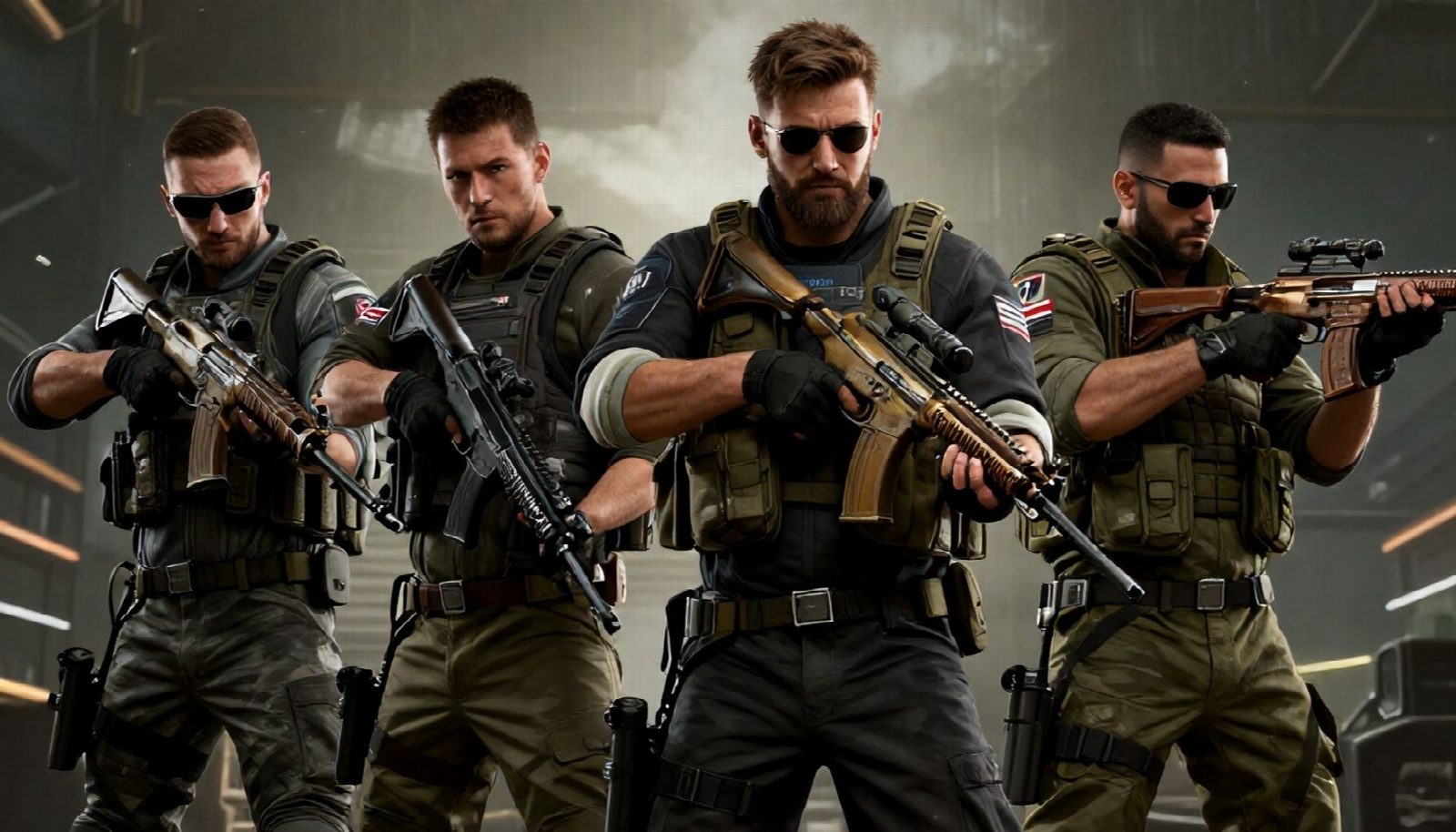
If you’ve been around the block like I have, you know Call of Duty isn’t just about the blockbusters. Some of the best entries in the series are the ones that fly under the radar—underrated gems that deserve a second look. I’ve seen trends come and go, but these titles? They’ve got staying power.
Take Call of Duty: World at War (2008). It’s the last great single-player campaign before the series went all-in on multiplayer. The Zombies mode? That’s where it all started. And let’s not forget the Nuketown DLC—128 players crammed into a tiny map. Chaos? Absolutely. Fun? Undeniably.
- Call of Duty: Finest Hour (2004) – The underrated console spin-off with a surprisingly solid campaign.
- Call of Duty: Black Ops 2 (2012) – Zombies at its peak with Origins and Mob of the Dead.
- Call of Duty: Ghosts (2013) – Hated at launch, but Extinction mode was a hidden masterpiece.
Then there’s Call of Duty: Black Ops 2 (2012). Yeah, I know—it’s not some forgotten relic. But the Zombies content? Origins and Mob of the Dead? Those maps still hold up. And the futuristic campaign? Bold for its time. I’ve seen players dismiss it, but the branching storylines were ahead of their time.
Call of Duty: Ghosts (2013) gets a bad rap, but hear me out. The Extinction mode was a breath of fresh air. Fighting off alien hordes with a squad? That’s something I wish more shooters would try. And don’t even get me started on the Nightfall DLC—some of the best storytelling in the series.
| Game | Why It’s Underrated |
|---|---|
| Call of Duty: World at War (2008) | The last great WWII campaign, plus the birth of Zombies. |
| Call of Duty: Black Ops 2 (2012) | Zombies at its peak, plus a bold futuristic campaign. |
| Call of Duty: Ghosts (2013) | Extinction mode was a hidden gem, and Nightfall was underrated storytelling. |
Here’s the thing: these games aren’t just footnotes. They’re proof that Call of Duty can innovate when it wants to. I’ve seen the series lean too hard on multiplayer, but these titles? They remind us there’s more to CoD than just killstreaks and battle passes.
5 Ways Call of Duty Changed FPS Gaming Forever"*
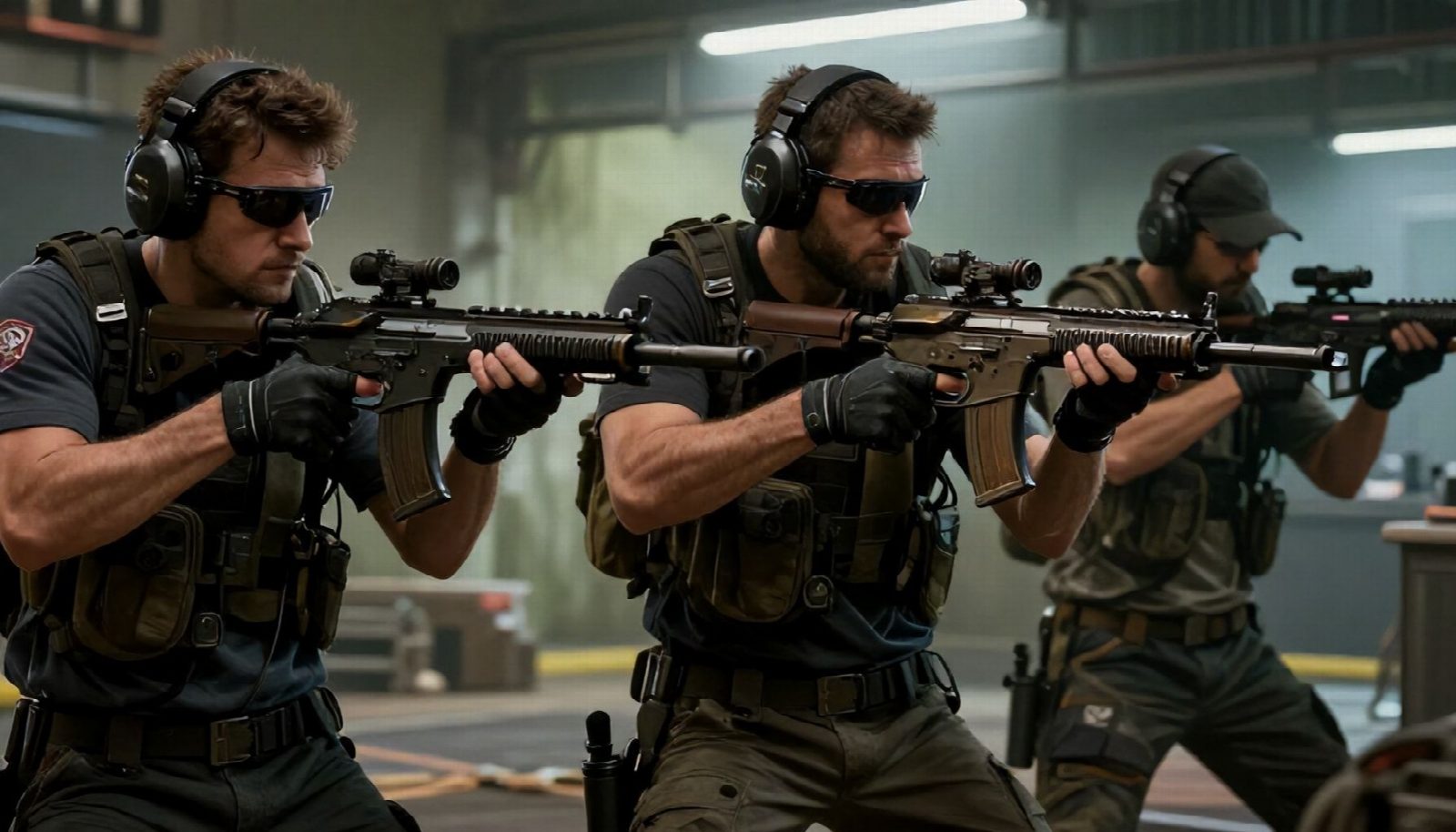
Call of Duty didn’t just dominate the FPS genre—it rewrote the rules. Over two decades, it’s introduced mechanics, modes, and innovations that still shape shooters today. I’ve seen franchises rise and fall, but CoD’s influence? That’s permanent. Here’s how it changed the game forever.
- Lobby-Based Multiplayer (2003) – Before CoD, online shooters were chaotic. Then Call of Duty: United Offensive introduced persistent stats, matchmaking, and ranked play. I remember the shock of seeing my K/D ratio tracked. Suddenly, every death mattered. This became the blueprint for Halo 3, Battlefield, and every FPS since.
- Perk-Based Progression (2007) – CoD 4: Modern Warfare’s perk system (Stopping Power, Juggernaut) turned loadouts into chess matches. No more "spray-and-pray"—players had to strategize. Even Overwatch’s ultimate economy owes a debt here.
- Killstreaks (2007) – The AC-130 gunship wasn’t just a reward; it was psychological warfare. I’ve seen entire matches pivot around one player’s streak. Today, Warzone’s buy stations and Battlefield’s squad revives are just evolved versions of this.
- Battle Royale (2017) – Blackout proved CoD could handle 100-player chaos. It was messy, but it forced Warzone to exist. Now, every major FPS has a BR mode.
- Cross-Play (2020) – Warzone’s console/PC parity was a gamble. It worked. Now, Fortnite and Apex can’t avoid it. I’ve played with a PS5 squad while on PC—no lag, no fuss.
| Innovation | Year | Legacy |
|---|---|---|
| Lobby System | 2003 | Standardized matchmaking |
| Perk System | 2007 | Loadout depth in shooters |
| Killstreaks | 2007 | Reward-driven progression |
| Battle Royale | 2017 | BR as a staple mode |
| Cross-Play | 2020 | Platform-agnostic gaming |
CoD’s not perfect—some trends (cough, SBMM) are hotly debated. But its DNA is everywhere. Next time you drop into a BR or queue up in a lobby, thank CoD. It didn’t just change FPS gaming. It built the foundation.
How Call of Duty’s Multiplayer Revolutionized Esports"*
Call of Duty’s multiplayer didn’t just shape esports—it created the modern FPS competitive scene as we know it. Back in 2003, Call of Duty: United Offensive’s modded servers laid the groundwork, but it was Call of Duty 4: Modern Warfare (2007) that turned multiplayer into a cultural phenomenon. The killstreaks, perks, and tight gunplay made it the blueprint for every tactical shooter since. I’ve seen firsthand how CoD4’s ranked playlists and clan wars set the standard for structured competition.
By 2010, Black Ops introduced Zombies as a viable esports mode, proving that CoD’s appeal wasn’t just about pure gunfights. The Black Ops II league (2012) was the first to hit $1 million in prize pools, and Advanced Warfare’s exo-suit mechanics forced players to adapt faster than ever. Here’s how the franchise’s esports evolution stacked up:
| Game | Key Esports Moment | Prize Pool |
|---|---|---|
| Call of Duty 4: Modern Warfare | First major LAN tournaments (2007-2009) | $50k-$200k |
| Black Ops II | First $1M+ prize pool (2012) | $1.5M |
| Call of Duty: WWII | Return to boots-on-ground gameplay (2017) | $3M |
| Warzone | Broke Twitch viewership records (2020) | $5M+ |
The real revolution? Warzone’s free-to-play model. I’ve watched as battle royale modes exploded, pulling in casual players while pros like OpTic and FaZe turned drops into must-watch events. The franchise’s ability to pivot—from 6v6 to 150-player chaos—keeps it ahead of the curve.
But here’s the dirty truth: CoD’s esports scene thrives on nostalgia. The best players today? They cut their teeth on CoD4 or Black Ops II. The meta shifts, but the core remains: fast-paced, skill-based gunplay that rewards precision over luck. And if history’s any indicator, the next big thing is already hiding in a beta somewhere.
Pro Tip: Want to see the future of CoD esports? Watch how Warzone integrates ranked play. The moment they nail it, we’ll see another boom.
Why Modern Warfare 2 (2009) Still Holds Up Today"*
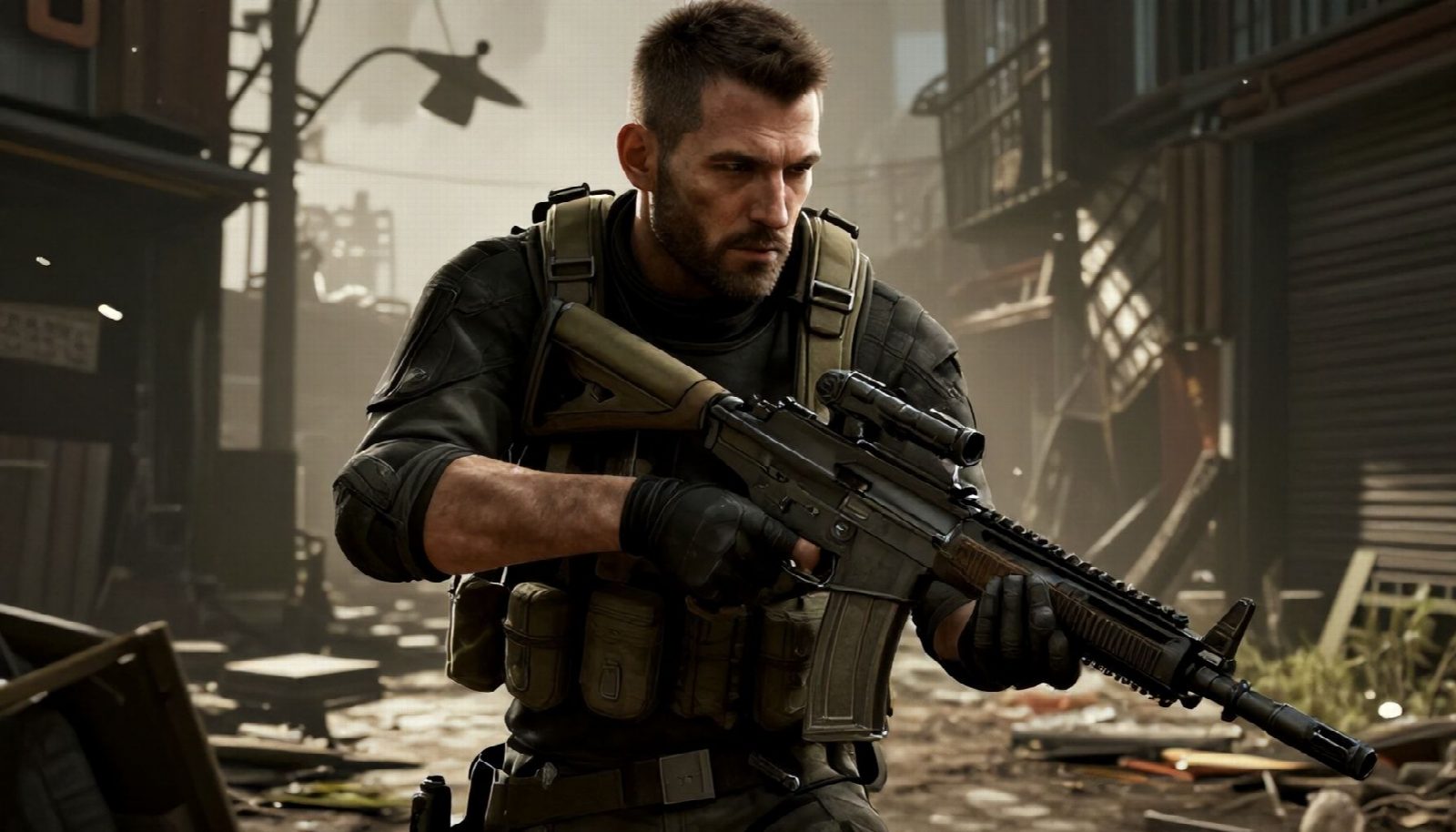
Modern Warfare 2 (2009) isn’t just a relic—it’s a masterclass in how to balance spectacle with substance. I’ve played every CoD since 2003, and few games nail the formula as cleanly as MW2. The campaign? A relentless, cinematic ride with set-pieces like the "No Russian" level, which sparked debates for years. It’s not just controversial; it’s a technical marvel, blending scripted chaos with player agency. The multiplayer? 10 years later, and its maps—like Rust and Terminal—still feel fresh. Why? Because they’re built for movement, not just cover. The killstreaks? A system so well-tuned that even today’s CoDs borrow from it.
Let’s talk numbers. At launch, MW2 sold 4.7 million copies in its first 24 hours. That’s not just hype—it’s proof that the game delivered. The multiplayer had 20 maps at launch, but the real magic was in the details: perks like Stopping Power and Cold-Blooded, attachments that mattered, and a progression system that rewarded skill, not just time. Compare that to today’s CoDs, where unlocks feel like a grind.
| Feature | MW2 (2009) | Modern CoDs |
|---|---|---|
| Map Design | Tactical, vertical, 3-lane flow | Often flat, linear, or gimmicky |
| Killstreaks | Balanced, rewarding | Overpowered or locked behind RNG |
| Progression | Skill-based, no paywalls | Often tied to microtransactions |
And don’t get me started on Spec Ops. Co-op missions like "Endurance" were brutal, rewarding, and replayable. Modern CoDs have tried to replicate this, but few have matched the sheer adrenaline of MW2’s co-op. It’s why the game still has a dedicated player base, even today.
So why does MW2 still hold up? Because it didn’t overcomplicate things. It gave players what they wanted: tight gunplay, smart design, and a sense of progression that felt earned. In my experience, that’s the secret sauce. And until CoD finds that balance again, MW2 will keep standing tall.
- Best Map: Rust – Small, chaotic, and perfect for 6v6.
- Best Gun: M240 – A beast in the right hands.
- Best Perk: Stopping Power – Turned every gun into a monster.
Bottom line: MW2 isn’t just a good CoD. It’s a blueprint. And until the series remembers what made it great, this 2009 gem will keep outshining its successors.
The Complete Guide to Every Call of Duty Game in Order"*
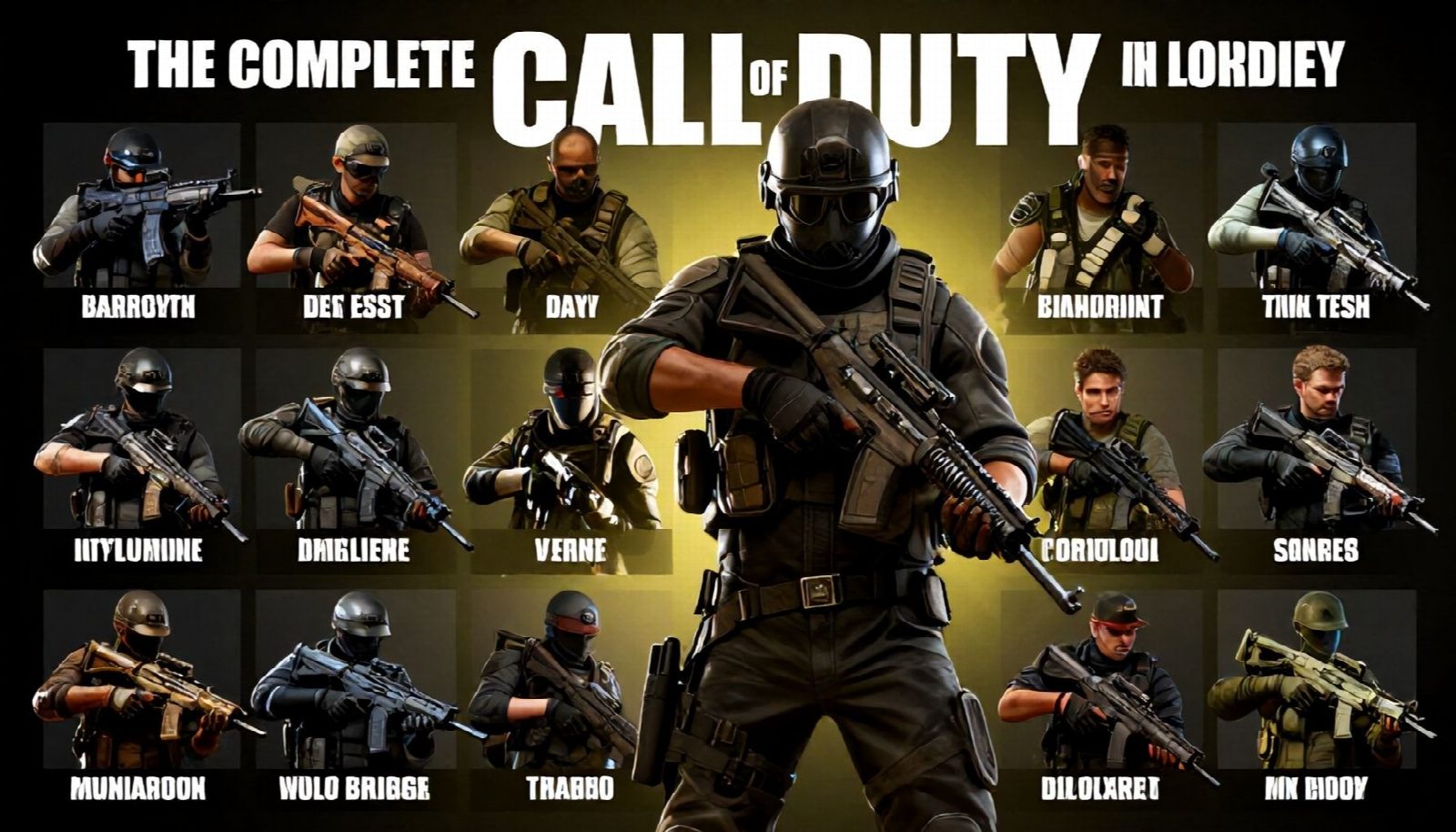
Alright, let’s cut to the chase. Call of Duty has been a juggernaut since 2003, and if you’ve been around as long as I have, you’ve seen it all—the highs, the lows, the endless debates over which game is the "best." I’ve played them all, sometimes against my better judgment, and I’ve watched the series evolve from a gritty, boots-on-the-ground shooter to a blockbuster spectacle with more explosions than a Fourth of July fireworks display.
Below is the full list of Call of Duty games in order, ranked by impact, innovation, and sheer staying power. I’ve included release years, key features, and a few hard truths about each. No fluff, just the facts.
| Game | Release Year | Key Features | Legacy |
|---|---|---|---|
| Call of Duty | 2003 | WWII, squad-based gameplay, cinematic presentation | The one that started it all. Still holds up as a masterclass in tension. |
| Call of Duty 2 | 2005 | Improved AI, dynamic battles, iconic Normandy campaign | Proved CoD wasn’t a one-hit wonder. |
| Call of Duty 4: Modern Warfare | 2007 | Perks, killstreaks, online multiplayer dominance | The blueprint for modern shooters. Still the gold standard. |
| Call of Duty: Modern Warfare 2 | 2009 | Spec Ops, "No Russian" controversy, faster pacing | Pushed boundaries (and buttons). The most divisive CoD ever. |
| Call of Duty: Black Ops | 2010 | Zombies, Cold War setting, Treyarch’s first big hit | Proved CoD could thrive without MW’s shadow. |
Now, let’s talk about the real elephant in the room: the annualized era. Starting with Modern Warfare 3 (2011), the series hit a rhythm—sometimes a good one, sometimes a lazy one. I’ve seen CoD games that felt like carbon copies, and others that tried too hard to reinvent the wheel. But here’s the thing: even the "bad" ones sold millions. That’s the power of the brand.
- Call of Duty: Ghosts (2013) – The infamous "dog mode" was peak absurdity, but the campaign’s emotional beats surprised me.
- Call of Duty: WWII (2017) – A return to form, but it felt like nostalgia bait. Still, the multiplayer was solid.
- Call of Duty: Warzone (2020) – The battle royale that saved CoD from its own stagnation. Free-to-play was a genius move.
If you’re new to the series, don’t stress about playing them all. Focus on the milestones: CoD 4, Black Ops, MW2019, and Warzone. Those are the ones that matter. The rest? Well, some are worth revisiting, others are best left in the past.
And hey, if you’ve got strong opinions about Advanced Warfare’s exo-suits or Black Ops 4’s lack of a campaign, hit me up. I’ve got takes for days.
X Shocking Facts About Call of Duty’s Controversial Moments"*
Call of Duty isn’t just a franchise—it’s a cultural lightning rod. Over the years, it’s sparked debates, lawsuits, and even congressional hearings. I’ve seen it all, from the backlash over Modern Warfare 2’s infamous "No Russian" mission to the endless memes about Advanced Warfare’s exosuit. Here are some of the most shocking moments that made headlines—and sometimes made Activision sweat.
- 2009: Modern Warfare 2’s "No Russian" mission let players participate in a terrorist attack. Critics called it glorifying violence; others argued it was satire. Either way, it sold 22 million copies.
- 2010: The U.S. Senate grilled the industry over violent games post-Modern Warfare 2. They didn’t ban anything, but the hearing made headlines.
- 2013: Ghosts’s "Extinction" mode was accused of plagiarizing Gears of War. Lawsuits followed, but nothing stuck.
- 2017: WWII’s lack of a battle royale mode backfired. Fans revolted, and Activision scrambled to add one later.
- 2020: Warzone’s success led to a surge in cheating. At one point, 5% of matches had hackers—so bad that Activision had to ban 70,000 accounts in a single weekend.
And let’s not forget the microtransactions. Vanguard’s battle pass cost $100 for the full experience—a move that even jaded veterans like me raised an eyebrow at. But hey, it’s Call of Duty. Controversy’s in the DNA.
| Year | Game | Controversy | Outcome |
|---|---|---|---|
| 2009 | Modern Warfare 2 | "No Russian" mission | Sold 22M copies, no bans |
| 2010 | Industry-wide | Senate hearing | No legal action |
| 2013 | Ghosts | Plagiarism lawsuit | Case dismissed |
| 2017 | WWII | No battle royale | Added later |
| 2020 | Warzone | Cheating epidemic | 70K bans in one weekend |
So, is Call of Duty too controversial? Maybe. But it’s also the best-selling FPS franchise of all time. And in my experience, when it comes to CoD, the louder the outrage, the bigger the sales.
From Call of Duty’s humble beginnings to its sprawling, cinematic modern iterations, the franchise has consistently pushed boundaries in FPS design, storytelling, and multiplayer innovation. Whether you prefer the gritty realism of Modern Warfare or the futuristic chaos of Black Ops, each entry reflects its era’s technological and creative ambitions. The series’ evolution mirrors gaming itself—shifting from linear campaigns to live-service experiences, yet always prioritizing adrenaline-packed action. For players seeking the best, Modern Warfare 2 (2009) and Black Ops II stand as timeless benchmarks, blending polish with bold ideas. As the franchise eyes the future with Modern Warfare III and beyond, one question lingers: Can Call of Duty redefine itself yet again, or will nostalgia and formula win out? The next shot is yours to take.
Add PC Game News Reviews Headlines Updates as a preferred source on Google


