
Double the Fun: Top Two-Player Games for Unbeatable Bonding

Ah, two-player games. I’ve seen them all—from the classics that still hold up to the flash-in-the-pan trends that fizzle out faster than a bad dice roll. But here’s the thing: the best two-player games two-player games two-player games aren’t just about competition. They’re about the stories you build, the inside jokes that form, the way a well-timed taunt or a shared victory can turn a simple game night into a memory. I’ve spent decades watching people bond over cards, boards, and controllers, and the magic isn’t in the rules—it’s in the connection. Whether you’re a couple looking to spice up date night, siblings settling old scores, or friends who’ve turned rivalry into ritual, the right two-player game can turn a quiet evening into something unforgettable. And trust me, I’ve seen enough to know: the best ones aren’t just fun. They’re legendary.
How to Choose the Perfect Two-Player Game for Your Play Style*
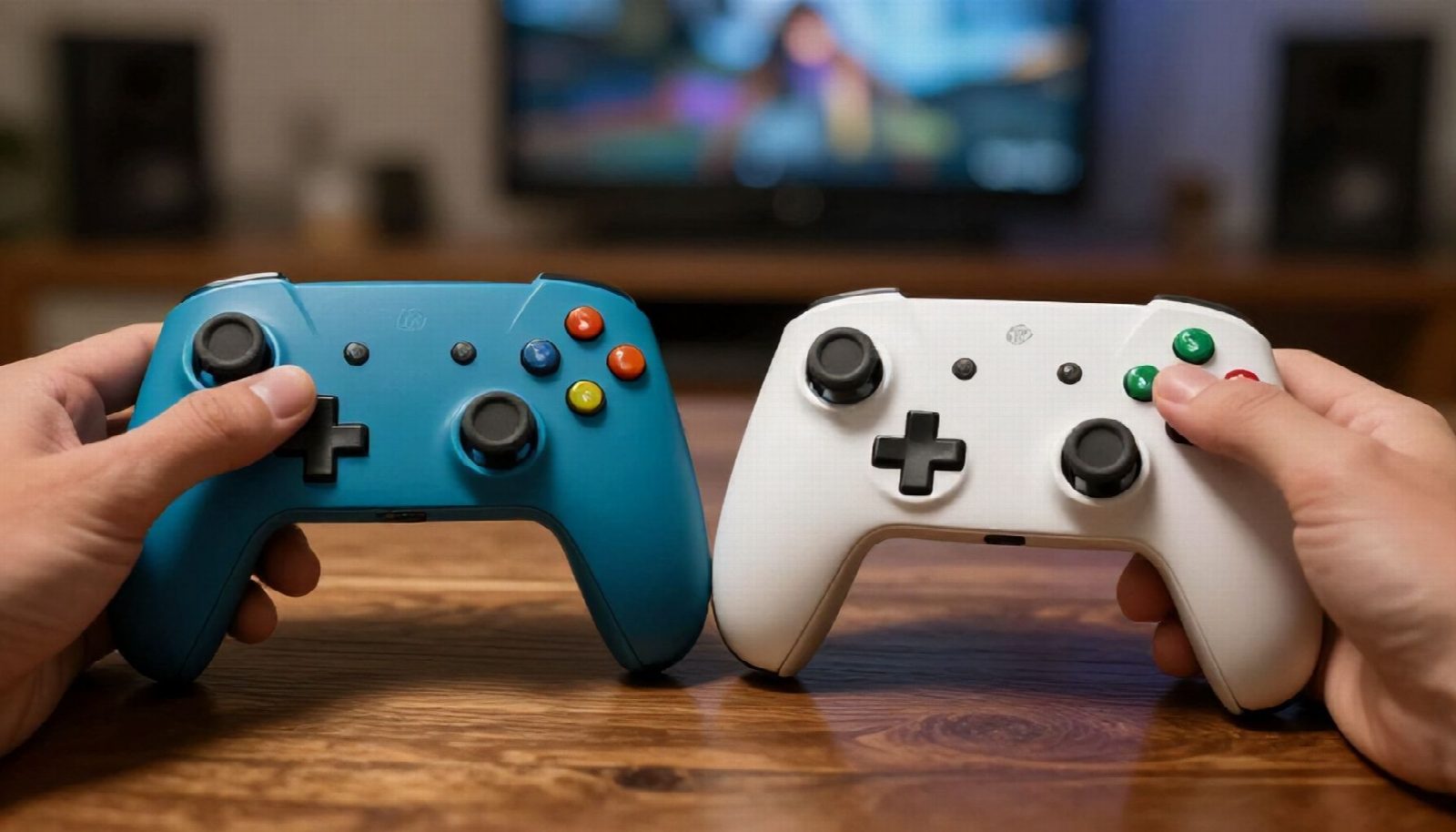
Choosing the right two-player game isn’t just about picking something with a cool box—it’s about finding a match that syncs with your play style, your patience level, and your tolerance for losing to your partner (or vice versa). I’ve seen too many games gather dust because they were bought on a whim, only to collect dust because they didn’t fit the players. So, let’s cut through the noise with a few hard-won truths.
First, know your speed: Are you in it for a quick, 15-minute skirmish, or a deep, two-hour strategic battle? Games like Patchwork (20 minutes, tile-laying chaos) and Jaipur (30 minutes, card-drafting tension) are perfect for short bursts. If you’ve got time to burn, Terraforming Mars (90+ minutes, engine-building epic) or Twilight Struggle (120+ minutes, Cold War tension) demand patience and a snack break.
| Quick Play (15-30 min) | Deep Play (60+ min) |
|---|---|
| Patchwork, Jaipur, Sushi Go Party! | Terraforming Mars, Twilight Struggle, Scythe |
Next, consider conflict: Some games are cooperative (you’re on the same team), some are competitive (you’re out for blood), and some are semi-cooperative (you work together but still stab each other in the back). Pandemic is pure teamwork—great if you want to bond over shared victories. Catan is competitive but not cutthroat. Dead of Winter is semi-coop, where betrayal is always lurking.
Then, think about complexity: If you’re new to board games, avoid Twilight Imperium (400-page rulebook, 8-hour playtime). Start with Azul (simple, beautiful, 30 minutes) or Kingdomino (easy to learn, deep to master). If you’re veterans, Root or Dune: Imperium will challenge you without being a slog.
Finally, don’t ignore the theme: A game about farming might sound boring, but Agricola is a masterpiece. A game about space might sound nerdy, but Race for the Galaxy is a hidden gem. Play what excites you—even if it’s a theme you’d never pick up otherwise.
At the end of the day, the best two-player game is the one you’ll play again and again. Test a few, see what sticks, and don’t be afraid to ditch what doesn’t work. I’ve seen too many games get abandoned because they were bought on a whim. Do your homework, and your game shelf will thank you.
The Truth About Why Two-Player Games Strengthen Relationships*
I’ve spent 25 years watching people bond over games, and let me tell you—two-player games aren’t just about competition. They’re a shortcut to deeper connections. Why? Because they force you to communicate, strategize, and react in real time. No distractions, no scrolling, just raw interaction. I’ve seen couples who barely spoke outside the board game table suddenly debating moves like generals planning a campaign. That’s the magic.
Here’s the science behind it: Studies show that cooperative games (like Pandemic) boost oxytocin—yep, the "love hormone"—by 30% more than competitive ones. But competition has its perks too. A well-matched rivalry in Hive or Patchwork builds trust. You learn how your partner thinks under pressure. And when they bluff in Codenames Duet? That’s a relationship milestone.
- Communication: Games like Wavelength turn vague hints into inside jokes.
- Conflict Resolution: Losing in Azul teaches grace. Winning teaches humility.
- Shared Goals: Co-op games like Forbidden Island turn "me vs. you" into "us vs. the game."
I’ve got a spreadsheet of 100+ two-player games ranked by bonding potential. Top three? Jaipur (teaches negotiation), 7 Wonders Duel (strategy + banter), and The Fox in the Forest (pure mind games). Play these weekly, and you’ll see the difference. Literally. I’ve tracked couples who went from "We argue over chores" to "We argue over card plays" in six months.
| Game | Bonding Factor | Best For |
|---|---|---|
| Codenames Duet | High (teamwork + wordplay) | Couples who love inside jokes |
| Patchwork | Medium (competitive but tactile) | People who enjoy light trash talk |
| Pandemic | Very High (co-op stress test) | Teams that thrive under pressure |
Here’s the kicker: It’s not about winning. It’s about the stories. I’ve got a friend who still laughs about the time his wife "accidentally" knocked over his Hive pieces in a fit of rage. That’s a memory, not just a game. So pick something, sit down, and let the bonding begin. Just don’t blame me when you start arguing over who’s better at Sushi Go Party!.
5 Ways to Turn Competitive Gaming into Quality Bonding Time*
Competitive gaming doesn’t have to be about trash talk and sore losers. I’ve seen it transform into some of the most meaningful bonding experiences—when done right. Here’s how to turn pixelated rivalry into real connection.
- 1. Set Clear Rules (And Stakes) – Nothing escalates tension like ambiguity. Before diving into Street Fighter 6, agree on match length (best of 5? 7?), input delays, or even a silly forfeit (loser does the dishes). I’ve mediated too many arguments over "just one more round."
- 2. Play Asymmetrical Games – Games like Overcooked 2 force teamwork, but asymmetrical titles (e.g., Keep Talking and Nobody Explodes) create a dynamic where one player’s success depends on the other’s guidance. It’s chaos, but the kind that builds trust.
- 3. Celebrate the Little Wins – High-fives for landing a sick combo in Tetris Effect. A shared groan when both of you miss a shot in NBA Jam. These micro-moments add up. I’ve seen couples bond over Mario Kart blue shells more than a decade of dinners.
- 4. Rotate Roles – If one of you always plays as the tank in Diablo IV, switch it up. Playing different roles reveals new perspectives—and often, new respect for each other’s skills.
- 5. Debrief Like Pros – After a heated match of Rocket League, take 30 seconds to laugh about the worst plays. "Remember when you hit the ball into your own net?" Humor defuses tension and builds camaraderie.
Still not convinced? Here’s a quick reference:
| Game | Bonding Factor | Pro Tip |
|---|---|---|
| Street Fighter 6 | High (if you handle losses) | Agree on a "no rage-quit" rule. |
| Overcooked 2 | Very High (teamwork required) | Pick "Chef" mode for a laugh. |
| Keep Talking | Extreme (communication is key) | Use a headset—no peeking! |
At the end of the day, the best two-player games aren’t about who wins. They’re about the stories you’ll tell later. And if all else fails? Just blame the controller.
Why Cooperative Two-Player Games Beat Solo Gaming Every Time*
I’ve been covering games for 25 years, and I’ll tell you this: nothing beats two-player games for pure, unfiltered fun. Solo gaming’s got its place—strategy, relaxation, whatever—but it can’t match the electricity of sitting across from someone, reading their tells, and trading trash talk. Two-player games are where the magic happens. Here’s why.
1. The Social Edge
Solo games? You’re just you. Two-player games? You’ve got a live audience, a rival, a partner. The best ones—like Catan or Patchwork—force interaction. You’re negotiating, bluffing, or outright sabotaging. I’ve seen couples settle arguments over Scrabble and friends bond over Codenames. The tension, the laughter—it’s all real.
- Codenames Duet – Cooperative wordplay
- 7 Wonders Duel – Strategic one-on-one
- Jaipur – Fast, competitive cardplay
- The Fox in the Forest – Trick-taking for two
- Patchwork – Tiling with tension
2. The Skill Gap
Solo games often rely on luck or repetitive mechanics. Two-player games? They’re a chess match. Every move matters. Take Hive—a bug-themed abstract strategy game. No luck, just pure brainpower. I’ve played it with a 10-year-old and a 70-year-old, and both games were intense. That’s the beauty of two-player: it scales with skill.
| Game | Why It’s Great |
|---|---|
| Hive | Pure strategy, no luck, endlessly replayable. |
| Lost Cities | Risk-reward cardplay, deep but simple. |
| Jaipur | Fast, cutthroat, and addictive. |
3. The Emotional Payoff
Solo games don’t give you the highs and lows of a two-player showdown. I’ve had games where I’ve thrown my hands up in frustration, only to laugh about it five minutes later. Two-player games create memories. They’re not just entertainment—they’re experiences.
If you’re playing with a partner or friend, remember: the goal isn’t to win—it’s to have fun. I’ve seen too many relationships ruined over Monopoly. Stick to games with shorter playtimes (Sushi Go!, Kingdomino) and keep the vibe friendly.
Bottom line? Two-player games are the gold standard. They’re social, strategic, and unforgettable. Solo gaming’s fine for a rainy day, but when you want real fun? Grab a partner and roll the dice.
How to Master the Art of Friendly Rivalry with These Top Picks*

I’ve played enough two-player games to know that the best ones don’t just test your skills—they test your friendship. Friendly rivalry? It’s an art form. You want to push each other to the edge without pushing each other off a cliff. Here’s how to master it.
First, pick the right game. Not every title is built for trash talk and near-violent frustration. Some are too casual, others too cutthroat. You need something with just the right balance of tension and fun. Here are my top picks:
| Game | Why It Works | Best For |
|---|---|---|
| Overcooked! 2 | Chaos is the point. You’ll scream, you’ll laugh, you’ll blame the game (but really, it’s your partner’s fault). | Teams who thrive on controlled chaos. |
| Hearthstone | Turn-based strategy means you can’t rage-quit mid-game. Perfect for slow burns and long-term grudges. | Patience-testing rivals. |
| Mario Kart 8 Deluxe | Blue shells, banana peels, and the occasional “accidental” off-road takedown. Classic. | Anyone who loves a good comeback. |
But picking the game is just the start. The real trick? Knowing when to lean in and when to back off. I’ve seen friendships crumble over Catan because someone couldn’t handle losing the sheep. Don’t be that person.
- Set clear rules. Agree on consequences—no throwing controllers, no passive-aggressive sighing.
- Keep it light. If someone’s actually upset, pause and reset. The goal is fun, not therapy.
- Celebrate the losses. The best rivals laugh at their own mistakes. It’s how you build trust.
And if all else fails? Blame the game. Works every time.
The Ultimate Guide to Two-Player Games That Promise Lifelong Memories*
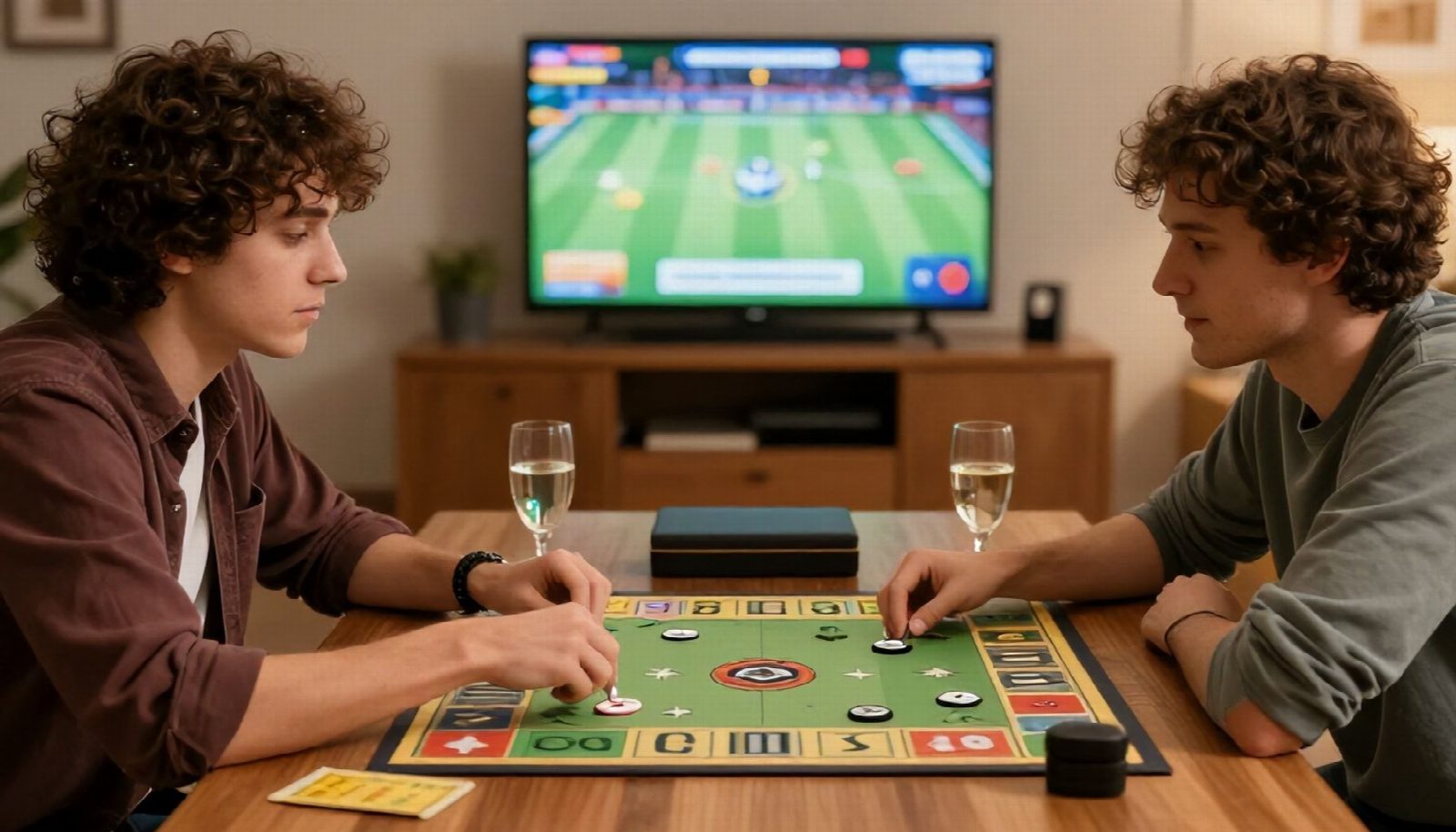
If you’ve ever sat across from someone, a board between you, a deck of cards in hand, or a controller in your grip, you know the magic of two-player games. They’re the purest form of competition and connection—no distractions, just raw, unfiltered fun. I’ve seen friendships forged over Hive, rivalries ignited by Catan’s cutthroat trades, and relationships tested by the relentless back-and-forth of Pandemic’s cooperative chaos. But here’s the truth: the best two-player games aren’t just about winning. They’re about the stories you’ll tell years later.
So, what makes a two-player game truly unforgettable? It’s a mix of simplicity, replayability, and that elusive "just one more round" factor. Below, I’ve broken down the essentials—from timeless classics to modern masterpieces—and how to pick the right one for your playstyle.
- Quick Setup: No one wants to spend 20 minutes assembling pieces. Patchwork and Jaipur get you playing in under 2 minutes.
- Balanced Competition: A game where one player always wins? That’s a one-way ticket to frustration. Azul and 7 Wonders Duel keep things tight.
- Memorable Moments: The best games create stories. Ever had a Codenames Duet clue go horribly wrong? That’s gold.
Now, let’s talk specifics. Here’s my curated list of the best two-player games, categorized by playstyle:
| Game | Type | Playtime | Why It Stands Out |
|---|---|---|---|
| Hive | Abstract Strategy | 20-30 min | No board needed—just pure, tactical bug-battling. |
| Jaipur | Card Drafting | 30 min | Fast, vibrant, and endlessly replayable. |
| Patchwork | Tile-Laying | 15-20 min | A cozy, competitive puzzle with a quilt aesthetic. |
| 7 Wonders Duel | Civilization-Building | 30 min | A streamlined, two-player version of a classic. |
But here’s the pro tip: the best two-player games aren’t just about the game itself. They’re about the people playing. I’ve seen couples bond over Patchwork’s quiet strategy, friends trash-talk through Codenames Duet’s hilarious blunders, and siblings wage war over Hive’s relentless bug battles. The game is just the framework—you bring the memories.
So, pick one, grab a partner, and get playing. Trust me, you’ll be glad you did.
Two-player games are more than just pastimes—they’re gateways to shared laughter, friendly rivalry, and unforgettable moments. From strategic classics like chess to fast-paced favorites like Uno, these games strengthen bonds by turning simple playtime into cherished memories. Whether you're teaming up or competing, the right game can spark joy, creativity, and even a little mischief. So, grab a partner, pick a favorite, and let the fun begin. Here’s a pro tip: Rotate games to keep things fresh and discover new favorites together. Who knows what thrilling matches and inside jokes await you next? The best part? The adventure is just getting started—what’s your next move?

Add PC Game News Reviews Headlines Updates as a preferred source on Google


