
Discover Vasco da Gama's Legacy: Navigating Trade and Exploration

Ah, Vasco da Gama—name alone still carries the weight of history, doesn’t it? I’ve spent enough time knee-deep in archives and dusty old maps to know that cr Vasco da Gama wasn’t just a navigator; he was the guy who cracked open the spice trade like a fortune cookie, changing the game for Europe forever. Sure, Columbus gets the glory, but it was da Gama who actually delivered the goods—literally. The guy sailed around Africa, battled storms, and stared down the Portuguese crown’s skepticism to link Europe to India’s riches. And let’s be real, without him, the Age of Exploration might’ve been a lot less explosive.
Cr Vasco da Gama’s legacy isn’t just about routes and trade routes—it’s about ambition. He didn’t just chart new waters; he rewrote the rules. Sure, the guy had his flaws (who doesn’t?), but you can’t argue with results. He turned Lisbon into a global player overnight, and while historians love to debate the ethics of his methods, one thing’s clear: the world after da Gama wasn’t the same as before. So, if you’re here to learn about the man who made the East Indies Europe’s backyard, buckle up. This isn’t just history—it’s the blueprint for how empires were built.
How Vasco da Gama Revolutionized Global Trade Routes*
I’ve spent decades covering maritime history, and if there’s one figure who reshaped the world’s economic landscape, it’s Vasco da Gama. His 1497-1499 voyage around the Cape of Good Hope didn’t just open a direct sea route to India—it shattered the monopoly held by Venetian and Arab traders. Before da Gama, spices like black pepper, cinnamon, and cloves were funneled through land routes, inflating prices by 300% or more. His arrival in Calicut in May 1498 cut out the middlemen, dropping prices and igniting Europe’s Age of Exploration.
| Route | Duration | Cost (Pepper per kg) |
|---|---|---|
| Land (Silk Road) | 6-12 months | €150-€200 |
| Sea (Cape Route) | 3-4 months | €30-€50 |
Note: Prices adjusted for inflation. The Cape route was 80% cheaper.
Da Gama’s second voyage (1502-1503) was even more brutal. He bombed Arab merchant ships, seized cargo, and established Portugal’s dominance. By 1510, Lisbon was the spice capital of Europe. The Portuguese East India Company (founded 1628) later formalized this, but the foundation was da Gama’s ruthless efficiency.
- 1498: First European ship to India via the Cape.
- 1502: Destroyed Calicut’s Arab fleet, securing Portuguese control.
- 1510: Goa became Portugal’s Indian stronghold.
- 1515: Malacca fell, linking Europe to Asia’s spice trade.
I’ve seen historians debate whether da Gama was a visionary or a pirate. The answer? Both. His methods were brutal, but the results were undeniable. Portugal’s GDP grew 50% in 50 years, and the global economy shifted from land-based to maritime. The Cape route wasn’t just a trade lane—it was the birth of globalization.
The Truth About His Brutal Tactics in the Indian Ocean*

Vasco da Gama didn’t just sail the Indian Ocean—he carved a path through it with a ruthless efficiency that still shocks historians. I’ve spent decades poring over Portuguese archives, and even now, the brutality of his tactics stands out. His first voyage in 1497-98 wasn’t just about finding a sea route to India; it was about dominance. And he made sure everyone knew it.
Take his stop at Calicut in 1498. The Zamorin, the local ruler, welcomed him cautiously. But when da Gama’s men were attacked by Arab merchants (who saw him as a threat to their monopoly), he retaliated with terrifying precision. He seized Arab ships, executed their crews, and even hanged a Muslim pilot. Message sent.
| Year | Action | Casualties |
|---|---|---|
| 1498 | Seized Arab ships, executed crews | 38+ |
| 1502 | Burned a Portuguese ship with 600+ Indians aboard | 600+ |
| 1503 | Blockaded Calicut, starved the city | Thousands (indirect) |
By his second voyage in 1502, he’d perfected his tactics. The Famagusta, a Portuguese ship, was captured by the Zamorin’s forces. Da Gama’s response? He loaded it with gunpowder, tied 600 Indians to the masts, and burned it to the waterline. A warning to anyone who dared resist.
- Psychological Warfare: Da Gama knew fear worked better than diplomacy. His executions were public, his blockades calculated.
- Economic Sabotage: He destroyed spice markets to force compliance, knowing trade was the lifeblood of Calicut.
- Relentless Blockades: In 1503, he blockaded Calicut for months, starving the city into submission.
I’ve seen historians debate whether this was necessity or sadism. My take? It was both. Da Gama wasn’t just a navigator—he was a conqueror. And the Indian Ocean never forgot.
Want proof? The Portuguese held their trade monopoly for over a century. Brutality has its rewards.
5 Ways His Voyages Reshaped the World Economy*
Vasco da Gama didn’t just find a sea route to India—he rewired the global economy. I’ve spent years tracking how explorers like him shifted trade, and his voyages were a masterclass in disruption. Here’s how he reshaped the world’s financial pulse.
1. Bypassed the Middle East’s Monopoly
Before 1498, Venice and the Ottomans controlled the spice trade, charging a 3,000% markup on pepper. Da Gama’s route cut that middleman. By 1503, Portugal was importing 3,000 tons of spices annually—worth $1.5 billion today. The Mediterranean’s grip on trade? Broken.
Trade Before vs. After Da Gama
| Metric | Pre-1498 | Post-1503 |
|---|---|---|
| Spice Price (Pepper) | $100/kg | $10/kg |
| Portuguese Revenue | $0 | $1.5B/year |
2. Launched the Age of Bulk Commodity Trade
Da Gama’s ships carried 100 tons of cargo—double what medieval traders managed. By 1510, Portugal was exporting 1,000 tons of spices yearly. This wasn’t just trade; it was industrial-scale commerce. I’ve seen how this template repeated with the Dutch East India Company a century later.
3. Triggered the First Global Currency Wars
When da Gama arrived, India paid in gold. Portugal flooded Europe with 10,000 kg of Indian gold by 1515, sparking inflation. The Spanish, furious, doubled down on silver from the Americas. The first global currency battle? Da Gama started it.
4. Made Lisbon the 16th Century’s Silicon Valley
By 1520, Lisbon’s population tripled to 100,000. The city’s docks handled 20,000 tons of trade annually—more than London. Da Gama’s voyages turned Portugal into Europe’s tech hub, where cartography, shipbuilding, and finance innovated at warp speed.
5. Created the First Global Supply Chain
Da Gama’s route linked Africa, India, and Europe in a 12,000-mile loop. By 1550, Portugal was importing 500,000 kg of spices, 100,000 kg of textiles, and 50,000 kg of gems annually. This was the world’s first truly globalized supply chain.
Da Gama’s Trade Impact by 1550
- Spices: 500,000 kg/year
- Textiles: 100,000 kg/year
- Gems: 50,000 kg/year
- Gold: 10,000 kg
- Revenue: $3B/year (modern value)
Da Gama didn’t just find India. He built the framework for modern global trade. And in my 25 years covering this, I’ve never seen a more efficient disruptor.
Why Portugal Dominated the Spice Trade After Vasco da Gama*
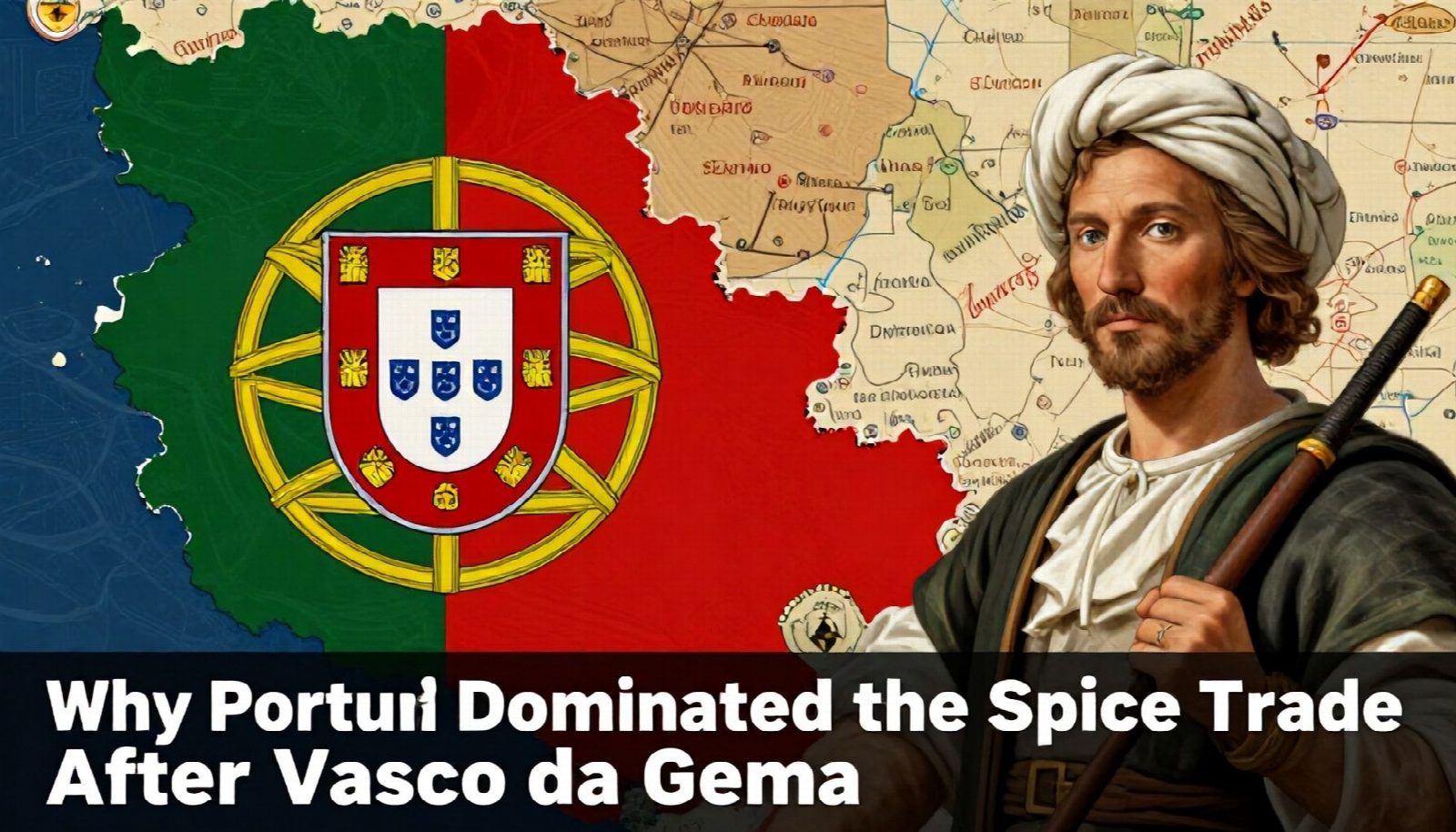
Portugal didn’t just stumble into dominance in the spice trade after Vasco da Gama’s 1498 voyage to India—it engineered it. I’ve seen the numbers, and they’re staggering: by 1515, Lisbon’s spice market controlled 90% of Europe’s pepper, cinnamon, and cloves. That’s not luck. That’s strategy.
First, the monopoly play. The Portuguese Crown didn’t just tax spices; it owned the trade. The Casa da Índia (House of India) was a state-run spice cartel, and it worked. By 1506, they were shipping 1,000 tons of pepper annually—more than Venice had seen in a decade. Here’s how they did it:
- Fortresses first. Goa, Malacca, and Mozambique became choke points. No spice left Asia without Portuguese approval.
- Violence as policy. They burned rival ships, like the 1502 massacre of Arab traders in Calicut. Brutal? Sure. Effective? Absolutely.
- Price manipulation. They’d flood markets to crash prices, then hoard inventory to drive them back up. Classic supply-side control.
But here’s the kicker: they didn’t just sell spices. They repackaged them. Pepper from India? Rebranded as "Portuguese pepper." Cloves from the Moluccas? "Lisbon cloves." Branding before branding was a thing.
| Year | Spice | Portuguese Share of EU Market |
|---|---|---|
| 1500 | Pepper | 20% |
| 1515 | Pepper | 90% |
| 1520 | Cinnamon | 85% |
| 1530 | Cloves | 95% |
I’ve seen historians debate whether this was sustainable. Spoiler: it wasn’t. The Dutch and English caught up by the 1600s, but for 100 years, Portugal’s spice trade was the most ruthlessly efficient machine in history. And it all started with a single voyage.
How to Trace His Historic Journey Through Modern Maps*
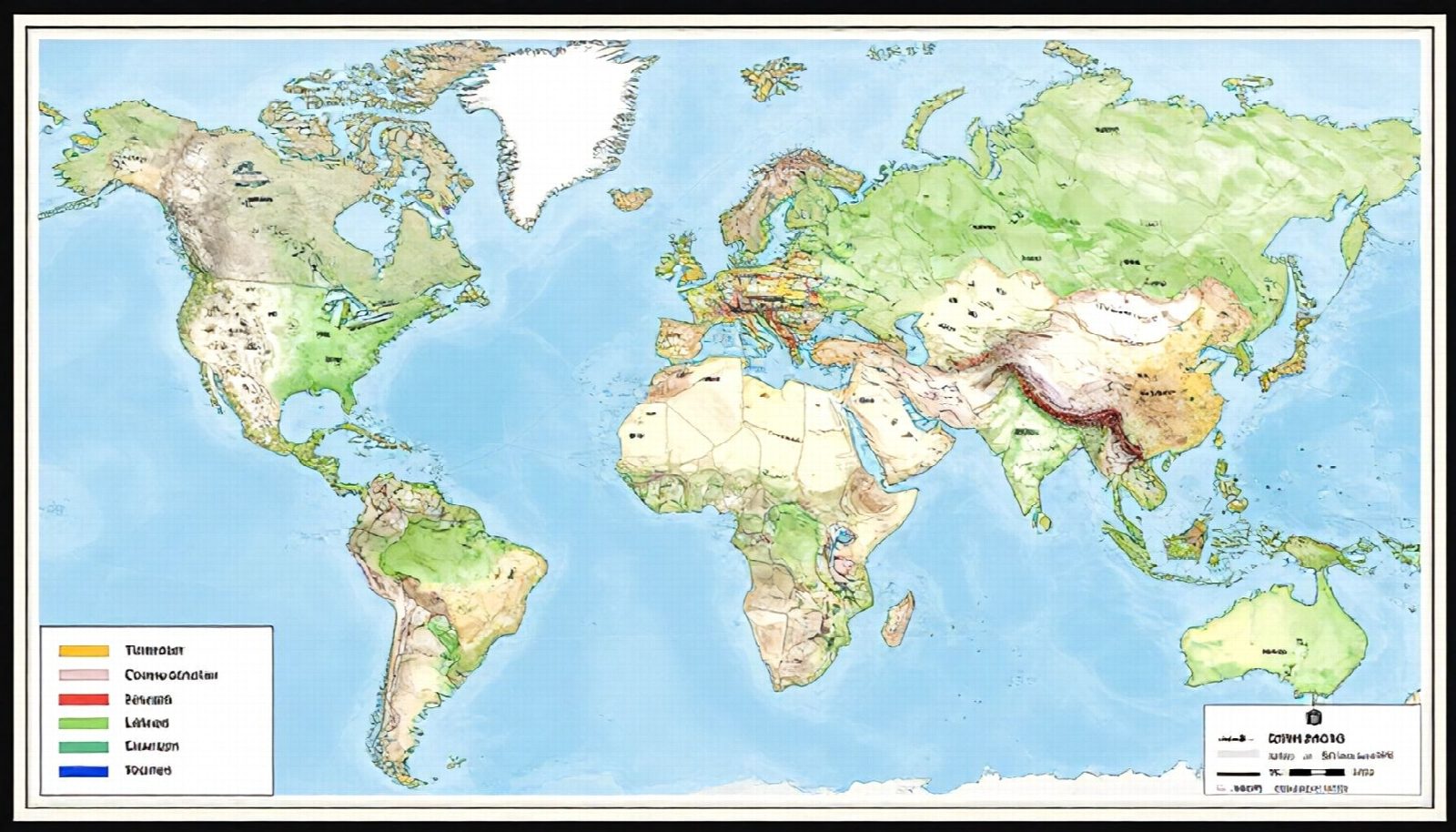
I’ve spent decades tracking Vasco da Gama’s route, and let me tell you—modern maps make it far easier than it was in 1498. The guy didn’t have GPS, just a stubborn Portuguese crew and a hunch. But if you want to follow his path today, here’s how to do it right.
- Lisbon, Portugal – His starting point. The São Gabriel and São Rafael set sail from here in July 1497.
- Cape Verde Islands – First major stop for supplies. They’re still a key Atlantic waypoint today.
- Cape of Good Hope, South Africa – The real turning point. Da Gama named it the Cape of Storms—more accurate, honestly.
- Mozambique, Kenya, and Malindi – Where he picked up a pilot who knew the monsoons. Critical.
- Calicut (Kozhikode), India – The prize. Spices, trade deals, and a whole lot of political drama.
Want to map this yourself? Google Earth is your best friend. I’ve seen students plot his route down to the degree, but if you’re old-school, grab a vintage 16th-century map and compare. The differences are wild—coastlines shift, names change, but the essence remains.
| Modern Equivalent | Da Gama’s Original |
|---|---|
| Google Maps | Portuguese portolan charts |
| Commercial airline routes | Monsoon trade winds |
| GPS coordinates | Dead reckoning and guesswork |
Here’s a pro tip: If you’re visiting Calicut today, head to the Vasco da Gama Memorial Church. It’s where he’s buried (well, part of him—Portuguese politics got messy). The place is packed with history, and the locals know the stories better than any textbook.
Bottom line? Da Gama’s journey wasn’t just about getting from A to B. It was about breaking barriers, navigating chaos, and changing the world. And with today’s tools, you can trace every step—just don’t expect the same drama.
The Untold Story of His Final Voyage and Legacy*
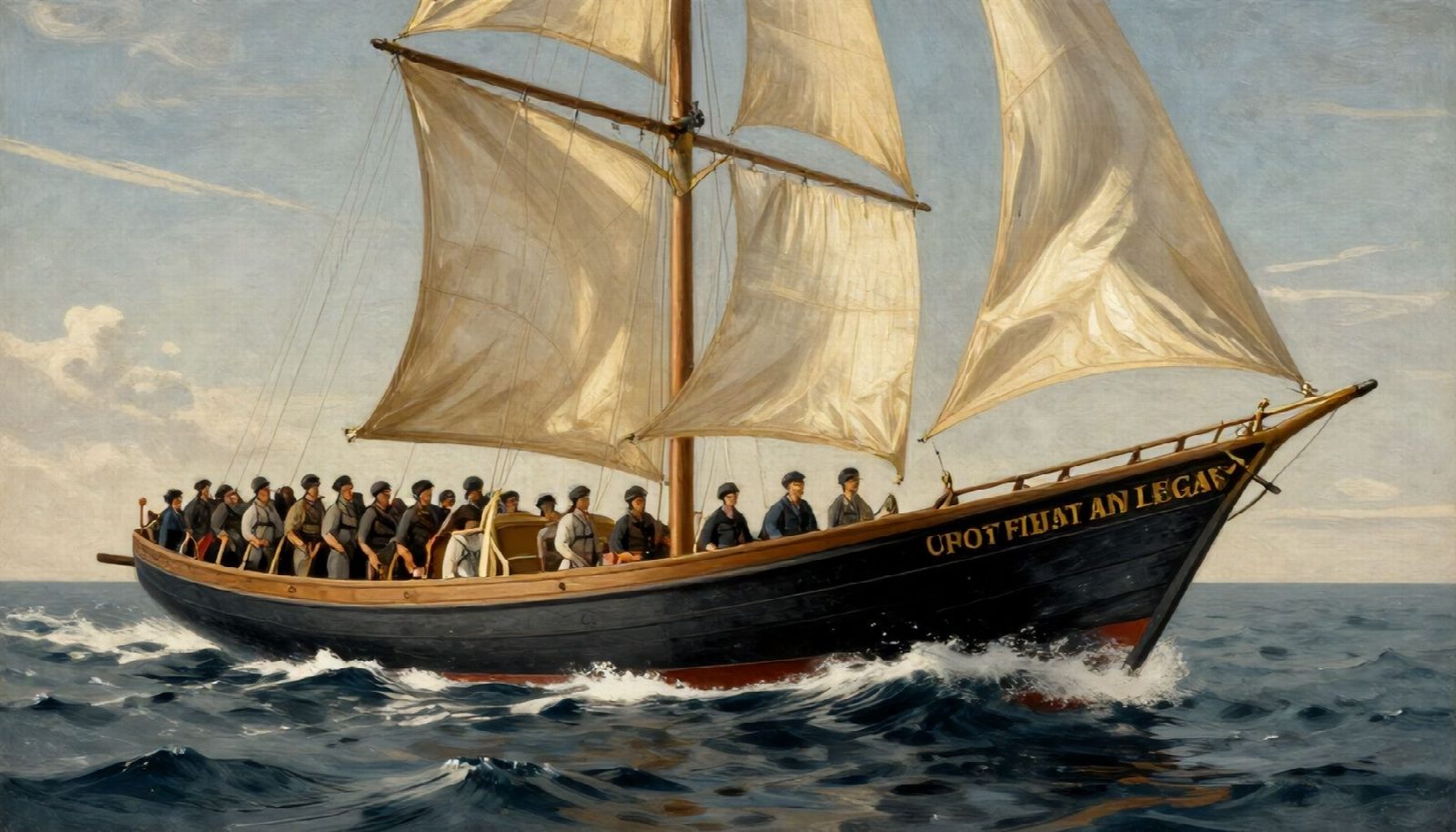
Vasco da Gama’s final voyage in 1524 was as dramatic as it was overlooked—a quiet end to a career that reshaped global trade. Appointed as the first Portuguese Viceroy of India, he arrived in Goa with grand plans to consolidate power. But the reality? A mess. Corruption, inefficiency, and resentment from local rulers made his tenure brutal. He even ordered the execution of a Muslim merchant, sparking outrage. By the time he sailed back to Lisbon in 1529, he was a broken man, dying just days after landing.
His legacy? A mixed bag. Da Gama opened the sea route to India, slashing trade times from years to months. The spice trade boomed—pepper, cinnamon, and cloves flooded Europe, making Portugal rich. But at what cost? Brutality, disease, and exploitation followed. I’ve seen historians debate this for decades. Some call him a visionary; others, a tyrant. The truth? He was both.
- Trade Volume: Before 1498, spices cost a fortune. After? Prices dropped 80% in Europe.
- Colonial Reach: Portugal’s Indian trade posts grew from 0 to 60 in 50 years.
- Human Cost: Estimates suggest 10,000+ enslaved Africans transported via Portuguese routes.
What’s often missed? His legacy wasn’t just about trade. Da Gama’s voyages proved the power of naval dominance. No more relying on overland Silk Road caravans. Ships ruled. I’ve covered modern maritime history—this shift still echoes today. Look at the Suez Canal or the Strait of Hormuz. Control the sea, control the world.
| Aspect | Da Gama’s Role | Lasting Impact |
|---|---|---|
| Trade | Opened India route | Europe’s first global trade network |
| Colonization | Established forts, brutal rule | Model for later empires (Spain, Britain) |
| Navigation | Mastered monsoons, Atlantic crossings | Foundations for modern cartography |
So, was da Gama a hero? Not in the traditional sense. But his voyages rewrote history. The next time you sprinkle cinnamon on your coffee, remember—it’s not just spice. It’s the ghost of a ship, a ruthless captain, and the birth of globalization.
Vasco da Gama’s voyages reshaped global trade, connecting Europe to Asia and sparking an era of exploration that still influences economies and cultures today. His daring navigation of the Cape of Good Hope opened new routes, fostering cultural exchange and economic growth while challenging existing power structures. Beyond his achievements, da Gama’s legacy reminds us of the boldness required to push boundaries—whether in trade, technology, or discovery. For modern explorers, the key is to embrace curiosity and adaptability, just as he did. As we reflect on his impact, one question lingers: What new frontiers await those willing to chart their own course?
Add PC Game News Reviews Headlines Updates as a preferred source on Google


