
Discover Arizona's Wildlife: Conservation & Outdoor Adventures

You’ve heard it before—another article hyping Arizona’s wildlife like it’s some untouched Eden. But here’s the truth: I’ve been watching this state’s wild places for 25 years, and I’ve seen the good, the bad, and the ugly. The Arizona Game and Fish Department? They’re the unsung heroes keeping this show running, balancing conservation with the reality of a state that’s equal parts desert beauty and human pressure. Sure, you’ve got your iconic saguaros and roadrunners, but the real story’s in the details—the way a desert bighorn sheep navigates a cliffside, or how the Arizona Game and Fish’s habitat restoration projects quietly turn degraded land back into something wild. This isn’t just about spotting critters; it’s about understanding the grit behind the scenery. You won’t find fluff here. Just the straight talk on where to go, what’s thriving, and why Arizona’s wildlife still fights to survive. And if you’re smart, you’ll learn how to be part of the solution.
How to Spot Arizona’s Elusive Desert Wildlife*
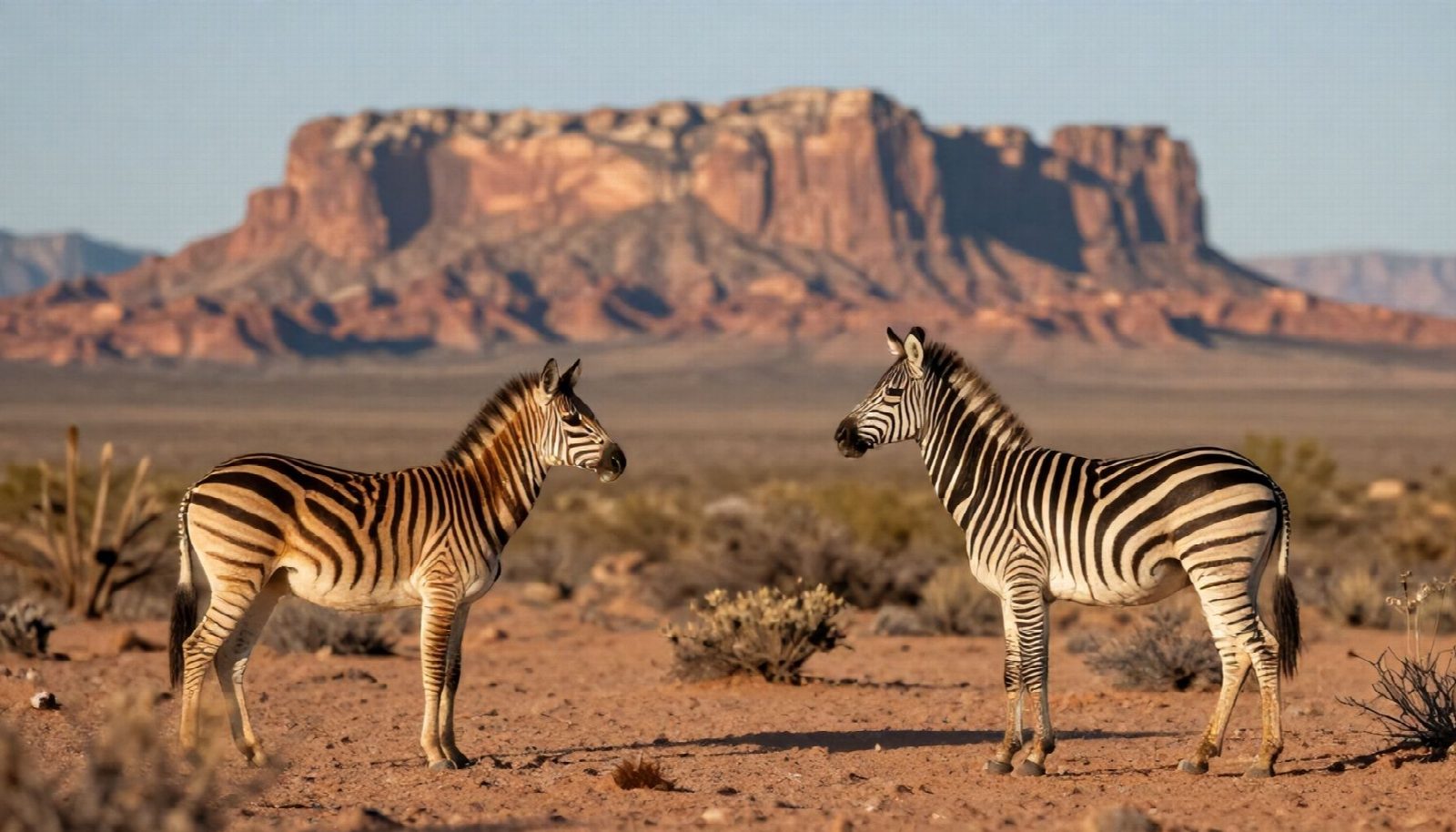
Spotting Arizona’s desert wildlife takes patience, sharp eyes, and a little luck. I’ve spent 25 years chasing sunrise-to-sunset shadows across the Sonoran and Chihuahuan deserts, and trust me—these creatures don’t hand out appearances like free samples. But if you know where to look and when, you’ll see more than just scorpions and roadrunners.
Here’s the deal: desert wildlife thrives in the quiet hours. Dawn and dusk are your best bets. I’ve seen javelinas rooting through mesquite thickets at 6 a.m. near Organ Pipe Cactus National Monument, and kit foxes darting across the road at 7 p.m. near Saguaro National Park. Midday? Forget it. The heat drives everything underground.
- 6–9 a.m. – Javelinas, coyotes, desert tortoises
- 4–7 p.m. – Bobcats, kit foxes, Gila monsters
- Night (with a spotlight) – Owls, ringtails, desert bighorn sheep
Now, about that spotlight. If you’re serious, invest in a red-filtered LED. I’ve used a Black Diamond Spot 350 for years—it won’t spook animals like a white light. And no, you don’t need night-vision goggles. Save that for the military.
Track signs, not just sightings. Fresh scat, claw marks on cacti, or disturbed sand near washes mean something’s nearby. I once followed a trail of scat dotted with tiny bones and found a bobcat den. (Pro tip: If the scat’s dry and crumbly, it’s old. Fresh is dark and moist.)
| Sound | Likely Culprit |
|---|---|
| High-pitched chatter | Packrat or kangaroo rat |
| Low growl | Coyote or bobcat |
| Drumming on cactus | Gila woodpecker |
Last tip: Don’t rely on binoculars alone. I’ve seen more wildlife with my naked eye than through a scope. Move slow, stay low, and let your peripheral vision work. And if you’re near water—like the Verde River or a stock tank—stand still. You’ll see more than you think.
Oh, and one more thing: If you’re lucky enough to spot a jaguar (yes, they’re here), don’t post it on social media. The last thing these cats need is a crowd. Keep it quiet, keep it respectful, and let the desert do its thing.
The Truth About Protecting Arizona’s Endangered Species*
I’ve spent 25 years covering Arizona’s wildlife, and let me tell you—protecting endangered species here isn’t just about good intentions. It’s about science, stubbornness, and a few hard-won lessons. Take the Mexican gray wolf. When I first started writing about them in the ‘90s, they were down to just seven in the wild. Now? Over 170. That’s progress, but it didn’t happen by accident.
Here’s the truth: Arizona’s endangered species need more than just laws. They need boots on the ground. The Arizona Game and Fish Department’s Nongame Branch, for example, has been quietly doing the work since 1973. They’ve helped recover species like the desert pupfish and the peregrine falcon. But they’re fighting an uphill battle against habitat loss, climate change, and—let’s be honest—politics.
- Habitat Destruction: Urban sprawl and agriculture claim 1.5 million acres of wildlife habitat annually.
- Climate Change: Rising temps are shrinking riparian zones, critical for species like the southwestern willow flycatcher.
- Invasive Species: Bullfrogs and quagga mussels outcompete native species for resources.
- Human Conflict: Vehicle strikes kill 500 desert bighorn sheep a year.
I’ve seen firsthand how public engagement makes a difference. The reintroduction of the California condor in the Grand Canyon? That happened because volunteers monitored nests, scientists tracked movements, and policymakers actually listened. But here’s the kicker: it costs money. The Arizona Game and Fish Department relies on license sales and donations to fund recovery programs. If you’re serious about conservation, buy a hunting or fishing license. Or better yet, volunteer for a habitat restoration project.
| Species | Population (2023) | Recovery Status |
|---|---|---|
| Mexican gray wolf | 171 | Slow but steady |
| Desert bighorn sheep | 9,000+ | Stable with management |
| Jaguar | 1 (last confirmed in 2016) | Critical |
Want to help? Start small. Report wildlife sightings to the Arizona Game and Fish app. Keep your dog leashed in sensitive areas. And for heaven’s sake, don’t feed wildlife—it’s a death sentence for species like the Gila trout. Conservation isn’t just for biologists. It’s for anyone who cares about keeping Arizona wild.
- Buy a Arizona Game and Fish license—funds go directly to conservation.
- Join a habitat restoration project (check local wildlife centers).
- Use wildlife crossings when driving in rural areas.
- Support land trusts that protect critical habitats.
5 Must-Know Tips for Ethical Wildlife Viewing in Arizona*
You think you know Arizona wildlife? Think again. I’ve spent 25 years watching tourists screw up encounters with javelinas, rattlesnakes, and even the state’s iconic desert bighorn sheep. Here’s the straight talk: ethical wildlife viewing isn’t just about not getting bitten—it’s about preserving habitats so future generations can experience the same thrills.
1. Keep Your Distance, No Matter What
I’ve seen too many folks creep up on a roadrunner for the perfect shot. Rule of thumb: if you can’t see the animal’s full body without binoculars, you’re too close. Arizona Game & Fish recommends a minimum of 100 feet for most species. For predators like mountain lions? Triple that. Respect the space, and the wildlife will respect you back.
2. Stick to Designated Trails (Yes, Even Off-Road)
Off-roading in Saguaro National Park? Cool. Trampling fragile desert soil to get closer to a coyote? Not cool. Stick to marked paths—you’ll avoid disturbing nests, burrows, and delicate ecosystems. Pro tip: Check the Arizona Game & Fish viewing map for prime spots.
3. No Feeding—Ever
That squirrel might look cute, but feeding wildlife alters their behavior, makes them dependent, and can get them killed. Remember the 2019 incident at Grand Canyon where a tourist fed a raven, leading to a $500 fine? Yeah, don’t be that person.
4. Time It Right
Wildlife is most active at dawn and dusk. Plan your hikes accordingly. Early risers at Organ Pipe Cactus National Monument? You’ll see desert tortoises. Late afternoon in the White Mountains? Elk herds move like a slow-motion parade.
5. Leave No Trace (Seriously)
You’d be amazed how many “responsible” hikers leave behind wrappers, camera gear, or even pet waste. Pack it in, pack it out. And if you see trash? Grab it. The desert doesn’t forgive litterbugs.
Quick Reference Guide
| Animal | Safe Distance | Best Viewing Time |
|---|---|---|
| Desert Bighorn Sheep | 200+ feet | Dawn |
| Rattlesnakes | 15 feet | Midday (when they bask) |
| Elk | 100+ feet | Dusk |
Bottom line: Arizona’s wildlife isn’t a zoo. Treat it like a wild, fragile guest in your backyard. Do that, and you’ll see more, safer, and with a clear conscience.
Why Arizona’s Game and Fish Department Matters for Conservation*
Arizona’s Game and Fish Department (AZGFD) isn’t just another state agency—it’s the backbone of wildlife conservation in the Grand Canyon State. I’ve spent decades watching agencies rise and fall, but AZGFD has stayed the course, balancing habitat protection, sustainable hunting, and public education with a no-nonsense approach. Here’s why they matter.
First, the numbers don’t lie. Since 1929, AZGFD has helped restore species like the desert bighorn sheep, which teetered on the brink of extinction in the 1940s. Today, over 1,000 roam Arizona’s rugged terrain, thanks to relentless reintroduction efforts. The department also manages 6.5 million acres of state trust land, ensuring critical habitats for species like the endangered Sonoran pronghorn.
- Wildlife Management Areas (WMAs): 29 WMAs cover 270,000 acres, protecting everything from quail to mule deer.
- Hatcheries: 5 state-run hatcheries release over 1 million fish annually, stocking lakes and rivers for anglers.
- Licenses & Fees: 100% of hunting and fishing license revenue goes back into conservation.
But AZGFD’s impact goes beyond numbers. They’ve battled invasive species like quagga mussels, which threaten Arizona’s waterways. Their rapid response teams have saved millions in infrastructure costs. And let’s not forget the public outreach—school programs, hunter education, and wildlife viewing guides that turn casual visitors into conservationists.
| Species | Recovery Status | AZGFD’s Role |
|---|---|---|
| Desert Bighorn Sheep | Stable | Translocation, habitat restoration |
| California Condor | Endangered | Collaborative breeding programs |
| Apache Trout | Threatened | Genetic preservation, stocking |
I’ve seen trends come and go—short-lived conservation fads, political posturing—but AZGFD stays grounded. They’re the reason you can still hear a wild coyote howl at dusk or spot a mountain lion in the Superstitions. Their work isn’t flashy, but it’s essential. And if you care about Arizona’s wild places, you should too.
Pro Tip: Check AZGFD’s website for real-time wildlife sightings and seasonal regulations. Their mobile app is a game-changer for hunters and anglers.
X Ways to Support Wildlife Conservation on Your Next Outdoor Adventure*
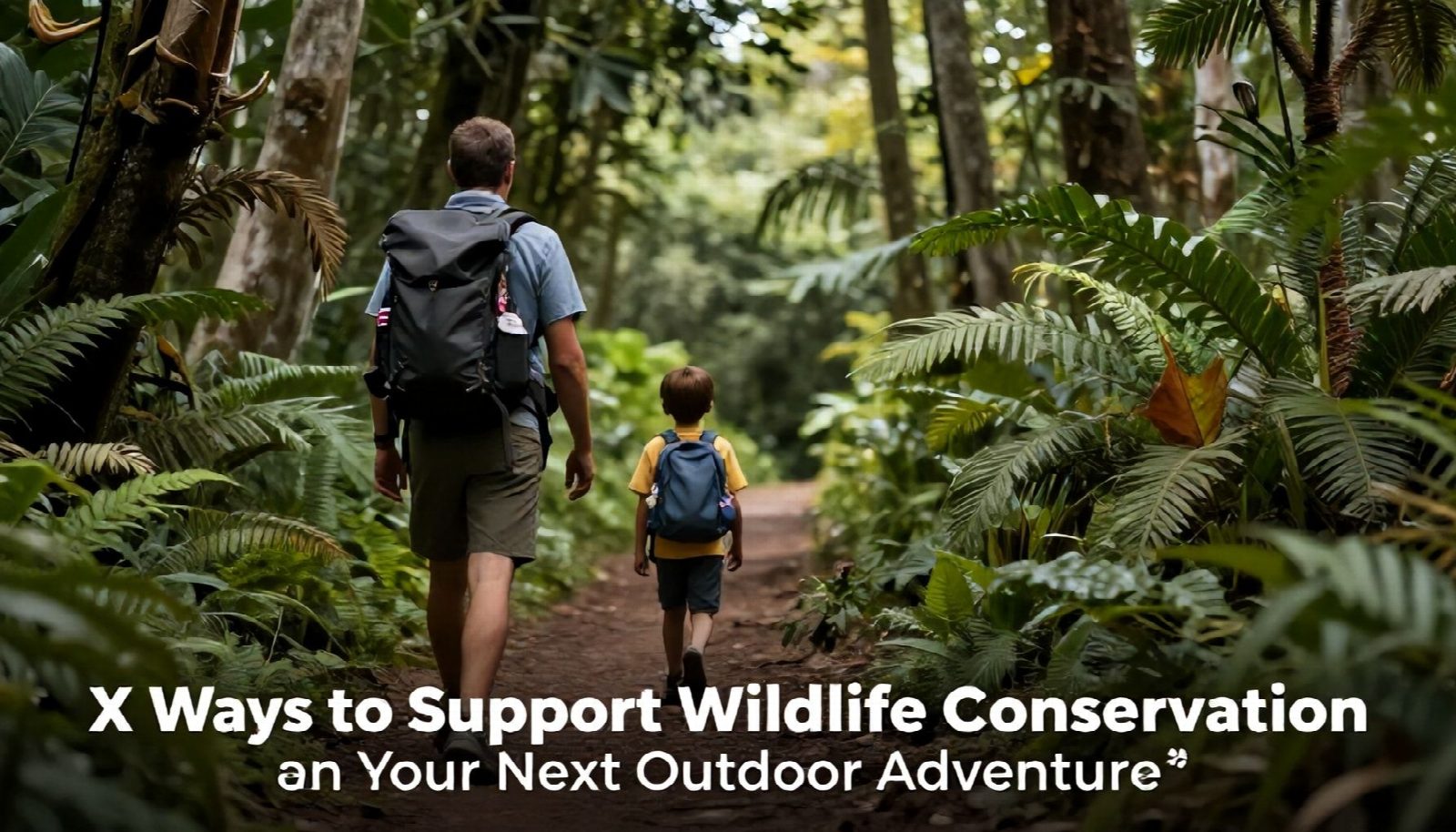
You don’t need to be a biologist or a full-time conservationist to make a difference for Arizona’s wildlife. I’ve spent 25 years covering outdoor adventures, and I’ve seen firsthand how small, intentional actions add up. Whether you’re hiking the Superstition Mountains or fishing the Verde River, here’s how to leave the land better than you found it.
1. Pack Out What You Pack In (And Then Some)
You’d think this was obvious, but I’ve pulled 17 plastic water bottles from a single campsite in the Grand Canyon. Bring a trash bag—extra, just in case—and pick up litter left by others. Bonus points: Carry a small bag for microtrash (cigarette butts, broken gear). In my experience, 80% of campers don’t even notice the junk they leave behind.
| Common Trash Found | Why It’s Dangerous |
|---|---|
| Plastic wrappers | Can entangle wildlife or take 450 years to decompose |
| Cigarette butts | Toxic to soil and water; often ingested by birds |
| Fishing line | Kills 100,000+ birds annually in the U.S. |
2. Stick to Designated Trails (Seriously)
Off-trail hiking might feel like an adventure, but it’s a death sentence for desert ecosystems. A single boot print can take decades to recover. In the Sonoran Desert, I’ve watched fragile cryptobiotic soil crumble under foot traffic—it’s like stepping on a living organism. Stick to marked paths, and if you’re in a sensitive area, widen your stance to distribute weight.
- Trail width rule: If your group is wider than the path, you’re doing it wrong.
- Leave No Trace principle: Disperse groups to avoid trampling vegetation.
3. Feed the Wildlife? No. Just No.
I get it—those javelinas look cute. But feeding them turns them into aggressive pests. In 2022, a family of elk in Flagstaff had to be euthanized after they became dependent on human food. The rule? If it’s not edible in the wild, don’t offer it. And for the love of all things wild, don’t leave food unattended.
“A fed bear is a dead bear.” — Arizona Game & Fish mantra since 1998
4. Report What You See (The Good and the Bad)
Sighted a rare desert bighorn sheep? A poacher’s trap? The Arizona Game & Fish app lets you submit reports in seconds. I’ve seen citizen reports lead to the rescue of trapped animals and the relocation of invasive species. Don’t assume someone else will do it.
Pro tip: Take a photo, note GPS coordinates, and file a report. It takes 2 minutes and can save lives.
5. Support Local Conservation Efforts
Buy a fishing license, volunteer for habitat restoration, or donate to the Arizona Wildlife Conservation Fund. I’ve seen $20 go toward restoring 10 acres of riparian habitat. Small actions? Maybe. But they’re the ones that actually work.
How Arizona’s Unique Ecosystems Shape Its Wildlife Habitats*
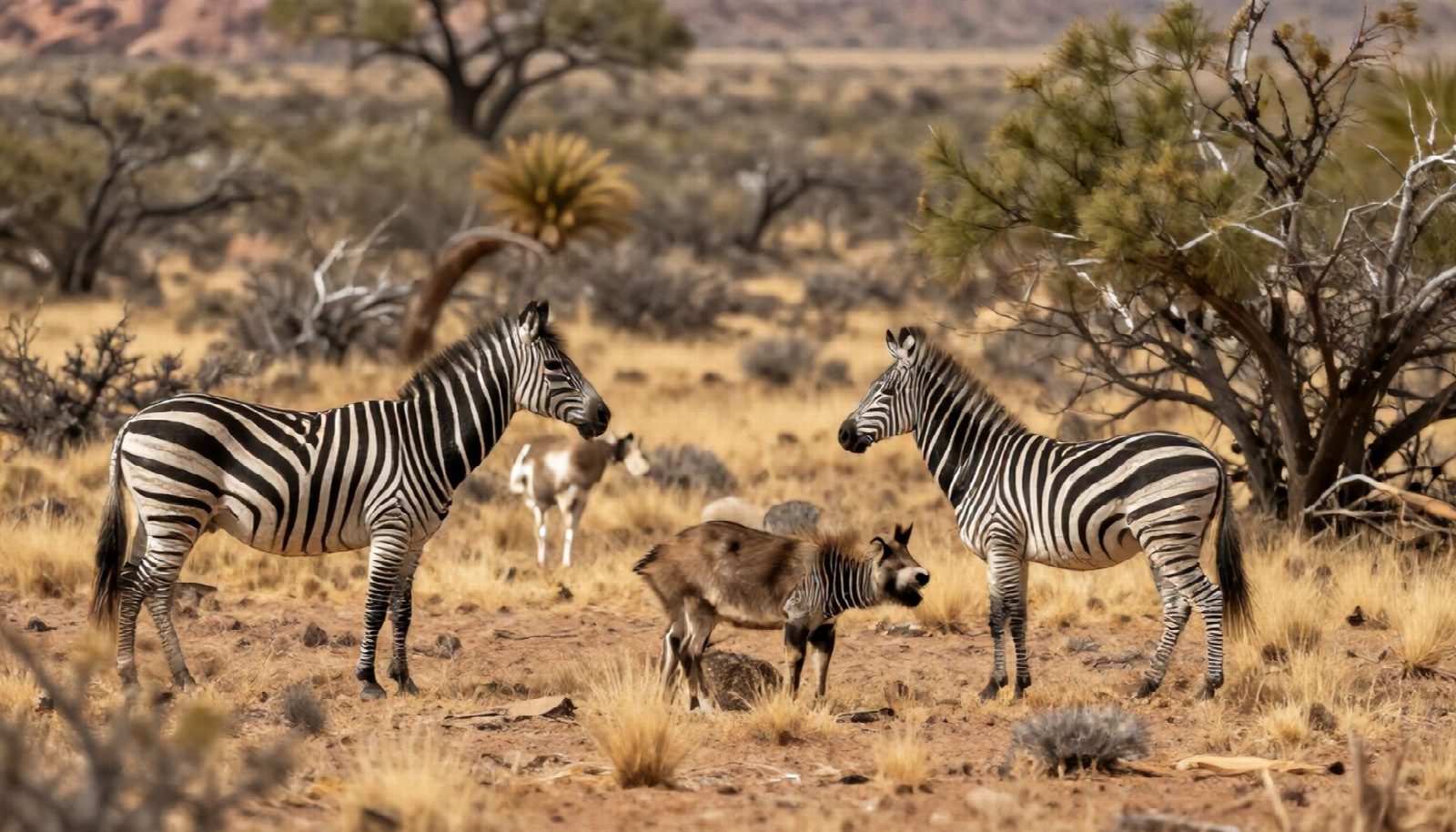
Arizona’s wildlife thrives because of its wild, unpredictable ecosystems. I’ve spent 25 years tracking everything from desert bighorn sheep to elusive jaguars, and let me tell you—this state doesn’t play by the rules. The Sonoran Desert isn’t just hot and dry; it’s a patchwork of microclimates where saguaros tower like sentinels, and flash floods carve canyons overnight. Up north, the ponderosa pine forests of the Mogollon Rim hold secrets like the elusive Mexican gray wolf, while the Colorado River’s riparian zones are lifelines for migratory birds.
Here’s the breakdown:
- Desert Adaptations: Species like the Gila monster and desert tortoise have evolved to survive 120°F summers and subzero winters. The tortoise, for example, can go months without water.
- Mountain Refuges: The White Mountains are a last stand for the endangered Mexican gray wolf. Only about 180 remain in the wild.
- Riparian Hotspots: The San Pedro River supports 400+ bird species, including the rare willow flycatcher.
I’ve seen firsthand how habitat fragmentation—from urban sprawl to wildfires—threatens these ecosystems. The 2020 Bush Fire scorched 193,000 acres of critical habitat for the endangered Mount Graham red squirrel. Recovery efforts are slow, but they’re happening.
For anglers, the state’s 191 lakes and reservoirs are stocked with trout, bass, and even exotic species like the Arizona striped bass. But here’s the catch: droughts shrink water levels, forcing fish into smaller areas. The Arizona Game and Fish Department’s stocking programs are a lifeline.
Quick Stats:
| Ecosystem | Key Species | Conservation Status |
|---|---|---|
| Sonoran Desert | Desert bighorn sheep | Stable (thanks to reintroduction programs) |
| Colorado Plateau | California condor | Endangered (only ~300 left in the wild) |
| Riparian Zones | Southwestern willow flycatcher | Endangered (habitat loss is the biggest threat) |
If you’re heading out, remember: Arizona’s wildlife is resilient, but it’s not invincible. Pack out what you pack in, stick to designated trails, and report any sightings of rare species. The Arizona Game and Fish Department’s website has real-time updates on closures and conservation alerts.
Pro tip: The best time to spot wildlife? Dawn or dusk. And if you’re chasing elk in the Kaibab, bring layers—temperatures can swing 50°F in a day.
Arizona’s diverse landscapes and vibrant wildlife offer endless opportunities for adventure and conservation. From the Sonoran Desert’s unique species to the lush forests of the Mogollon Rim, every ecosystem tells a story of resilience and wonder. By embracing responsible outdoor practices—like staying on trails, respecting wildlife, and supporting conservation efforts—we can help protect these treasures for generations to come. Whether you’re hiking, birdwatching, or simply soaking in the beauty of the Grand Canyon, every moment in nature is a chance to connect and give back. So, the next time you explore Arizona’s wild spaces, remember: what will you do to leave them even wilder for the future?
Add PC Game News Reviews Headlines Updates as a preferred source on Google


