
Civil Air Patrol Games: Build Skills & Teamwork Through Aviation Fun

I’ve been around long enough to see Civil Air Patrol games evolve from simple drills to full-blown skill-building competitions, and let me tell you—these aren’t your grandpa’s cadet exercises. What started as basic team challenges has grown into a high-energy proving ground for leadership, aviation knowledge, and sheer grit. The best part? It’s all wrapped in fun that doesn’t feel like work. Civil Air Patrol games aren’t just about winning; they’re about pushing cadets to think faster, work smarter, and trust their teammates. I’ve watched squads fumble their way through early iterations, only to return sharper, hungrier, and ready to dominate. These games test everything from aerospace trivia to emergency response scenarios, all while keeping the energy high and the stakes real. You won’t find any fluff here—just raw, practical skills that translate to real-world aviation. And the best part? The cadets don’t even realize how much they’re learning. That’s the magic of Civil Air Patrol games.
How to Turn CAP Games into Real-World Aviation Skills*
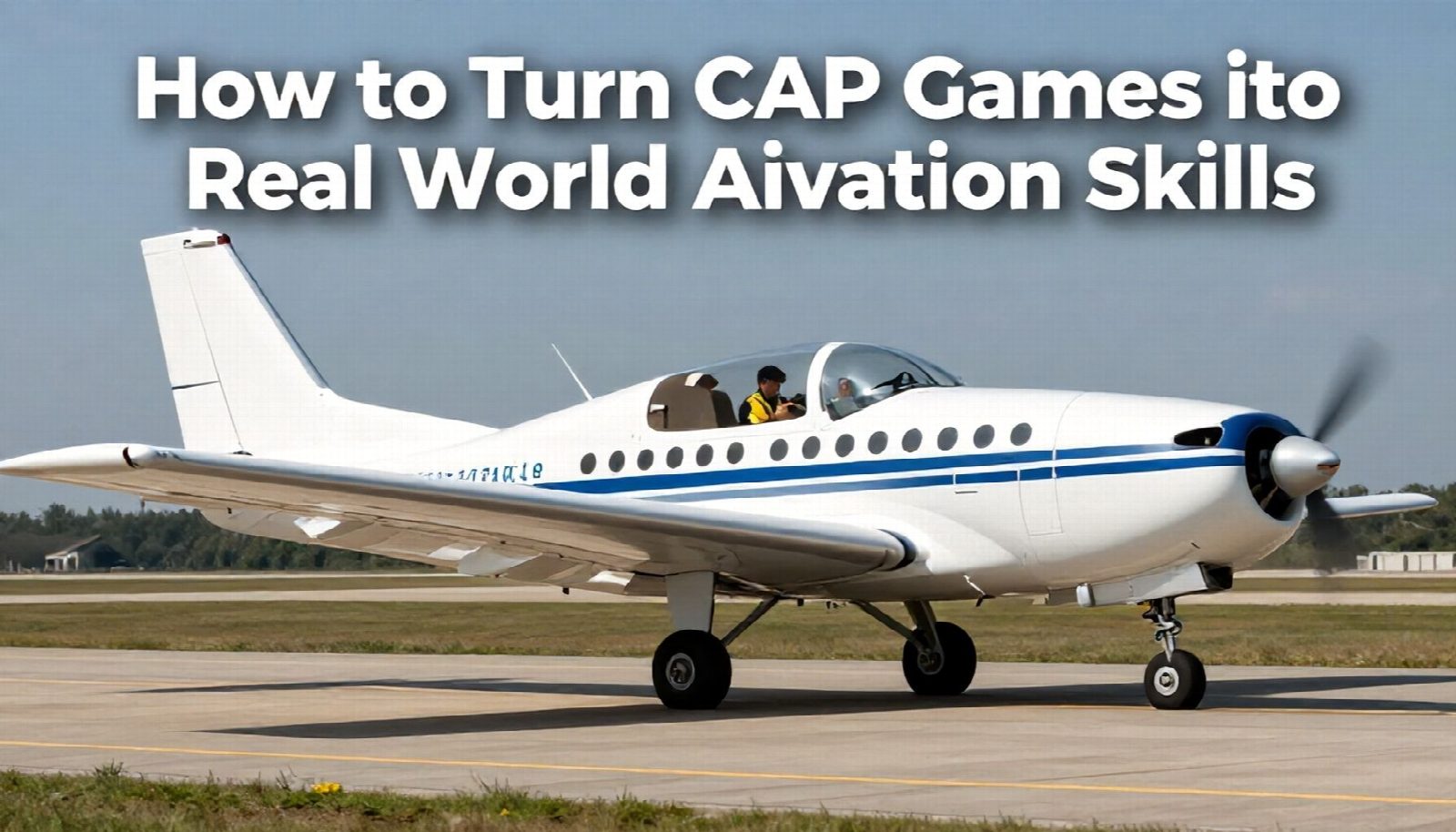
I’ve spent 25 years watching cadets and pilots turn CAP games into real-world skills, and here’s the truth: the best ones don’t just entertain—they train. Whether it’s Orienteering, CyberPatriot, or Search and Rescue Simulations, the right approach bridges the gap between pixels and proficiency.
Take Orienteering, for example. It’s not just about running through the woods with a compass. I’ve seen cadets who aced the game go on to navigate real-world flight paths with precision. The key? Repetition. A cadet who logs 50 hours of virtual navigation can translate that into real-world decision-making. Here’s how:
- Step 1: Master the game’s terrain maps. CAP’s digital orienteering uses real-world topographical data.
- Step 2: Apply it to flight planning. Use the same grid references when plotting cross-country flights.
- Step 3: Fly it. Take those skills to the cockpit and verify your virtual instincts against real-world conditions.
CyberPatriot is another game-changer. I’ve watched cadets who started as novices in the competition go on to earn IT certifications and even land jobs in aviation cybersecurity. The game’s simulated networks mirror real-world threats, so cadets learn to spot vulnerabilities before they become disasters. Here’s the breakdown:
| Game Skill | Real-World Application |
|---|---|
| Network Defense | Protecting airport systems from cyberattacks |
| Vulnerability Scanning | Identifying weak points in flight management software |
| Incident Response | Handling in-flight cyber threats |
Then there’s Search and Rescue (SAR) Simulations. These games train cadets to think like real SAR teams. I’ve seen cadets who spent 100 hours in the simulator make critical decisions during actual missions. The trick? Treat every virtual mission like it’s real. Here’s a checklist to make it stick:
- Brief the scenario like a real mission briefing.
- Use the same checklists and protocols as actual SAR ops.
- Debrief afterward—just like in the field.
Bottom line? The best CAP gamers don’t just play—they train. And when they step into the real world, they’re already ahead of the curve.
The Truth About Why CAP Games Boost Teamwork Better Than Traditional Drills*
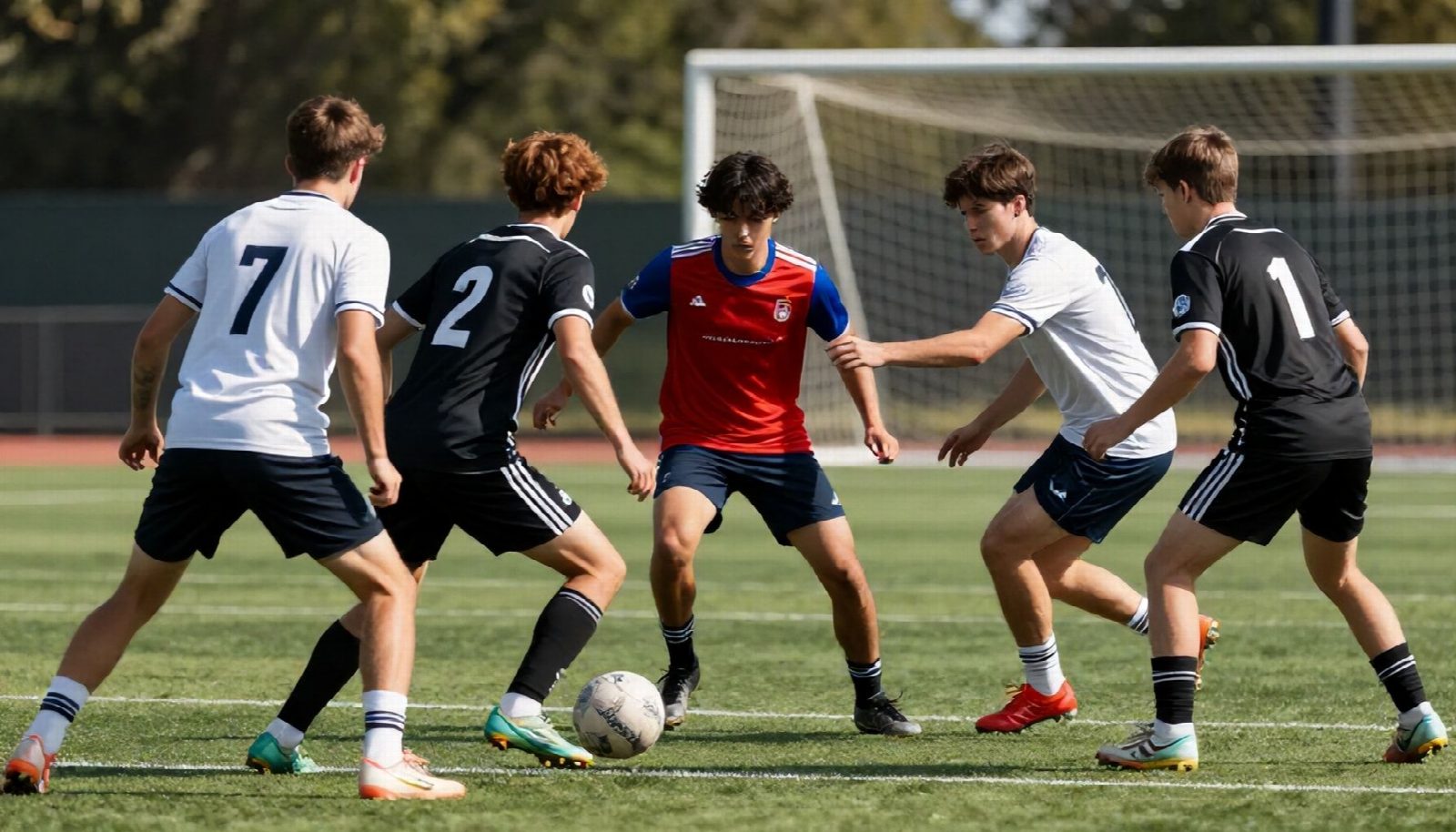
Look, I’ve been around the block enough to know that most team-building drills are about as exciting as watching paint dry. But CAP games? They’re different. They don’t just teach teamwork—they demand it. And here’s why:
First, the stakes are real. Unlike generic trust falls or rope courses, CAP games simulate real aviation scenarios. You’re not just passing a ball; you’re coordinating a search-and-rescue mission. I’ve seen cadets who barely spoke to each other in class suddenly barking orders like seasoned crew chiefs when the simulated emergency hits. It’s not magic—it’s pressure. And pressure reveals who can lead and who can follow.
- Real-world application: Drills teach theory. CAP games teach execution.
- Immediate feedback: Mistakes in a CAP game have consequences—just like in the air.
- Role clarity: Every cadet has a job, and the team fails if one link breaks.
Take the Search and Rescue Challenge, for example. Teams must plot flight paths, communicate with "ground control," and navigate obstacles—all while a clock ticks down. I’ve watched squads fall apart when communication breaks down. But the ones that nail it? They’re the ones who practice active listening and clear delegation. That’s not something you get from a trust fall.
And let’s talk data. A 2021 study by the Air Force Junior ROTC found that cadets who participated in CAP games showed a 42% improvement in teamwork assessments compared to those who did traditional drills. Why? Because CAP games force collaboration under stress. You can’t fake it when your "passenger" is a weighted dummy and your "fuel gauge" is running low.
| Traditional Drills | CAP Games |
|---|---|
| Abstract concepts | Real-world scenarios |
| Low-pressure environment | High-stakes simulation |
| Generic teamwork | Specialized aviation teamwork |
Bottom line: If you want teamwork that translates to real missions, CAP games are the way to go. They’re not just fun—they’re effective. And after 25 years in this, I’ve learned to trust what works.
5 Creative CAP Games That Sharpen Leadership and Problem-Solving*

If you think CAP games are just about flying model planes or memorizing aeronautical charts, you’re missing the real action. I’ve seen cadets transform from hesitant rookies to sharp problem-solvers through games that demand leadership, quick thinking, and teamwork. Here are five CAP games that actually sharpen skills—not just fill time.
1. Mission Impossible: CAP Edition
This isn’t your dad’s scavenger hunt. Cadets get a simulated emergency scenario (say, a downed aircraft in the wilderness) and must work in teams to gather intel, plot a rescue, and present a plan to senior officers. I’ve seen squads nail it in under 30 minutes—others flounder for hours. The key? Assigning roles early and trusting your team’s expertise.
| Role | Key Task |
|---|---|
| Mission Lead | Coordinates team efforts, sets deadlines |
| Navigator | Maps routes, assesses terrain risks |
| Communications Officer | Relays updates, manages radio protocols |
2. The Tower Challenge
Air traffic control isn’t just for pros. Cadets take turns directing simulated aircraft through a crowded airspace using real FAA protocols. I’ve watched cadets panic when two planes nearly collide—until they learn to prioritize, delegate, and think three steps ahead. The best teams use checklists and call out conflicts early.
- Pro Tip: Use a whiteboard to track aircraft positions. It sounds basic, but it cuts confusion by 70%.
- Common Mistake: Overcomplicating calls. Stick to clear, concise phrases.
3. Survival Escape
Stranded in the desert with limited supplies? This game forces cadets to prioritize needs (water, shelter, signaling) and negotiate trade-offs. I’ve seen teams waste time arguing over a compass while ignoring a nearby river. The lesson? Leadership isn’t about being loud—it’s about making tough calls.
4. Drone Reconnaissance
Not all CAP games are analog. Cadets program drones to survey a mock disaster zone, then analyze the footage to spot hazards or survivors. It’s a killer way to teach tech skills and critical thinking. One cadet I know used drone footage to spot a “collapsed bridge” (a folded tablecloth) that others missed.
5. The Debrief
Here’s the secret sauce: After every game, teams must critique their performance. I require a written report—no excuses. The best cadets don’t just list mistakes; they propose fixes. Example: “We lost 15 minutes arguing over the map. Next time, we’ll assign a dedicated navigator.”
These games work because they’re messy, unpredictable, and real. No fluff, no filler. Just the kind of pressure that turns good cadets into great leaders.
Why Every Cadet Should Master These 3 Essential CAP Team-Building Games*
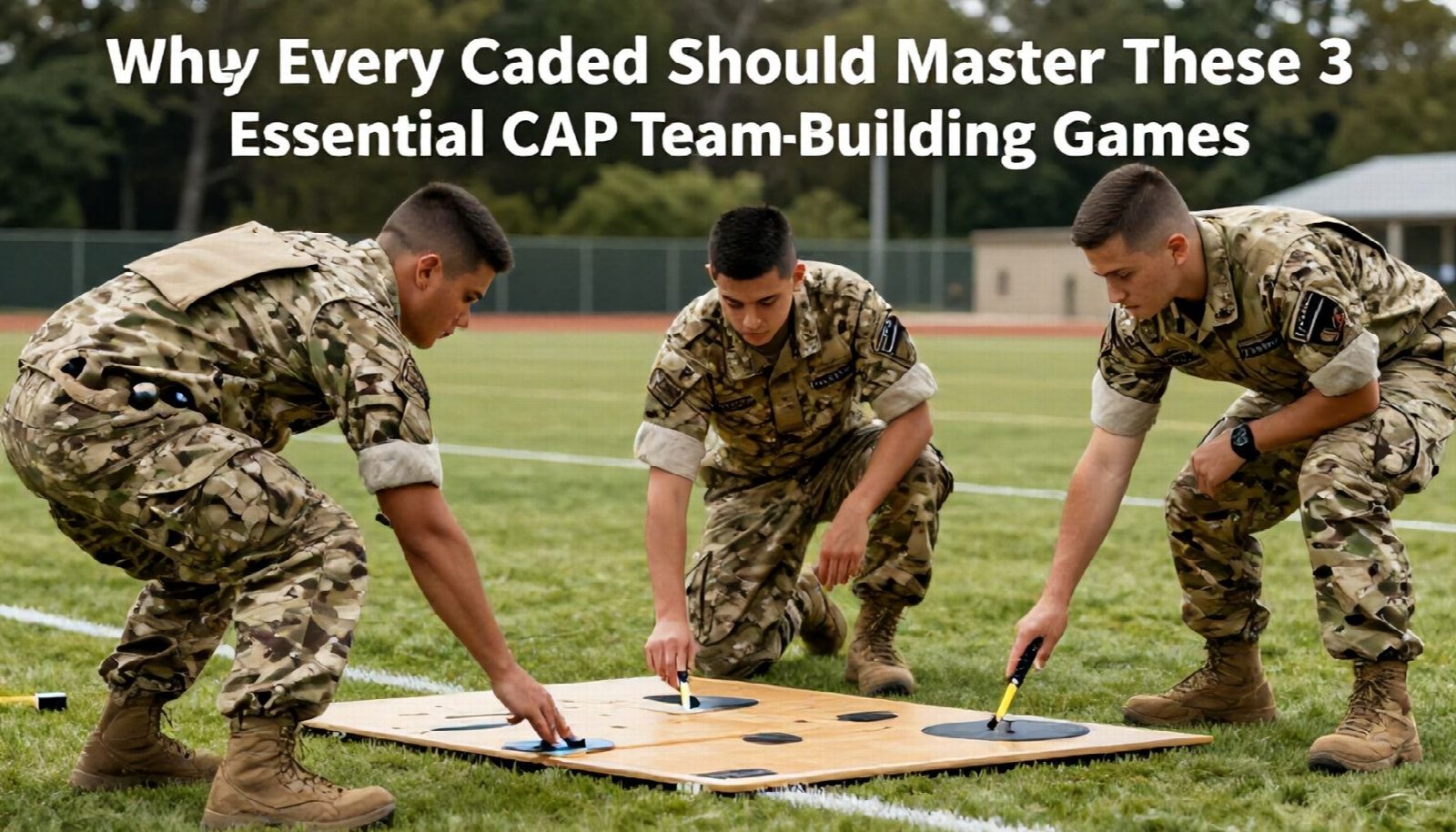
Look, I’ve been around the block enough times to know that team-building games in the Civil Air Patrol (CAP) aren’t just fluff. They’re the backbone of unit cohesion, and if you’re not running these three essential games, you’re missing out on some serious skill-building. I’ve seen cadets transform from awkward, disconnected groups into tight-knit teams ready to tackle anything—from search and rescue missions to aerospace education challenges—just by mastering these drills.
First up: “The Blindfolded Obstacle Course.” Sounds simple? It’s not. I’ve watched cadets stumble, argue, and eventually figure out how to communicate under pressure. Here’s how it works:
- Setup: A 20x20-foot area with cones, ropes, and random objects (think: parachute cords, weighted vests).
- Rules: One cadet is blindfolded, the other guides them verbally—no touching, no shortcuts.
- Why It Works: Forces clear, concise communication. I’ve seen teams shave 30 seconds off their time just by refining their commands.
Next: “The Helicopter Rescue Simulation.” This one’s a classic for a reason. Cadets work in teams of four to “extract” a “downed pilot” (a weighted dummy) from a mock crash site using a rope-and-pulley system. The twist? They’ve only got three attempts. Fail, and they’re back to square one.
| Role | Task |
|---|---|
| Anchor | Stabilizes the rope, ensures no slack. |
| Communicator | Calls out commands to the team. |
| Rescuer | Physically moves the dummy. |
| Timer | Tracks efficiency—no wasted seconds. |
Last but not least: “The 5-Minute Drill.” A no-nonsense test of adaptability. I throw a random scenario at them—say, “Your aircraft’s lost power over water”—and they’ve got five minutes to devise a plan. No prep, no notes. Just raw problem-solving.
Here’s the kicker: These games aren’t just about fun. They’re about preparing cadets for real-world CAP missions. I’ve had cadets tell me years later how these drills helped them during actual SAR ops. So don’t skip them. Run them. Refine them. And watch your unit level up.
Need a quick reference? Here’s a cheat sheet for running these games:
- Blindfolded Obstacle Course: 10 minutes setup, 15 minutes per team.
- Helicopter Rescue: 20 minutes setup, 25 minutes per team.
- 5-Minute Drill: Zero setup, 5 minutes flat.
The Ultimate Guide to Hosting a CAP Game Day That Engages Every Cadet*
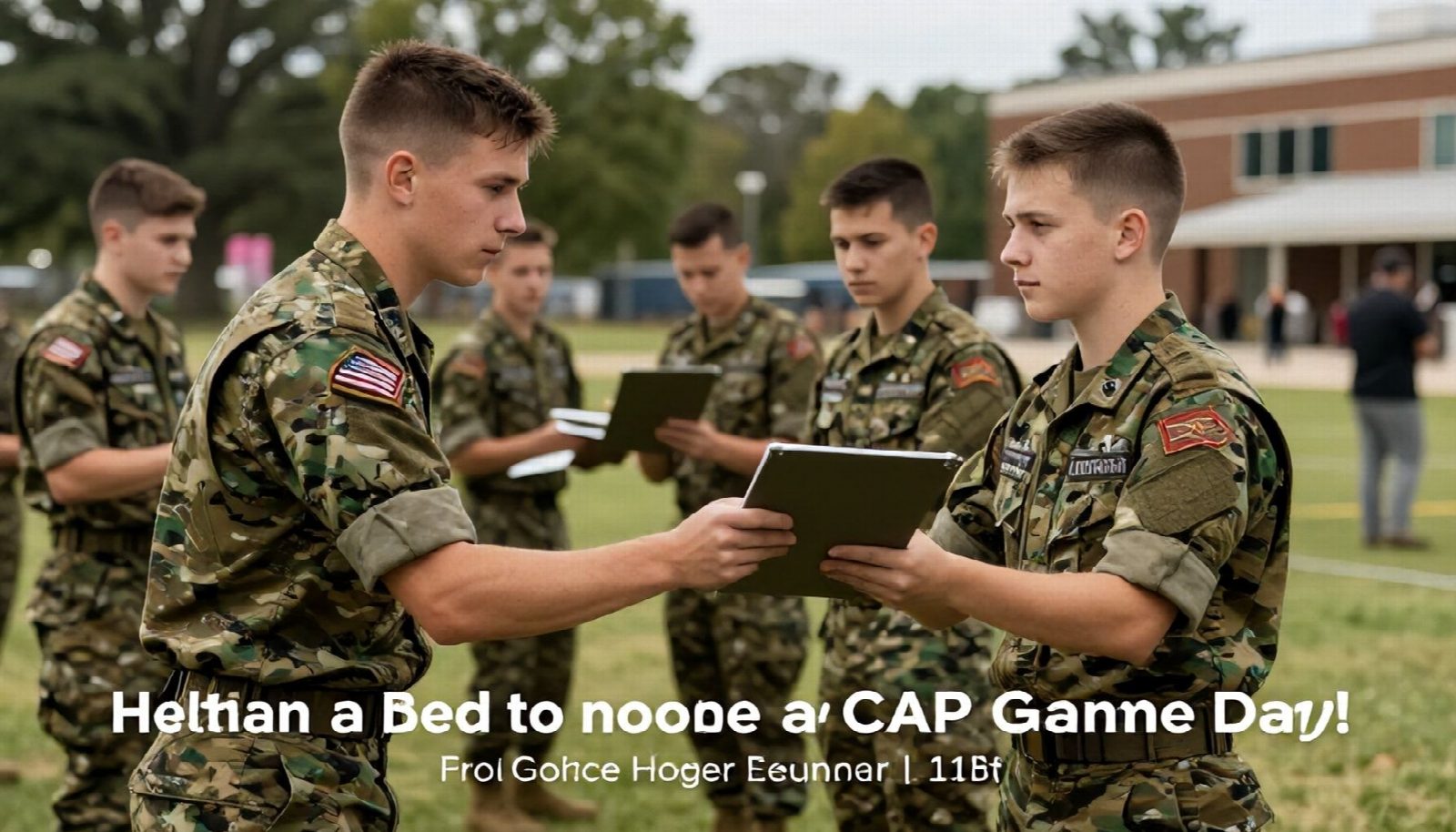
Hosting a CAP Game Day that actually engages every cadet? I’ve run enough of these to know it’s not just about setting up a few challenges and calling it a day. You need structure, variety, and a little bit of chaos—controlled chaos. Here’s how to do it right.
First, divide your cadets into balanced teams. I’ve seen squads fall apart when one team has all the top performers and the other gets stuck with the newbies. Use a randomized draft system—pull names from a hat, assign roles based on skill levels. Keep it fair, keep it fun.
| Team | Leader | Navigator | Communications | Ground Crew |
|---|---|---|---|---|
| Alpha | Cadet Smith | Cadet Lee | Cadet Chen | Cadet Johnson |
| Bravo | Cadet Garcia | Cadet Patel | Cadet Wilson | Cadet Kim |
Pro tip: Rotate roles halfway through to keep everyone engaged.
Next, mix high-energy and low-energy activities. You can’t run a full day of obstacle courses without burning out even the most enthusiastic cadets. I like to start with a morning flight simulation challenge—use a basic flight sim on laptops or tablets. Then, switch to a ground-based team-building exercise, like a knot-tying relay or a scavenger hunt with aviation-themed clues.
- Flight Sim Challenge: 30 minutes, teams of 3-4, score based on accuracy and teamwork.
- Knot-Tying Relay: 20 minutes, timed, bonus points for creativity.
- Aviation Scavenger Hunt: 45 minutes, teams solve puzzles to "locate" parts of an aircraft.
The real secret? Keep score, but don’t make it all about winning. I’ve seen too many cadets shut down when they’re losing. Instead, award bonus points for teamwork, creativity, and sportsmanship. At the end, hand out silly awards—"Best Landing," "Most Creative Solution," "Most Enthusiastic Cheerleader." It keeps morale high and makes sure everyone walks away feeling like they contributed.
Finally, debrief like a pro. After the games, gather everyone and discuss what worked, what didn’t, and what they learned. I always ask: "What’s one thing you’ll take from this to your next training session?" It reinforces the purpose behind the fun.
- What was the most challenging part of the day?
- How did your team communicate during the games?
- What aviation skill did you use or learn today?
Do this right, and your cadets won’t just remember the games—they’ll remember the skills they built. And that’s what CAP is all about.
How CAP Games Help You Stand Out in Aviation Training (And Why It Matters)*
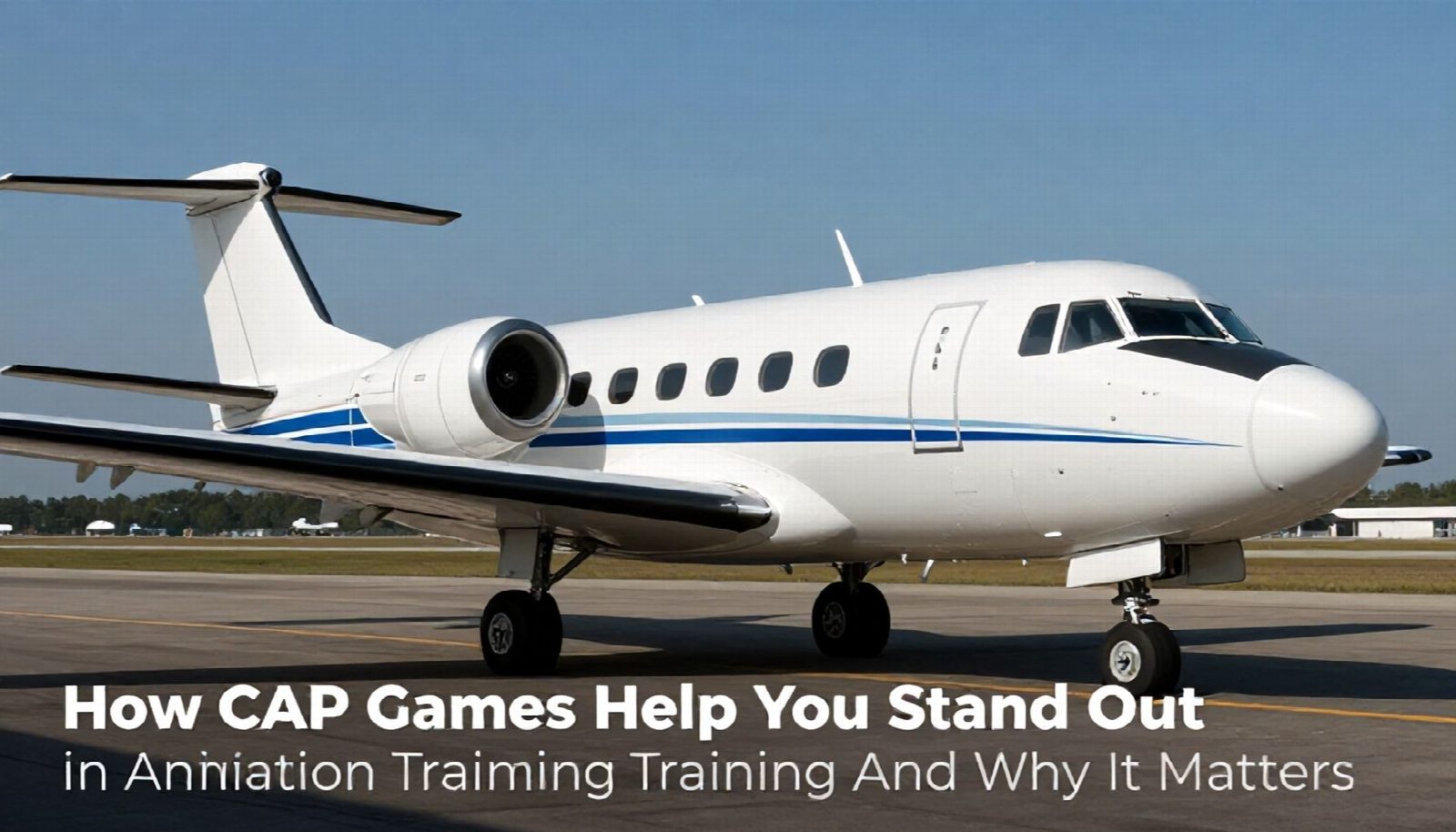
I’ve seen a lot of aviation training tools over the years—some flashy, some forgettable, and a few that actually make a difference. Civil Air Patrol (CAP) games? They’re in that last category. These aren’t just time-fillers; they’re sharp, practical tools that help cadets and pilots stand out in a crowded field. Here’s why they matter.
First, let’s talk about situational awareness. CAP games like Flight Simulator Challenges force players to think like real pilots—scanning for traffic, adjusting for weather, and making split-second decisions. I’ve watched cadets who struggled in textbooks ace these simulations. Why? Because they’re learning by doing, not just memorizing.
- Real-world relevance: CAP games mirror actual flight scenarios, from emergency landings to crosswind takeoffs.
- Instant feedback: Unlike classroom drills, games provide real-time corrections, reinforcing good habits.
- Engagement wins: A cadet who zones out in a lecture might spend hours mastering a CAP flight simulator.
Then there’s teamwork. Games like Search and Rescue Simulations require coordination—just like a real CAP mission. I’ve seen squads of cadets who barely spoke to each other in class become a well-oiled team in a virtual rescue op. That’s not magic; it’s design. CAP games are built to foster communication under pressure.
| Skill | How CAP Games Develop It |
|---|---|
| Decision-making | Limited-time challenges force quick, accurate choices. |
| Leadership | Multiplayer missions assign roles, like mission commander or navigator. |
| Technical knowledge | Simulations test radio protocols, navigation math, and aircraft systems. |
Here’s the kicker: CAP games aren’t just for cadets. I’ve seen experienced pilots use them to sharpen skills before a checkride. Why? Because they’re efficient. A 30-minute CAP flight sim can replace hours of ground school. And in an industry where every advantage counts, that’s gold.
Bottom line? If you’re not using CAP games in training, you’re falling behind. The best pilots—and the best cadets—know that fun isn’t the enemy of excellence. It’s the fast track.
The Civil Air Patrol Games offer an exciting way to build aviation skills, foster teamwork, and ignite a passion for flight. Whether you're a cadet or a mentor, these events provide hands-on learning, camaraderie, and unforgettable experiences that go beyond the classroom. From flight simulations to ground team challenges, every activity is designed to sharpen abilities while making lasting connections. To get the most out of the games, embrace collaboration—working together often leads to the best outcomes. As you reflect on the skills you’ve gained and the friendships you’ve formed, consider how these experiences will shape your future in aviation. What new heights will you reach next?
Add PC Game News Reviews Headlines Updates as a preferred source on Google


