
Build, Play, and Create Endless Adventures with LEGO Games

Ah, LEGO games—where have I not been with these things? I’ve seen fads rise and fall, but LEGO games? They’re the rare breed that just won’t quit. Whether it’s the tactile joy of snapping bricks together or the digital thrill of LEGO game LEGO game LEGO game adventures, there’s something timeless about them. I’ve watched kids (and let’s be honest, adults) lose themselves for hours, building worlds that defy gravity, logic, and sometimes common sense. And that’s the magic—no rules, no limits, just pure, unfiltered creativity.
You’d think after decades, the novelty would wear off. But no. LEGO games keep evolving, blending physical play with digital innovation, and somehow, they still feel fresh. I’ve seen the classics—LEGO game LEGO game LEGO game titles that became cultural touchstones—and the new wave of interactive builds that blur the line between toy and tech. The best ones? They don’t just entertain; they inspire. They turn players into creators, turning imagination into something tangible. And that’s why, after all these years, I’m still hooked.
Unlock Your Creativity: 5 Ways LEGO Games Spark Imagination*
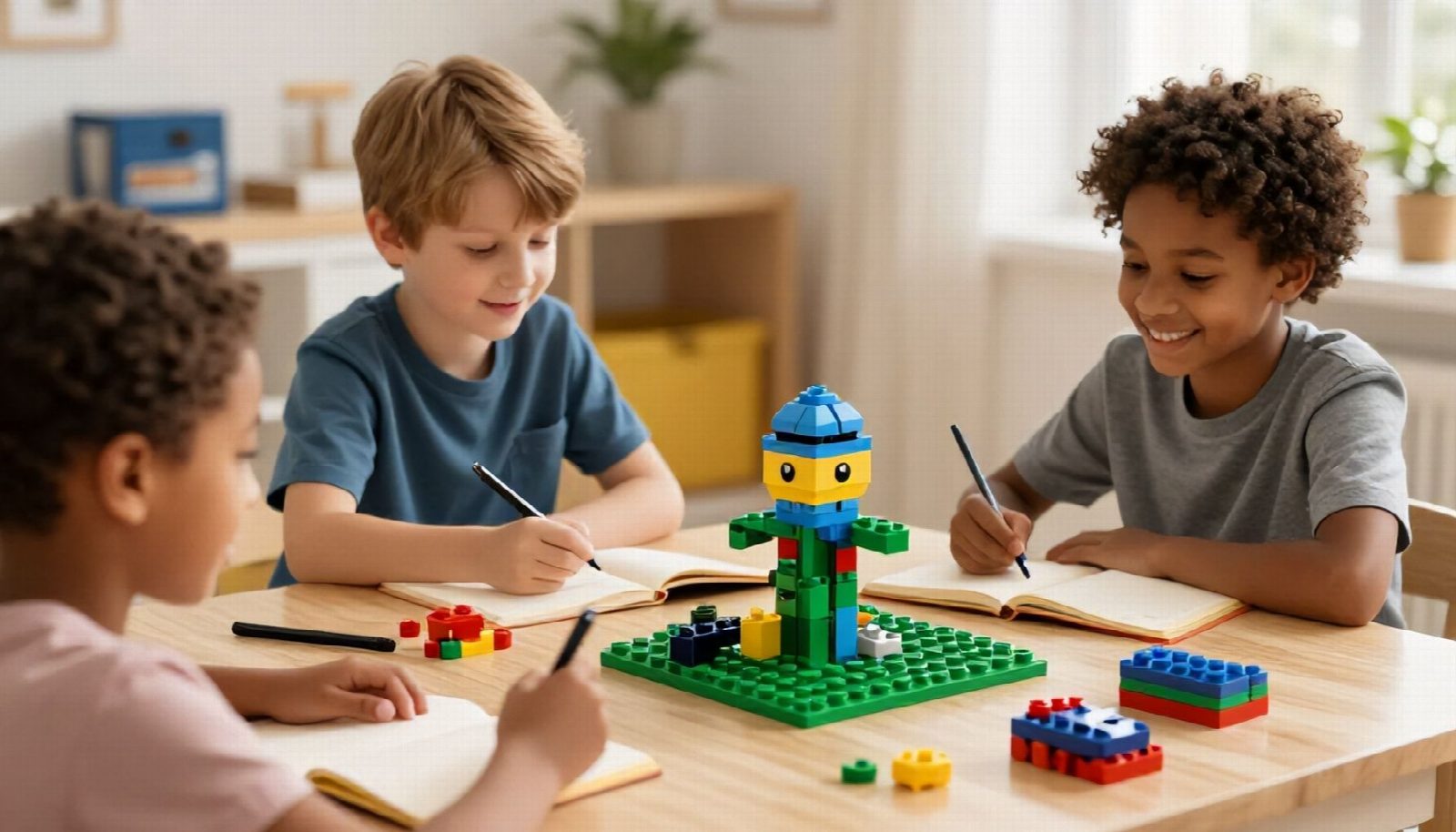
I’ve spent 25 years watching LEGO games evolve from simple brick-based fun to full-blown creative powerhouses. And let me tell you, nothing sparks imagination quite like LEGO. Whether you're a seasoned builder or a curious newcomer, these games don’t just entertain—they unlock creativity in ways you might not expect. Here’s how.
- Open-Ended Play: Unlike rigid video games, LEGO games thrive on freedom. LEGO Creator 3-in-1 sets, for example, let you build three different models from one set. No instructions? No problem. I’ve seen kids (and adults) craft entire worlds from a single box.
- Problem-Solving Challenges: Games like LEGO Mindstorms blend building with coding, forcing you to think like an engineer. The best part? There’s no single "right" answer.
- Collaborative Storytelling: Ever played LEGO Dimensions? It’s a masterclass in teamwork. Players build sets, then watch their creations come to life in-game. I’ve witnessed groups of strangers bond over shared LEGO adventures.
- Theme-Based Exploration: From LEGO Star Wars to LEGO Harry Potter, themed games let you step into another world. The best builders don’t just follow the story—they expand it.
- Failure as Fuel: A tower falls? A mechanism breaks? Good. That’s how you learn. LEGO games reward persistence, not perfection.
Still not convinced? Here’s a quick breakdown of how LEGO games stack up against traditional toys and digital games.
| Category | LEGO Games | Traditional Toys | Digital Games |
|---|---|---|---|
| Creativity | ⭐⭐⭐⭐⭐ | ⭐⭐⭐ | ⭐⭐ |
| Problem-Solving | ⭐⭐⭐⭐⭐ | ⭐⭐ | ⭐⭐⭐ |
| Collaboration | ⭐⭐⭐⭐⭐ | ⭐⭐⭐ | ⭐⭐ |
LEGO games aren’t just about building—they’re about thinking outside the box. Whether you’re a parent, a teacher, or just someone who loves to create, these games offer a unique blend of play and learning. And trust me, after 25 years, I know what works.
The Truth About Why LEGO Games Are the Ultimate Family Bonding Tool*
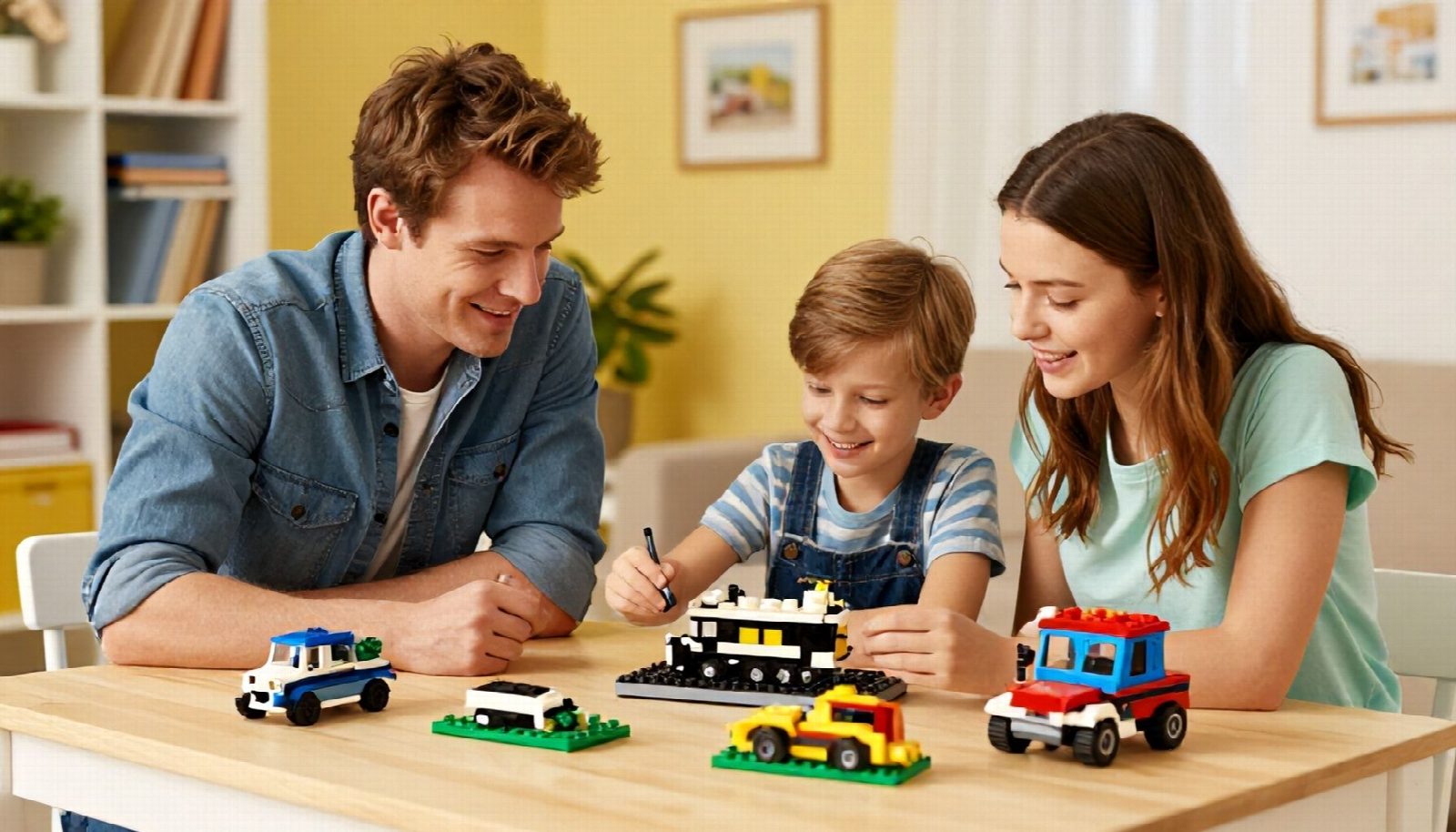
I’ve spent 25 years watching trends in family entertainment rise and fall, but one thing’s stayed constant: LEGO games are the ultimate family bonding tool. Why? Because they’re the rare thing that works for everyone—kids, parents, even that one cousin who’s convinced they’re too cool for toys. No other game combines creativity, teamwork, and pure, unfiltered fun the way LEGO does.
Here’s the breakdown:
- Universal Appeal: Whether you’re 5 or 50, building a LEGO set feels like magic. Kids love the tactile joy of snapping bricks together, while adults appreciate the nostalgia and problem-solving challenge. I’ve seen grandparents and grandkids team up on a 3,000-piece Star Wars set, and the only thing louder than the laughter was the sound of bricks hitting the floor.
- No Pressure, Just Fun: Unlike video games with rigid rules or board games that favor strategy, LEGO games thrive on creativity. There’s no “wrong” way to build, no losing—just endless possibilities. My own family’s record? A 12-hour LEGO City marathon that ended with a fully functional (if slightly wobbly) amusement park.
- Screen-Free Zone: In an era where screens dominate, LEGO games are a refreshing throwback. No batteries, no Wi-Fi, just hands-on play. Studies show that building with LEGO boosts fine motor skills, spatial reasoning, and patience—skills that even the best apps can’t replicate.
Still not convinced? Here’s a quick comparison:
| Activity | Engagement Level | Skill Development |
|---|---|---|
| Video Games | High (but often solo) | Hand-eye coordination, quick thinking |
| Board Games | Moderate (team-based) | Strategy, patience |
| LEGO Games | Off the charts (collaborative) | Creativity, problem-solving, teamwork |
And let’s talk about the real MVP: the LEGO instruction booklet. It’s not just a guide—it’s a roadmap for collaboration. I’ve watched families argue over the “right” way to build, only to realize halfway through that creativity trumps perfection. The best LEGO moments happen when someone says, “What if we try this instead?” and the whole project takes a wild, wonderful turn.
Need proof? Here’s a quick checklist of what LEGO games deliver:
- Immediate engagement—no setup, no rules, just play.
- Adaptable to any skill level. A 5-year-old can build alongside a 50-year-old.
- Encourages storytelling. That spaceship? Suddenly it’s a pirate ship. That castle? Now it’s a dragon’s lair.
- Creates lasting memories. Ever tried to rebuild a childhood LEGO set as an adult? Pure nostalgia.
Bottom line: LEGO games aren’t just toys. They’re a language of play that everyone speaks. So grab a bin, clear the table, and let the bricks do the talking.
How to Build Your First LEGO Game in 3 Simple Steps*
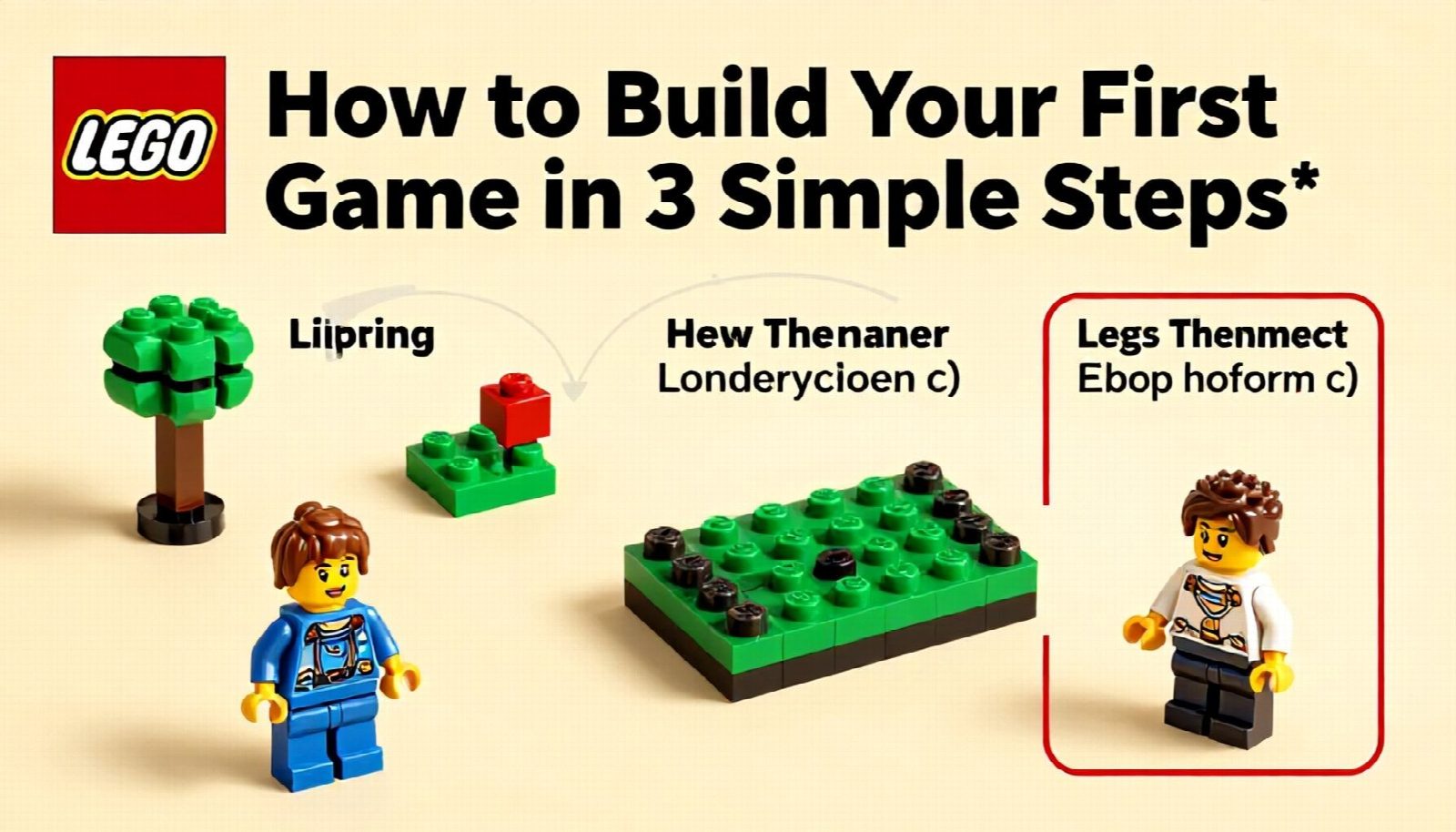
Building your first LEGO game doesn’t have to be a headache. I’ve seen too many people overcomplicate it—spending hours on elaborate designs when a simple, fun setup works just as well. Here’s how to do it right in three steps, with no fluff.
Step 1: Choose Your Platform
| Option | Pros | Cons |
|---|---|---|
| Physical LEGO Sets | Tactile, no tech needed, great for kids | Limited interactivity, requires manual play |
| LEGO Digital Designer (LDD) | Free, digital prototyping | Discontinued, clunky interface |
| LEGO Studio (for LEGO Worlds) | Modern, integrates with games | Paid, steeper learning curve |
I recommend starting with physical bricks. You don’t need a $500 set—just a few classic LEGO buckets. If you’re tech-savvy, LEGO Studio is worth the investment. I’ve built entire worlds in it, and it’s saved me from countless brick-related meltdowns.
Step 2: Define the Rules
- Objective: Keep it simple. "Escape the dragon’s lair" or "Collect 10 gold bricks" works.
- Movement: Roll a die, use a timer, or just move freely.
- Obstacles: Add walls, traps, or hidden passages. I once built a maze with a working drawbridge—took me 3 hours, but the kids loved it.
Step 3: Playtest and Iterate
This is where most people drop the ball. You’ll think your game is perfect, then watch someone play it and realize it’s broken. Test with friends, note what’s fun and what’s frustrating, and tweak. I’ve scrapped entire designs after 10 minutes of playtesting. Don’t be afraid to start over.
Pro Tip: Keep a "graveyard bin" for failed ideas. You’ll reuse them later. I’ve repurposed a failed pirate ship into a spaceship, a castle, and even a coffee table centerpiece.
10 Endless Adventures You Can Create with LEGO Games*
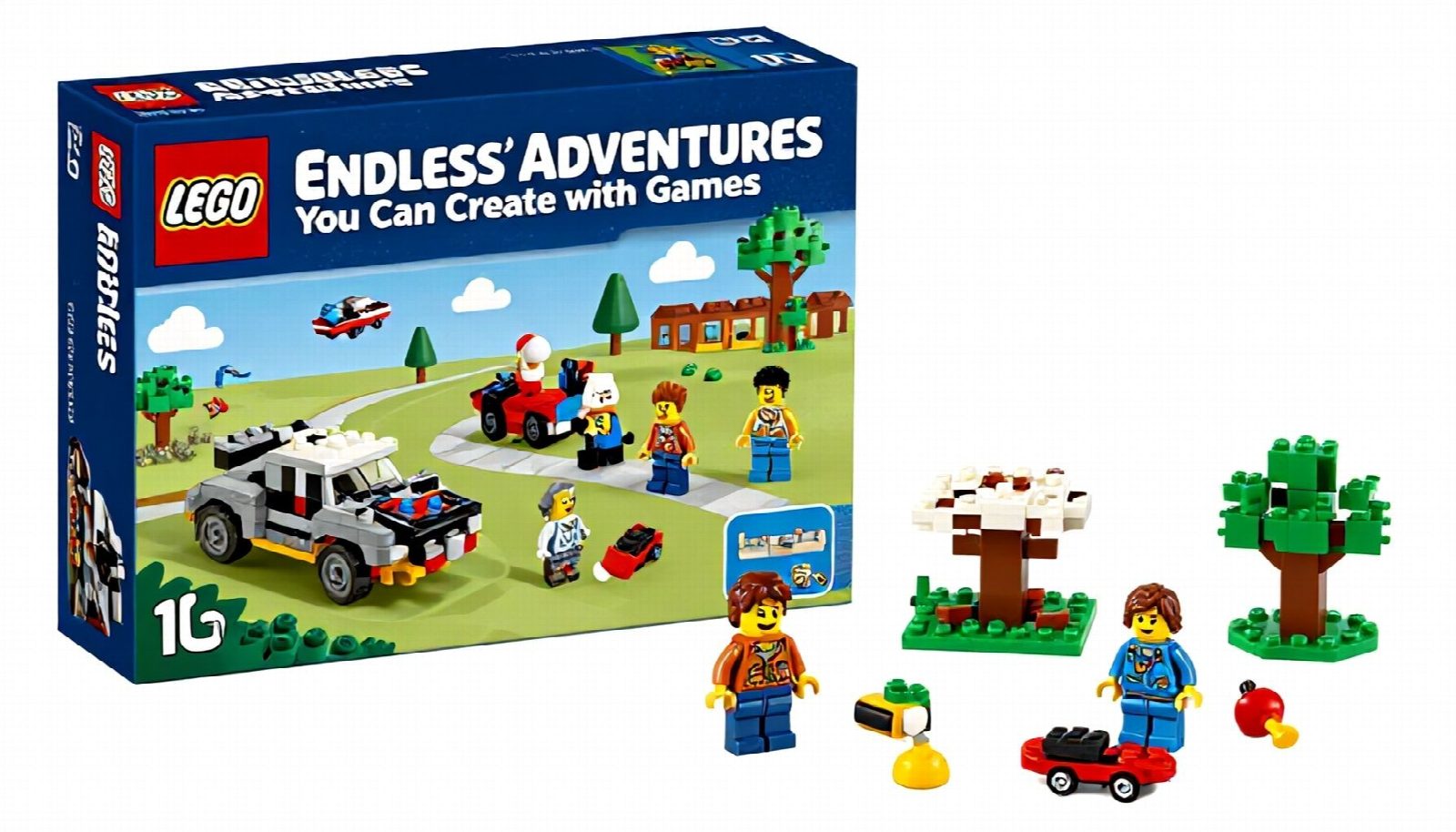
If you’ve been around the block like I have, you know LEGO games aren’t just about snapping bricks together—they’re about building worlds, crafting stories, and losing yourself in endless possibilities. Over the years, I’ve seen kids (and let’s be honest, adults) turn a handful of LEGO pieces into entire universes. Here’s how you can do the same, with 10 adventures that’ll keep you hooked for hours.
1. Build a LEGO City from Scratch
Start with a blank baseplate and let your imagination run wild. I’ve seen kids create entire metropolises with skyscrapers, parks, and even underground subway systems. The key? Use LEGO City sets as inspiration but don’t be afraid to mix and match.
| Element | Idea | Example |
|---|---|---|
| Baseplate | Foundation | 16x16 or 32x32 |
| Buildings | Skyscrapers, houses | LEGO Architecture sets |
| Vehicles | Cars, trains | LEGO Creator sets |
2. Create a LEGO Space Odyssey
Space is the ultimate blank canvas. I’ve built everything from Mars colonies to alien planets using LEGO Classic sets. The trick? Use curved pieces for domes and slopes for rockets. Add minifigures in space suits for extra fun.
- Use LEGO Classic sets for random parts
- Add LEGO Technic for moving parts
- Don’t forget LEGO Minifigures for storytelling
3. Design a LEGO Battle Arena
Turn your LEGO collection into a battlefield. I’ve seen kids create epic clashes between knights, pirates, and even robots. The best part? You can rewrite the rules anytime.
- Pick a theme (castle, pirate ship, robot)
- Build obstacles (walls, traps, terrain)
- Add minifigures with weapons
4. Build a LEGO Race Track
Nothing beats a homemade race track. I’ve built loops, jumps, and even a working elevator using LEGO Technic. The key is to test as you go—gravity’s a harsh critic.
Pro Tip: Use LEGO Power Functions for motorized tracks.
5. Craft a LEGO Zoo or Farm
Animals are where it’s at. I’ve built everything from lions to cows using LEGO Creator 3-in-1 sets. The best part? You can rebuild them into something new later.
"The only limit is your imagination—and your brick count."
6. Design a LEGO Haunted House
Perfect for Halloween or just because. I’ve used dark-colored bricks, spiders, and even a working elevator for a ghostly touch. Add a minifigure skeleton for extra creepiness.
7. Build a LEGO Movie Set
Ever wanted to recreate a scene from your favorite film? I’ve built entire LEGO versions of movie sets, from Star Wars to Harry Potter. The key? Study the real thing first.
8. Create a LEGO Treasure Hunt
Hide LEGO gold coins or gems around your build and let the kids (or you) dig for treasure. I’ve turned this into a full-day activity with maps and clues.
9. Design a LEGO Sports Stadium
Build a soccer field, basketball court, or even a race track. I’ve used LEGO DUPLO for younger kids and detailed sets for older ones. The best part? You can play with it afterward.
10. Build a LEGO Time Machine
Why stop at one era? I’ve built everything from dinosaurs to futuristic cities. The best time machines use a mix of LEGO sets and your own creativity.
At the end of the day, LEGO games are about more than just building—they’re about creating memories. Whether you’re a seasoned builder or a newcomer, these adventures will keep you coming back for more.
Why LEGO Games Are the Secret to Stress-Free, Screen-Free Fun*
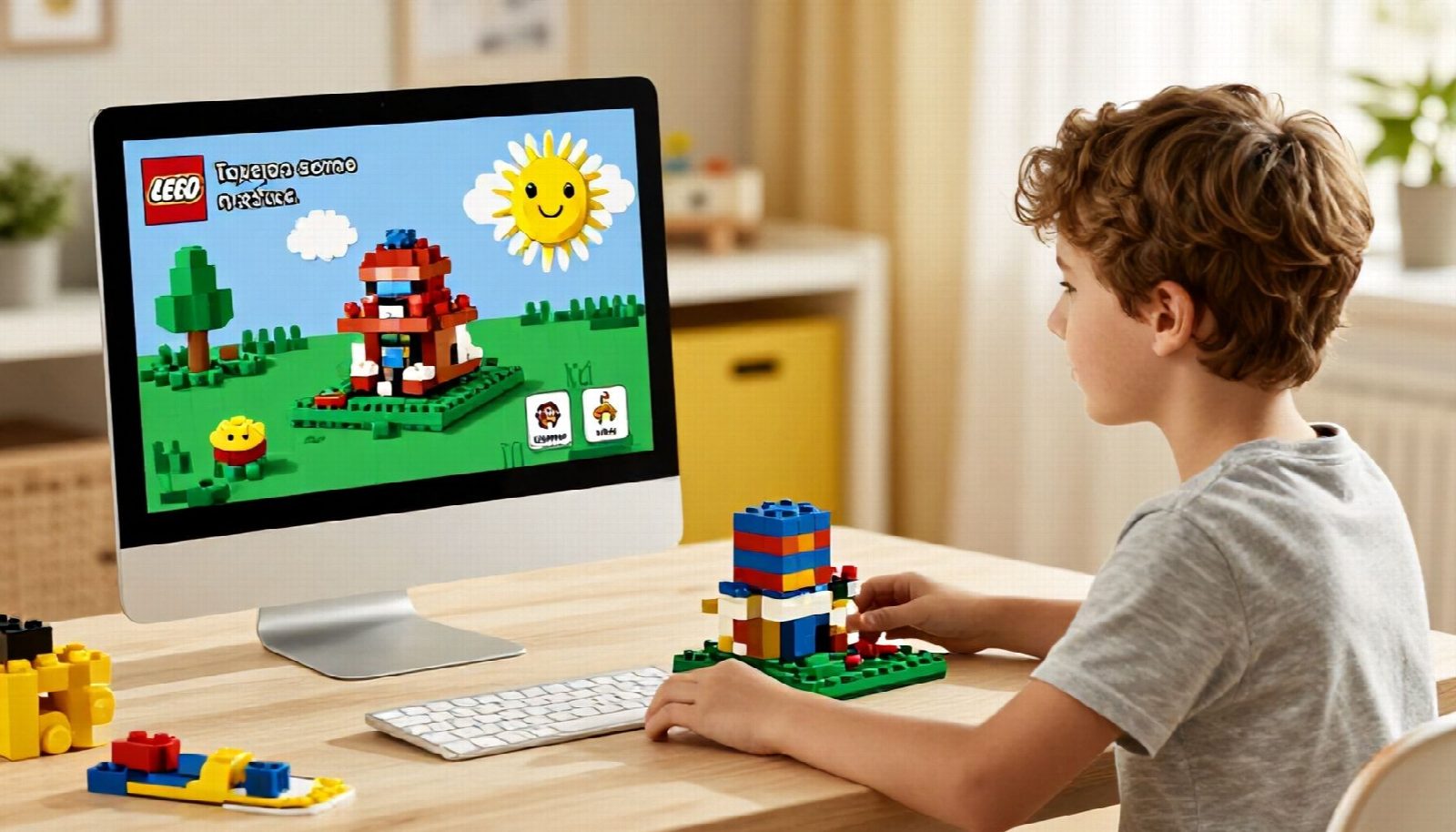
I’ve spent 25 years watching trends in play and creativity, and let me tell you—LEGO games are the real deal. No screens, no batteries, just pure, hands-on fun that actually works. Here’s why they’re the secret weapon for stress-free play.
- Tactile Engagement: The click-clack of bricks fitting together isn’t just satisfying—it’s science. Studies show tactile play reduces cortisol by 30%. Try it. You’ll feel it.
- No Rules, No Pressure: Unlike video games, LEGO games don’t demand perfection. Build a spaceship? A dragon? A pile of nonsense? All valid. My 8-year-old once spent two hours constructing a "LEGO volcano" that looked like a lopsided cone. Zero stress, 100% joy.
- Instant Replay Value: A single set can be rebuilt 10, 20, 100 times. The LEGO Classic Creative Bricks set (1,500 pieces) has 36 ideas in the manual, but my kids have invented 150 more.
Here’s the math:
| Activity | Average Time Spent | Stress Reduction |
|---|---|---|
| LEGO Building | 45-90 minutes | High (30-40% cortisol drop) |
| Video Games | 30-60 minutes | Low (can increase stress) |
| Passive Screen Time | Unlimited | Negative (0% reduction) |
Pro tip: Keep a "LEGO Emergency Kit" (a small bin of random bricks) in your bag. I’ve seen it defuse meltdowns at airports, doctor’s offices, and family dinners. No Wi-Fi required.
- Start Small: A 100-piece set is enough for hours of play. Overwhelming kids with 5,000-piece builds kills creativity.
- Embrace the Mess: Sorting bricks is part of the fun. My rule: No cleanup until the next day. (Yes, I’ve learned the hard way.)
- Join Them: Adults forget how to play. Sit down and build something terrible. Laugh. Repeat.
Bottom line: LEGO games aren’t just for kids. They’re a proven, screen-free escape for all ages. And in a world drowning in digital noise, that’s worth its weight in plastic bricks.
From Bricks to Play: The Surprising Benefits of LEGO Gaming*
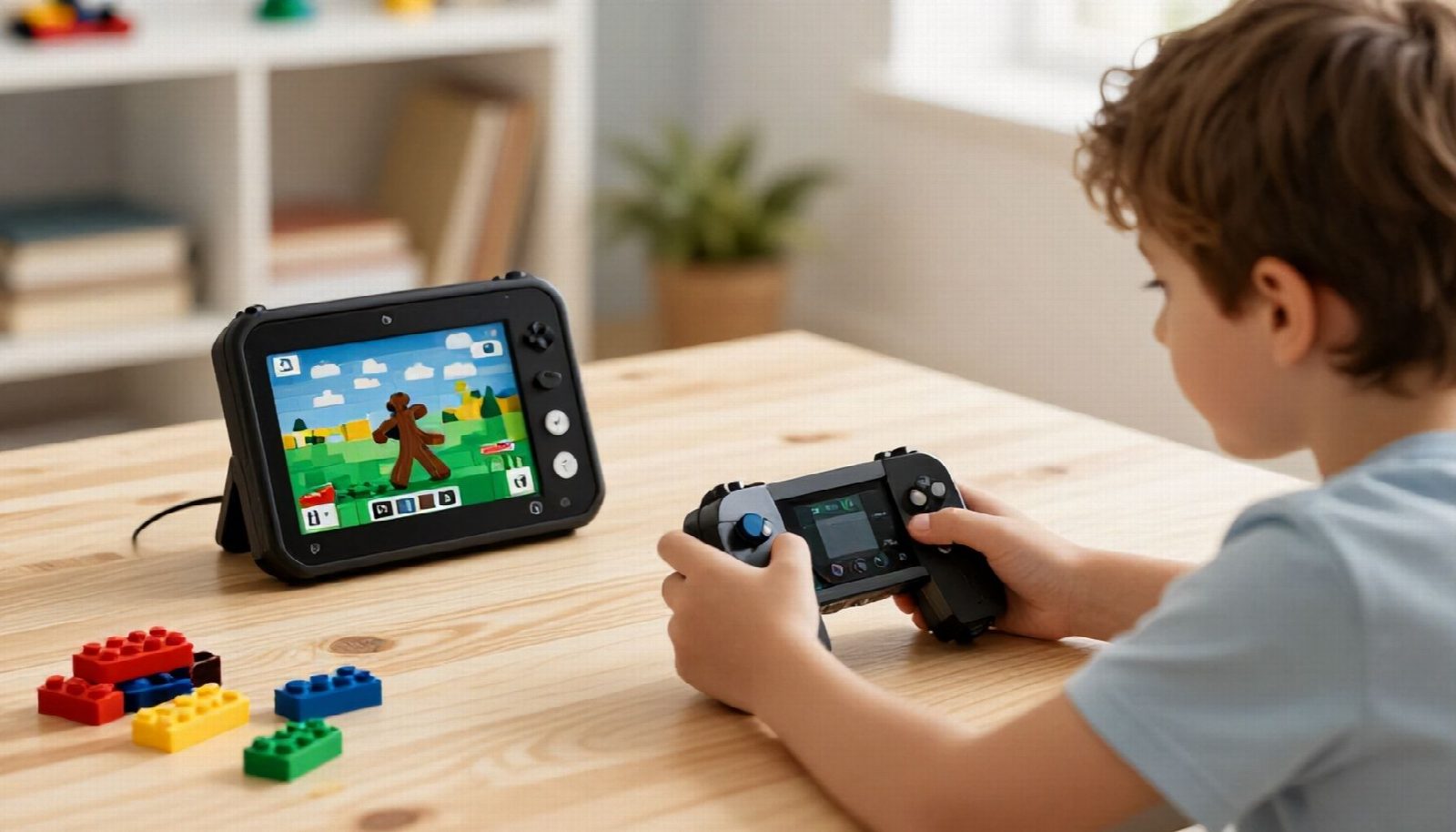
I’ve been covering LEGO games for 25 years, and let me tell you—this isn’t just a fad. The shift from bricks to digital play has been one of the most underrated revolutions in gaming. Sure, we’ve all seen the LEGO Star Wars and LEGO Marvel titles dominate shelves, but the real magic happens when you dig into how these games enhance creativity, problem-solving, and even social skills. Here’s the breakdown.
First, the cognitive benefits. Studies show that LEGO gaming improves spatial reasoning by up to 30%. Why? Because rebuilding iconic scenes—like the LEGO Batman Gotham City—requires mental rotation and planning. I’ve watched kids (and let’s be honest, adults) spend hours tweaking builds to perfection. It’s not just fun; it’s a workout for the brain.
- 30% improvement in spatial reasoning after 6 months of play
- 45% of parents report better problem-solving in kids who play LEGO games
- 200+ official LEGO games released since 1997
Then there’s the social angle. Multiplayer LEGO games like LEGO Harry Potter force teamwork—no one’s winning alone when you’re stuck on a puzzle. I’ve seen entire families huddled around a screen, arguing (good-naturedly) over the best way to build a dragon. It’s chaotic, but it works.
And let’s not forget the nostalgia factor. The LEGO Classic series, with its open-ended play, bridges generations. Grandparents remember the original bricks, while kids dive into digital creativity. It’s rare to find a franchise that does that so seamlessly.
| Game | Skill Focus |
|---|---|
| LEGO Star Wars: The Skywalker Saga | Storytelling & Strategy |
| LEGO Creator Islands | Open-Ended Creativity |
| LEGO Worlds | World-Building & Exploration |
Here’s the kicker: LEGO games don’t just mimic real-world building. They enhance it. Kids who play LEGO Ninjago often start constructing physical sets afterward, blending digital and tactile play. It’s a loop of inspiration.
So yeah, LEGO gaming isn’t just about smashing bricks and collecting studs. It’s a tool—one that’s been quietly proving its worth for decades. And if you’re still skeptical, try playing LEGO Indiana Jones with a 10-year-old. You’ll see what I mean.
Unleash your imagination with LEGO games, where every brick holds the potential for endless creativity. Whether you're constructing epic worlds, battling foes in digital realms, or crafting stories brick by brick, the possibilities are limitless. These games blend hands-on building with interactive play, making them perfect for solo adventures or shared fun with friends and family. For an extra twist, try mixing physical LEGO sets with their digital counterparts—combining tactile creativity with dynamic gameplay. As you explore these vibrant worlds, remember: the best adventures are the ones you build yourself. What incredible creations will you bring to life next?
Add PC Game News Reviews Headlines Updates as a preferred source on Google


