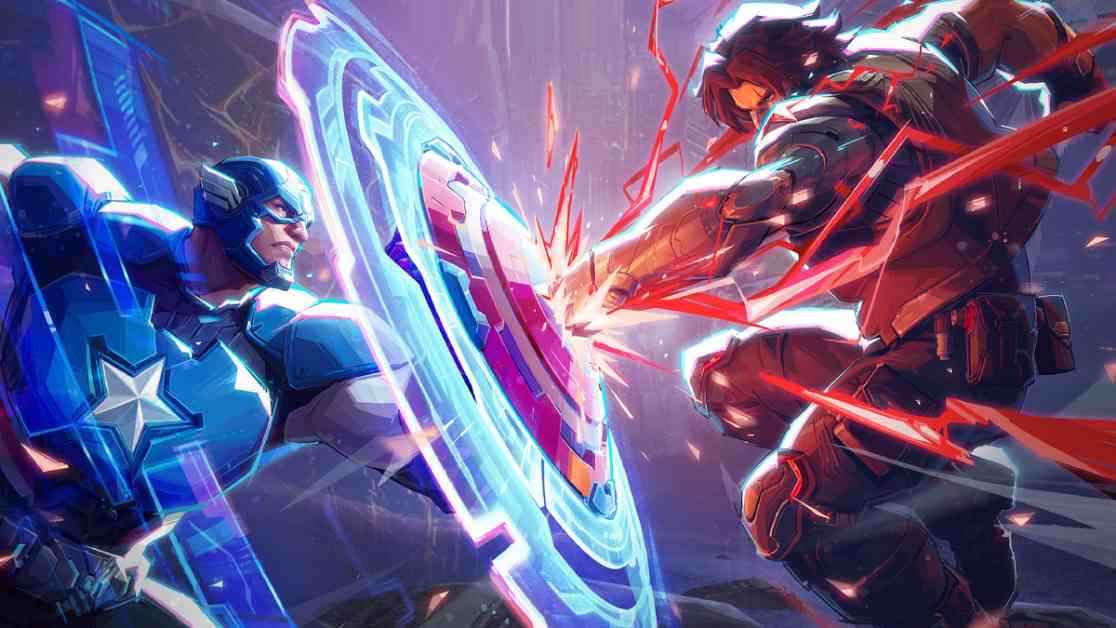
Marvel Rivals, the popular free-to-play hero shooter developed by NetEase, has captured the attention of over 40 million players worldwide. However, the game’s future was almost jeopardized due to the hefty licensing fees required to feature beloved comic book characters owned by Disney. According to a recent report by Bloomberg, NetEase founder and CEO William Ding contemplated canceling the project altogether, citing objections to paying Disney for the use of iconic characters like Wolverine and Spider-Man.
In a bold move, Ding even instructed the game’s developers to create their own original hero designs as a temporary solution, resulting in millions of dollars wasted on unused work. Despite these challenges, NetEase has maintained that they have had a strong partnership with Marvel since 2017. The behind-the-scenes turmoil surrounding Marvel Rivals sheds light on the intricate world of licensing agreements in the gaming industry and the potential consequences of navigating such deals.
The High Stakes of Licensing Agreements in Gaming
The gaming industry is no stranger to the complexities of licensing agreements, especially when it comes to securing the rights to popular intellectual properties. The leaked materials from the Insomniac Games hack in 2023 revealed the exorbitant amounts that studios like NetEase would have to pay Disney for featuring characters from iconic franchises like X-Men. These deals can often amount to hundreds of millions of dollars, posing a significant financial burden on developers seeking to bring beloved characters to life in their games.
Microsoft Gaming CEO Phil Spencer’s reluctance towards licensing deals further underscores the challenges faced by companies in the gaming space. Spencer’s concerns about the implications of such agreements on game streaming services and long-term availability highlight the intricate balance developers must strike between creative freedom and financial viability. The delicate dance of negotiating licensing terms can make or break a project, as seen in the case of Marvel Rivals’ tumultuous development journey.
Navigating Turbulent Waters: The Evolution of NetEase’s Gaming Strategy
Despite the initial hurdles faced by Marvel Rivals, the game ultimately saw the light of day, marking a significant milestone for NetEase. However, the recent layoffs of the Seattle-based development team responsible for the game have raised questions about the company’s shifting focus in the gaming landscape. As NetEase reevaluates its gaming investments and streamlines its operations, the industry is left to ponder the implications of these strategic shifts on future projects and collaborations.
The story of Marvel Rivals serves as a cautionary tale for developers and publishers alike, highlighting the intricate web of challenges that come with creating and releasing a successful game in today’s competitive market. While the game’s flashy designs and familiar gameplay have resonated with millions of players, the underlying struggles with licensing agreements and internal conflicts underscore the tumultuous nature of the gaming industry. As NetEase navigates this ever-evolving landscape, the fate of Marvel Rivals stands as a testament to the resilience and adaptability required to thrive in an increasingly complex and competitive market.
The fate of Marvel Rivals hangs in the balance as NetEase grapples with the aftermath of its tumultuous development journey. As the gaming industry continues to evolve, the lessons learned from this experience will undoubtedly shape the future of game development and the delicate dance of navigating licensing agreements in an ever-changing landscape.