
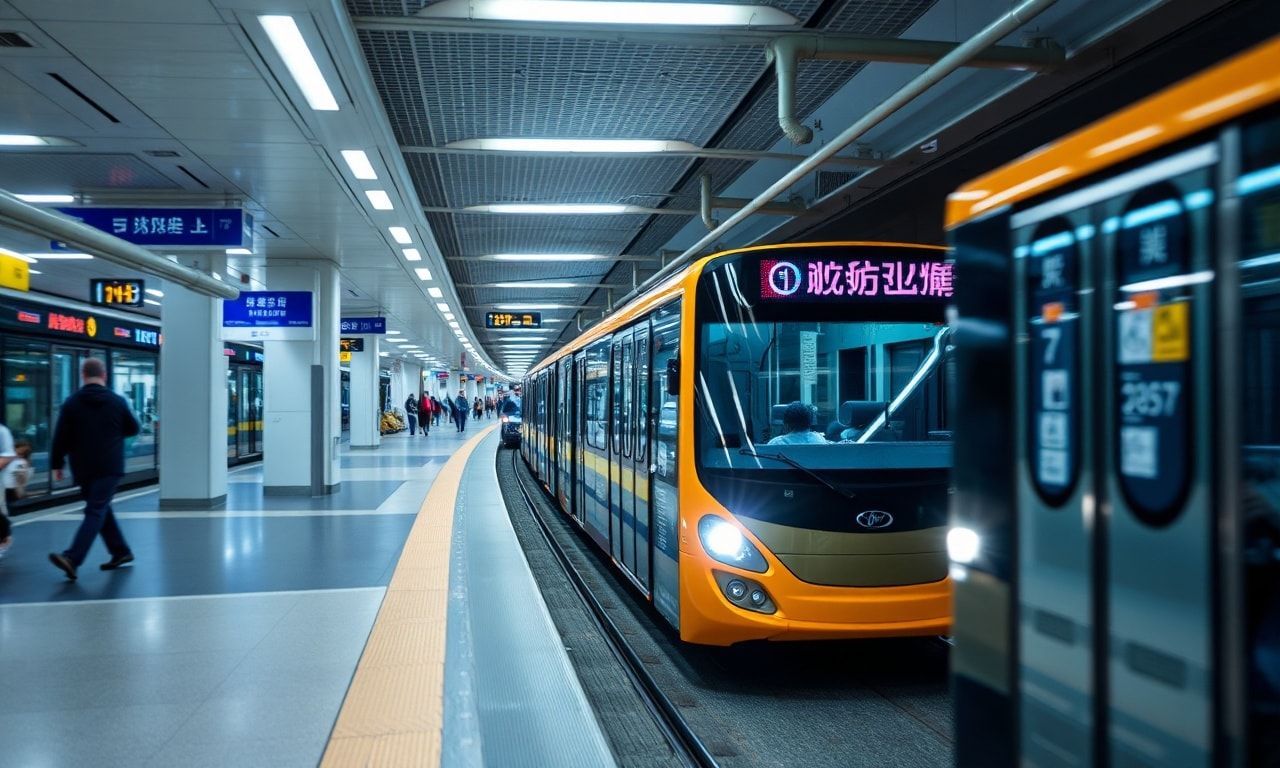
The Evolution of Public Transportation
Public transportation has undergone a significant transformation over the past few decades, driven by technological advancements and a growing emphasis on sustainability. From electric buses to high-speed rail networks, cities around the world are investing heavily in modernizing their transit systems. These innovations aim to reduce congestion, lower emissions, and improve the overall commuting experience for millions of people.
Technological Advancements in Urban Mobility
One of the most notable developments in public transportation is the integration of smart technologies. Cities are increasingly adopting contactless payment systems, real-time tracking apps, and AI-driven scheduling to enhance efficiency. For instance, cities like London and Tokyo have implemented smart cards that allow seamless travel across various modes of transport. Additionally, the use of big data analytics helps transit authorities predict demand and optimize routes, reducing wait times and improving service reliability.
Another groundbreaking innovation is the introduction of autonomous vehicles. Companies like Waymo and Uber are testing self-driving shuttles in several cities, which could revolutionize urban mobility. These vehicles promise to reduce accidents caused by human error and provide a more efficient and cost-effective transportation solution. However, the widespread adoption of autonomous vehicles still faces regulatory and technological hurdles that need to be addressed.
The Role of Electric and Hybrid Vehicles
Electric and hybrid vehicles are playing a crucial role in the transition towards sustainable public transportation. Electric buses, in particular, are gaining traction as cities strive to reduce their carbon footprints. Cities like Shenzhen, China, have already fully electrified their bus fleets, demonstrating the feasibility and benefits of this transition. Similarly, electric trains and trams are becoming more common, offering a cleaner and quieter alternative to traditional diesel-powered vehicles.
Governments and private companies are also investing in the development of charging infrastructure to support the widespread adoption of electric vehicles. Fast-charging stations are being installed at bus depots and train stations, ensuring that electric buses and trains can operate efficiently throughout the day. These initiatives are part of a broader effort to create a more sustainable and environmentally friendly transportation ecosystem.
Infrastructure Projects and Urban Planning
Infrastructure projects are at the heart of modernizing public transportation systems. Cities are expanding their metro networks, building new bus rapid transit (BRT) corridors, and upgrading existing rail lines to accommodate growing populations. For example, the expansion of the London Underground and the development of the Crossrail project aim to provide faster and more reliable transit options for commuters.
In Scotland, Dundee is making significant strides in improving its public transportation network. The city has announced plans to expand its bus services and introduce new cycling infrastructure to encourage sustainable commuting. For the latest updates on Dundee’s public transport expansions, you can visit the Dundee public transport expansions news today.
The Impact of High-Speed Rail Networks
High-speed rail networks are transforming long-distance travel, offering a faster and more environmentally friendly alternative to air travel. Countries like Japan, France, and China have already established extensive high-speed rail networks that connect major cities, reducing travel times and boosting economic activity. The development of new high-speed rail lines, such as the California High-Speed Rail project in the United States, promises to further revolutionize intercity travel.
High-speed rail networks not only provide a more sustainable mode of transportation but also stimulate economic growth by connecting urban centers and facilitating business travel. These networks also reduce the reliance on air travel, which has a higher carbon footprint. As more countries invest in high-speed rail, the global transportation landscape is set to undergo a significant transformation.
Challenges and Future Prospects
Despite the numerous advancements in public transportation, several challenges remain. Funding constraints, regulatory hurdles, and public resistance to change are some of the key obstacles that need to be addressed. Additionally, the COVID-19 pandemic has had a significant impact on public transportation systems, with many cities experiencing a decline in ridership and facing financial difficulties.
However, the future of public transportation looks promising. With continued investment in technology and infrastructure, cities can create more efficient, sustainable, and resilient transit systems. The integration of smart technologies, the adoption of electric and hybrid vehicles, and the expansion of high-speed rail networks are just a few examples of the innovations that will shape the future of urban mobility.
As cities around the world continue to grow, the need for reliable and sustainable public transportation will only increase. By embracing these innovations and addressing the challenges, we can create a transportation system that is not only efficient and environmentally friendly but also accessible to all.
In the realm of sustainable urban development, Dundee’s model for growth offers a compelling case study in innovation and community engagement.
In the rapidly evolving landscape of current events, understanding the dynamics of the entertainment-tech fusion is crucial; delve into how these industries are merging for a comprehensive overview.
As the world becomes increasingly interconnected, understanding the role of local news in shaping global perspectives is more important than ever. Our latest feature, how local news impacts worldviews, delves into this complex relationship.